Interventional Neurology for Stroke Prevention: Which Patients May Be Candidates?

Interventional neurology focuses on catheter-based procedures that may lower stroke risk in selected patients. Not everyone at risk for stroke needs a procedure; many people do well with medication and lifestyle changes alone.
Key Takeaways
- Interventional neurology focuses on catheter-based procedures that may lower stroke risk in selected patients.
- Not everyone at risk for stroke needs a procedure; many people do well with medication and lifestyle changes alone.
- Common reasons to consider an intervention include significant carotid narrowing, certain aneurysms, and some blood vessel abnormalities.
- Evaluation usually includes brain and blood vessel imaging, review of symptoms, and assessment of overall medical risk.
- Fast medical attention is important for warning signs such as sudden weakness, speech trouble, vision loss, or a transient ischemic attack.
Interventional neurology for stroke prevention uses minimally invasive, image-guided procedures to reduce stroke risk in carefully selected patients. It is most often considered when blood vessels in or leading to the brain are narrowed, blocked, or structurally abnormal, and when medical treatment alone may not be enough.
Overview: What interventional neurology means for stroke prevention
Interventional neurology is a field that uses minimally invasive, image-guided techniques to diagnose and treat problems affecting the blood vessels of the brain, neck, and spinal cord. Instead of a large surgical incision, specialists usually guide thin tubes called catheters through blood vessels, often starting from the wrist or groin, to reach the area that needs treatment. In stroke prevention, the goal is to improve blood flow or reduce the chance that a blood vessel problem will lead to a future stroke.
These procedures are not used for everyone who has stroke risk factors. Many people can lower their risk effectively through blood pressure control, cholesterol treatment, diabetes management, smoking cessation, exercise, and medicines such as antiplatelet drugs or anticoagulants when appropriate. Interventional neurology is usually considered when imaging shows a specific structural or vascular problem, or when symptoms suggest that medical therapy alone may not provide enough protection.
Because stroke risk can come from several causes, patient selection is important. A person may benefit from a procedure if they have severe narrowing of a neck artery, a brain aneurysm at risk of rupture, or another abnormal blood vessel pattern that could affect circulation. Teams that specialize in interventional neurology and interventional neuroradiology often work together with neurologists, vascular specialists, and neurosurgeons to decide the safest and most effective plan.
Which patients may be candidates?
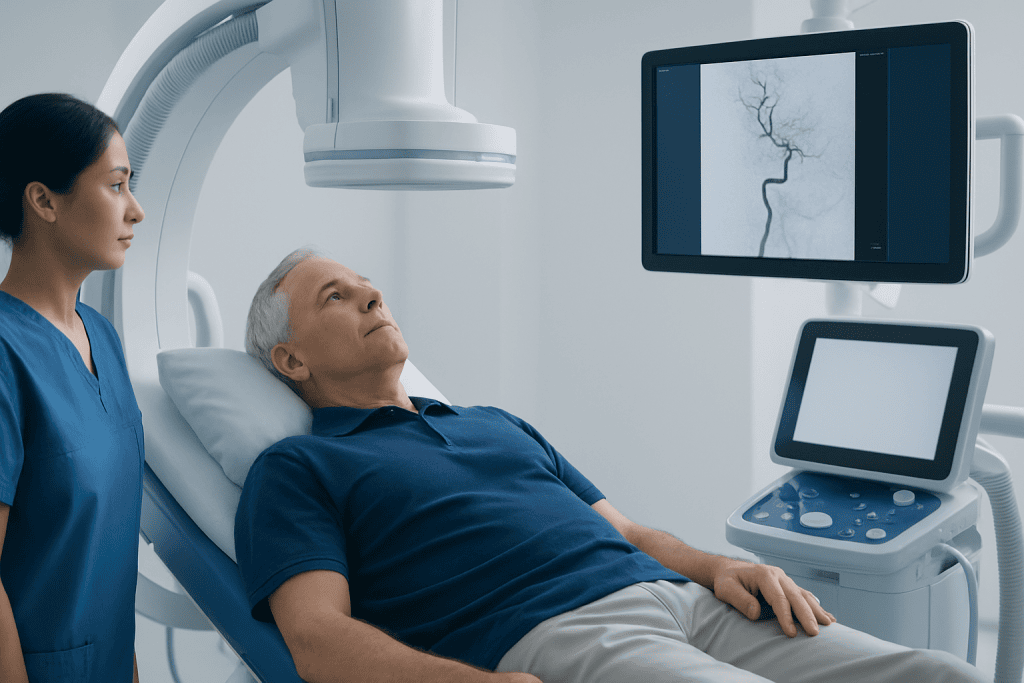
The best candidates are people whose stroke risk is linked to a problem that can be identified and treated with a targeted procedure. One common example is significant narrowing of the carotid arteries, the large blood vessels in the neck that supply the brain. In some patients, especially those who have had stroke-like symptoms, treating carotid artery stenosis may help reduce the chance of another event.
Patients who have already had a warning event may also need careful evaluation. A transient ischemic attack (TIA), sometimes called a mini-stroke, can be an important sign that blood flow to the brain has been temporarily interrupted. People with a recent TIA or stroke may undergo imaging to look for a treatable narrowing, clot source, or blood vessel abnormality.
Another group includes patients with intracranial aneurysms, arteriovenous malformations, or other vascular conditions that may increase the risk of bleeding or impair healthy circulation. In these situations, the aim may be to seal off a weak blood vessel area, reduce the risk of rupture, or improve blood flow patterns. The decision depends on the size and location of the abnormality, the person’s age and health, and the balance between the procedure’s benefits and risks.
Some patients are not candidates for intervention, even if they have vascular disease. If the narrowing is mild, symptoms are absent, or the risks of a procedure outweigh the likely benefit, doctors may recommend close follow-up and medication instead. This is why treatment planning is highly individualized rather than based on one test result alone.
Symptoms and warning signs that need evaluation

Stroke prevention often begins when a person notices possible warning signs. Symptoms that deserve urgent medical assessment include sudden weakness or numbness on one side of the body, facial drooping, difficulty speaking or understanding words, sudden loss of vision in one or both eyes, severe dizziness, or trouble walking. Even if these symptoms last only a few minutes and then improve, they can still signal a high short-term risk of stroke.
Some patients being evaluated for stroke prevention have no symptoms at all. Their vascular problem may be discovered during imaging performed for another reason, such as a check-up for carotid bruits, headaches, or cardiovascular disease. In these cases, the medical team looks carefully at whether an intervention would truly lower risk more than medicines and lifestyle measures alone.
Symptoms do not always reveal the exact cause. For example, brief neurological changes can arise from several conditions, not only a TIA. That is why specialist assessment matters. Doctors may combine the neurological exam with vascular imaging and heart evaluation to identify whether symptoms came from reduced blood flow, an embolus, or a different condition entirely.
- Sudden one-sided weakness or numbness
- Speech or language difficulty
- Sudden vision loss or double vision
- Loss of balance, coordination, or severe dizziness
- Transient episodes that resolve quickly but recur
Common conditions treated to help prevent stroke
One of the most established uses of endovascular treatment is severe carotid artery narrowing. Plaque buildup in the carotid artery can reduce blood flow or shed material that travels to the brain. In selected patients, carotid artery stenting may be considered, particularly when anatomy or overall health makes traditional surgery less suitable. The decision depends on symptom history, the degree of narrowing, and the person’s overall vascular risk.
Interventional specialists may also treat certain aneurysms before they rupture. An aneurysm is a weak, bulging area in a blood vessel wall. Not every aneurysm needs a procedure, but some may be considered for coiling, flow diversion, or related techniques if their size, shape, location, or growth pattern suggests a meaningful risk. Preventing bleeding in this context can also help prevent a severe neurological emergency.
Other blood vessel abnormalities can also be relevant. Arteriovenous malformations, fistulas, or selected intracranial stenoses may sometimes be managed with catheter-based approaches. However, these situations are more specialized, and recommendations vary widely depending on the exact anatomy and symptoms. The aim is always to reduce future neurological harm while avoiding unnecessary intervention.
Patients often benefit from evaluation in centers with advanced imaging and multidisciplinary expertise, including neuroradiology support. In older adults, age-related factors such as frailty, memory changes, and multiple medications may also shape the decision, which is why input from geriatric neurology can be helpful when appropriate.
How doctors decide: tests, imaging, and risk assessment
Evaluation usually begins with a detailed medical history and neurological examination. Doctors ask about prior TIA or stroke symptoms, blood pressure, diabetes, smoking, heart rhythm problems such as atrial fibrillation, and family history. They also review current medicines, previous surgeries, and any bleeding or kidney issues that could affect testing or treatment.
Imaging is central to planning. Common tests include carotid ultrasound, CT angiography, MR angiography, and catheter angiography. These studies show whether a blood vessel is narrowed, blocked, enlarged, or otherwise abnormal. Brain MRI or CT may also be used to look for evidence of past silent strokes or other changes that help explain symptoms.
Doctors also assess the balance between benefit and risk. A procedure may be more appealing when the stroke risk without treatment is clearly meaningful and the anatomy is favorable. On the other hand, some patients may face higher procedural risks because of severe heart or lung disease, difficult vessel anatomy, advanced frailty, or bleeding concerns. Shared decision-making is an important part of this process.
In many cases, the final plan is made by a multidisciplinary team rather than one specialist alone. Neurologists, interventionalists, vascular surgeons, cardiologists, and anesthesiology teams may all contribute. This approach helps ensure that the patient understands whether a procedure is preventive, urgent, or optional, and what alternatives exist.
Treatment options and what procedures may involve
Treatment depends on the underlying cause of stroke risk. For carotid narrowing, options may include medication alone, carotid endarterectomy, or carotid artery stenting. Stenting typically involves placing a small mesh tube inside the artery to help keep it open and maintain blood flow. It is generally considered in selected patients after careful imaging and risk review.
For aneurysms, endovascular options may include coiling, stent-assisted coiling, or flow-diverting devices. These approaches aim to redirect blood flow away from the weak area or seal it from the inside. Some other vascular malformations can be treated with embolization, which uses special materials to block abnormal vessels.
Most endovascular procedures are performed in a specialized angiography suite under imaging guidance. Patients may receive local anesthesia with sedation or general anesthesia, depending on the procedure. Recovery is often shorter than with open surgery, but there are still important risks to discuss, including bleeding, vessel injury, stroke during the procedure, contrast reactions, or the need for additional treatment later.
Even when a procedure is successful, long-term prevention still matters. Patients usually need ongoing control of blood pressure, cholesterol, blood sugar, and smoking exposure. Follow-up imaging may be recommended to confirm that the treated vessel remains stable and that no new issues have developed.
Prevention and self-care alongside interventional treatment
Interventional care works best as one part of a broader stroke prevention plan. Healthy habits remain essential before and after a procedure. Patients are often advised to stop smoking, follow a heart-healthy eating pattern, stay physically active within their doctor’s guidance, maintain a healthy weight, and take prescribed medications consistently. These steps help protect not just one artery, but the entire circulation.
Managing common risk factors is especially important because procedures do not remove the tendency toward vascular disease. High blood pressure can continue to damage blood vessels over time, and untreated diabetes or high cholesterol can speed plaque formation. Good sleep, regular follow-up visits, and attention to medication side effects can also support long-term brain and heart health.
Family support can make a real difference. Loved ones may help notice recurrent symptoms, encourage medicine adherence, and support dietary or activity changes. Patients should keep a current list of medications and medical conditions and bring it to appointments, especially if more than one specialist is involved in care.
Near the end of the treatment journey, some patients seek care in specialized international centers. Acibadem International’s multidisciplinary specialists and JCI-accredited hospitals evaluate and treat patients with cerebrovascular conditions, including preventive and therapeutic endovascular care, when appropriate.
When to see a doctor urgently
Any possible stroke or TIA symptom needs immediate medical attention, even if it improves quickly. Time matters because early evaluation can confirm whether symptoms came from a temporary blockage, identify a treatable cause, and reduce the risk of a larger stroke in the near future. People should not wait to see if symptoms return or assume they are caused by fatigue, stress, or dehydration.
Urgent review is also important for people who have known carotid disease, an untreated aneurysm, or a recent change in neurological symptoms. New confusion, one-sided weakness, speech trouble, severe sudden headache, or vision loss should prompt emergency care. These symptoms may or may not mean stroke, but they should always be assessed promptly.
A non-urgent specialist appointment may be appropriate for someone who has vascular risk factors, a family history of stroke, or imaging findings that need clarification. Questions about whether a preventive procedure is suitable should be discussed with a neurologist or vascular specialist who can review imaging, medical history, and treatment goals in detail.
Frequently asked questions
What is interventional neurology for stroke prevention?
It is a subspecialty that uses minimally invasive, image-guided procedures to reduce stroke risk in selected patients. These procedures target specific blood vessel problems, such as severe narrowing or aneurysms, rather than replacing general stroke prevention measures like medication and lifestyle changes.
Does every person at risk for stroke need a procedure?
No. Many people can lower their stroke risk effectively with blood pressure control, cholesterol treatment, diabetes management, smoking cessation, and the right medications. A procedure is usually considered only when imaging shows a treatable vascular problem and the expected benefit outweighs the risk.
Who may be a good candidate for carotid artery stenting?
Candidates may include some patients with significant carotid artery narrowing, especially if they have had symptoms such as a TIA or minor stroke. Suitability depends on anatomy, overall health, other medical conditions, and whether surgery or medical treatment alone would be a better option.
Can these procedures prevent all strokes?
No procedure can prevent every stroke because strokes have different causes, including heart rhythm disorders, small vessel disease, and uncontrolled vascular risk factors. Interventional treatment can reduce risk in certain situations, but ongoing medical care and healthy habits remain very important.
What tests are usually needed before deciding on treatment?
Doctors often use carotid ultrasound, CT angiography, MR angiography, or catheter angiography to examine the blood vessels. Brain imaging, blood tests, and heart evaluation may also be needed to understand the source of risk and choose the safest treatment plan.
Are interventional stroke-prevention procedures safe?
They are generally performed by highly trained specialists, but like all medical procedures, they carry risks. Possible complications can include bleeding, vessel injury, stroke, or reactions related to contrast or anesthesia, so careful patient selection is essential.
References
- World Stroke Organization
- American Stroke Association
- National Institute of Neurological Disorders and Stroke
- Society of NeuroInterventional Surgery
This article is for general information only and is not a substitute for professional medical advice. Please consult a qualified doctor about your individual situation.
Interventional Neurology in Turkey — costs, top hospitals & a free quote
JCI-accredited · board-certified surgeons · reply within 24h
Add us as a Preferred Source to see more of our trusted health content across Google Search, AI Overviews and Discover.
Check your numbers in seconds
BMI, calories, due date, blood pressure and 30+ more clinical calculators — free, instant, doctor-reviewed ranges.

Neurology
Diagnosis and treatment of disorders of the brain, spinal cord, nerves and muscles.
51 specialists in this unit