Neuropsychiatry Evaluation: What to Expect When Symptoms Overlap

A neuropsychiatry evaluation is used when symptoms involve both thinking, behavior, emotions, and the nervous system. The assessment often includes a detailed history, physical and neurological examination, and sometimes cognitive testing, lab work, brain imaging, or EEG.
Key Takeaways
- A neuropsychiatry evaluation is used when symptoms involve both thinking, behavior, emotions, and the nervous system.
- The assessment often includes a detailed history, physical and neurological examination, and sometimes cognitive testing, lab work, brain imaging, or EEG.
- Many different conditions can cause overlapping symptoms, including sleep disorders, seizures, stroke, medication effects, infections, and neurodegenerative disease.
- Treatment depends on the cause and may combine neurological care, mental health support, rehabilitation, and lifestyle measures.
- Urgent medical care is needed for sudden confusion, new weakness, seizures, or stroke-like symptoms.
A neuropsychiatry evaluation looks at symptoms that may involve both the brain and mental health, such as memory changes, mood shifts, sleep problems, seizures, or personality changes. It brings together neurological and psychiatric assessment to help identify the cause and guide treatment.
Overview: Why a Neuropsychiatry Evaluation May Be Recommended
A neuropsychiatry evaluation is a medical assessment for people whose symptoms do not fit neatly into only a neurological or only a psychiatric category. It is often recommended when changes in mood, behavior, memory, attention, sleep, or personality appear alongside headaches, seizures, movement changes, weakness, dizziness, or other nervous system symptoms. The aim is to understand how the brain, mind, and body may be affecting one another.
Neuropsychiatry sits at the meeting point of neurology and mental health. Some conditions begin in the brain and lead to emotional or behavioral symptoms. Others are primarily psychiatric but may affect concentration, sleep, energy, and physical functioning in ways that resemble a neurological disorder. A careful evaluation helps avoid missing an underlying medical cause and supports more accurate treatment planning.
This kind of assessment is not a single test. Instead, it is a structured process that may involve a neurologist, psychiatrist, psychologist, and other specialists depending on the symptoms. In many cases, the evaluation also looks at sleep, medications, past medical problems, substance use, and daily functioning at home, school, or work.
Symptoms That May Point to Overlap
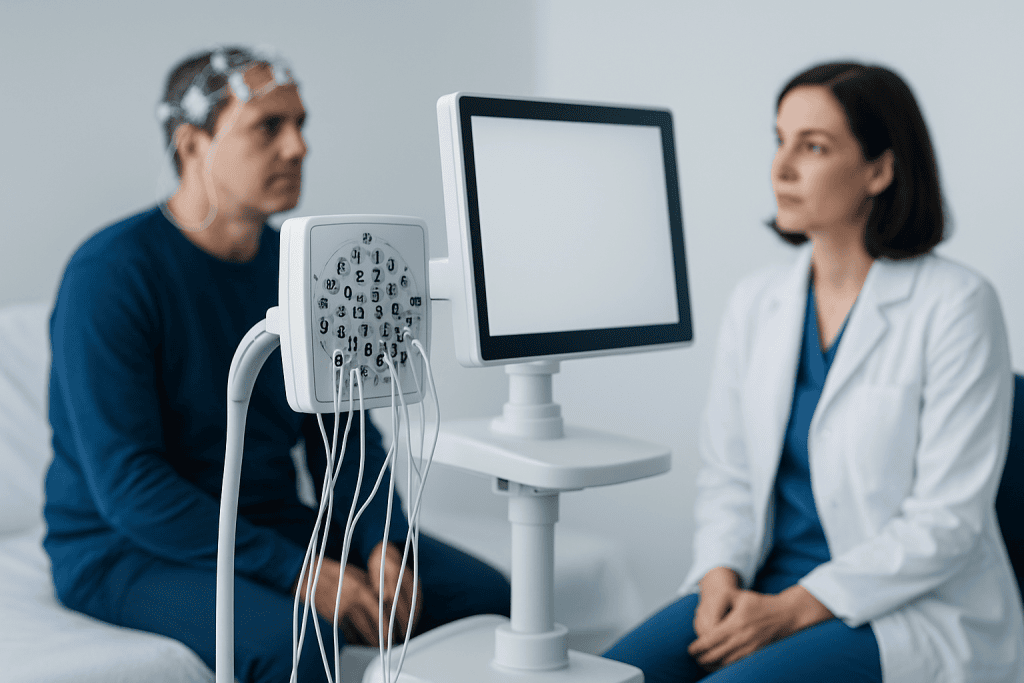
Symptoms that may lead to a neuropsychiatry evaluation can vary widely. Some people notice memory problems, confusion, difficulty finding words, poor concentration, or slower thinking. Others develop irritability, anxiety, depression, hallucinations, impulsive behavior, or sudden personality change. These symptoms may appear gradually or after an illness, injury, seizure, or major life event.
Neurological symptoms can occur at the same time. These may include tremor, balance problems, fainting episodes, seizures, sleep attacks, headaches, vision changes, weakness, numbness, or unusual movements. For example, chronic headache conditions such as tension-type headache can affect mood and concentration, while some movement symptoms may be related to conditions such as dystonia or other brain-based disorders.
Doctors may consider a neuropsychiatry evaluation when symptoms are hard to explain, have changed quickly, or are affecting safety and independence. It can also be helpful when a person has already received treatment for anxiety, depression, or another mental health condition but continues to have cognitive or neurological concerns that need a closer look.
- Memory or attention problems
- Mood or behavior changes
- Sleep disturbance or unexplained daytime sleepiness
- Seizure-like episodes or fainting
- Tremor, slowed movement, or balance difficulty
- Headaches, dizziness, or sensory changes
Possible Causes and Risk Factors

Overlapping symptoms can have many possible causes. Neurological conditions such as epilepsy, concussion, dementia, Parkinson disease, multiple sclerosis, migraine, stroke, autoimmune brain disorders, infections, and sleep disorders may all affect thinking or behavior. Psychiatric conditions such as depression, bipolar disorder, trauma-related disorders, anxiety disorders, and psychosis can also affect memory, concentration, energy, and sleep.
Sometimes the overlap comes from more than one factor at once. Medication side effects, alcohol or substance use, hormonal changes, vitamin deficiencies, thyroid disease, chronic pain, poor sleep, and severe stress can all add to the picture. In older adults, neurodegenerative conditions may present first with subtle behavioral or cognitive changes. In younger people, developmental, seizure-related, autoimmune, or sleep-related conditions may be considered.
Risk factors depend on the person and symptoms. Recent head injury, a past history of seizures, family history of a neurological or psychiatric disorder, vascular risk factors, long-term sleep problems, or previous episodes of confusion may all be relevant. A history of a neurological event such as stroke can be especially important because mood, cognition, and behavior often change during recovery.
What Happens During the Evaluation
The first step is usually a detailed interview. The doctor asks about the main symptoms, when they started, how they have changed over time, and what makes them better or worse. It is common to discuss sleep, mood, stress, medications, medical history, alcohol or substance use, and any history of seizures, injury, or infections. Family members may be invited to share observations, especially if there are memory or behavior changes.
A physical and neurological examination follows. This may include checking strength, coordination, reflexes, balance, speech, eye movements, sensation, and walking. The clinician may also assess mood, thought process, insight, attention, and orientation. In many cases, brief bedside cognitive screening is done to look at memory, language, problem solving, and executive function.
Depending on the findings, further tests may be recommended. These can include blood tests, brain imaging such as MRI or CT, electroencephalography for seizure-related concerns, sleep studies, or formal cognitive testing. More specialized services may also be involved, such as neuropsychology for detailed cognitive assessment, neurophysiology for EEG and related studies, or neuroradiology for brain imaging when structure needs closer evaluation.
The process is meant to build a complete picture rather than to label symptoms too quickly. In some people, the answer becomes clear after one visit. In others, diagnosis takes time, follow-up, or response to treatment. A careful approach is especially important because symptoms that look psychiatric can sometimes be caused by a medical brain disorder, and the reverse can also be true.
How Doctors Make the Diagnosis
Diagnosis in neuropsychiatry is based on patterns rather than one single sign. Doctors bring together the story of the symptoms, examination findings, test results, and the effect on daily life. They also look for clues that point toward a primary brain disorder, a primary mental health disorder, or a combination of both.
For example, sudden onset confusion or personality change may raise concern for infection, inflammation, seizures, medication effects, or a vascular event. Gradual memory decline may suggest a neurodegenerative process, while severe daytime sleepiness, dream-enactment behaviors, or fragmented sleep can point toward a sleep-related cause. Recurrent episodes that look like seizures may require EEG and close clinical review, because not all seizure-like events are due to epilepsy.
The diagnostic process also includes ruling out urgent conditions. Sudden one-sided weakness, difficulty speaking, severe headache, or abrupt loss of awareness may need emergency evaluation for problems such as transient ischemic attack or stroke. When symptoms have a complex pattern, a multidisciplinary review can be very helpful to make sure treatment is based on the most likely cause.
Treatment Options After the Assessment
Treatment depends on what the evaluation shows. If symptoms are related to a neurological condition, care focuses on managing that condition while also addressing emotional and cognitive effects. If a psychiatric condition is the main cause, treatment may include psychotherapy, medication, sleep support, stress management, and practical help with daily functioning. Many people benefit from a combined plan.
Examples of treatment may include seizure management, migraine care, treatment for autoimmune or inflammatory disorders, medication review, rehabilitation, counseling, and structured support for memory or attention problems. When sleep is a major factor, referral to neurological sleep medicine may be appropriate. If behavior, cognition, and neurological findings overlap significantly, a dedicated neuropsychiatry service can help coordinate care across specialties.
For some people, treatment also involves occupational therapy, speech therapy, or family education. Support with routines, safety planning, sleep habits, and reducing overstimulation can make daily life more manageable. Recovery may be gradual, especially when symptoms have been present for a long time, but a clearer diagnosis often helps people and families understand what to expect next.
Self-Care, Preparation, and Follow-Up
There are practical steps that can help before and after a neuropsychiatry evaluation. Keeping a symptom diary can be useful, especially for episodes of confusion, blackouts, headaches, panic-like events, or sleep problems. Writing down when symptoms happen, how long they last, and whether there are triggers can give the medical team valuable information.
It also helps to bring a list of medications, supplements, past test results, and family history. If memory or behavior is a concern, a trusted relative or friend may be able to describe changes that the person has not noticed. Questions about work, driving, school, or independent living are important topics to raise, because treatment planning often includes day-to-day safety and function.
After the evaluation, follow-up visits may be needed to review test results or monitor progress. Healthy basics can support recovery: regular sleep, balanced meals, hydration, activity within the doctor’s advice, avoiding alcohol or non-prescribed drugs, and taking medicines exactly as directed. Near the end of the care pathway, some patients may be seen in centers such as Acibadem International, where multidisciplinary specialists in JCI-accredited hospitals evaluate and treat neuropsychiatric conditions for international patients.
When to See a Doctor Urgently
Some symptoms should not wait for a routine appointment. Urgent medical attention is needed for sudden confusion, loss of consciousness, a first seizure, new weakness or numbness, severe or unusual headache, new trouble speaking, high fever with altered behavior, or rapid personality change. These symptoms can signal a serious neurological problem.
Medical help is also important if symptoms are worsening quickly, interfering with basic daily tasks, or causing unsafe behavior. Hallucinations, severe agitation, self-harm thoughts, or inability to recognize familiar people also deserve prompt assessment. In children and older adults, sudden changes in behavior or awareness may be the first sign of a medical illness rather than a primary psychiatric condition.
Even when symptoms are not an emergency, they should be discussed with a qualified doctor if they are persistent, unexplained, or affecting quality of life. Early evaluation can shorten the path to diagnosis and reduce the stress that often comes with symptoms that seem to overlap in confusing ways.
Frequently asked questions
What is a neuropsychiatry evaluation?
A neuropsychiatry evaluation is an assessment used when symptoms may involve both the brain and mental health. It looks at thinking, behavior, mood, sleep, and neurological function together to help identify the cause.
Who may need a neuropsychiatry evaluation?
People may be referred if they have symptoms such as memory loss, personality change, unexplained confusion, seizure-like episodes, mood changes with neurological symptoms, or cognitive problems after injury or illness. It can be helpful when symptoms do not clearly fit one specialty alone.
Will the evaluation include brain scans or other tests?
Not everyone needs the same tests. Depending on the symptoms, a doctor may recommend blood tests, MRI or CT imaging, EEG, sleep studies, or formal cognitive testing to better understand what is happening.
Can anxiety or depression cause symptoms that feel neurological?
Yes. Anxiety, depression, trauma-related conditions, and severe stress can affect concentration, sleep, memory, dizziness, and physical sensations. At the same time, medical brain disorders can also cause mood and behavior symptoms, which is why careful assessment matters.
Should a family member come to the appointment?
A family member or trusted friend can be very helpful, especially when there are memory, behavior, or awareness changes. They may notice patterns or details that are important for diagnosis and treatment planning.
How should someone prepare for a neuropsychiatry visit?
It helps to bring a list of symptoms, medications, supplements, past medical problems, and any previous test results. Keeping a symptom diary and noting when episodes occur can make the evaluation more accurate and efficient.
Is a neuropsychiatry evaluation only for severe illness?
No. It can be useful for mild, moderate, or complex symptoms that affect daily life or are difficult to explain. Early evaluation may lead to clearer answers and a more targeted care plan.
References
- World Health Organization
- National Institute of Mental Health
- National Institute of Neurological Disorders and Stroke
- American Psychiatric Association
- American Academy of Neurology
This article is for general information only and is not a substitute for professional medical advice. Please consult a qualified doctor about your individual situation.
Neuropsychiatry in Turkey — costs, top hospitals & a free quote
JCI-accredited · board-certified surgeons · reply within 24h
Add us as a Preferred Source to see more of our trusted health content across Google Search, AI Overviews and Discover.

Neurology
Diagnosis and treatment of disorders of the brain, spinal cord, nerves and muscles.
51 specialists in this unit