

Brazilian Tummy Tuck Recovery: Walking, Compression, and Returning to Work

Short, gentle walking usually starts early to support circulation and reduce stiffness. Compression garments help manage swelling and support healing tissues when worn as advised.
Key Takeaways
- Short, gentle walking usually starts early to support circulation and reduce stiffness.
- Compression garments help manage swelling and support healing tissues when worn as advised.
- Returning to work depends on the type of job, overall health, and how the recovery is progressing.
- Heavy lifting, intense exercise, and smoking can delay healing and increase complications.
- Any increasing pain, fever, shortness of breath, or wound concerns should be assessed promptly by a doctor.
Brazilian tummy tuck recovery is a gradual process that focuses on healing, swelling control, safe movement, and a steady return to daily life. Most patients benefit from early short walks, consistent use of compression garments, and following their surgeon’s timeline for work, exercise, and travel.
Overview of Brazilian Tummy Tuck Recovery
A Brazilian tummy tuck is a body-contouring procedure designed to improve the shape and firmness of the abdomen, often by removing excess skin, tightening tissues, and refining body contours. Recovery is an important part of the overall result, because the body needs time to heal, swelling needs to settle, and the tissues need support as they adapt to their new shape. Patients who understand the process in advance often feel more comfortable and confident during the healing period.
Although each person heals at a different pace, most recovery plans follow the same basic principles: rest without prolonged bed rest, begin gentle movement early, wear a compression garment as directed, protect the incision area, and attend follow-up visits. A surgeon may also combine abdominal surgery with contouring procedures such as body contouring or liposuction, which can affect swelling and recovery time.
The first days usually involve tightness, soreness, tiredness, swelling, and limited mobility. Over the following weeks, movement becomes easier and energy gradually returns. Full recovery is not immediate, and final contour changes may continue to improve for several months.
What to Expect in the First Days and Weeks

Immediately after surgery, patients can expect some discomfort, swelling, bruising, and a feeling of abdominal tightness. Standing fully upright may be difficult at first, especially if the abdominal tissues have been tightened. Many patients walk slightly bent forward for a short time to reduce tension on the healing area. This is common and usually improves gradually.
Drain tubes may be used in some cases to remove fluid during the early healing phase. If drains are placed, the surgical team will explain how to care for them and when they may be removed. Incisions should be kept clean and dry according to instructions, and any dressings should be changed only as advised.
During the first one to two weeks, swelling is often most noticeable. The abdomen may feel firm or uneven, and temporary numbness can occur around the incision or lower abdomen. These changes are usually expected. However, symptoms that worsen rather than improve should always be discussed with the surgeon.
By the second to fourth week, many patients notice better mobility and less soreness, although the body is still healing internally. It is helpful to remember that visible recovery often improves before internal tissues are fully healed, so activity restrictions still matter even when a person begins to feel better.
Walking After Surgery: Why It Matters
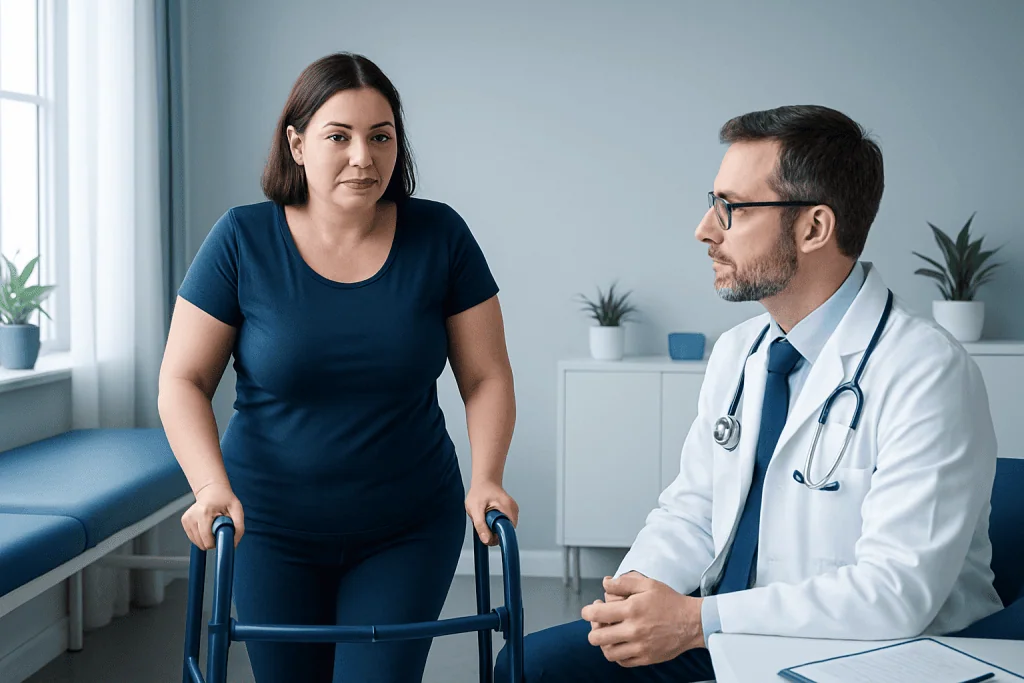
Walking is one of the most important parts of early recovery after a Brazilian tummy tuck. In most cases, surgeons encourage short, gentle walks soon after surgery, sometimes the same day or the next day depending on the individual case. Early walking helps support blood circulation, reduce stiffness, improve breathing, and lower the risk of blood clots.
Walking should begin slowly and safely. Patients generally start with very short trips around the room or hallway, then gradually increase distance over several days. The goal is gentle, frequent movement rather than exercise. Overdoing activity too early can increase swelling, discomfort, and strain on healing tissues.
It is also important to avoid long periods of complete immobility. Even when resting, changing position regularly and taking brief supervised walks can support recovery. If dizziness, significant pain, or unusual shortness of breath occurs during walking, medical advice should be sought promptly.
Walking is not the same as returning to fitness training. More vigorous activities such as running, abdominal workouts, resistance training, and heavy lifting usually need to wait until the surgeon confirms that healing is progressing well. Patients who have had combined procedures, such as Brazilian tummy tuck with BBL and lipofilling, may receive more specific mobility instructions.
Compression Garments: Purpose and Practical Tips
Compression garments are commonly recommended after tummy tuck surgery to support healing tissues and help manage swelling. They apply gentle, even pressure to the treated area, which may improve comfort, reduce fluid buildup, and help the abdomen feel more supported during movement. The exact type of garment and the length of use vary by surgeon and by the details of the procedure.
Patients are usually advised to wear compression as instructed, rather than choosing their own schedule. Wearing it too loosely may reduce support, while wearing an unsuitable or overly tight garment may cause discomfort or skin irritation. A well-fitted garment should feel supportive but should not create severe pain, numbness, breathing difficulty, or marked skin injury.
Skin care matters while using compression. The garment should be kept clean, and the skin underneath should be checked regularly for rubbing, moisture, redness, or pressure-related irritation. People with reduced mobility should be especially careful, because prolonged pressure in one area can contribute to skin breakdown such as a pressure ulcer.
Compression garments are only one part of recovery. They work best when combined with good hydration, light walking, healthy nutrition, proper rest, and careful wound care. If there are questions about fit, duration, or discomfort, the safest approach is to ask the treating surgeon rather than changing the plan independently.
Returning to Work and Daily Activities
Returning to work after a Brazilian tummy tuck depends on the physical demands of the job, the extent of surgery, and the patient’s overall healing. People with desk-based or remote work may sometimes return in about two to four weeks, while those whose jobs involve standing for long hours, lifting, bending, or strenuous movement may need more time. The surgeon’s assessment should guide this decision.
Even when a patient feels ready to work, practical details still matter. Sitting for long periods may increase stiffness, so short walking breaks can be helpful. If the journey to work is long, it may be wise to ease back gradually. Some patients begin with shorter hours or work from home before resuming a full schedule.
Daily activities at home also need to be approached carefully. Light self-care and gentle movement are usually resumed earlier than chores such as lifting children, carrying groceries, vacuuming, or intense housework. These tasks can place unexpected strain on the abdomen and should not be restarted too soon.
Driving should wait until the patient can move comfortably, react quickly, and is no longer limited by significant pain or sedating medication. Travel, especially long flights, may require additional planning because prolonged sitting can increase swelling and discomfort. A doctor can advise on safe timing, movement breaks, and any extra precautions.
Healing, Scar Care, and Lifestyle Support
Healing after abdominal contouring continues long after the first visible swelling improves. Good nutrition, hydration, and sleep all support tissue repair. Many surgeons advise a balanced diet with enough protein and avoiding smoking or nicotine products, because nicotine can reduce blood flow and interfere with wound healing. Alcohol may also need to be limited during the early recovery phase, especially while taking prescribed medications.
Scar appearance usually changes over time. Scars may seem firm, pink, or slightly raised at first and then gradually soften and fade over months. Patients should follow their surgeon’s guidance on when to begin scar care, which may include silicone-based products or gentle massage once the incision is fully closed. People with a personal or family tendency toward thicker scars may wish to discuss prevention strategies, especially if they have concerns about keloid scars.
Sun protection is important because fresh scars can darken when exposed to sunlight. Tight or rubbing clothing may also irritate the incision area during early healing, so soft, supportive garments are usually more comfortable. If swelling seems to fluctuate from day to day, this is often part of the normal recovery process, especially after activity.
Patients interested in broader contour planning sometimes discuss how a tummy tuck fits within other procedures such as arm lift or body aesthetics. When multiple procedures are considered, timing and recovery planning become even more important, and decisions should be individualized by a qualified plastic surgeon.
When to Contact a Doctor
Most symptoms after surgery improve gradually, but some signs need prompt medical review. Patients should contact their doctor if they develop increasing redness, warmth, pus, bad-smelling drainage, fever, or worsening pain rather than steady improvement. Sudden swelling on one side, significant bleeding, or opening of the incision also deserves attention.
Shortness of breath, chest pain, fainting, or calf pain and swelling may signal a more serious problem and should be treated as urgent. Persistent vomiting, severe dehydration, or inability to urinate should also be assessed quickly. It is better to ask early about a concern than to wait and hope it will resolve on its own.
Follow-up appointments are a key part of safe recovery. These visits allow the surgeon to check swelling, remove drains if needed, assess the incision, and guide the return to work and exercise. For international patients, Acibadem International’s multidisciplinary specialists in JCI-accredited hospitals diagnose and treat abdominal contouring concerns and provide structured aftercare planning.
A patient should always use the instructions given by their own surgeon as the main guide. Recovery timelines seen online are general and may not match an individual’s medical history, skin quality, surgical technique, or combined procedures. Personalized advice is the safest way to support healing and protect results.
Frequently asked questions
How long does Brazilian tummy tuck recovery usually take?
Initial recovery often takes a few weeks, but full healing usually takes longer. Many people feel more comfortable by two to four weeks, while swelling, tightness, and scar maturation can continue to improve for several months.
When can a patient start walking after a Brazilian tummy tuck?
Gentle walking is usually encouraged very early, often within the first day, depending on the surgeon’s advice. The aim is short, frequent walks that support circulation without straining the abdomen.
How long should a compression garment be worn?
The exact schedule varies by surgeon and by the type of surgery performed. Many patients wear compression for several weeks, but the safest plan is to follow the treating team’s specific instructions on timing and fit.
When is it safe to return to work?
This depends on the person’s recovery and the demands of the job. Desk work may be possible sooner than physically demanding work, and some patients return gradually with shorter hours at first.
Is swelling normal during recovery?
Yes, swelling is expected after a tummy tuck and often changes from day to day. It usually improves gradually, but sudden or severe swelling, especially with pain or redness, should be checked by a doctor.
When can exercise be restarted after surgery?
Light walking usually begins first, while strenuous exercise, abdominal workouts, and heavy lifting need to wait until the surgeon confirms that healing is adequate. Restarting too soon can increase discomfort and may affect recovery.
References
- American Society of Plastic Surgeons
- NHS
- MedlinePlus
- Mayo Clinic
- Cleveland Clinic
This article is for general information only and is not a substitute for professional medical advice. Please consult a qualified doctor about your individual situation.
Brazilian Tummy Tuck in Turkey — costs, top hospitals & a free quote
JCI-accredited · board-certified surgeons · reply within 24h
Add us as a Preferred Source to see more of our trusted health content across Google Search, AI Overviews and Discover.

Plastic, Reconstructive & Aesthetic Surgery
Reconstructive and aesthetic procedures for the face and body, performed by experienced surgeons.
35 specialists in this unitRelated Treatments
Related Conditions
More from the Health Library

Related Specialists

Assoc. Prof. Dr. Erdem Güven (m)
Aesthetic Plastic & Reconstructive Surgery
Prof. Dr. Şükrü Yazar
Aesthetic Plastic & Reconstructive Surgery
Prof. Dr. Hakan Ağır
Aesthetic Plastic & Reconstructive Surgery
Prof. Dr. Bülent Saçak
Aesthetic Plastic & Reconstructive Surgery