Corrective Eye Surgery: LASIK, PRK, SMILE, and More
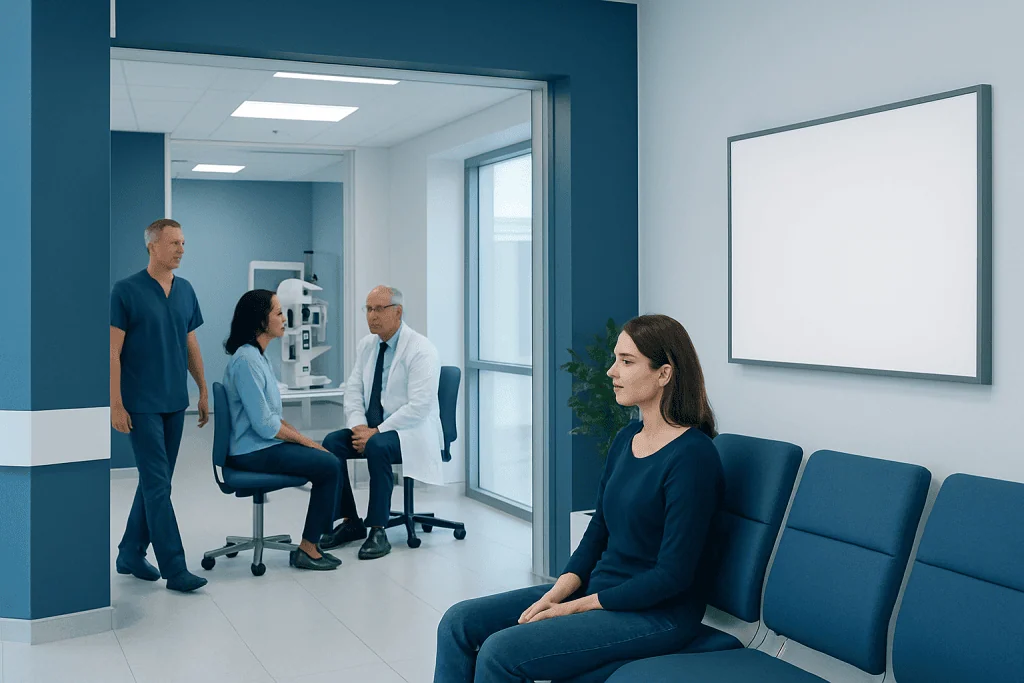
Corrective eye surgery aims to improve vision by reshaping the cornea or using lens-based techniques. LASIK, PRK, and SMILE are common options, but not everyone is a suitable candidate for every procedure.
Key Takeaways
- Corrective eye surgery aims to improve vision by reshaping the cornea or using lens-based techniques.
- LASIK, PRK, and SMILE are common options, but not everyone is a suitable candidate for every procedure.
- A detailed eye examination is essential to assess safety, suitability, and expected results.
- Dry eye, thin corneas, unstable prescriptions, and certain eye diseases may affect eligibility.
- Most people recover well, but temporary side effects such as glare, halos, or dryness can occur.
Corrective eye surgery includes procedures such as LASIK, PRK, and SMILE that can reduce dependence on glasses or contact lenses. The best option depends on a person’s prescription, corneal shape and thickness, eye surface health, age, and daily visual needs.
Overview of Corrective Eye Surgery
Corrective eye surgery, also called refractive surgery, is designed to reduce dependence on glasses or contact lenses by changing how the eye focuses light. In many people, blurred vision happens because the cornea or lens does not bend light precisely onto the retina. Surgical correction aims to improve this focusing ability so that distance, intermediate, or sometimes near vision becomes clearer.
The most widely known procedures are LASIK, PRK, and SMILE. These treatments mainly reshape the cornea using laser technology. Other options may include lens-based procedures in selected patients, especially when age-related lens changes or strong prescriptions make corneal surgery less suitable.
These procedures can treat common refractive errors such as nearsightedness, farsightedness, and astigmatism. However, they do not prevent normal age-related changes like presbyopia, and they do not treat every eye condition. A careful consultation helps clarify what surgery can and cannot achieve.
Types of Corrective Eye Surgery
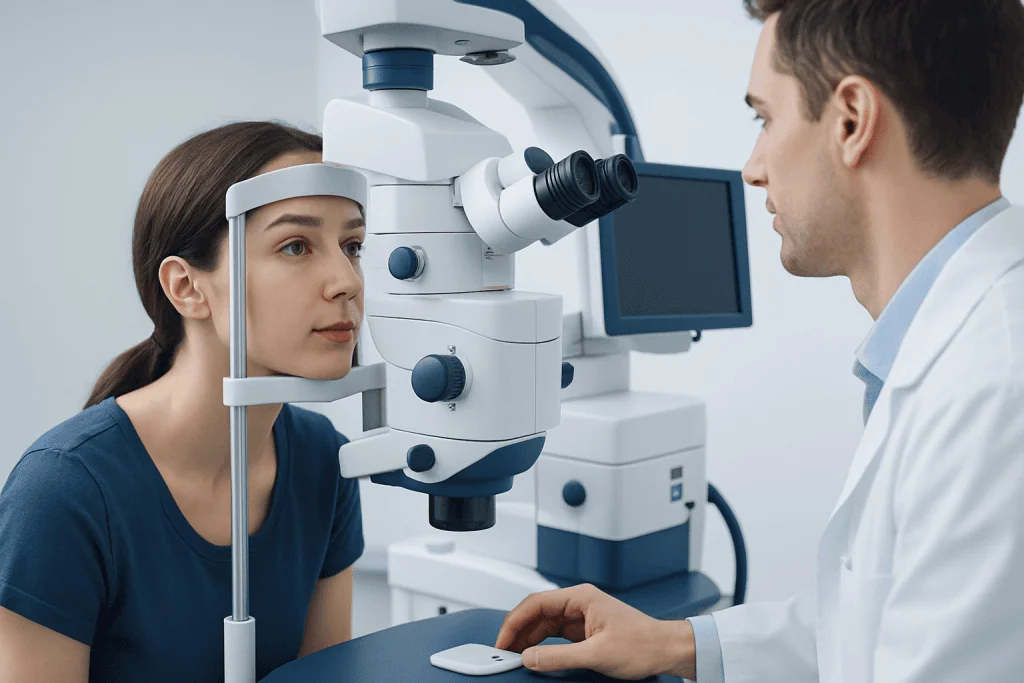
LASIK involves creating a thin flap in the cornea, reshaping the underlying tissue with an excimer laser, and then repositioning the flap. It is popular because vision often improves quickly and discomfort is usually limited. Some centers may offer flap-creation technologies such as Intralase or advanced customized approaches such as iLASIK when appropriate.
PRK removes the cornea’s thin surface layer rather than creating a flap. The laser then reshapes the cornea in a similar way to LASIK. Because there is no flap, PRK may be considered for people with thinner corneas, certain corneal surface concerns, or lifestyles where eye trauma is a consideration. More information may be part of a discussion around PRK or related surface procedures.
SMILE, or small incision lenticule extraction, uses a femtosecond laser to create and remove a small piece of corneal tissue through a tiny incision. This changes the corneal shape without a large flap. ReLEx SMILE may be an option for selected people with myopia and some degrees of astigmatism.
Not all corrective surgery is laser-based. For some patients, especially those with high refractive errors or lens changes, lens-based surgery may be discussed. If a person also has a cloudy natural lens, cataract surgery can both remove the cataract and improve focusing, depending on the lens chosen.
Who May Be a Good Candidate

A good candidate for corrective eye surgery is usually an adult with a stable prescription, healthy eyes, and realistic expectations. Stability matters because changing prescriptions can reduce the predictability of results. The eye specialist will also consider corneal thickness, corneal shape, pupil size, tear production, and the overall health of the eye surface.
People with moderate nearsightedness, farsightedness, or astigmatism may benefit from surgery, but the exact range that can be treated safely differs by procedure. A person’s job, hobbies, and sports may also influence the best choice. For example, those in contact sports or dusty environments may be guided toward one approach over another.
Some people are not ideal candidates or may need a different treatment plan. Reasons can include unstable vision, pregnancy-related vision changes, severe dry eye, certain autoimmune conditions, or corneal disorders such as keratoconus. When the cornea is irregular or weakened, doctors may discuss other pathways, including evaluation for keratoconus treatment rather than routine laser vision correction.
Symptoms and Vision Problems It Can Help Correct
Corrective eye surgery is not performed to treat pain or eye redness. Instead, it is used to improve refractive errors that cause blurred vision. These include myopia, in which distant objects appear blurry; hyperopia, in which nearby objects may be harder to see clearly; and astigmatism, which can blur vision at multiple distances.
People considering surgery often report practical difficulties such as struggling to see road signs, needing glasses for daily tasks, feeling limited during sports, or finding contact lenses uncomfortable. Some are motivated by convenience, while others want greater freedom in work or travel. The goal is typically reduced dependence on glasses or contact lenses, not necessarily perfect vision in every setting.
It is also important to understand what corrective eye surgery does not treat. It does not cure eye diseases such as glaucoma, retinal disorders, or infections like conjunctivitis. It may also not fully solve age-related near-vision changes, which often require separate discussion if reading vision is a main concern.
Evaluation and Diagnosis Before Surgery
Before recommending surgery, the ophthalmologist performs a detailed preoperative assessment. This usually includes measuring the glasses prescription, checking visual acuity, mapping the cornea, measuring corneal thickness, and assessing the tear film. The pupil size, lens clarity, eye pressure, and retina are also commonly examined.
Corneal imaging is especially important because it helps identify irregularities that may increase risk. Dry eye screening matters as well, since untreated dryness can affect comfort, healing, and visual quality after surgery. If needed, the doctor may recommend first treating eyelid or surface problems before reconsidering refractive surgery.
The consultation also focuses on expectations. Some people may still need glasses for certain tasks after surgery, especially for night driving, fine print, or reading with age. A careful discussion of benefits, limits, and possible side effects helps patients make an informed choice based on their own priorities.
Recovery, Benefits, and Possible Risks
Recovery time varies by procedure. After LASIK, many people notice better vision within a day or two. After PRK, the surface of the cornea needs time to heal, so discomfort may be greater at first and vision may improve more gradually over several days to weeks. SMILE often falls between these experiences, though individual recovery differs.
Potential benefits include reduced need for glasses or contact lenses, improved convenience, and more freedom during sports and daily activities. Many people are satisfied with the result, but outcomes depend on the original prescription, eye anatomy, healing response, and whether both eyes respond similarly.
Possible side effects and risks should be discussed openly. Temporary dryness, light sensitivity, glare, halos, fluctuating vision, and mild discomfort are relatively common early in recovery. Less commonly, a person may have undercorrection, overcorrection, infection, corneal haze, flap-related issues in LASIK, or regression over time. Although serious complications are uncommon, every surgical decision should balance expected benefit with individual risk.
Following postoperative instructions is a key part of safety. Patients are usually asked to use prescribed eye drops, avoid eye rubbing, protect the eyes from irritants, and attend scheduled follow-up visits so healing can be monitored.
Self-care, Long-term Eye Health, and When to See a Doctor
Good eye care before and after surgery supports the best possible result. Patients are often asked to stop wearing contact lenses for a period before the evaluation because lenses can temporarily alter corneal shape. After surgery, lubrication, sun protection, careful hygiene, and avoiding swimming or eye makeup for the recommended period may help recovery.
Long-term eye health remains important even if vision improves. Regular eye examinations are still needed to monitor for conditions unrelated to refractive error, such as glaucoma, retinal disease, or cataracts. Corrective surgery changes the focusing system of the eye, but it does not make a person immune to future eye problems.
A person should contact a doctor promptly if they experience worsening pain, sudden vision loss, significant redness, increasing discharge, or a clear decline in vision after initial improvement. These symptoms do not always mean a serious problem, but they need timely assessment.
For people exploring options internationally, Acibadem International’s multidisciplinary specialists and JCI-accredited hospitals diagnose and treat refractive and other eye conditions for international patients. A specialist can also help decide whether laser treatment, lens-based correction, or no surgery at all is the safest and most suitable path.
Frequently asked questions
What is the difference between LASIK, PRK, and SMILE?
LASIK creates a corneal flap before laser reshaping, while PRK treats the corneal surface without a flap. SMILE removes a small piece of corneal tissue through a tiny incision. The best choice depends on the person’s prescription, corneal features, eye surface health, and lifestyle.
Is corrective eye surgery permanent?
The corneal reshaping itself is permanent, but the eyes can still change over time. Age-related near-vision changes, cataracts, or gradual refractive shifts may affect vision later. Some people may eventually need glasses for certain tasks or consider an enhancement procedure.
How painful is corrective eye surgery?
Most people feel little to no pain during the procedure because numbing eye drops are used. After surgery, discomfort is usually mild with LASIK and SMILE, while PRK often causes more noticeable irritation for a few days. Doctors provide guidance and eye drops to help manage recovery.
How long does recovery take after laser eye surgery?
Recovery depends on the procedure and the individual. Many people return to normal daily activities quickly after LASIK, while PRK usually requires a longer healing period before vision becomes stable. Follow-up visits are important because recovery is not measured only by how the eye feels.
Can corrective eye surgery treat presbyopia?
Corrective eye surgery may help in selected cases, but presbyopia is more complex than standard distance refractive error. Some people may need different strategies, such as monovision or other approaches, depending on age and reading needs. A specialist can explain which options are realistic and safe.
Who should avoid corrective eye surgery?
People with unstable prescriptions, severe dry eye, certain corneal diseases, active eye infections, or some autoimmune conditions may not be suitable candidates. Pregnancy and breastfeeding can also temporarily affect vision and timing. A full eye examination is needed to decide whether surgery is safe.
This article is for general information only and is not a substitute for professional medical advice. Please consult a qualified doctor about your individual situation.
Eye Surgery in Turkey — costs, top hospitals & a free quote
JCI-accredited · board-certified surgeons · reply within 24h
Add us as a Preferred Source to see more of our trusted health content across Google Search, AI Overviews and Discover.

Ophthalmology
Comprehensive eye care from laser vision correction to retina, cornea and cataract surgery.
75 specialists in this unitRelated Treatments
More from the Health Library

Colored Contact Lenses: Safety Tips, Risks, and How to Choose the Right Fit

Ocular Prosthetics: What to Expect From Fitting, Appearance, and Long-Term Care

Is LASIK Worth It? Benefits, Costs, and Long-Term Results

LASIK Eye Surgery: Eligibility, Benefits, and Recovery
Eye Care for Older Adults: Common Vision Changes After 60