What Is Fertilization? How Egg and Sperm Join to Start Pregnancy

Fertilization usually takes place in the fallopian tube after ovulation. Only one sperm normally enters the egg and combines genetic material with it.
Key Takeaways
- Fertilization usually takes place in the fallopian tube after ovulation.
- Only one sperm normally enters the egg and combines genetic material with it.
- A fertilized egg becomes an embryo and travels to the uterus for implantation.
- Timing of ovulation, healthy sperm, and open fallopian tubes all support natural fertilization.
- If fertilization does not happen easily, fertility evaluation and treatments may help identify the cause.
Fertilization is the process in which a sperm cell joins with an egg cell to form the first cell of a pregnancy. It usually happens in the fallopian tube and begins a series of carefully timed steps that can lead to implantation in the uterus.
Overview: What Fertilization Means
Fertilization is the biological process in which a sperm cell from the male reproductive system joins with an egg cell from the female reproductive system. When this happens, the genetic material from both cells combines to create a single new cell called a zygote. This is the first step in the development of a pregnancy.
In natural conception, fertilization most often happens inside a fallopian tube, not in the uterus. The egg is released from the ovary during ovulation and is picked up by the nearby fallopian tube. If sperm are present in the reproductive tract around this time, one of them may reach the egg and penetrate its outer layers.
After fertilization, the new cell begins dividing as it travels toward the uterus. Several days later, it may attach to the lining of the uterus, a process called implantation. Pregnancy is established only after successful implantation, so fertilization is the beginning of pregnancy development rather than the final step.
How Egg and Sperm Meet
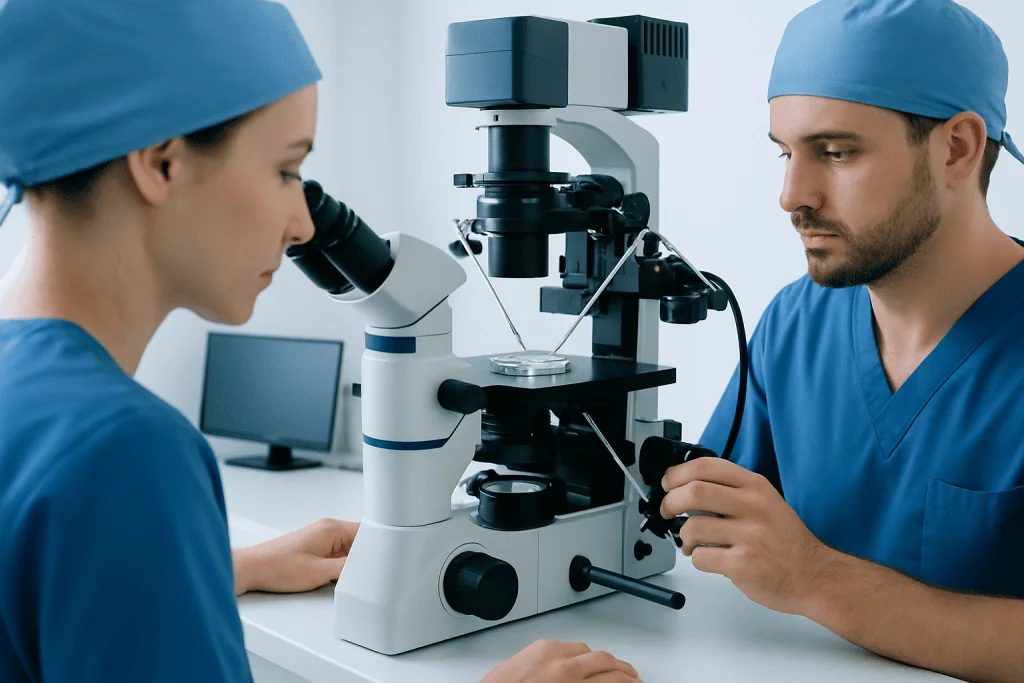
For fertilization to occur naturally, several events must happen in the right sequence. First, ovulation must release a mature egg from the ovary. Sperm must then enter the vagina, move through the cervix and uterus, and reach the fallopian tube. Although many sperm begin this journey, only a very small number reach the egg.
Sperm also go through a process called capacitation inside the female reproductive tract. This set of changes helps them gain the ability to penetrate the egg. Once they reach the egg, sperm must pass through the surrounding cells and the outer shell of the egg, called the zona pellucida.
Usually, only one sperm successfully enters the egg. As soon as this happens, the egg changes in a way that helps block other sperm from entering. The genetic material from the egg and sperm then merges, creating a full set of chromosomes. This newly formed zygote contains the genetic instructions that guide early development.
- Ovulation releases the egg.
- Sperm travel through the reproductive tract.
- One sperm enters the egg.
- The embryo begins dividing soon after fertilization.
What Happens After Fertilization
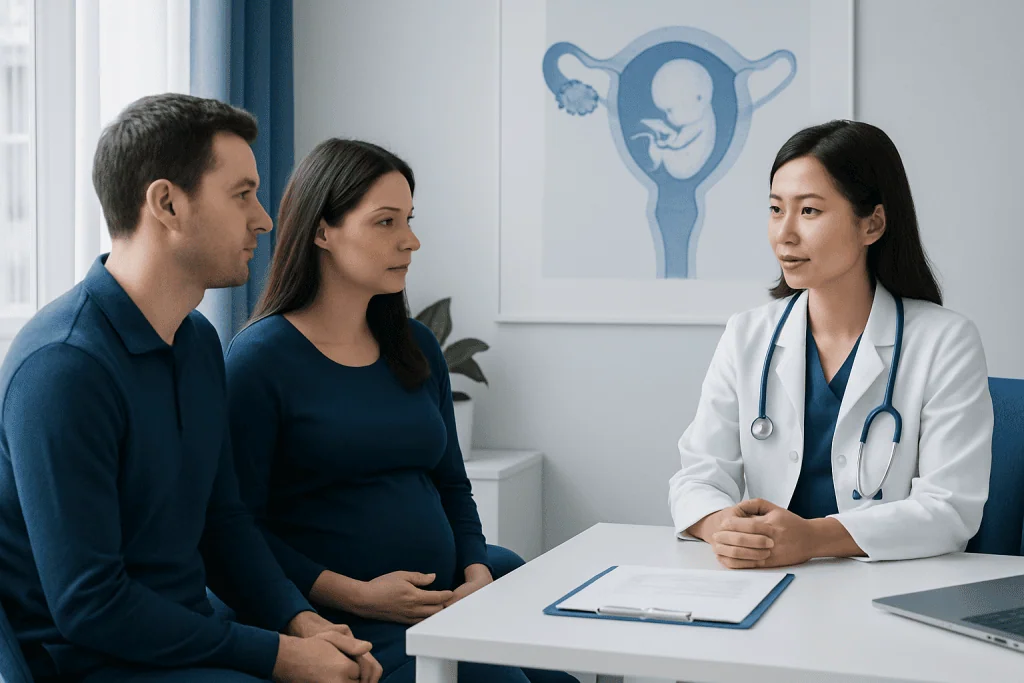
Once fertilization takes place, the zygote starts dividing into more cells. Over the next few days, it develops into a small cluster of cells while moving through the fallopian tube toward the uterus. By the time it reaches the uterus, it has usually become a blastocyst, an early-stage embryo with specialized cell groups.
The blastocyst must then implant into the uterine lining to continue developing. This usually happens about several days after fertilization. The uterine lining needs to be receptive, which depends largely on normal hormone levels, especially progesterone after ovulation.
If implantation happens successfully, the body begins producing hormones that support early pregnancy. If implantation does not occur, the embryo stops developing and menstruation eventually follows. Problems at this stage can sometimes contribute to infertility or early pregnancy loss, which is why doctors may evaluate ovulation, the uterine lining, and other factors in people who have difficulty conceiving or have recurrent pregnancy loss.
What Conditions Help or Prevent Fertilization
Natural fertilization depends on many factors working together. The egg must be released at the right time, sperm must be healthy enough to swim and penetrate the egg, the fallopian tubes must be open, and the uterus must be prepared for implantation. Even when all of these conditions are present, conception may still take time because the reproductive process is complex.
Several medical issues can make fertilization less likely. Irregular ovulation, low sperm count, poor sperm movement, blocked fallopian tubes, endometriosis, and hormone imbalances may all interfere. Conditions such as pelvic inflammatory disease can affect the fallopian tubes, while problems like premature ovarian insufficiency may reduce or stop egg release.
Age also matters. Female fertility generally declines with age because both egg number and egg quality decrease over time. Male fertility can also be affected by age, lifestyle, certain medications, smoking, excessive alcohol use, obesity, heat exposure, and underlying medical conditions. Understanding these factors can help couples make informed choices and seek care when needed.
How Doctors Evaluate Problems with Fertilization
When pregnancy does not happen after a period of regular, unprotected intercourse, a fertility evaluation may be recommended. The assessment usually looks at ovulation, ovarian reserve, the health of the uterus, the openness of the fallopian tubes, and semen quality. Doctors also review menstrual history, prior pregnancies, medical conditions, surgeries, infections, and lifestyle factors.
Common tests may include blood tests for hormones, ultrasound examinations, ovulation tracking, and semen analysis. Imaging or procedures may be used to see whether the fallopian tubes are open and whether the uterus has structural changes such as a uterine septum or polyps. The goal is to identify anything that might interfere with the meeting of egg and sperm or the early stages of embryo development.
In some cases, no clear cause is found, which is often called unexplained infertility. Even then, treatment options may still improve the chances of conception. A specialist can explain which test results are most important for a particular person or couple and what next steps are reasonable.
Treatment Options When Fertilization Does Not Happen Naturally
Treatment depends on the reason fertilization is not occurring. Some people benefit from timing intercourse around ovulation, treating hormone imbalances, improving general health, or addressing conditions that affect the reproductive organs. Others may need medication to stimulate ovulation or procedures to improve the chances that sperm and egg will meet.
One commonly used option is insemination, in which prepared sperm are placed into the uterus around the time of ovulation. This may help in selected cases such as mild male factor infertility, cervical factors, or unexplained infertility. If more support is needed, IVF treatment allows eggs and sperm to be brought together in a laboratory so fertilization can be observed outside the body.
For some couples, ICSI may be recommended. In this approach, a single sperm is injected directly into an egg, which can be useful when sperm number, movement, or shape is significantly affected, or when previous fertilization problems have occurred. Broader infertility care may also include surgery, management of underlying reproductive conditions, and personalized counseling. Near the end of the care pathway, Acibadem International’s multidisciplinary specialists in JCI-accredited hospitals diagnose and treat fertility problems for international patients when advanced evaluation or assisted reproductive techniques are needed.
Supporting Fertility: Prevention and Self-Care
Not every cause of infertility can be prevented, but healthy habits can support natural fertilization and overall reproductive health. Maintaining a balanced weight, eating a nutritious diet, exercising regularly, not smoking, limiting alcohol, and managing chronic conditions can all be helpful. It is also important to discuss medications and supplements with a doctor when trying to conceive.
Understanding the menstrual cycle may improve the timing of intercourse. Because the egg survives for a relatively short time after ovulation, the days leading up to ovulation and the day of ovulation are often the most fertile. Ovulation tracking can be done using calendar methods, ovulation predictor kits, or body signs such as changes in cervical mucus, though these tools vary in precision.
Preventing sexually transmitted infections, seeking early treatment for pelvic infections, and attending regular gynecologic care can also protect fertility. Men can support sperm health by avoiding tobacco, anabolic steroids, and excessive heat exposure, and by getting medical advice for symptoms such as testicular pain, swelling, or sexual dysfunction.
When to See a Doctor
It is reasonable to speak with a doctor if pregnancy has not happened after 12 months of regular, unprotected intercourse for women under 35, or after 6 months for women 35 and older. Earlier evaluation may be appropriate for anyone with irregular or absent periods, known reproductive conditions, previous pelvic infections, prior cancer treatment, or concerns about sperm health.
Medical advice should also be sought promptly if there is pelvic pain, unusual bleeding, a history of ectopic pregnancy, or symptoms suggesting infection. An early assessment can sometimes identify treatable issues before they affect fertility further. If pregnancy is confirmed but pain or bleeding develops, urgent medical review is important because conditions such as ectopic pregnancy need prompt care.
Fertilization is a natural process, but it depends on timing, anatomy, hormones, and cell quality all working together. When conception takes longer than expected, a calm and structured medical evaluation can clarify the situation and guide the most suitable next steps.
Frequently asked questions
Where does fertilization happen?
Fertilization usually happens in one of the fallopian tubes, not in the uterus. After the egg and sperm join, the early embryo travels to the uterus, where implantation may occur several days later.
How long does an egg live after ovulation?
An egg can usually be fertilized for only a short time after ovulation, generally around 12 to 24 hours. Sperm can survive longer in the female reproductive tract, which is why intercourse in the days before ovulation can still lead to pregnancy.
Can fertilization happen right after intercourse?
It can happen within hours, but not always immediately. Sperm need time to travel through the reproductive tract and go through changes that help them fertilize the egg.
Is fertilization the same as implantation?
No. Fertilization is when the egg and sperm join, while implantation is when the embryo attaches to the lining of the uterus. Implantation happens later and is necessary for an ongoing pregnancy.
What can stop egg and sperm from joining?
Problems with ovulation, sperm count or movement, blocked fallopian tubes, hormone imbalances, and some reproductive conditions can all interfere. Sometimes no single cause is found, and a fertility specialist may recommend testing to better understand the situation.
Can pregnancy happen if only one fallopian tube is open?
Yes, pregnancy is still possible with one open and functioning fallopian tube. The chance depends on other factors too, including ovulation, egg quality, sperm health, and the health of the uterus.
References
- World Health Organization
- American College of Obstetricians and Gynecologists
- American Society for Reproductive Medicine
- National Institute for Health and Care Excellence
- Centers for Disease Control and Prevention
This article is for general information only and is not a substitute for professional medical advice. Please consult a qualified doctor about your individual situation.
Explore treatments in Turkey — costs, top hospitals & a free quote
JCI-accredited · board-certified surgeons · reply within 24h
Add us as a Preferred Source to see more of our trusted health content across Google Search, AI Overviews and Discover.
Check your numbers in seconds
BMI, calories, due date, blood pressure and 30+ more clinical calculators — free, instant, doctor-reviewed ranges.

Related Treatments
Related Conditions
More from the Health Library



Related Specialists

Prof. Dr. Mehmet Cihat Ünlü
Gynecology & Obstetrics
Prof. Dr. Mete Güngör
Gynecology & Obstetrics
Prof. Dr. Bülent Tıraş
Gynecology & Obstetrics
Prof. Dr. Tansu Küçük
Gynecology & Obstetrics