Painful Periods and Fertility: When Symptoms May Need Medical Attention

Mild cramping is common, but severe period pain is not something a person has to simply endure. Painful periods can be linked to conditions such as endometriosis, adenomyosis, fibroids, pelvic inflammatory disease, or ovarian cysts.
Key Takeaways
- Mild cramping is common, but severe period pain is not something a person has to simply endure.
- Painful periods can be linked to conditions such as endometriosis, adenomyosis, fibroids, pelvic inflammatory disease, or ovarian cysts.
- When period pain occurs with heavy bleeding, pain during sex, bowel or bladder pain, or difficulty becoming pregnant, medical evaluation is important.
- Diagnosis may involve a pelvic exam, ultrasound, lab tests, and sometimes laparoscopy.
- Treatment depends on the cause and may include pain relief, hormonal therapy, infection treatment, or fertility-focused care.
Painful periods are common, but severe or worsening menstrual pain can sometimes point to an underlying condition that may affect fertility. Knowing which symptoms deserve medical attention can help people get answers earlier and protect reproductive health.
Overview: Are Painful Periods Related to Fertility?
Painful periods, also called dysmenorrhea, are very common during the reproductive years. Many people experience cramping, lower back pain, fatigue, or mild digestive upset around menstruation. In many cases, this discomfort is caused by natural hormone-like substances called prostaglandins, which trigger the uterus to contract.
However, painful periods and fertility can sometimes be connected. When menstrual pain is severe, starts to interfere with daily life, becomes worse over time, or appears alongside other pelvic symptoms, it may be a sign of an underlying gynecologic condition. Some of these conditions can make it harder to become pregnant or can affect reproductive health if left untreated.
It is also important to remember that the intensity of pain does not always match the seriousness of the condition. Some people with significant reproductive disorders have only moderate symptoms, while others have severe pain without major fertility problems. For that reason, recurring menstrual pain that feels unusual, disruptive, or different from a person’s normal pattern deserves proper medical attention.
Symptoms That May Need Medical Attention
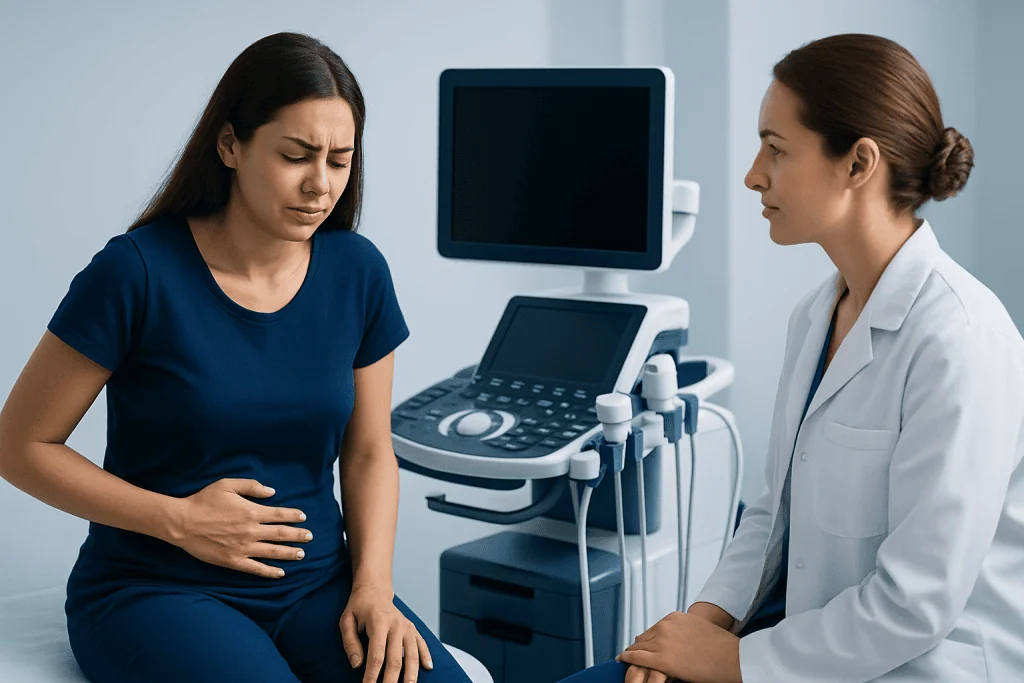
Period pain is more likely to need medical evaluation when it is strong enough to disrupt work, school, sleep, exercise, or daily responsibilities. Pain that does not improve with standard self-care, or that suddenly becomes more intense than usual, is another reason to seek advice. A doctor may look more closely when symptoms suggest something beyond routine menstrual cramping.
Symptoms that may be especially important include pelvic pain that begins before bleeding starts and continues after the period ends, pain during sexual intercourse, pain with bowel movements or urination during menstruation, and ongoing pelvic discomfort between periods. These patterns can sometimes occur with endometriosis, adenomyosis, infection, or cysts.
Other warning signs include changes in bleeding patterns, especially very heavy bleeding, prolonged periods, irregular cycles, or bleeding between periods. Heavy menstrual bleeding may occur with conditions such as menorrhagia, fibroids, or hormonal problems. If painful periods are also accompanied by trouble becoming pregnant after regular unprotected intercourse, a fertility-focused assessment may be appropriate.
- Severe cramps that interfere with daily life
- Pain that worsens over time
- Heavy or irregular bleeding
- Pain during sex
- Pain with urination or bowel movements during periods
- Pelvic pain between periods
- Difficulty conceiving
Possible Causes and Risk Factors
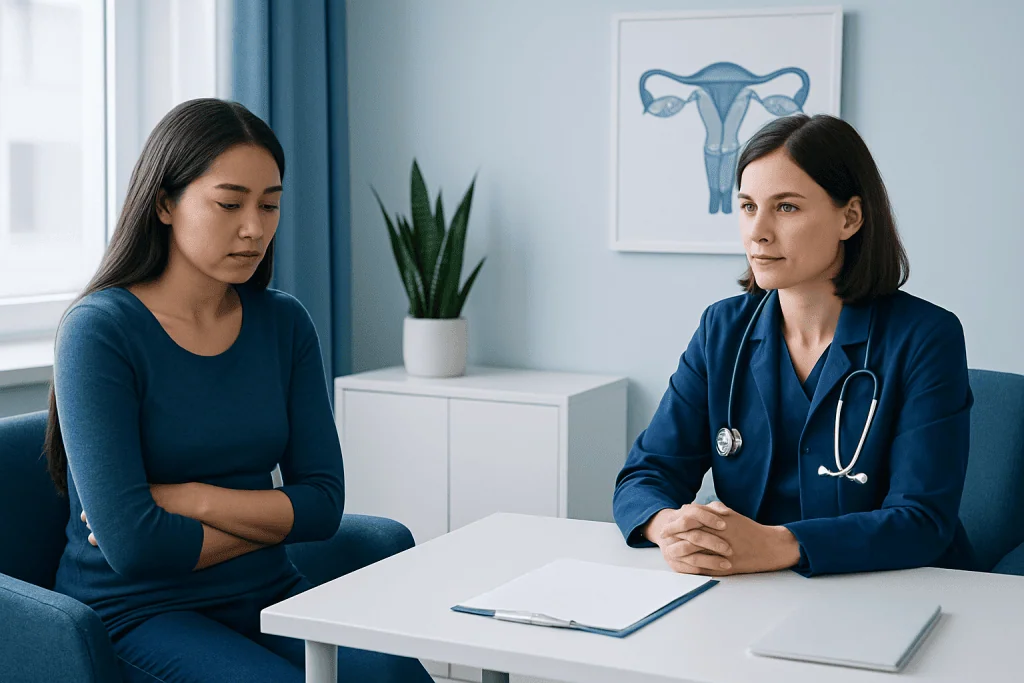
Primary dysmenorrhea refers to common menstrual cramps without another underlying pelvic disease. Secondary dysmenorrhea means there is an identifiable cause for the pain. The causes of secondary dysmenorrhea are especially important when discussing fertility, because several may affect the ovaries, fallopian tubes, uterus, or surrounding tissues.
Endometriosis is one of the best-known examples. In this condition, tissue similar to the lining of the uterus grows outside the uterus, often causing painful periods, pain during sex, and sometimes infertility. Another possible cause is adenomyosis, in which endometrial-like tissue grows into the muscular wall of the uterus, often leading to heavy bleeding and deep, cramping pain.
Other possible causes include pelvic inflammatory disease, which may result from infection and can scar the fallopian tubes; ovarian cysts, which can cause pelvic pressure or pain; uterine fibroids; congenital uterine differences such as a uterine septum; and hormonal disorders, including polycystic ovary syndrome. Risk factors vary depending on the condition but may include a family history of endometriosis, early onset of periods, a history of sexually transmitted infection, irregular ovulation, or previous pelvic surgery.
How Doctors Evaluate Painful Periods and Fertility
Medical evaluation usually starts with a detailed discussion of symptoms. A doctor may ask when the pain began, whether it has changed over time, how heavy the bleeding is, whether there is pain during sex or bowel movements, and how long a person has been trying to conceive if fertility is a concern. Keeping a symptom diary can be helpful, especially when symptoms vary throughout the menstrual cycle.
A pelvic examination may be recommended depending on age, symptoms, and sexual history. Imaging, especially pelvic ultrasound, is commonly used to look for ovarian cysts, fibroids, adenomyosis, or other structural changes. Blood tests may also be used in some cases to assess anemia from heavy bleeding, rule out infection, or evaluate hormone-related issues.
When fertility concerns are present, the workup may expand to include ovulation assessment, ovarian reserve testing, semen analysis for the partner, and imaging of the fallopian tubes and uterus. In selected cases, laparoscopy may be considered to diagnose or treat endometriosis and other pelvic conditions that do not always appear clearly on imaging. A careful assessment of the reproductive system helps guide the most appropriate treatment plan.
Treatment Options and Fertility Planning
Treatment depends on the cause, the severity of symptoms, age, pregnancy goals, and overall health. For primary dysmenorrhea, doctors often recommend nonsteroidal anti-inflammatory drugs and sometimes hormonal contraception to reduce cramping and bleeding. Heat therapy, regular physical activity, and sleep support can also help some people manage symptoms more effectively.
When an underlying condition is found, treatment is more targeted. Hormonal therapies may be used for endometriosis or adenomyosis, antibiotics are used for pelvic infections, and certain cysts or structural problems may need monitoring or surgery. If preserving or improving fertility is a priority, treatment decisions are often individualized to balance symptom relief with reproductive goals.
For people who are struggling to conceive, the next step may include assessment and treatment for female infertility. Depending on the diagnosis, care may involve ovulation support, minimally invasive surgery, or assisted reproductive options such as IVF treatment. A fertility specialist can help explain whether controlling pelvic pain first, treating the underlying cause, or moving toward assisted conception offers the best chance for a healthy pregnancy.
Self-Care, Prevention, and Tracking Symptoms
Not all causes of painful periods can be prevented, but good menstrual and reproductive health habits can still make a difference. Seeking care early when symptoms are changing may help identify conditions before they become more disruptive. Prompt treatment of sexually transmitted infections and pelvic infections can also reduce the risk of scarring that may affect fertility.
Useful self-care steps include using a heating pad, staying physically active when possible, getting enough rest, eating regular balanced meals, and taking doctor-approved pain relief correctly and early in the cycle if advised. Some people also find that stress management supports overall symptom control, even though it does not treat the underlying medical cause.
One of the most practical tools is cycle tracking. Recording the timing of pain, bleeding intensity, pain during sex, bowel or bladder symptoms, and any missed periods can give doctors a clearer picture. This information can be especially valuable if there is concern about ovulation, irregular cycles, or conditions such as amenorrhea that may signal hormonal or reproductive issues.
When to See a Doctor
A person should consider medical care if period pain is severe, new, or progressively worsening, especially if it limits normal life. Medical advice is also important if menstrual symptoms are associated with heavy bleeding, faintness, fever, unusual discharge, or pelvic pain outside of menstruation. These features can suggest a condition that deserves timely diagnosis.
Fertility-related evaluation is worth considering if pregnancy has not occurred after a reasonable period of regular unprotected intercourse, or sooner if there are known menstrual problems, severe pelvic pain, irregular cycles, or a history of pelvic infection. Early evaluation does not always mean complex treatment is needed. In many cases, it simply helps clarify the cause and guide the most effective next step.
Near the end of the care pathway, some patients may benefit from a coordinated team that includes gynecology, reproductive endocrinology, imaging, and minimally invasive surgery specialists. Acibadem International’s multidisciplinary specialists and JCI-accredited hospitals diagnose and treat painful periods, underlying pelvic conditions, and fertility concerns for international patients. The most important first step, however, is not to ignore persistent symptoms and to speak with a qualified doctor.
Frequently asked questions
Can painful periods cause infertility?
Painful periods themselves do not always cause infertility. However, severe period pain can sometimes be a symptom of conditions such as endometriosis, adenomyosis, pelvic inflammatory disease, or ovarian cysts, which may affect fertility. That is why persistent or unusual menstrual pain should be assessed by a doctor.
How can someone tell if period pain is normal or not?
Mild to moderate cramps that improve with rest, heat, or common pain relief are often considered typical. Pain may need medical attention if it is severe, worsening, associated with heavy bleeding, pain during sex, bowel or bladder pain, or if it prevents normal daily activities.
Is endometriosis the main reason painful periods affect fertility?
Endometriosis is a common and important cause, but it is not the only one. Adenomyosis, pelvic inflammatory disease, uterine abnormalities, fibroids, and ovarian disorders can also contribute to both menstrual pain and difficulty conceiving.
What tests are used when painful periods and fertility problems happen together?
Doctors often begin with a medical history, symptom review, and pelvic ultrasound. Depending on the situation, further tests may include hormone evaluation, ovulation assessment, semen analysis for the partner, and imaging of the uterus and fallopian tubes. In some cases, laparoscopy may be needed to diagnose conditions such as endometriosis.
Can treating painful periods improve the chance of pregnancy?
It can, especially when treatment addresses the underlying cause rather than only reducing pain. For example, treating infection, managing ovulation problems, or addressing endometriosis or structural issues may improve reproductive outcomes. The best approach depends on the diagnosis and a person’s pregnancy goals.
Should someone seek help even if they are not trying to get pregnant right now?
Yes. Severe or changing menstrual pain deserves attention even when pregnancy is not an immediate goal. Early diagnosis may help prevent complications, reduce symptoms, and preserve future reproductive options.
References
- World Health Organization
- American College of Obstetricians and Gynecologists
- National Institute for Health and Care Excellence
- European Society of Human Reproduction and Embryology
- Centers for Disease Control and Prevention
This article is for general information only and is not a substitute for professional medical advice. Please consult a qualified doctor about your individual situation.
Joint and spine care in Turkey — expert assessment & treatment
JCI-accredited · board-certified surgeons · reply within 24h
Add us as a Preferred Source to see more of our trusted health content across Google Search, AI Overviews and Discover.
Check your numbers in seconds
BMI, calories, due date, blood pressure and 30+ more clinical calculators — free, instant, doctor-reviewed ranges.

Related Treatments
Related Conditions
More from the Health Library



Related Specialists

Prof. Dr. Mehmet Cihat Ünlü
Gynecology & Obstetrics
Prof. Dr. Mete Güngör
Gynecology & Obstetrics
Prof. Dr. Bülent Tıraş
Gynecology & Obstetrics
Prof. Dr. Tansu Küçük
Gynecology & Obstetrics