Can You Get Pregnant Naturally With PCOS?
PCOS does not mean pregnancy is impossible; many people conceive naturally. The main fertility challenge in PCOS is irregular or absent ovulation.
Key Takeaways
- PCOS does not mean pregnancy is impossible; many people conceive naturally.
- The main fertility challenge in PCOS is irregular or absent ovulation.
- Weight management, balanced nutrition, exercise, and medical treatment can improve ovulation.
- A fertility evaluation is helpful if periods are very irregular or pregnancy does not happen after several months of trying.
- Timely treatment can also help reduce pregnancy-related risks linked with PCOS.
Many people with PCOS can get pregnant naturally, but irregular ovulation may make timing and conception more difficult. Early assessment, lifestyle support, and fertility treatment when needed can improve the chances of pregnancy.
Overview: Pregnancy and PCOS
Polycystic ovary syndrome, often called PCOS, is a common hormone-related condition that can affect ovulation, menstrual cycles, and fertility. Many people wonder whether they can become pregnant naturally with PCOS. The reassuring answer is yes: natural pregnancy is possible for many, although it may take longer and sometimes requires medical guidance.
The main reason PCOS can make conception more challenging is that it often disrupts regular ovulation. If an egg is not released each month, pregnancy becomes harder to achieve because there are fewer fertile windows. Some people with PCOS ovulate occasionally, some ovulate unpredictably, and some do not ovulate regularly at all.
PCOS affects each person differently. One person may have mild symptoms and conceive without treatment, while another may need support with cycle regulation or ovulation induction. Understanding the individual pattern of symptoms, menstrual cycles, and overall health is an important first step.
How PCOS Affects Fertility
PCOS is linked with hormonal imbalance, especially involving insulin and androgen levels. These changes can interfere with the normal growth and release of eggs from the ovaries. As a result, ovulation may be delayed, infrequent, or absent, which lowers the chance of conception in any given month.
Irregular periods are often an important clue. Menstrual cycles that are very long, unpredictable, or missing may suggest that ovulation is not happening regularly. Some people may also notice acne, excess facial or body hair, scalp hair thinning, or weight changes, though fertility problems can occur even when these symptoms are mild.
PCOS can be associated with other reproductive issues too, although these are not present in everyone. For example, conditions such as amenorrhea may reflect absent periods, while ovarian cysts can be confused with the multiple small follicles seen in PCOS. A full assessment helps clarify what is contributing to fertility difficulty.
It is also important to remember that infertility is not always due to PCOS alone. Male-factor fertility problems, thyroid disease, blocked fallopian tubes, endometriosis, and uterine conditions may also play a role. That is why a couple-based fertility evaluation is often more useful than focusing on one diagnosis in isolation.
Signs That Natural Pregnancy May Still Be Possible
Many people with PCOS still ovulate from time to time, even if cycles are irregular. When ovulation occurs, natural conception can happen. Signs that ovulation may still be taking place include occasional predictable periods, cervical mucus changes, and positive ovulation tests, though these signs are not always reliable in PCOS.
If periods come every 21 to 35 days, ovulation may still be happening relatively regularly, even if cycles are not perfectly consistent. However, some people with much longer cycles can also conceive naturally because ovulation may occur later than expected. Tracking cycles over time can help identify patterns.
Age also matters. Fertility naturally declines with age, regardless of PCOS. A younger person with occasional ovulation may still have a good chance of natural conception, while someone older may benefit from earlier fertility assessment to avoid losing time.
Overall health can influence the chances of pregnancy as well. Blood sugar regulation, body weight, sleep quality, and physical activity all affect hormones and ovulation. Small improvements in these areas may increase the likelihood of natural conception for some people with PCOS.
Improving the Chances of Getting Pregnant Naturally
Lifestyle measures are often an important part of PCOS fertility care. For people who are overweight, even modest weight loss may help restore more regular ovulation. The goal is not rapid dieting but gradual, sustainable changes that support hormone balance, insulin sensitivity, and overall reproductive health.
A balanced eating pattern with adequate protein, high-fiber foods, vegetables, fruits, and minimally processed carbohydrates may help support blood sugar control. Regular exercise can also improve insulin resistance and support ovulation. Better sleep and stress management may be helpful, since ongoing stress and sleep disruption can affect hormonal function.
Timing intercourse around ovulation can improve the chance of natural pregnancy, but ovulation may be difficult to predict in PCOS. Some people use cycle tracking, ovulation predictor kits, or basal body temperature charts. Because hormone patterns in PCOS can be irregular, these methods may not always be accurate, so discussing them with a clinician can be useful.
A doctor may also look for other treatable factors, such as thyroid problems, high prolactin levels, or uterine abnormalities like uterine septum. When fertility problems continue, a structured plan for female infertility care can help identify the best next steps.
Diagnosis and Fertility Evaluation
PCOS is usually diagnosed using a combination of medical history, symptoms, physical examination, blood tests, and ultrasound findings. Doctors commonly consider menstrual irregularity, signs of excess androgens, and the appearance of the ovaries on ultrasound. Not everyone needs every test, and diagnosis should always be individualized.
When pregnancy is the goal, evaluation goes beyond confirming PCOS. A fertility workup may include ovulation assessment, hormone testing, a semen analysis for the partner, and checks to confirm that the uterus and fallopian tubes are healthy. This matters because more than one factor can affect fertility at the same time.
If there is pelvic pain, infection history, or previous surgery, doctors may also investigate conditions such as pelvic inflammatory disease, which can affect the tubes and make natural conception harder. A careful evaluation helps avoid delays and guides treatment choices more efficiently.
Assessment is especially important when periods are absent for long stretches, when there has been repeated difficulty conceiving, or when there are signs of other hormone conditions. Early evaluation can also support long-term health, because PCOS may be linked with insulin resistance, high cholesterol, and a higher risk of pregnancy complications in some people.
Treatment Options if Natural Conception Does Not Happen
If natural conception does not occur, treatment often begins with ovulation induction. These medicines aim to help the ovary release an egg more predictably. Doctors choose treatment based on age, weight, medical history, hormone profile, and how long the person has been trying to conceive. Monitoring may be used to reduce risks and improve timing.
Some people may benefit from medications that improve insulin sensitivity, especially when insulin resistance is present. Others may move on to fertility procedures if ovulation medicines alone are not enough. Depending on the situation, doctors may recommend insemination or more advanced approaches such as IVF treatment or ICSI.
Treatment decisions should be personalized. For example, if there are additional fertility factors such as male-factor infertility, blocked tubes, or advancing maternal age, assisted reproductive techniques may be considered sooner. The most effective plan is the one that addresses the whole fertility picture, not PCOS alone.
Near the end of the care pathway, specialist support can be valuable for people who have not conceived with simpler measures. Acibadem International’s multidisciplinary specialists in JCI-accredited hospitals diagnose and treat PCOS-related fertility problems for international patients, including broader infertility treatment when needed.
Pregnancy Considerations and When to See a Doctor
People with PCOS who become pregnant may need a little closer follow-up because the condition can be linked with a higher chance of certain pregnancy complications, such as high blood pressure, gestational diabetes, or early pregnancy loss. This does not mean complications will happen, only that early prenatal care is especially important.
Once pregnancy is confirmed, regular check-ups can help monitor blood pressure, blood sugar, and fetal growth. A doctor may also review medications before and during pregnancy to be sure they are appropriate. Prompt medical advice is important if there is severe pain, heavy bleeding, or symptoms that could suggest urgent problems such as ectopic pregnancy.
A person with PCOS should consider seeing a doctor sooner rather than later if periods are very irregular, if there is no period for several months, or if pregnancy has not occurred after a reasonable time of trying. In general, evaluation is often advised after 12 months of trying if under 35, and after 6 months if 35 or older. Earlier review may be appropriate when cycles are absent or highly irregular.
Seeking help is not a sign that natural pregnancy is impossible. In many cases, the right support simply improves the timing of ovulation, identifies other barriers, and increases the chance of a healthy pregnancy.
Frequently asked questions
Can someone with PCOS get pregnant without fertility treatment?
Yes, many people with PCOS can become pregnant naturally. The main issue is that ovulation may be irregular, so conception can take longer. If ovulation still occurs, natural pregnancy remains possible.
Why does PCOS make it harder to conceive?
PCOS often affects the hormones that control egg development and release. This can lead to infrequent or absent ovulation, which means there are fewer opportunities for pregnancy. Some people with PCOS also have insulin resistance, which can further disrupt hormone balance.
Do irregular periods always mean infertility in PCOS?
No, irregular periods do not always mean infertility. They often suggest irregular ovulation, but many people with irregular cycles still ovulate sometimes and can conceive. A doctor can help determine whether ovulation is happening and how often.
Can losing weight help fertility in PCOS?
For some people with PCOS who are overweight, modest weight loss may improve ovulation and menstrual regularity. The goal should be gradual, sustainable changes rather than restrictive dieting. Weight is only one factor, and fertility support may still be useful regardless of body size.
When should a person with PCOS see a fertility specialist?
It is wise to seek medical advice early if periods are very irregular, absent, or unpredictable. In general, fertility evaluation is often recommended after 12 months of trying if under age 35, or after 6 months if age 35 or older. Earlier assessment may help if there are other known fertility concerns.
What treatments are used if pregnancy does not happen naturally with PCOS?
Treatment often starts with lifestyle support and medicines to help trigger ovulation. If needed, doctors may recommend procedures such as insemination or IVF, depending on age and other fertility factors. The best approach depends on the individual medical picture.
References
- World Health Organization
- American College of Obstetricians and Gynecologists
- American Society for Reproductive Medicine
- National Institute for Health and Care Excellence
- Centers for Disease Control and Prevention
This article is for general information only and is not a substitute for professional medical advice. Please consult a qualified doctor about your individual situation.
IVF & fertility treatment in Turkey — success rates and costs
JCI-accredited · board-certified surgeons · reply within 24h
Add us as a Preferred Source to see more of our trusted health content across Google Search, AI Overviews and Discover.
Check your numbers in seconds
BMI, calories, due date, blood pressure and 30+ more clinical calculators — free, instant, doctor-reviewed ranges.

Related Treatments
Related Conditions
More from the Health Library



Related Specialists
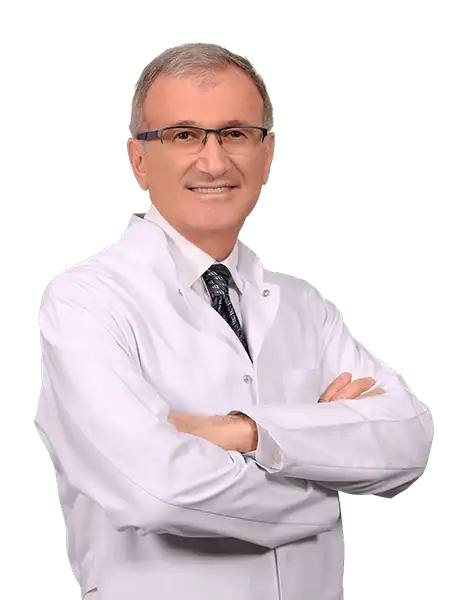
Prof. Dr. Mehmet Cihat Ünlü
Gynecology & Obstetrics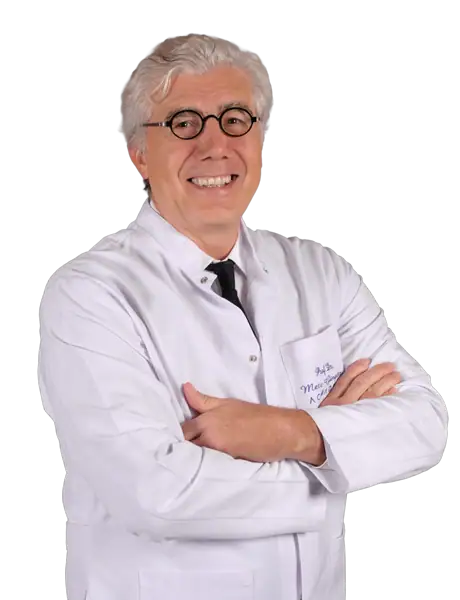
Prof. Dr. Mete Güngör
Gynecology & Obstetrics
Prof. Dr. Bülent Tıraş
Gynecology & Obstetrics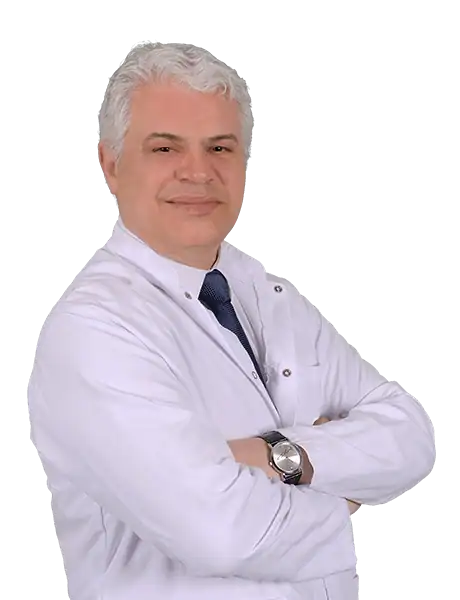
Prof. Dr. Tansu Küçük
Gynecology & Obstetrics