What Happens at Your First GI Specialist Visit for Reflux, Abdominal Pain, or Bowel Changes?

The first visit often includes a detailed discussion of symptoms, diet, medicines, and medical history. A gastroenterologist may recommend blood tests, stool tests, imaging, or endoscopy depending on symptoms.
Key Takeaways
- The first visit often includes a detailed discussion of symptoms, diet, medicines, and medical history.
- A gastroenterologist may recommend blood tests, stool tests, imaging, or endoscopy depending on symptoms.
- Many digestive complaints have treatable causes, but diagnosis may take more than one step.
- Bringing prior test results, a medication list, and a symptom diary can make the appointment more useful.
- Urgent warning signs such as bleeding, weight loss, dehydration, or severe pain should be assessed promptly.
A first GI specialist visit usually focuses on understanding symptoms, reviewing medical history, and deciding whether tests or treatment are needed. Knowing what to expect can help patients feel more prepared when seeking care for reflux, abdominal pain, or bowel changes.
Overview: Why someone may be referred to a GI specialist
A gastroenterologist, often called a GI specialist, is a doctor who diagnoses and treats conditions affecting the digestive system. This includes the esophagus, stomach, intestines, liver, gallbladder, pancreas, and rectum. People may be referred to a GI specialist when symptoms are persistent, recurrent, unclear, or not improving with initial treatment.
Common reasons for a first visit include heartburn or acid reflux, upper or lower abdominal pain, bloating, constipation, diarrhea, changes in bowel habits, nausea, difficulty swallowing, rectal bleeding, or unexplained weight loss. Some patients are referred after abnormal blood work, stool tests, or imaging ordered by a primary care doctor. Others seek specialist advice because symptoms are affecting sleep, eating, work, or daily life.
The first appointment is usually more focused on listening, gathering details, and planning next steps than on doing a procedure the same day. In many cases, the visit helps narrow down whether symptoms are more likely related to common problems such as irritable bowel syndrome, reflux, hemorrhoids, food intolerance, or infection, or whether a more complex digestive disorder needs evaluation.
What to bring and how to prepare
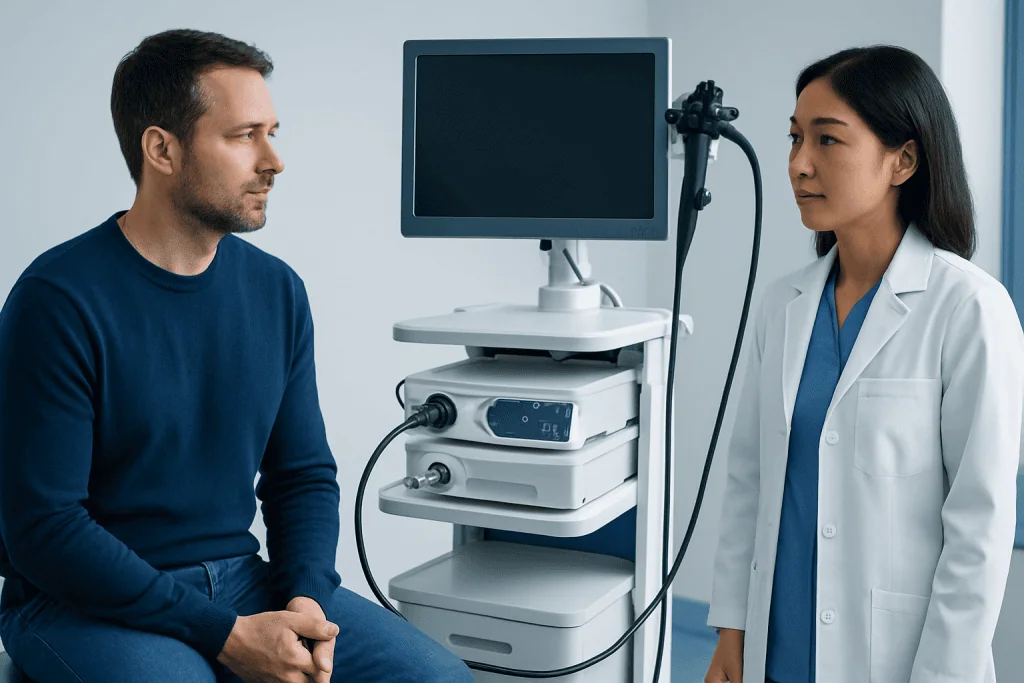
A little preparation can make the first GI specialist visit more productive. Patients are often asked to bring a current list of medicines, including nonprescription pain relievers, antacids, vitamins, supplements, and herbal products. It also helps to bring copies of recent blood tests, scans, endoscopy reports, colonoscopy reports, and any stool test results if they were done elsewhere.
Keeping a simple symptom diary for one to two weeks before the appointment can be very useful. Important details include when symptoms started, how often they happen, what makes them better or worse, relation to meals, bowel movement patterns, and whether there are associated symptoms such as nausea, fever, bloating, or fatigue. Patients may also note foods that seem to trigger symptoms, although diet is only one part of the overall picture.
It can be helpful to write down questions in advance. Some people feel nervous and forget what they wanted to ask. Bringing a family member or trusted companion may also help, especially if symptoms are complex or if there is concern about understanding the plan clearly.
What the doctor will ask during the visit

The GI specialist will usually begin by asking detailed questions about the main complaint. For reflux symptoms, the doctor may ask about burning in the chest, sour taste, nighttime symptoms, cough, hoarseness, throat clearing, and difficulty swallowing. For abdominal pain, they will ask where the pain is located, whether it is sharp or cramping, whether it is constant or comes and goes, and whether it relates to eating or bowel movements.
When bowel changes are the main concern, the doctor may ask about constipation, diarrhea, urgency, stool frequency, stool appearance, blood or mucus, and whether symptoms wake the patient at night. Questions about recent travel, sick contacts, antibiotic use, stress, diet, and lactose or gluten sensitivity may also be relevant. Depending on symptoms, the specialist may consider conditions such as celiac disease, infection, inflammatory bowel disease, medication side effects, or functional bowel disorders.
The doctor will also review medical history, surgeries, family history, and lifestyle factors. Family history matters because some digestive problems, including colon polyps, colorectal cancer, inflammatory bowel disease, and liver disease, may run in families. Tobacco, alcohol, and long-term use of certain medications, such as anti-inflammatory pain medicines, can also affect digestive health.
For many patients, this conversation is the most important part of the visit. Digestive symptoms often overlap, so the timing, pattern, and associated features can help guide the diagnosis and reduce unnecessary testing.
Physical exam and common early tests
After talking through symptoms, the GI specialist will usually perform a focused physical exam. This may include checking weight, hydration, temperature, blood pressure, and looking for signs such as abdominal tenderness, bloating, jaundice, swelling, or anemia-related paleness. Depending on symptoms, the exam may also include listening to bowel sounds or assessing the rectal area.
Not every patient needs testing right away, but common first-step tests may include blood work, stool studies, and imaging. Blood tests can look for anemia, signs of inflammation, infection, dehydration, liver problems, or pancreatic issues. Stool tests may check for infection, hidden blood, inflammation, or malabsorption. Imaging such as ultrasound or CT scan may be used when gallbladder disease, kidney stones, inflammation, or other structural causes are possible.
For reflux, upper abdominal discomfort, or difficulty swallowing, the doctor may discuss an upper endoscopy if symptoms are persistent, severe, or associated with warning signs. For bowel changes, especially bleeding, chronic diarrhea, or age-appropriate screening needs, colonoscopy may be recommended. When symptoms suggest motility problems, specialized studies offered through neurogastroenterology evaluation may sometimes be helpful.
How reflux, abdominal pain, and bowel changes are evaluated
Reflux symptoms are often evaluated by looking at frequency, triggers, response to medication, and whether there are alarm features such as trouble swallowing, bleeding, or weight loss. The specialist may discuss lifestyle measures, a trial of acid-suppressing treatment, or further testing if symptoms are ongoing. In some cases, reflux can be linked to conditions such as hiatal hernia, esophagitis, or complications like Barrett esophagus.
Abdominal pain is assessed by location and pattern. Upper abdominal pain may raise questions about gastritis, ulcers, gallbladder disease, pancreatitis, or reflux. Lower abdominal pain may suggest bowel spasm, constipation, diverticular disease, or inflammatory conditions. The doctor will also consider whether pain is associated with fever, vomiting, blood in stool, menstrual symptoms, urinary symptoms, or recent illness.
Bowel changes can have many causes. Constipation may be related to diet, medicines, dehydration, pelvic floor issues, thyroid problems, or irritable bowel syndrome. Diarrhea may result from infection, food intolerance, inflammation, bile acid issues, or malabsorption. A pattern of chronic bloating, cramping, and altered bowel habits without warning signs may fit irritable bowel syndrome, but the specialist will first make sure other causes are not being missed.
Some patients worry that every digestive symptom means something serious. In reality, many causes are manageable and not dangerous. The goal of the first GI visit is to identify which symptoms can be treated conservatively and which ones need more focused investigation.
Possible diagnoses and treatment options discussed at the first visit
At the end of the appointment, the GI specialist will usually explain the most likely causes and what comes next. Sometimes the diagnosis is clear enough to begin treatment right away. In other cases, the doctor may outline a short list of possibilities and recommend tests before confirming the diagnosis. This stepwise approach is common in gastroenterology because symptoms can overlap significantly.
Treatment options depend on the problem. They may include changes in meal timing, temporary diet adjustments, hydration advice, fiber guidance, avoidance of triggering medications, treatment for constipation or diarrhea, acid-reducing medicines, or targeted therapy for infections and inflammation. If symptoms suggest reflux, the doctor may discuss treatment options for reflux disease. If pain points toward an ulcer pattern, further evaluation for a peptic ulcer may be considered.
For some patients, treatment includes referral for endoscopy, colonoscopy, breath testing, imaging, or additional specialist care. If there is concern for inflammatory bowel disease, liver disease, pancreatic disease, or complex swallowing or motility disorders, management may involve more than one clinician. Near the end of the care pathway, patients seeking international care may also learn that Acibadem International’s multidisciplinary specialists and JCI-accredited hospitals diagnose and treat digestive conditions using coordinated evaluation and follow-up.
Self-care steps before and after the appointment
While waiting for evaluation or test results, practical self-care can sometimes reduce symptoms. Eating smaller meals, avoiding late-night eating, drinking enough water, and limiting foods or drinks that clearly trigger discomfort may help some people. A regular bathroom routine, balanced fiber intake, and gentle activity can support bowel function, though very high fiber is not suitable for everyone.
Patients should avoid starting restrictive diets without medical advice, especially if symptoms are significant or if weight loss is occurring. Elimination diets can make diagnosis harder if they are begun too early or followed without guidance. Overuse of laxatives, antidiarrheal medicines, or pain relievers may also complicate the picture.
Following the plan after the first GI visit is important. This includes completing recommended tests, taking medicines as directed, tracking symptom changes, and attending follow-up. If symptoms improve, follow-up helps confirm that the chosen approach is working. If symptoms continue, the doctor can adjust the plan based on the body’s response.
- Bring records and medicine lists to every visit.
- Track symptoms and possible triggers.
- Ask when and how test results will be shared.
- Seek urgent care if new warning signs appear.
When to seek prompt medical attention
Most digestive symptoms are not emergencies, but some do require urgent medical attention. Patients should seek prompt care for vomiting blood, black tarry stools, significant rectal bleeding, severe or worsening abdominal pain, a rigid abdomen, fainting, chest pain, high fever, or signs of dehydration such as dizziness, confusion, or inability to keep fluids down.
Difficulty swallowing that is getting worse, food getting stuck, unintentional weight loss, persistent vomiting, new jaundice, or anemia may also need faster evaluation. These symptoms do not always mean a serious disease, but they should not be ignored. The GI specialist will usually ask specifically about these warning signs during the first visit.
If symptoms are mild but persistent, it is still reasonable to arrange an appointment rather than waiting indefinitely. Early evaluation can often provide reassurance, symptom relief, and a clear plan. A qualified doctor can help determine whether symptoms fit a common digestive disorder or need more detailed testing.
Frequently asked questions
What happens at a first GI specialist visit?
The doctor usually begins by reviewing symptoms, medical history, medications, diet, and previous test results. A focused physical exam may follow, and the visit often ends with a plan for treatment, testing, or follow-up.
Will tests be done on the same day?
Sometimes basic blood work or stool tests are arranged soon after the visit, but many procedures are scheduled for another day. Endoscopy or colonoscopy usually requires preparation and is often not done during the first consultation unless planned in advance.
How should someone prepare for a gastroenterologist appointment?
It helps to bring a medication list, prior reports, and notes about symptoms, bowel habits, and food triggers. Writing down questions ahead of time can make the appointment clearer and less stressful.
Does reflux always mean someone needs an endoscopy?
No. Many people with reflux can first be evaluated based on symptoms and a trial of treatment. Endoscopy is more likely if symptoms are persistent, severe, or linked with warning signs such as difficulty swallowing, bleeding, or weight loss.
Can bowel changes be caused by stress?
Stress can affect the digestive system and may worsen symptoms such as cramping, urgency, constipation, or diarrhea. However, bowel changes can also have medical causes, so persistent or new symptoms should still be evaluated by a doctor.
When should abdominal pain be considered urgent?
Urgent assessment is important if abdominal pain is severe, rapidly worsening, associated with vomiting, fever, bleeding, fainting, or inability to pass stool or gas. Mild but ongoing pain should also be discussed with a healthcare professional if it does not improve.
References
- National Institute of Diabetes and Digestive and Kidney Diseases
- American College of Gastroenterology
- National Health Service
- Mayo Clinic
- World Gastroenterology Organisation
This article is for general information only and is not a substitute for professional medical advice. Please consult a qualified doctor about your individual situation.
Persistent digestive symptoms? Get evaluated in Turkey
JCI-accredited · board-certified surgeons · reply within 24h
Add us as a Preferred Source to see more of our trusted health content across Google Search, AI Overviews and Discover.
Check your numbers in seconds
BMI, calories, due date, blood pressure and 30+ more clinical calculators — free, instant, doctor-reviewed ranges.

Gastroenterology
Diagnosis and treatment of the digestive system and liver, with advanced endoscopy.
43 specialists in this unit