Optic Neuritis Recovery: How Vision Changes Over Time

Optic neuritis is inflammation of the optic nerve that can cause blurred vision, eye pain, and color vision changes. Many patients begin to recover vision within a few weeks, with further improvement over several months.
Key Takeaways
- Optic neuritis is inflammation of the optic nerve that can cause blurred vision, eye pain, and color vision changes.
- Many patients begin to recover vision within a few weeks, with further improvement over several months.
- Some symptoms, such as reduced contrast sensitivity or color perception, may last longer even after vision improves.
- Because optic neuritis can be linked to conditions such as multiple sclerosis and other immune-related disorders, medical evaluation is important.
- Prompt care is especially important if symptoms affect both eyes, worsen quickly, or occur with other neurological symptoms.
Optic neuritis recovery varies from person to person, but many people notice gradual visual improvement over several weeks to months. Understanding what changes are common, how doctors evaluate recovery, and when follow-up is needed can help patients feel more prepared and reassured.
Overview: What Optic Neuritis Recovery Means
Optic neuritis is inflammation of the optic nerve, the structure that carries visual information from the eye to the brain. When this nerve becomes inflamed, vision may suddenly become blurred, dim, washed out, or painful, especially with eye movement. Recovery refers to the period after symptoms begin, when inflammation settles and the nerve starts to heal.
For many people, optic neuritis recovery follows a gradual pattern rather than an immediate return to normal vision. Some notice early improvement within a few weeks, while others need several months to see their best recovery. Even when central vision becomes clearer, subtle problems such as faded colors, reduced contrast, or glare sensitivity may persist for some time.
Optic neuritis can happen on its own, but it may also be associated with neurological or immune-related conditions. For that reason, care often involves specialists in neuroophthalmology care and, when needed, further assessment through neuroimmunology evaluation. Early diagnosis helps doctors confirm the cause, guide treatment, and monitor for future episodes.
How Vision Changes Over Time
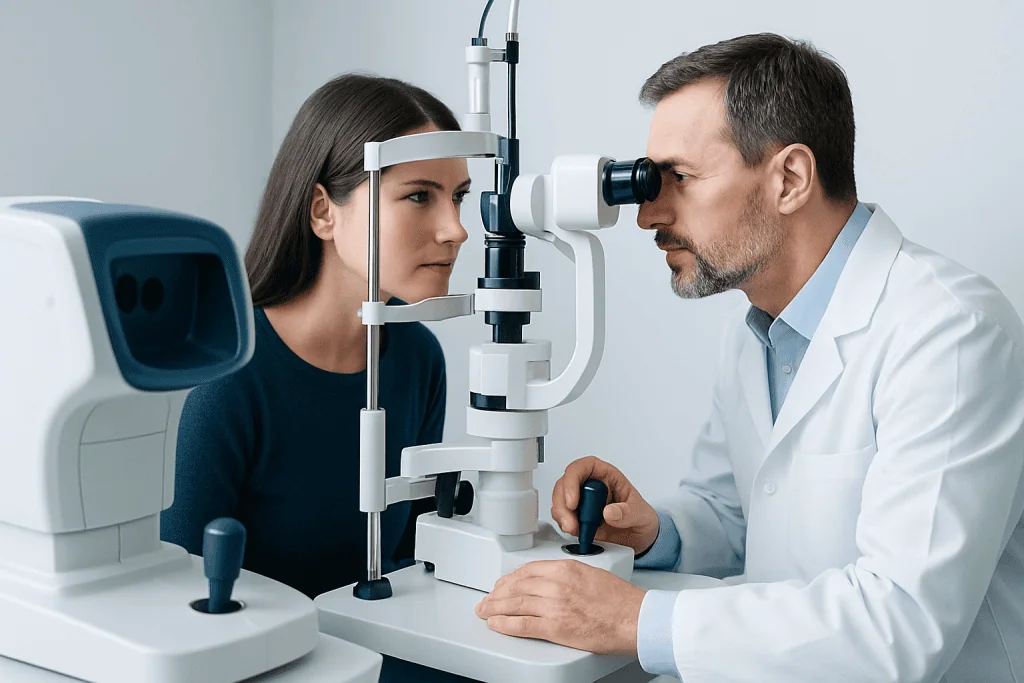
The early phase of optic neuritis often develops over hours to days. During this stage, vision can become blurrier, colors may appear duller, and a dark or blurry spot may affect the center of sight. Many people also describe pain behind the eye or discomfort when moving it. This worsening phase is commonly followed by stabilization, then a slow recovery phase.
In typical recovery, visual improvement begins within a few weeks after symptoms start. This does not always mean that vision returns completely right away. Sharpness may improve first, while color vision, contrast sensitivity, and depth perception may take longer. Some people feel that vision seems almost normal in bright light but still less reliable in dim conditions or during fatigue.
Doctors often explain that healing of the optic nerve is not always perfectly reflected by a standard eye chart. A person may read more letters over time but still notice washed-out reds, glare, or a sense that one eye is not as clear as the other. Heat, fever, intense exercise, or exhaustion can sometimes temporarily make old symptoms seem more noticeable again, even without new damage.
Recovery patterns can vary depending on the cause of the inflammation, how severe the attack was, and whether there have been repeated episodes. When symptoms are atypical or recovery is slower than expected, doctors may investigate other neurological causes to make sure the diagnosis is correct and complete.
Symptoms During Recovery

As optic neuritis improves, symptoms often change rather than disappear all at once. Vision may become less blurry but still feel dim or uneven between the eyes. Reading may become easier, yet colors can remain less vivid. This can be frustrating, but it is a common part of recovery.
Some people experience lingering visual effects that are more noticeable in daily life than in formal testing. These may include trouble seeing in low light, sensitivity to bright light, slower focusing, and difficulty noticing fine detail or contrast. A person may also feel that one eye tires more quickly, especially during long periods of screen use or reading.
Common symptoms that may persist during recovery include:
- Blurred or reduced vision in one eye
- Faded or distorted color vision
- Pain that usually improves earlier than the visual symptoms
- A central blind spot or patchy missing area in the visual field
- Reduced contrast sensitivity
- Temporary worsening with heat, illness, or fatigue
Not every remaining symptom means ongoing inflammation. In many cases, the nerve is healing, but the visual pathway still needs time to recover. Follow-up appointments help distinguish between expected healing and signs that a different or ongoing condition may be present.
Causes and Risk Factors That Affect Recovery
Optic neuritis is often related to immune-mediated inflammation. In some patients, it occurs as an isolated event. In others, it may be associated with disorders such as multiple sclerosis, neuromyelitis optica spectrum disorder, or myelin oligodendrocyte glycoprotein antibody-associated disease. These underlying causes can influence both treatment and long-term recovery.
Doctors also consider infections, systemic autoimmune diseases, and less typical neurological conditions when the presentation does not fit the usual pattern. A careful history matters. Symptoms in both eyes at the same time, very severe vision loss, lack of eye pain, recurrent episodes, or unusual findings on examination may prompt broader testing.
Several factors can shape the recovery process, including the degree of optic nerve inflammation, how quickly treatment is started when indicated, and whether there is recurrent damage. Older age, repeated attacks, and certain underlying immune disorders may be associated with more incomplete visual recovery. However, many patients still experience meaningful improvement with proper evaluation and follow-up.
Because optic neuritis is a neurological condition, assessment may include imaging and nerve-related testing. In some cases, doctors use advanced neuroradiology imaging and neurophysiology testing to better understand the optic pathway and any related brain or nerve involvement. This can help identify whether symptoms are truly due to optic neuritis or another condition affecting vision or the nervous system.
How Doctors Diagnose and Monitor Recovery
Diagnosis begins with a detailed description of symptoms and a careful eye and neurological examination. Doctors check visual acuity, color vision, pupil responses, visual fields, and the back of the eye when possible. In optic neuritis, one important clue may be a relative afferent pupillary defect, showing that the affected optic nerve is carrying light signals less effectively.
MRI is often an important test because it can show inflammation of the optic nerve and look for changes elsewhere in the brain that may suggest an associated neurological condition. Blood tests may be recommended if the clinical picture is unusual or if doctors suspect a specific immune-related or infectious cause. Optical coherence tomography and visual field testing may also be used to measure structural and functional changes over time.
Recovery is monitored through repeat examinations rather than by symptoms alone. Even when a patient feels improved, follow-up can show whether color perception, visual fields, or optic nerve structure are returning toward baseline. This is also the time when clinicians look for signs of recurrence or consider whether further neurological investigation is needed.
Sometimes optic neuritis may need to be distinguished from other conditions that can affect the nervous system and produce sudden symptoms, such as stroke. Although the symptoms and mechanisms are different, urgent assessment helps doctors rule out other serious causes and guide the right care pathway.
Treatment Options and What They Do
Treatment depends on the likely cause and the severity of symptoms. In many typical cases, optic neuritis can improve on its own over time. However, corticosteroids may be used in selected situations, especially when vision loss is significant, recovery needs to be accelerated, or the clinical pattern suggests a specific inflammatory disorder. These medicines can shorten the duration of symptoms, though they do not always change the final visual outcome in typical cases.
If an underlying immune-related disease is found, treatment may go beyond the acute episode. Long-term management can include therapies that reduce the risk of future attacks and protect nerve function. This is why identifying the cause matters so much: the treatment plan for a single isolated episode can be very different from the plan for recurrent or disease-associated optic neuritis.
Supportive care is also important. Patients may benefit from guidance about driving, reading, work adjustments, and coping with temporary visual limitations. Sunglasses for glare, extra lighting at home, larger text on digital devices, and short visual breaks can make daily life easier during recovery.
When broader neurological care is needed, a multidisciplinary team may be involved. Near the end of the care pathway, patients may also appreciate coordinated support from specialists experienced in vision-related neurological disorders. Acibadem International’s multidisciplinary specialists and JCI-accredited hospitals diagnose and treat optic neuritis and related neurological conditions for international patients.
Self-Care, Daily Life, and Protecting Recovery
Although there is no guaranteed home remedy that speeds optic nerve healing, healthy daily habits can support overall recovery. Good rest, hydration, balanced nutrition, and careful management of infections or fever can help reduce temporary worsening of symptoms. Patients are often advised to pace activities if prolonged reading, screens, or bright environments increase discomfort.
It can also help to monitor symptoms in a simple, practical way. Noticing whether colors look more balanced, whether reading is easier, or whether the dimness is becoming less obvious can provide a more realistic picture of progress than checking vision repeatedly from hour to hour. Recovery is rarely perfectly steady, and small daily fluctuations are common.
Helpful self-care steps may include:
- Using brighter, even lighting for reading and household tasks
- Taking breaks during screen time or visually demanding work
- Avoiding overheating when heat seems to worsen vision temporarily
- Following prescribed treatment exactly as advised
- Attending follow-up visits even if symptoms seem improved
If another neurological or inflammatory condition is diagnosed, ongoing care is especially important to prevent future relapses. Not every episode of nerve-related inflammation behaves the same way; for example, vestibular neuritis affects balance rather than vision, but both conditions show why accurate diagnosis is essential when inflammation involves the nervous system.
When to See a Doctor
Any sudden change in vision should be assessed by a qualified doctor promptly. Optic neuritis is one possible cause, but other eye and neurological conditions can also lead to blurred vision, pain, or visual field loss. Early evaluation helps confirm the diagnosis and ensures that urgent problems are not missed.
Medical attention is especially important if vision loss is severe, affects both eyes, or comes with other symptoms such as weakness, numbness, balance problems, speech changes, or severe headache. These features may point to a different diagnosis or a broader neurological issue that needs urgent care. New or worsening symptoms after initial improvement should also be reported.
Patients should also seek review if recovery seems unusually slow, if vision remains unstable for months, or if additional attacks occur. Recurrent optic neuritis may signal an underlying inflammatory disorder that needs targeted management. Prompt follow-up supports the best possible long-term visual and neurological outcome.
Frequently asked questions
How long does optic neuritis recovery usually take?
Many people begin to notice improvement within a few weeks after symptoms start. Recovery often continues over several months, and subtle visual issues such as faded colors or reduced contrast may last longer than blurred vision itself.
Can vision return completely after optic neuritis?
Vision can improve significantly, and some people recover very well. However, not everyone returns to exactly the same vision as before, and mild changes in color perception, contrast, or visual comfort may persist.
Is optic neuritis always related to multiple sclerosis?
No. Optic neuritis can occur as a one-time isolated event, but it can also be linked to multiple sclerosis or other immune-related disorders. That is why doctors may recommend MRI or blood tests in some cases.
Does treatment make optic neuritis heal faster?
In selected patients, corticosteroids may help speed early recovery. The need for treatment depends on the severity of symptoms, the suspected cause, and the overall clinical picture, so decisions should be made with a doctor.
Why does vision seem worse when tired or overheated?
Heat, fever, exercise, or fatigue can temporarily make previous optic neuritis symptoms more noticeable. This does not always mean there is new damage, but persistent or clearly worsening symptoms should still be discussed with a doctor.
Can optic neuritis happen again?
Yes, recurrence is possible, especially when optic neuritis is associated with an underlying inflammatory or immune-related condition. Regular follow-up helps doctors assess risk and decide whether longer-term treatment is needed.
References
- National Eye Institute
- American Academy of Ophthalmology
- National Institute of Neurological Disorders and Stroke
- Mayo Clinic
- Multiple Sclerosis International Federation
This article is for general information only and is not a substitute for professional medical advice. Please consult a qualified doctor about your individual situation.
Explore treatments in Turkey — costs, top hospitals & a free quote
JCI-accredited · board-certified surgeons · reply within 24h
Add us as a Preferred Source to see more of our trusted health content across Google Search, AI Overviews and Discover.

Neurology
Diagnosis and treatment of disorders of the brain, spinal cord, nerves and muscles.
51 specialists in this unit