Gallbladder Polyps
Gallbladder Polyps are growths inside the gallbladder. Learn symptoms, causes, diagnosis, treatment options, and when to see a doctor.
Quick answer
Gallbladder polyps are growths that arise from the inner lining of the gallbladder and are often found incidentally during imaging, with management based on their size, appearance, and symptoms. At Acibadem in Turkey, evaluation typically includes ultrasound and, when needed, advanced imaging, while treatment may range from monitoring to minimally invasive gallbladder removal if cancer risk or symptoms are a…
What is gallbladder polyps?
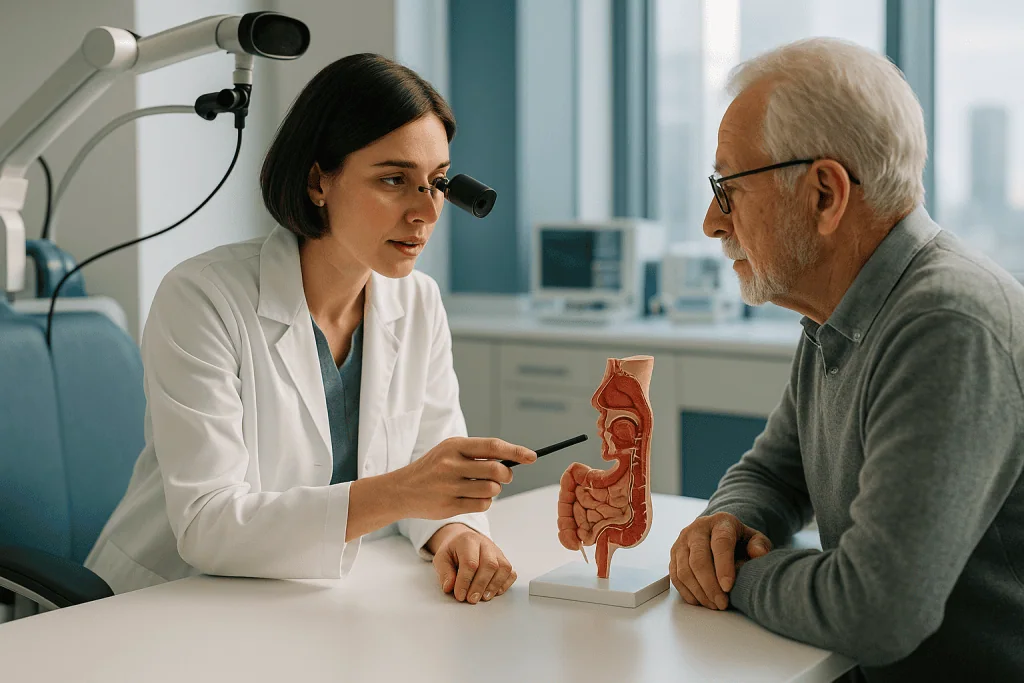
Gallbladder polyps are small growths that project from the inner lining of the gallbladder, the small pear-shaped organ that sits under the liver and stores bile, a fluid that helps the body digest fat. The medical classification for this condition is ICD-10 code K82.4. When people ask what is gallbladder polyps, the simplest answer is that these are areas of tissue that bulge inward from the gallbladder wall, a little like a small bump or stalk. Most of them are harmless, but a small proportion can be precancerous or, rarely, cancerous, which is why doctors monitor them carefully.
It helps to know that not all gallbladder polyps are the same. Doctors generally divide them into two broad groups. The first group is often called pseudopolyps, or “false” polyps. These include cholesterol polyps, which are deposits of cholesterol (a fatty substance found in the blood and in bile) attached to the gallbladder wall, and inflammatory polyps, which are areas of scar-like tissue related to long-standing irritation of the gallbladder. Pseudopolyps are the most common type and are not cancerous. The second group is true polyps, which are actual growths of tissue. These include adenomas, which are benign (noncancerous) growths that in some cases can change over time, and, much less commonly, malignant (cancerous) polyps.
Gallbladder polyps are found in a small but meaningful share of adults, often by chance during an abdominal ultrasound performed for another reason. They can occur at any adult age and affect both men and women. In many cases the person has no idea the polyp is there, because most polyps do not cause any symptoms at all.
Symptoms of gallbladder polyps
One of the most important things to understand about gallbladder polyps symptoms is that, in the majority of cases, there are none. Most polyps are silent and are discovered incidentally, meaning they show up on an imaging scan done for an unrelated concern. This is very different from many other digestive conditions, where symptoms are usually what bring a person to the doctor.
When symptoms do occur, they tend to be vague and can overlap with other gallbladder problems, such as gallstones (hardened deposits of bile that form in the gallbladder). Possible symptoms include:
- Pain in the upper right abdomena dull ache or discomfort under the right ribcage, sometimes after eating fatty meals.
- Indigestion or bloatinga feeling of fullness, gas, or general stomach upset.
- Nauseaoccasionally with vomiting, especially after rich or heavy food.
- Intolerance of fatty foodsmeals high in fat may seem to trigger or worsen discomfort.
Symptoms do not clearly differ by polyp type in a way a person could notice at home. A tiny cholesterol polyp and a larger true polyp can both be completely silent. However, larger polyps or polyps that occur alongside gallstones or gallbladder inflammation (called cholecystitis, meaning irritation and swelling of the gallbladder wall) are somewhat more likely to be associated with pain. In rare situations where a polyp is malignant and has grown, more serious signs can appear, such as persistent pain, unintended weight loss, or jaundice, which is a yellowing of the skin and the whites of the eyes caused by a buildup of bile pigment in the body. These signs are not specific to polyps, but they always deserve prompt medical attention.
Because symptoms are so unreliable, doctors do not judge how serious a gallbladder polyp is by how it feels. Instead, they rely on imaging features such as the polyp’s size, shape, and growth over time, which is discussed in the diagnosis section below.
Causes and risk factors
The exact gallbladder polyps causes are not fully understood, and in many people no single cause can be identified. What doctors do know is that different types of polyps tend to arise in different ways.
Cholesterol polyps, the most common type, are linked to a condition called cholesterolosis, in which cholesterol from bile builds up in the cells of the gallbladder lining. This appears to reflect how the gallbladder handles fats in bile rather than the level of cholesterol in the blood alone, which is why people with normal blood cholesterol can still develop these polyps. Inflammatory polyps are believed to result from chronic (long-lasting) irritation or inflammation of the gallbladder, often in people who also have gallstones. True polyps such as adenomas arise from changes in the cells of the gallbladder lining, and the reasons these changes begin are not completely known.
Several factors are commonly associated with gallbladder polyps or with a higher chance that a polyp is significant:
- Agepolyps become more common with increasing age, and older age, often cited as over 50, is one of the factors that makes doctors watch a polyp more closely.
- Gallstones and chronic gallbladder inflammationlong-standing irritation of the gallbladder is linked to inflammatory polyps and is considered when weighing risk.
- Primary sclerosing cholangitisa chronic disease of the bile ducts (the tubes that carry bile). People with this condition who develop gallbladder polyps are managed more cautiously, because the risk that a polyp is significant is higher.
- Family history and genetic conditionscertain inherited conditions that predispose to polyps elsewhere in the digestive tract may also be relevant, and a family history of gallbladder disease is often noted.
- Metabolic factorsconditions such as obesity, diabetes, and abnormal fat metabolism have been associated with gallbladder disease in general, though their exact role in polyp formation is not fully defined.
- Ethnic backgroundsome population groups appear to have higher rates of gallbladder polyps and gallbladder disease, which doctors may take into account.
It is worth emphasizing that having one or more of these risk factors does not mean a person will develop polyps, and many people with polyps have no identifiable risk factors at all. Lifestyle choices alone do not reliably prevent or cause gallbladder polyps, although maintaining a healthy weight and a balanced diet supports overall digestive and gallbladder health.
Diagnosis
Gallbladder polyps diagnosis almost always begins with imaging, because polyps cannot be felt on physical examination and blood tests cannot detect them directly.
Abdominal ultrasound is the main tool. This is a painless scan that uses sound waves to create pictures of the gallbladder. On ultrasound, a polyp appears as a growth attached to the gallbladder wall that, unlike a gallstone, does not move when the person changes position and does not cast the characteristic shadow that stones produce. Ultrasound also allows the doctor to measure the polyp, count how many there are, and describe their shape, for example whether a polyp sits on a narrow stalk or has a broad, flat base (called sessile), a feature that doctors watch more carefully.
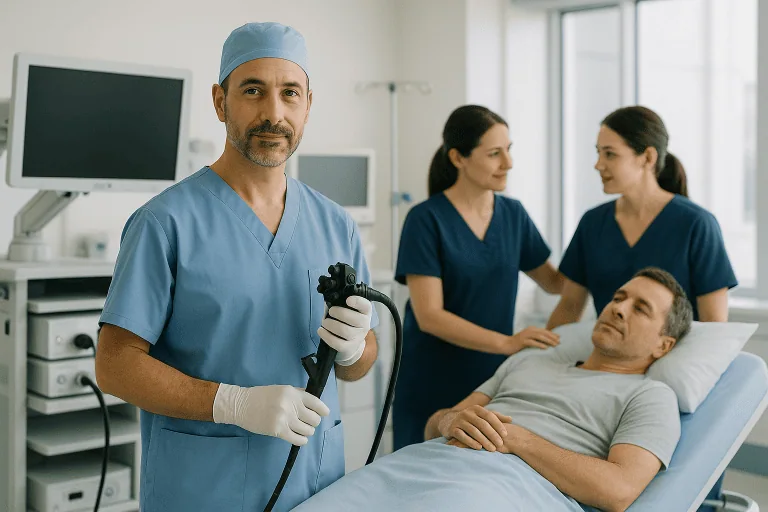
Endoscopic ultrasound may be used in selected cases. In this test, a thin flexible tube with a small ultrasound probe on the tip is passed through the mouth into the digestive tract, bringing the probe close to the gallbladder. This can give more detailed images of the gallbladder wall and help characterize a polyp when standard ultrasound findings are unclear.
CT or MRI scans (detailed cross-sectional imaging tests) are sometimes ordered, particularly when a polyp is larger or has worrying features, to look at the gallbladder wall and the surrounding structures in more detail.
When interpreting these tests, doctors pay close attention to several criteria that are widely used in clinical practice:
- Sizelarger polyps carry a higher risk of being true polyps or containing abnormal cells. A size of around 10 millimeters (about one centimeter) is a commonly used threshold above which doctors often discuss removal of the gallbladder, while smaller polyps are usually monitored.
- Growth over timea polyp that grows noticeably between scans is taken seriously, even if it is still small.
- Shape and appearancesessile (broad-based) polyps and thickening of the adjacent gallbladder wall are considered more concerning features.
- Patient factorsolder age, primary sclerosing cholangitis, and certain other risk factors lower the threshold for recommending treatment.
It is important to know that imaging cannot always tell with certainty whether a polyp is a harmless cholesterol deposit or a true growth. A definitive answer is only possible when the gallbladder is removed and examined under a microscope. Because of this uncertainty, follow-up scans over months or years are a normal and expected part of managing small polyps, not a sign that something has been missed.
Treatment options for gallbladder polyps
Gallbladder polyps treatment depends mainly on the polyp’s size, its appearance, whether it is growing, whether it causes symptoms, and the person’s individual risk factors. There is no medication that reliably shrinks or removes gallbladder polyps, so the realistic options are careful monitoring or surgical removal of the gallbladder.
Watchful waiting (surveillance). For small polyps without concerning features, the standard approach in many cases is periodic follow-up with ultrasound. The doctor schedules repeat scans at intervals, often every several months to a year initially, to check whether the polyp is growing or changing. Many small polyps remain stable for years and never require any intervention. If follow-up scans show no growth over a sustained period, the intervals between scans may be lengthened or, in some cases, surveillance may eventually be stopped, depending on current guidelines and the individual situation. This monitoring is typically coordinated by a specialist in digestive diseases; at Acibadem, for example, gallbladder polyps are evaluated within the gastroenterology department, working together with surgeons when needed.
Managing related conditions. If a person also has gallstones, gallbladder inflammation, or symptoms such as recurrent upper abdominal pain, the doctor may address those problems as part of the overall plan. Symptoms attributed to the gallbladder can influence the decision toward surgery even when the polyp itself is small.
Surgery (cholecystectomy). Cholecystectomy is the surgical removal of the entire gallbladder. It is the definitive treatment for polyps that are large, growing, sessile, associated with gallbladder wall changes, causing symptoms, or occurring in people with higher-risk conditions such as primary sclerosing cholangitis. Individual polyps are not removed on their own; the whole gallbladder is taken out, because that is the only way to fully assess the polyp and eliminate the risk it poses. In most cases the operation is performed laparoscopically, meaning through several small incisions using a camera and thin instruments, which usually allows a shorter hospital stay and quicker recovery than open surgery. Open surgery, through a larger incision, is reserved for specific situations, including cases where cancer is suspected or found. After removal, the gallbladder and polyp are examined by a pathologist, a doctor who studies tissue under a microscope, to confirm what the polyp actually was.
People can live a normal life without a gallbladder. Bile flows directly from the liver into the intestine instead of being stored first. Some people notice looser stools or mild digestive changes for a period after surgery, and these often settle over time; your doctor may suggest gradual dietary adjustments during recovery.
The decision between monitoring and surgery is individualized. A polyp measuring a few millimeters in a young, otherwise healthy person is handled very differently from a growing, broad-based polyp in an older adult. Your medical team will weigh the small but real risk of malignancy against the risks of an operation and discuss the options with you.
Living with gallbladder polyps and outlook
For most people, the outlook with gallbladder polyps is good. The large majority of polyps are cholesterol or inflammatory pseudopolyps that never become cancerous and never cause serious problems. Many people live with small, stable polyps for years, and their only ongoing task is to attend scheduled ultrasound checks.
Living well with gallbladder polyps mostly means staying engaged with follow-up. Keeping appointments for surveillance scans is the single most important step, because growth over time is one of the key warning signals doctors look for. It also helps to keep copies of previous imaging reports if you change doctors or travel, so that new scans can be compared accurately with old ones.
There is no specific diet proven to shrink polyps, and no supplement or medication has been shown to make them disappear. That said, general measures that support gallbladder health, such as maintaining a healthy weight, eating a balanced diet that is not excessively high in saturated fat, and managing conditions like diabetes, are sensible and benefit overall health. Rapid weight loss should generally be avoided, as it is linked to gallstone formation, which can complicate the picture.
For people who undergo cholecystectomy, long-term outcomes are generally favorable, and once the gallbladder is removed the polyp-related risk is removed with it. If the pathology examination shows a benign polyp, no further polyp-related follow-up is usually needed. If abnormal or cancerous cells are found, further evaluation and treatment are planned by the medical team. No honest source can promise a specific outcome for any individual, but early detection, appropriate surveillance, and timely surgery when indicated give the best chance of avoiding serious complications.
Frequently asked questions
What is gallbladder polyps in simple terms?
A gallbladder polyp is a small growth on the inner wall of the gallbladder, the organ that stores bile under the liver. Most polyps are harmless deposits of cholesterol or areas of inflamed tissue rather than true tumors. They are usually found by chance on an ultrasound scan, and in many cases they need nothing more than periodic monitoring.
Are gallbladder polyps dangerous or cancerous?
Most gallbladder polyps are benign and never turn into cancer. A small minority, particularly larger polyps, broad-based polyps, and those that grow over time, can be precancerous or malignant. Because imaging cannot always tell the types apart with certainty, doctors use size, growth, and patient risk factors to decide whether a polyp can safely be watched or should prompt removal of the gallbladder.
Can gallbladder polyps go away on their own?
True polyps generally do not disappear on their own. Occasionally, something that looked like a small polyp on one scan is not seen on a later scan, which may mean it was actually debris, a tiny stone, or a cholesterol deposit that changed. However, no medication, diet, or supplement has been proven to make gallbladder polyps heal or shrink, so any claim of a guaranteed natural cure should be treated with caution.
What symptoms do gallbladder polyps cause?
Most gallbladder polyps cause no symptoms at all and are discovered incidentally. When symptoms occur, they are usually nonspecific, such as discomfort in the upper right abdomen, bloating, nausea, or trouble tolerating fatty foods, and these complaints can just as easily come from gallstones or other digestive conditions. Symptoms alone cannot confirm or rule out a polyp, which is why imaging is essential.
How are gallbladder polyps diagnosed and followed up?
Diagnosis is made with imaging, most often an abdominal ultrasound, which shows the polyp’s size, number, and shape. In selected cases, endoscopic ultrasound, CT, or MRI provides more detail. Small polyps without worrying features are typically followed with repeat ultrasounds at set intervals to check for growth, while larger or changing polyps are referred for surgical evaluation.
When do gallbladder polyps need surgery?
Surgery is generally considered when a polyp is around 10 millimeters or larger, when it grows noticeably during follow-up, when it has concerning features such as a broad base or associated wall thickening, when it causes symptoms, or when the person has higher-risk conditions such as primary sclerosing cholangitis. The operation removes the whole gallbladder, usually laparoscopically, because individual polyps cannot be safely removed on their own.
What is recovery like after gallbladder removal for a polyp?
After laparoscopic cholecystectomy, many people go home within a day or so and gradually return to normal activities over the following weeks, though recovery varies from person to person. Some people notice looser stools or sensitivity to fatty foods for a while, and these changes often improve with time. Your surgical team will give individualized guidance on activity, diet, and wound care during recovery.
When to see a doctor
If you have been told you have a gallbladder polyp, keep your scheduled follow-up scans even if you feel completely well, because silent growth is exactly what surveillance is designed to catch. Beyond routine monitoring, certain warning signs mean you should seek medical care promptly rather than waiting for your next appointment:
- Severe or persistent pain in the upper right abdomen, especially pain that lasts more than a few hours or keeps returning.
- Fever and chills together with abdominal pain, which can signal gallbladder infection or inflammation.
- Jaundiceyellowing of the skin or the whites of the eyes.
- Dark urine or pale, clay-colored stools, which can indicate blocked bile flow.
- Persistent nausea and vomiting, particularly if you cannot keep food or fluids down.
- Unintended weight loss or loss of appetite that has no clear explanation.
These symptoms are not specific to gallbladder polyps and may have many other causes, but they should always be evaluated by a doctor without delay. If you experience sudden, severe abdominal pain with fever or jaundice, seek urgent medical attention. For ongoing questions about a known polyp, a gastroenterology specialist can review your imaging, explain your individual risk, and help you decide between continued surveillance and referral for surgery.
Medically reviewed by the Acıbadem International Medical Board September 3, 2026
See our medical review board →
Update history
- PublishedJune 8, 2026
- Medical review approvedSeptember 3, 2026
- Last content updateSeptember 3, 2026