What the Adrenal Medulla Does and When It Causes Symptoms

The adrenal medulla is the inner part of the adrenal gland. It releases adrenaline and noradrenaline, which raise heart rate, blood pressure, and blood sugar during stress. Problems are rare, but repeated episodes of headaches, sweating, palpitations, or high blood pressure warrant medical assessment, as they can signal a hormone-producing tumor such as pheochromocytoma.
Key Takeaways
- The adrenal medulla produces epinephrine and norepinephrine, also called adrenaline and noradrenaline.
- These hormones help the body react quickly to stress by affecting heart rate, blood pressure, breathing, and blood sugar.
- Problems involving the adrenal medulla are uncommon but can cause symptoms such as headaches, sweating, palpitations, and episodes of high blood pressure.
- Doctors diagnose adrenal medulla disorders with a combination of medical history, hormone testing, and imaging.
- Treatment depends on the cause and may include monitoring, medicines, surgery, or specialist endocrine care.
The adrenal medulla is the inner portion of each adrenal gland. It makes hormones such as adrenaline and noradrenaline that help the body respond to stress, support blood pressure, and adjust heart rate and energy use.
Overview: What the adrenal medulla is
The adrenal medulla is the inner part of the adrenal gland, a small gland that sits on top of each kidney. Its main job is to produce catecholamines, especially epinephrine and norepinephrine, also known as adrenaline and noradrenaline. These hormones help the body respond to stress and support normal day-to-day control of heart function, blood pressure, and energy balance.
Although many people hear about “adrenal function” in general, it helps to know that the adrenal gland has two different parts. The outer part, called the adrenal cortex, makes steroid hormones such as cortisol and aldosterone. The inner part, the adrenal medulla, has a different role and is closely linked to the nervous system, releasing hormones during sudden physical or emotional stress.
In healthy people, the adrenal medulla works automatically and quietly in the background. It becomes more active when the body needs a fast response, such as during fear, pain, intense exercise, low blood sugar, or sudden illness. Most people never notice its normal activity, but symptoms can appear if a tumor or other disorder causes hormone release to become excessive or irregular.
How the adrenal medulla works in the body
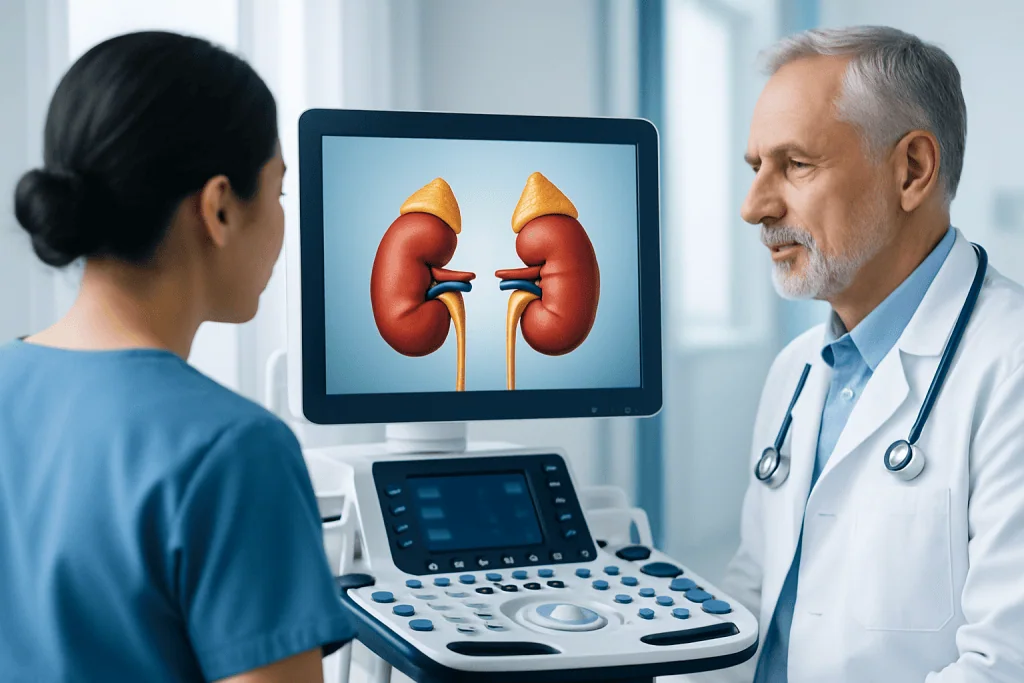
The adrenal medulla acts as part of the body’s rapid “fight-or-flight” response. Signals from the sympathetic nervous system tell it when to release adrenaline and noradrenaline into the bloodstream. These hormones prepare the body to react quickly by increasing alertness and shifting blood flow and energy where they are most needed.
Adrenaline can make the heart beat faster and more forcefully, widen some airways, and help raise blood sugar so muscles and the brain have quick access to fuel. Noradrenaline is particularly important for tightening blood vessels and helping maintain blood pressure. Together, these hormones help the body cope with sudden demands.
In short bursts, all of this is normal and protective. Trouble starts when the hormone release is too strong, too frequent, or driven by a medical condition. Then you may get repeated episodes that feel like intense surges of stress, even though nothing threatening is happening around you.
Symptoms linked to adrenal medulla disorders

Most people with a normal adrenal medulla do not have symptoms. When symptoms occur, they are usually related to excess catecholamine release rather than to the gland itself simply being present. These episodes may come and go or, less commonly, become more constant over time.
Possible symptoms can include headaches, sweating, trembling, anxiety, palpitations, chest pounding, and episodes of high blood pressure. Some people also notice pale skin, shortness of breath, nausea, or a sense of panic. Because these symptoms can overlap with many other conditions, they do not automatically mean there is a problem in the adrenal medulla.
Triggers can include physical exertion, emotional stress, certain medications, surgery, anesthesia, and sometimes even a change in body position. Severe hormone surges put strain on the heart and blood vessels. If episodes keep happening and you have no explanation for them, see a qualified doctor.
- Rapid heartbeat or palpitations
- Sudden sweating
- Recurrent headaches
- Spells of high blood pressure
- Shaking or tremor
- Feelings of anxiety without a clear cause
What can affect the adrenal medulla
The most recognized adrenal medulla disorder is pheochromocytoma, a rare tumor that arises from hormone-producing cells and can release excess catecholamines. Most pheochromocytomas are found in the adrenal gland itself, while similar tumors in related nerve tissue outside the adrenal gland are called paragangliomas. These conditions deserve specialist evaluation because they can cause important blood pressure and heart-related symptoms.
Not every adrenal mass involves the medulla. Some are picked up by chance on a scan done for something else entirely, and many turn out to be noncancerous and hormonally silent. Doctors may evaluate these findings to determine whether they are hormonally active, whether they come from the cortex or medulla, and whether treatment is needed. Related conditions may include adrenal gland cancer, although cancer is much less common than benign causes of adrenal abnormalities.
Inherited syndromes can also increase the risk of adrenal medulla tumors in some families. A doctor may ask about family history of endocrine tumors, thyroid cancer, unexplained high blood pressure at a young age, or related rare syndromes. Medications, severe illness, substance use, or stress can sometimes mimic catecholamine-related symptoms, which is one reason careful assessment is important.
How doctors diagnose adrenal medulla problems
It starts with a careful history and an examination. Your doctor will want to know the pattern of your symptoms, your blood pressure readings, your family history, what medicines you take, and what seems to set episodes off. Since plenty of common problems look the same from the outside, the diagnosis rests on testing, not symptoms alone.
Laboratory testing often includes blood or urine measurements of catecholamine-related substances, such as metanephrines. These tests help show whether the body is producing too much adrenaline-like hormone activity. In some cases, testing needs careful preparation because stress, certain foods, or medicines may influence results.
If hormone tests suggest a problem, imaging may be used to look at the adrenal glands and nearby tissues. This may include MRI or CT scanning to identify a mass and assess its size and location. Additional nuclear medicine imaging may be recommended in selected cases. When a tumor is suspected, endocrinology, radiology, surgery, and sometimes genetics specialists may all be involved in planning care.
Treatment options and follow-up
Treatment depends on the cause. If testing is normal, symptoms may be related to another condition and the next step is directed by the findings. If a hormonally active adrenal medulla tumor is found, treatment often involves careful blood pressure and heart rate control first, followed by surgery when appropriate.
Surgery may be recommended to remove an adrenal tumor that is producing excess hormones or appears suspicious on imaging. In many cases, the operation is planned in a structured way to reduce the risk of blood pressure swings during the procedure. A common surgical approach is adrenalectomy, which means removal of the affected adrenal gland or part of it, depending on the situation.
After treatment, follow-up is important because hormone levels and blood pressure need to be reassessed. Some patients also need long-term monitoring for recurrence or for tumors elsewhere, especially if they have a hereditary syndrome. In selected cases, care may involve a broader endocrine review, including conditions such as Cushing’s syndrome if symptoms suggest another adrenal or hormone-related issue.
Self-care, monitoring, and everyday questions
No home remedy has been shown to improve adrenal medulla function — the gland regulates itself through the nervous system and hormonal feedback. What helps most people is the ordinary stuff: regular sleep, balanced meals, routine physical activity, and some attention to stress. None of this treats a tumor, but it does support your heart and metabolism.
People who are being evaluated for possible catecholamine excess should follow their doctor’s instructions carefully before laboratory testing. This may include guidance about medicines, caffeine, nicotine, exercise, or timing of blood and urine samples. Accurate preparation can make test results more reliable and help avoid unnecessary worry.
If a scan has already turned up an adrenal mass, try not to jump to conclusions in either direction before it has been properly assessed. Many of these findings are benign; some need treatment or monitoring. A clear plan with an endocrinologist or other specialist helps patients understand what to expect and when repeat blood tests or scans are needed.
When to seek medical care
Medical care should be sought if a person has repeated episodes of severe headache, pounding heartbeat, sweating, tremor, or unexplained spikes in blood pressure. Evaluation is also important if symptoms are becoming more frequent, if there is a family history of endocrine tumors, or if an adrenal mass is found during imaging for another reason.
Urgent medical attention is needed for chest pain, severe shortness of breath, fainting, confusion, or very high blood pressure symptoms, especially if these occur suddenly. These symptoms can have many causes, some unrelated to the adrenal medulla, but they should never be ignored.
For people seeking specialist assessment, Acibadem International’s multidisciplinary teams in JCI-accredited hospitals evaluate and treat adrenal and endocrine conditions for international patients. This may include advanced imaging and endocrine surgery planning when needed, such as endocrine surgery for selected adrenal disorders.
Frequently asked questions
What does the adrenal medulla do?
The adrenal medulla makes epinephrine and norepinephrine, hormones that help the body respond quickly to stress. These hormones affect heart rate, blood pressure, breathing, and the release of glucose for energy.
Is the adrenal medulla the same as the whole adrenal gland?
No. The adrenal gland has an outer layer called the cortex and an inner layer called the medulla. The cortex makes steroid hormones, while the medulla makes catecholamines such as adrenaline.
Can adrenal medulla problems cause anxiety-like symptoms?
Yes, they can sometimes cause symptoms that feel similar to anxiety or panic, such as shaking, sweating, palpitations, and a sense of sudden alarm. However, many common conditions can cause similar symptoms, so testing is needed to find the true cause.
What tests are used to check the adrenal medulla?
Doctors often use blood or urine tests that measure metanephrines or related hormone breakdown products. If the results suggest excess hormone production, imaging such as CT or MRI may be used to look at the adrenal glands.
Are adrenal medulla tumors always cancer?
No. Many adrenal medulla tumors, including many pheochromocytomas, are not cancerous. Even so, they can still cause significant symptoms because of hormone release, so proper evaluation and follow-up are important.
Can lifestyle changes treat an adrenal medulla disorder?
Lifestyle habits support overall health but do not replace medical treatment for a true adrenal medulla disorder. If excess hormone production or a tumor is present, treatment is usually guided by an endocrinologist and may include medicines, surgery, or monitoring.
This article is for general information only and is not a substitute for professional medical advice. Please consult a qualified doctor about your individual situation.
Heart care in Turkey — expert evaluation and treatment
7 JCI-accredited hospitals · board-certified surgeons · reply within 24h
Add us as a Preferred Source to see more of our trusted health content across Google Search, AI Overviews and Discover.
Check your numbers in seconds
BMI, calories, due date, blood pressure and 30+ more clinical calculators — free, instant, doctor-reviewed ranges.

Medically reviewed by the Acıbadem International Medical Board — August 24, 2026
See our medical review board →
References (3)
- Adrenal Gland Disorders - MedlinePlus — medlineplus.gov
- Pheochromocytoma and Paraganglioma Treatment - National Cancer Institute — www.cancer.gov
- Adrenal Gland - Cleveland Clinic — my.clevelandclinic.org
Endocrinology Specialists at Acibadem





Related Conditions
More from the Health Library

Ashwagandha May Modestly Raise Testosterone in Some Men

A Random Blood Glucose Test and What the Result Depends On

The Thyroid Regulates Metabolism, and Symptoms Vary Widely

How Cortisol Testing Works in Blood, Saliva, and Urine

Thyroid Biopsy Samples a Nodule to Tell Benign From Cancer