Atypical Parkinsonism: Symptoms, Diagnosis, and Specialist Neurology Care

Atypical Parkinsonism is not one disease; it includes conditions such as progressive supranuclear palsy, multiple system atrophy, corticobasal degeneration, and dementia with Lewy bodies. Symptoms may include stiffness, slowness, falls, speech and swallowing changes, eye movement problems, dizziness on standing, or cognitive and behavioral changes.
Key Takeaways
- Atypical Parkinsonism is not one disease; it includes conditions such as progressive supranuclear palsy, multiple system atrophy, corticobasal degeneration, and dementia with Lewy bodies.
- Symptoms may include stiffness, slowness, falls, speech and swallowing changes, eye movement problems, dizziness on standing, or cognitive and behavioral changes.
- Diagnosis is based on a detailed neurological examination, symptom pattern, medication response, and supportive tests such as MRI or specialized imaging when appropriate.
- Treatment focuses on symptom control, rehabilitation, safety, nutrition, communication, and coordinated specialist care rather than a single cure.
- A movement disorders neurologist can help distinguish atypical Parkinsonism from Parkinson’s disease and guide a personalized care plan.
Atypical Parkinsonism refers to several neurological conditions that can resemble Parkinson’s disease but often have additional symptoms and a different response to medication. Early specialist assessment can help clarify the diagnosis, manage symptoms, and support quality of life.
Overview
Atypical Parkinsonism is an umbrella term for a group of neurodegenerative disorders that cause some Parkinson-like features, such as slowness of movement, stiffness, walking difficulty, or reduced facial expression. These conditions are called atypical because they do not follow the usual pattern of Parkinson’s disease and often involve additional nervous system changes.
The main forms include progressive supranuclear palsy, multiple system atrophy, corticobasal degeneration, and dementia with Lewy bodies. Some people may initially receive a diagnosis of Parkinson’s disease, then later be re-evaluated when symptoms progress differently or when new signs appear. This can be emotionally challenging, but a clearer diagnosis helps doctors choose the most appropriate support.
Unlike typical Parkinson’s disease, atypical Parkinsonism often responds less predictably to levodopa and may cause earlier balance problems, falls, speech or swallowing changes, autonomic symptoms, or cognitive changes. The goal of care is to understand the specific pattern, reduce complications, maintain independence as long as possible, and provide practical support for patients and families.
Types of Atypical Parkinsonism
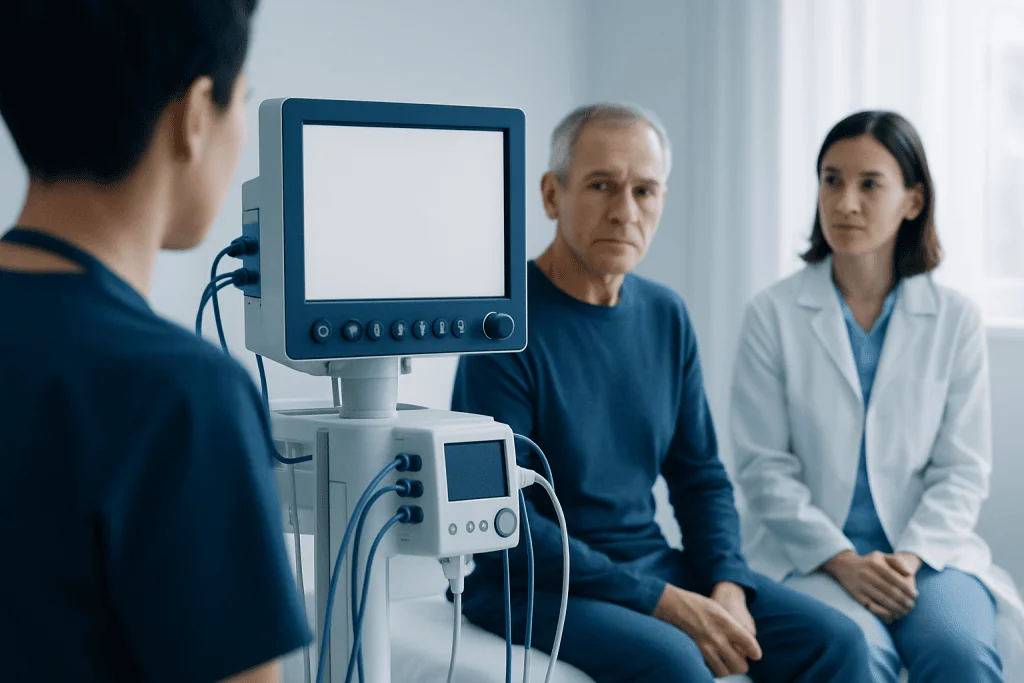
Progressive supranuclear palsy, often shortened to PSP, commonly affects balance, walking, eye movements, speech, and swallowing. People may have unexplained falls, especially backward falls, and may find it difficult to look down. Facial expression may appear reduced, and thinking or behavior may change, including slowed processing or impulsive decisions.
Multiple system atrophy, or MSA, can cause Parkinson-like movement symptoms along with autonomic nervous system problems. These may include dizziness or faintness when standing, urinary urgency or retention, erectile dysfunction, constipation, reduced sweating, or changes in blood pressure control. Some people also develop balance and coordination problems similar to cerebellar disease.
Corticobasal degeneration, sometimes called corticobasal syndrome when describing the clinical pattern, may affect one side of the body more than the other. A limb may become stiff, jerky, clumsy, or difficult to control, and some patients experience the feeling that an arm or hand does not respond normally. Dementia with Lewy bodies may combine movement symptoms with fluctuations in attention, visual hallucinations, sleep behavior changes, and memory or thinking problems.
Symptoms and Warning Signs

Atypical Parkinsonism symptoms vary by condition and by individual. In many cases, the first noticeable problems are changes in walking, balance, handwriting, voice, facial expression, or speed of movement. Tremor may occur, but it is often less prominent or less typical than in Parkinson’s disease.
Features that may prompt doctors to consider atypical Parkinsonism include early falls, rapid progression, poor or short-lived response to Parkinson’s medication, severe blood pressure drops on standing, early speech or swallowing difficulty, abnormal eye movements, early cognitive changes, or pronounced symptoms on one side of the body. These signs do not automatically confirm atypical Parkinsonism, but they support referral to a specialist in movement disorders.
- Movement symptoms: slowness, stiffness, shuffling steps, freezing, poor balance, or reduced arm swing.
- Speech and swallowing symptoms: softer voice, slurred speech, coughing with meals, or difficulty swallowing tablets.
- Autonomic symptoms: dizziness on standing, urinary problems, constipation, erectile dysfunction, or temperature regulation issues.
- Cognitive and behavioral symptoms: confusion, slowed thinking, hallucinations, sleep disturbance, depression, anxiety, or personality change.
Because symptoms can overlap with other neurological and medical conditions, a careful assessment is important. Some symptoms, such as dizziness, falls, or confusion, may also be worsened by dehydration, medication side effects, infections, poor sleep, or vision problems, all of which may be treatable.
Causes and Risk Factors
Atypical Parkinsonism conditions are generally linked to abnormal protein accumulation and progressive damage in specific brain networks. For example, PSP and corticobasal degeneration are associated with tau protein changes, while MSA and dementia with Lewy bodies are associated with alpha-synuclein-related changes. These biological processes affect movement, balance, automatic body functions, cognition, or behavior depending on which areas of the nervous system are involved.
In most people, the exact cause is not known. These disorders are usually not directly inherited in a simple way, although genetics may influence susceptibility in some cases. Age is an important risk factor, as many atypical Parkinsonian syndromes appear in later adulthood, but they are not considered a normal part of aging.
Environmental exposures, vascular disease, medication effects, and other neurological disorders can sometimes cause Parkinsonism-like symptoms, but they are not the same as degenerative atypical Parkinsonism. A doctor will review the full medical history, including medicines, toxins, previous head injury, stroke history, and family history, to look for potentially reversible or alternative explanations.
Diagnosis
Diagnosis begins with a detailed clinical evaluation by a neurologist, ideally one experienced in Parkinsonian syndromes. The doctor assesses movement, muscle tone, walking, balance, eye movements, reflexes, coordination, speech, swallowing concerns, cognition, mood, sleep, blood pressure changes, and daily function. A caregiver’s observations can be very helpful because symptoms such as falls, hallucinations, sleep behaviors, or fluctuations may not be obvious during a short appointment.
There is no single blood test that definitively diagnoses most forms of atypical Parkinsonism. Diagnosis is made by recognizing patterns over time, evaluating response to medication, and excluding other causes. Brain MRI can help identify structural changes, strokes, tumors, hydrocephalus, or patterns suggestive of specific disorders, and specialist neuroradiology review may support clinical decision-making.
Additional tests may be used depending on symptoms. These can include blood tests for reversible contributors, autonomic testing for blood pressure and heart rate control, sleep studies if REM sleep behavior disorder is suspected, swallow assessment, speech evaluation, physical therapy gait analysis, or cognitive testing through neuropsychology services. In selected cases, dopamine transporter imaging or other nuclear medicine tests may help distinguish degenerative Parkinsonism from some non-degenerative causes, but results must be interpreted in the full clinical context.
Because early symptoms can be subtle, diagnosis may be revised as the condition evolves. This does not mean the first evaluation was wrong; rather, neurological patterns often become clearer over time. Follow-up visits allow the care team to refine the diagnosis and update the treatment plan.
Treatment Options and Specialist Care
There is currently no cure that stops the progression of the major atypical Parkinsonism syndromes, but many symptoms can be managed. Treatment is individualized and may include a trial of Parkinson’s medications, especially levodopa, to see whether stiffness or slowness improves. In atypical Parkinsonism, the benefit may be limited, temporary, or accompanied by side effects, so medication decisions should be monitored carefully by a neurologist.
Rehabilitation is a central part of care. Physical therapy focuses on safe walking, balance, strength, flexibility, transfers, fall prevention, and assistive devices when needed. Occupational therapy helps with dressing, bathing, writing, eating, home adaptations, and energy conservation. Speech and language therapy can address voice volume, communication strategies, and swallowing safety.
Other treatments target specific symptoms. Blood pressure drops may be managed with hydration strategies, compression garments, medication review, and sometimes prescription medicines. Urinary symptoms may require urology input. Swallowing problems may require diet modification and safety planning. Mood, anxiety, sleep, hallucinations, or cognitive symptoms may need careful medication choices because some drugs can worsen movement or confusion.
Because atypical Parkinsonism affects several body systems, the most effective care is usually multidisciplinary. Neurologists, rehabilitation physicians, physiotherapists, speech therapists, dietitians, neuropsychologists, nurses, social workers, and palliative care specialists may all contribute. Palliative care in this context is supportive care focused on comfort, planning, communication, and quality of life, and it can be helpful alongside active neurological treatment.
Prevention, Self-care, and Daily Living
There is no proven way to prevent most degenerative atypical Parkinsonism syndromes. However, self-care and environmental planning can reduce risks and help people maintain function. Regular activity, within safe limits, supports mobility, posture, circulation, sleep, and mood. Exercise plans should be adapted to the person’s balance, strength, and fall risk.
Fall prevention is especially important. Practical steps include removing loose rugs, improving lighting, using handrails, wearing supportive footwear, avoiding rushing, and using a cane, walker, or wheelchair when recommended. A home safety assessment can identify hazards before injuries occur. People with dizziness on standing should rise slowly and discuss blood pressure management with their care team.
Nutrition and swallowing safety also deserve attention. Unintentional weight loss, coughing during meals, prolonged mealtimes, dehydration, or recurrent chest infections should be discussed with a doctor or speech and swallowing specialist. A dietitian may help maintain adequate calories, fiber, fluids, and meal consistency.
Planning ahead can reduce stress for patients and families. This may include discussing driving safety, work adjustments, financial and legal planning, advance care preferences, caregiver support, and reliable sources of information about neurodegenerative diseases. Emotional support is also important, as uncertainty and progressive symptoms can affect both patients and loved ones.
When to See a Doctor
A person should seek medical evaluation if they develop unexplained slowness, stiffness, balance problems, repeated falls, changes in walking, tremor, speech or swallowing difficulty, dizziness on standing, new hallucinations, or cognitive changes. Early assessment is especially important when falls, swallowing symptoms, fainting, or confusion occur, because safety measures and treatable contributors may need prompt attention.
People already diagnosed with Parkinson’s disease should ask for re-evaluation if symptoms progress faster than expected, medication benefit is minimal, falls happen early, eye movement problems appear, or prominent autonomic or cognitive symptoms develop. A second opinion from a movement disorders neurologist can be helpful when the diagnosis is uncertain or when symptoms are difficult to manage.
Urgent medical care is needed for sudden weakness, facial droop, severe headache, chest pain, severe shortness of breath, fainting with injury, choking, suspected aspiration, sudden confusion, or signs of infection. These may represent conditions other than atypical Parkinsonism and should not wait for a routine neurology appointment.
For international patients, Acibadem International provides access to multidisciplinary neurology teams and JCI-accredited hospitals that diagnose and treat complex movement disorders, including atypical Parkinsonian syndromes. Care decisions should always be based on an individual evaluation by qualified medical professionals.
Frequently asked questions
Is atypical Parkinsonism the same as Parkinson’s disease?
No. Atypical Parkinsonism can look similar to Parkinson’s disease at first, but it is a group of different neurological disorders. These conditions often progress differently, may involve additional symptoms, and usually respond less strongly to standard Parkinson’s medication.
What are the first signs of atypical Parkinsonism?
Early signs may include slowness, stiffness, walking difficulty, poor balance, falls, softer speech, or changes in handwriting. Some people develop dizziness when standing, urinary problems, eye movement difficulty, cognitive changes, hallucinations, or sleep behavior changes. The exact first symptoms depend on the specific condition.
How do doctors diagnose atypical Parkinsonism?
Doctors diagnose it through a detailed neurological examination, medical history, symptom pattern, and follow-up over time. MRI and other tests may help rule out other causes or support a specific diagnosis. There is usually no single test that confirms all forms of atypical Parkinsonism by itself.
Can atypical Parkinsonism be treated?
Treatment can help manage symptoms, improve safety, and support daily function, although current therapies do not cure the underlying disease. Care may include medication trials, physical therapy, speech and swallowing therapy, occupational therapy, cognitive support, and management of blood pressure, sleep, mood, or urinary symptoms.
Does levodopa work for atypical Parkinsonism?
Levodopa may help some people, especially with stiffness or slowness, but the response is often less robust or less lasting than in Parkinson’s disease. Doctors may still recommend a supervised trial to assess benefit and side effects. Medication plans should be individualized and reviewed regularly.
When should someone see a movement disorders neurologist?
A movement disorders neurologist is recommended when symptoms are unusual, progressing quickly, or not responding as expected to Parkinson’s medication. Referral is also helpful when there are early falls, swallowing problems, eye movement changes, severe dizziness on standing, hallucinations, or cognitive changes. Specialist input can refine the diagnosis and guide coordinated care.
References
- National Institute of Neurological Disorders and Stroke
- Movement Disorder Society
- Parkinson’s Foundation
- Mayo Clinic
- European Academy of Neurology
This article is for general information only and is not a substitute for professional medical advice. Please consult a qualified doctor about your individual situation.
Explore treatments in Turkey — costs, top hospitals & a free quote
JCI-accredited · board-certified surgeons · reply within 24h
Add us as a Preferred Source to see more of our trusted health content across Google Search, AI Overviews and Discover.
Check your numbers in seconds
BMI, calories, due date, blood pressure and 30+ more clinical calculators — free, instant, doctor-reviewed ranges.

Neurology
Diagnosis and treatment of disorders of the brain, spinal cord, nerves and muscles.
51 specialists in this unit