

BBL and Lipofilling: How Fat Transfer Is Used to Shape the Body

BBL and lipofilling use a person’s own fat, usually taken by liposuction, and placed where more volume or smoother contours are desired. Results depend on how much fat can be safely harvested, how well it survives after transfer, and the body’s natural healing process.
Key Takeaways
- BBL and lipofilling use a person’s own fat, usually taken by liposuction, and placed where more volume or smoother contours are desired.
- Results depend on how much fat can be safely harvested, how well it survives after transfer, and the body’s natural healing process.
- These procedures can be used for aesthetic enhancement or for selected reconstructive needs, but they are not suitable for everyone.
- A good candidate usually has enough donor fat, stable weight, realistic expectations, and no major health problems that increase surgical risk.
- Recovery typically includes swelling, bruising, and activity limits, with final results developing gradually over weeks to months.
BBL and lipofilling are body contouring procedures that move a person’s own fat from one area of the body to another to add volume and improve shape. They are commonly used to enhance the buttocks, hips, breasts, face, or other contour irregularities in carefully selected patients.
Overview
BBL and lipofilling are fat transfer procedures used in aesthetic and reconstructive surgery to reshape the body with the patient’s own tissue. Fat is usually removed from one area such as the abdomen, flanks, thighs, or back, then purified and carefully injected into another area to improve contour and volume.
In cosmetic surgery, the best-known example is the Brazilian butt lift, or BBL, which uses fat transfer to enhance the buttocks and sometimes the hips for a fuller, more balanced silhouette. Lipofilling may also be used in the breasts, face, hands, or for correcting irregularities after weight loss, injury, or previous surgery. When appropriate, procedures such as BBL and lipofilling are planned individually based on anatomy, goals, and safety considerations.
Because this approach uses the body’s own fat, many patients appreciate that it can both reduce fullness in one area and increase it in another. Still, the procedure is only one part of a broader plan that should start with a detailed consultation and careful assessment of overall health.
What BBL and Lipofilling Can Improve
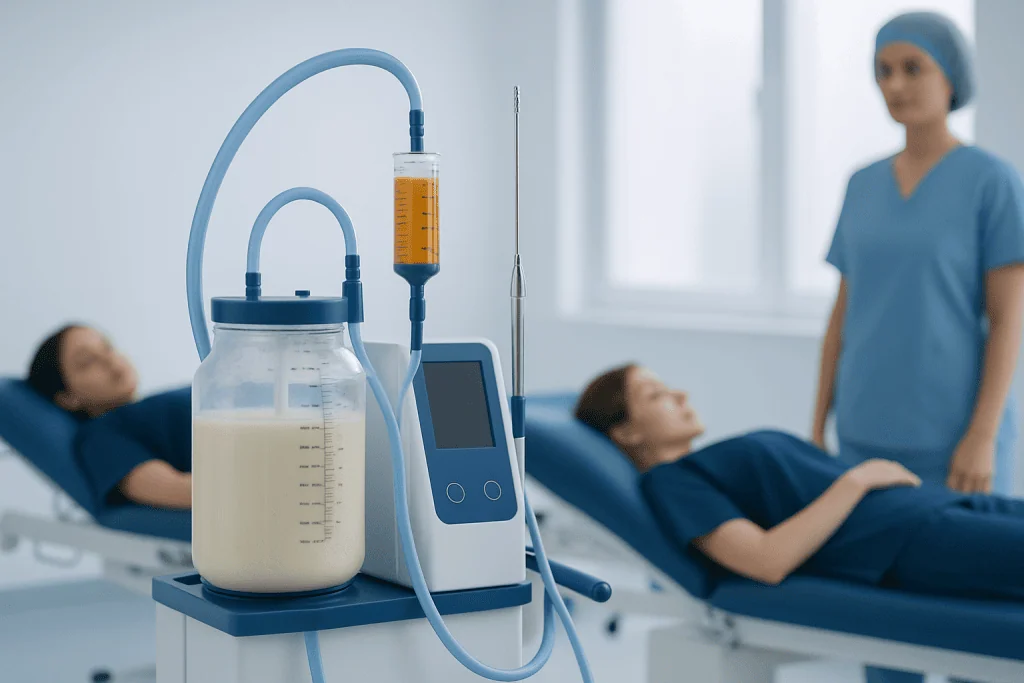
BBL and lipofilling are designed to improve shape, proportion, and symmetry rather than simply increase size. In the buttocks, the procedure can create a rounder appearance, improve upper pole fullness, and soften flat or uneven contours. In other areas, it may restore volume lost to aging, surgery, or tissue changes.
Fat transfer may be used to:
- Enhance the buttocks and hips
- Refine body proportions after liposuction or weight loss
- Add volume to the breasts in selected patients
- Smooth contour depressions or asymmetry
- Restore facial volume in cheeks, temples, or under-eye areas
The most natural-looking results often come from subtle changes that suit the patient’s frame. In some patients, lipofilling is combined with other procedures such as a buttock lift or body contouring to address loose skin and overall shape at the same time.
Who May Be a Candidate

Not everyone is a suitable candidate for fat transfer. The procedure usually works best for patients who have enough donor fat available and a stable body weight. A surgeon also considers skin quality, body proportions, medical history, smoking status, and the patient’s expectations.
People who may be good candidates often want moderate, natural-looking enhancement and understand that some of the transferred fat is reabsorbed by the body during healing. Patients who seek a very large size change may need a different approach, or a combination of treatments, after a thorough discussion of options.
Safety is especially important. Individuals with uncontrolled medical problems, poor wound healing, a history of major complications from surgery, or unrealistic expectations may need treatment postponed or another plan recommended. A careful consultation helps determine whether liposuction, lipofilling, or another procedure is the safest choice.
Causes & Risk Factors
BBL and lipofilling are elective procedures, so the main “risk factors” relate to surgical planning and patient-specific health features rather than an underlying disease. The amount and location of available fat, skin elasticity, and the target area all affect the final result. Previous surgeries, scars, and asymmetry may also influence planning.
General factors that can increase the chance of complications include smoking, poorly controlled diabetes, blood-clotting problems, certain medications, and significant medical conditions that affect anesthesia or healing. Very low body fat can limit how much fat can be harvested safely, while rapid weight changes after surgery can alter the result.
Technique also matters. Fat must be placed in the correct tissue plane and in appropriate amounts so the transferred cells can establish blood supply. For this reason, patients should choose an experienced, board-certified surgical team for procedures such as liposuction and fat grafting.
Diagnosis and Consultation
There is no “diagnosis” in the disease sense, but there is a structured preoperative assessment. During consultation, the surgeon reviews medical history, medications, prior operations, allergies, and the patient’s concerns. The doctor examines the donor and recipient areas, assesses skin quality, and discusses what can realistically be achieved.
Depending on the planned procedure and the patient’s health, preoperative testing may be recommended. This can include blood tests, imaging in selected situations, and medical clearance if there are known health concerns. The goal is to reduce risk and ensure the plan is tailored to the individual.
Patients should also discuss recovery logistics before surgery. Helpful questions include how long swelling may last, which positions to avoid after the procedure, when daily activities can resume, and what symptoms should prompt a call to the clinic. Clear communication improves safety and makes the recovery process more predictable.
Treatment Options
The main steps in BBL and lipofilling are fat removal, fat processing, and fat injection. First, fat is collected with liposuction from a donor area. The harvested fat is then purified or prepared so that healthy fat cells can be placed into the target area with precision.
In a BBL, the fat is injected in a planned pattern to build shape and projection while maintaining natural proportions. In facial or breast lipofilling, smaller volumes are used with a focus on symmetry and soft contour improvement. Some patients may benefit from staging, meaning the procedure is done in more than one session rather than attempting to place all desired volume at once.
Other body-shaping procedures may be combined with fat transfer when necessary. For example, patients who have significant laxity after weight loss may need skin removal or tightening in addition to volume restoration. When a patient wants broader aesthetic refinement, a consultation about body aesthetics or cosmetic surgery can help determine the best sequence of care.
Results depend on the survival of the transferred fat, which varies from person to person. The surgeon’s technique, the patient’s healing, and adherence to post-op instructions all play important roles in the outcome.
Recovery & Self-care
Recovery after fat transfer usually includes swelling, bruising, and temporary discomfort in both the donor and recipient areas. Compression garments may be recommended for liposuction sites, while the treated area may need protection from pressure or direct sitting for a period of time, depending on the procedure and surgeon instructions.
Patients are often advised to limit strenuous activity early on, sleep or sit in specific positions, and follow wound-care directions closely. Short walks are commonly encouraged to support circulation, but exercise and heavy lifting should wait until the surgeon says it is safe.
Self-care focuses on protecting the transferred fat and supporting healing. This includes avoiding smoking, maintaining a stable weight, eating a balanced diet, staying hydrated, and attending all follow-up visits. Because some swelling is normal, final results usually appear gradually rather than immediately.
If a patient notices increasing pain, redness, fever, shortness of breath, or a sudden change in the surgical area, medical advice should be sought promptly. These symptoms are not expected parts of routine recovery.
Risks, Safety, and When Results Change
As with any surgery, BBL and lipofilling carry risks. Common short-term issues include swelling, bruising, temporary numbness, contour irregularity, and fluid collection. Some patients may also experience partial loss of transferred fat, which can lead to less volume than expected or asymmetry.
More serious complications are less common but can occur, especially if surgery is not planned and performed with strict safety standards. These may include infection, bleeding, poor wound healing, fat necrosis, or complications related to anesthesia. Careful technique and close postoperative monitoring are essential.
Patients should also know that body weight changes can affect the result over time. Significant weight gain or loss may change the appearance of both the donor and recipient sites. For this reason, many surgeons recommend the procedure only when weight has been relatively stable.
When to See a Doctor
Anyone considering BBL or lipofilling should first consult a qualified plastic surgeon for an individualized evaluation. A doctor can explain whether the procedure is appropriate, what results are realistic, and whether another treatment would be safer or more effective.
After surgery, patients should contact their care team if they develop worsening pain, fever, spreading redness, drainage with a foul smell, leg swelling, chest symptoms, or any sudden change that feels unusual. Early review can help distinguish normal recovery from a problem that needs attention.
People who are unsure whether they are a candidate may also benefit from a second opinion, especially if they have significant medical conditions or have had a previous unsatisfactory procedure. In international care settings, multidisciplinary specialists at Acibadem International and its JCI-accredited hospitals can evaluate and treat patients with a coordinated approach when appropriate.
Frequently asked questions
What is the difference between BBL and lipofilling?
BBL is a specific type of fat transfer focused on shaping the buttocks, often for a fuller and more lifted appearance. Lipofilling is the broader term for transferring fat to different body areas such as the face, breasts, or contour irregularities.
How long do the results last?
Some of the transferred fat is naturally reabsorbed during healing, and the remaining fat can be long-lasting once it establishes blood supply. Results may still change over time with weight changes, aging, and lifestyle factors.
Is fat transfer safer than implants?
That depends on the patient, the target area, and the surgical plan. Fat transfer uses the patient’s own tissue, which avoids implant-related issues, but it is still surgery and has its own risks that should be discussed with a qualified doctor.
Can someone with little body fat have a BBL?
It may be difficult if there is not enough donor fat to harvest. In such cases, the surgeon may recommend a different approach, a smaller-volume transfer, or another body contouring option.
Will lipofilling leave scars?
Liposuction and fat injection are usually done through small incisions, so scars are typically limited and placed in discreet areas when possible. The exact appearance depends on the surgical technique and individual healing.
When can normal activities resume after surgery?
Light daily activities often resume gradually during recovery, but strenuous exercise, heavy lifting, and pressure on treated areas may need to wait longer. The surgeon’s instructions should always guide the timeline because recovery varies from person to person.
References
- American Society of Plastic Surgeons
- International Society of Aesthetic Plastic Surgery
- U.S. Food and Drug Administration
- Mayo Clinic
- World Health Organization
This article is for general information only and is not a substitute for professional medical advice. Please consult a qualified doctor about your individual situation.
Fat Transfer in Turkey — costs, top hospitals & a free quote
JCI-accredited · board-certified surgeons · reply within 24h
Add us as a Preferred Source to see more of our trusted health content across Google Search, AI Overviews and Discover.
Check your numbers in seconds
BMI, calories, due date, blood pressure and 30+ more clinical calculators — free, instant, doctor-reviewed ranges.

Related Treatments
Related Conditions
More from the Health Library



Related Specialists

Prof. Dr. Şükrü Yazar
Aesthetic Plastic & Reconstructive Surgery
Assoc. Prof. Dr. Erdem Güven (m)
Aesthetic Plastic & Reconstructive Surgery
Prof. Dr. Hakan Ağır
Aesthetic Plastic & Reconstructive Surgery
Prof. Dr. Bülent Saçak
Aesthetic Plastic & Reconstructive Surgery