

Body Contouring vs Liposuction: What Is the Difference?
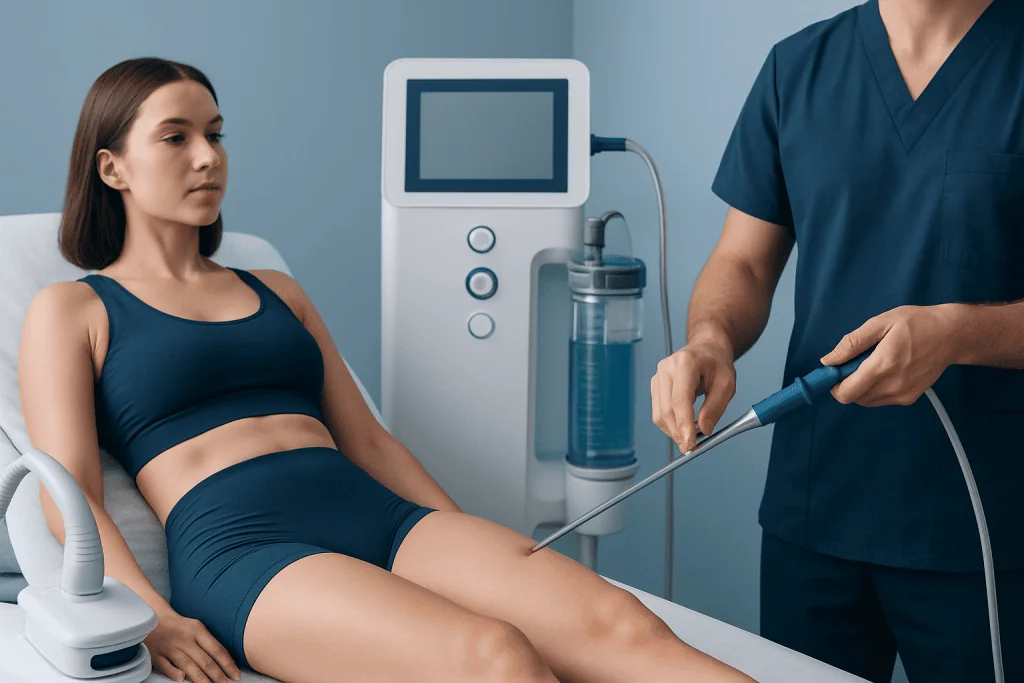
Liposuction is mainly designed to remove stubborn pockets of fat, not to tighten loose skin. Body contouring is a broader approach that may include liposuction, skin removal, lifting, and tissue reshaping.
Key Takeaways
- Liposuction is mainly designed to remove stubborn pockets of fat, not to tighten loose skin.
- Body contouring is a broader approach that may include liposuction, skin removal, lifting, and tissue reshaping.
- The best choice depends on skin elasticity, fat distribution, overall health, and personal goals.
- Neither option is a substitute for weight loss or a treatment for obesity.
- A consultation with a qualified plastic surgeon helps determine which procedure is most suitable.
Body contouring and liposuction both aim to improve body shape, but they are not the same. Liposuction mainly removes localized fat, while body contouring is a broader term that can include fat removal, skin tightening, and reshaping after weight changes, pregnancy, or aging.
Overview: How Body Contouring and Liposuction Differ
When people compare body contouring vs liposuction, the main difference is scope. Liposuction is a specific procedure that removes unwanted fat from targeted areas such as the abdomen, thighs, hips, arms, back, or under the chin. Body contouring is a broader term used for treatments and surgeries that reshape the body’s outline. It may include liposuction, but it can also involve skin tightening, tissue lifting, or removing excess skin.
This difference matters because many body concerns are not caused by fat alone. After major weight loss, pregnancy, or natural aging, a person may have loose skin, stretched tissues, or changes in body proportions. In these situations, simply removing fat may not create the desired result. A more complete contouring plan may be needed to improve shape and balance.
Body contouring can be surgical or non-surgical. Surgical approaches may include procedures such as liposuction, a tummy tuck, lift procedures, or post-weight-loss body contouring. Non-surgical options may focus on reducing small fat pockets or improving skin firmness, for example with non-surgical fat reduction in carefully selected cases.
What Liposuction Is Best For
Liposuction is generally best for people who are close to their usual body weight but have stubborn areas of fat that do not respond well to diet and exercise. Common treatment areas include the abdomen, flanks, thighs, upper arms, back, and neck. The goal is not dramatic weight loss, but improved body proportions and smoother contours.
A key point is that liposuction works best when the skin still has good elasticity. After fat is removed, the skin needs to shrink and adapt to the new shape. If the skin is naturally firm, the result may appear smoother. If the skin is already loose or stretched, liposuction alone may leave sagging or unevenness more visible.
Liposuction may be performed in different body areas depending on individual needs, including options such as arm liposuction for localized fullness. In some cases, removed fat may also be processed and reused for shaping other areas through techniques such as fat transfer and lipofilling, although this serves a different purpose than simple fat reduction.
Liposuction is still a surgical procedure, so it requires proper evaluation, planning, and recovery. A surgeon considers skin quality, fat thickness, body symmetry, and medical history before recommending treatment.
What Body Contouring Is Best For

Body contouring is often more suitable when body shape concerns involve more than excess fat. This may happen after significant weight loss, after pregnancy, or with age-related tissue changes. A person may have loose abdominal skin, hanging tissue on the upper arms or thighs, or drooping in the buttocks or chest. In these situations, reshaping often requires lifting or removing extra skin in addition to fat reduction.
Examples of body contouring procedures include arm lift, thigh lift, tummy tuck, lower body lift, and buttock lift. For the neck and jawline, selected patients may benefit from aesthetic neck contouring when fullness is combined with skin laxity. These procedures are chosen based on the exact concern, the amount of tissue laxity, and overall body goals.
Body contouring can also be helpful after bariatric surgery or major weight reduction, when skin does not retract on its own. People in this group often seek treatment not only for appearance, but also for comfort, clothing fit, hygiene, and skin irritation in folds. In some patients, body contouring can improve everyday function as well as body confidence.
Because body contouring may involve several body areas, treatment is often personalized and sometimes staged over time. A surgeon may recommend one procedure first, followed by additional reshaping later depending on recovery and priorities.
Who May Be a Good Candidate
Good candidates for liposuction or body contouring are usually adults in stable health who have realistic expectations. Ideal candidates understand that these procedures reshape the body but do not replace healthy habits. Stable weight is important, because large weight changes after surgery can affect results.
For liposuction, the best candidates often have localized fat deposits and relatively good skin elasticity. For body contouring, the best candidates may have loose or hanging skin, weakened tissues, or contour irregularities after weight loss or pregnancy. Surgeons also consider smoking status, medications, past operations, and conditions that may affect wound healing or anesthesia safety.
Some people seek contouring because body changes are related to a specific condition. For example, men bothered by excess breast tissue may need evaluation for gynecomastia, which is treated differently from simple chest fat. Similarly, individuals with raised scars after previous surgery may need assessment for keloid scars before planning additional cosmetic procedures.
A careful consultation helps clarify goals and identify the procedure most likely to achieve them safely. Photographs, physical examination, and discussion of recovery are all part of this decision-making process.
How Doctors Decide Between the Two
The decision between body contouring and liposuction usually begins with three questions: Is the main issue fat, loose skin, or both? How elastic is the skin? What shape change is the patient hoping to see? The answers help determine whether a simpler fat-removal procedure is enough or whether skin tightening or lifting should be included.
During examination, the surgeon checks the thickness and location of fat, the amount of skin laxity, muscle tone, previous scars, and overall body balance. If there is good skin recoil and a small-to-moderate localized fat pocket, liposuction may be enough. If there is significant sagging, stretched tissues, or skin folds, body contouring surgery is often more effective.
In many cases, the best plan is not one or the other, but a combination. Liposuction may be used as one part of body contouring to refine shape while another procedure removes excess skin or lifts tissue. This is common in abdominal, arm, thigh, and neck reshaping.
Doctors also consider whether the concern is primarily cosmetic or partly reconstructive. After trauma, burns, or prior surgery, contour changes may require a more customized approach. For example, people with a history of burns may have scar-related skin tightness that affects which contouring methods are appropriate.
Recovery, Results, and Limitations
Recovery can differ significantly between liposuction and larger body contouring procedures. Liposuction usually has a shorter recovery period, although swelling, bruising, soreness, and temporary numbness are common. Compression garments are often recommended to help support healing and contour adaptation.
Body contouring procedures that involve skin removal or lifting typically require more downtime. There may be longer incisions, more restrictions on movement, and a slower return to exercise. Swelling can persist for weeks or months, and final results are usually seen gradually as tissues settle.
Results from both approaches can be long-lasting when weight remains stable. However, neither procedure stops natural aging or prevents future weight gain. Liposuction does not improve cellulite significantly, and it cannot correct major skin laxity on its own. Body contouring can improve loose skin, but it also leaves scars, which usually fade over time but do not disappear completely.
Understanding these limitations is important. The best outcomes generally happen when the procedure matches the actual problem. A surgeon should explain what can realistically be improved, what cannot, and whether more than one stage may be helpful.
Risks, Safety, and Preparation
Like all medical procedures, both liposuction and body contouring carry risks. These can include bleeding, infection, fluid buildup, contour irregularities, delayed healing, scarring, changes in sensation, and anesthesia-related complications. Larger contouring surgeries may involve more extensive recovery and a higher need for close follow-up.
Safety begins with proper patient selection and treatment planning. Before surgery, the doctor typically reviews medical history, medications, allergies, previous surgeries, and lifestyle factors such as smoking. In some cases, laboratory tests or additional evaluations may be needed to make sure surgery is appropriate.
Preparation often includes maintaining a stable weight, avoiding smoking, arranging support at home, and following instructions about food, drink, and medicines before the procedure. After surgery, careful wound care, mobility guidance, and follow-up appointments help reduce complications and support healing.
Choosing an experienced, board-qualified plastic surgeon and an appropriately equipped hospital or surgical center is an important part of safety. Near the end of the treatment journey, some international patients also look for coordinated care; Acibadem International’s multidisciplinary specialists and JCI-accredited hospitals diagnose and treat aesthetic concerns for suitable patients from abroad.
When to Consider a Consultation
A consultation may be helpful when a person feels that stubborn fat, loose skin, or body imbalance has not improved despite healthy lifestyle efforts. It is also useful after major weight loss, after pregnancy, or when skin changes affect comfort, clothing fit, or self-confidence. An evaluation can clarify whether the concern is best addressed with liposuction, body contouring, or a non-surgical option.
During the visit, patients may benefit from asking practical questions such as:
- Is my main issue excess fat, loose skin, or both?
- Would liposuction alone be enough for my goals?
- What scars should I expect with body contouring surgery?
- How long is recovery, and when can normal activities resume?
- What result is realistic for my body type and skin quality?
People should also seek medical advice if body changes might reflect an underlying condition rather than a cosmetic issue alone. For example, swelling, new asymmetry, pain, or a firm mass should be evaluated rather than assumed to be simple fat or skin laxity.
In general, the choice between body contouring and liposuction is not about which procedure is “better.” It is about selecting the right treatment for the specific concern, anatomy, and expectations of the individual patient.
Frequently asked questions
Is body contouring the same as liposuction?
No. Liposuction is one specific procedure used to remove localized fat. Body contouring is a broader term that may include liposuction, skin removal, lifting, and reshaping procedures.
Which is better for loose skin: body contouring or liposuction?
Body contouring is usually better for loose skin because it can remove or tighten excess tissue. Liposuction mainly removes fat and may not improve sagging if skin elasticity is poor.
Can liposuction help with weight loss?
Liposuction is not considered a weight-loss treatment. It is generally used to improve body shape by reducing stubborn fat pockets in selected areas.
Can body contouring include liposuction?
Yes. In many treatment plans, liposuction is combined with body contouring surgery to improve shape while skin or tissue is also tightened or lifted. The exact combination depends on the patient’s anatomy and goals.
How long does recovery take?
Recovery varies depending on the type and extent of the procedure. Liposuction often involves a shorter recovery than larger body contouring surgeries, but swelling and gradual healing are common with both.
Will the results be permanent?
Results can be long-lasting if body weight remains stable and healthy habits continue. However, aging, pregnancy, and future weight changes can still affect body shape over time.
References
- American Society of Plastic Surgeons
- NHS
- Mayo Clinic
- International Society of Aesthetic Plastic Surgery
- U.S. Food and Drug Administration
This article is for general information only and is not a substitute for professional medical advice. Please consult a qualified doctor about your individual situation.
Body Contouring in Turkey — costs, top hospitals & a free quote
JCI-accredited · board-certified surgeons · reply within 24h
Add us as a Preferred Source to see more of our trusted health content across Google Search, AI Overviews and Discover.

Plastic, Reconstructive & Aesthetic Surgery
Reconstructive and aesthetic procedures for the face and body, performed by experienced surgeons.
35 specialists in this unitRelated Treatments
Related Conditions
More from the Health Library



Related Specialists

Assoc. Prof. Dr. Erdem Güven (m)
Aesthetic Plastic & Reconstructive Surgery
Prof. Dr. Şükrü Yazar
Aesthetic Plastic & Reconstructive Surgery
Prof. Dr. Hakan Ağır
Aesthetic Plastic & Reconstructive Surgery
Prof. Dr. Bülent Saçak
Aesthetic Plastic & Reconstructive Surgery