Brain Fog and Memory Problems: When Neuropsychological Testing Can Help

Brain fog is a symptom, not a diagnosis, and it can affect attention, memory, processing speed, and mental clarity. Neuropsychological testing uses structured tasks to evaluate memory, language, focus, executive function, and other thinking skills.
Key Takeaways
- Brain fog is a symptom, not a diagnosis, and it can affect attention, memory, processing speed, and mental clarity.
- Neuropsychological testing uses structured tasks to evaluate memory, language, focus, executive function, and other thinking skills.
- Testing can help distinguish between normal aging, stress-related cognitive symptoms, medical causes, and neurological disease.
- A full evaluation may also include a medical history, physical and neurological exam, blood tests, sleep assessment, or brain imaging.
- Urgent medical care is needed for sudden confusion, one-sided weakness, trouble speaking, severe headache, or new seizures.
Brain fog and memory problems are common symptoms with many possible causes, from poor sleep and stress to neurological or medical conditions. Neuropsychological testing can help clarify what kind of thinking changes are present, how severe they are, and what type of support or treatment may help.
Overview
Many people use the term brain fog to describe feeling mentally slowed down, distracted, forgetful, or less sharp than usual. It is not a formal medical diagnosis. Instead, it is a broad description of cognitive symptoms that may affect attention, memory, word-finding, planning, mental stamina, and the ability to process information efficiently.
Memory problems also vary widely. Some people misplace items more often, forget appointments, or struggle to recall names. Others notice difficulty learning new information, following conversations, or multitasking. These experiences can happen temporarily during stress, illness, poor sleep, or medication changes, but they can also be linked to depression, anxiety, hormonal changes, vitamin deficiencies, neurological conditions, or aging-related disorders.
Because symptoms can overlap, it is not always easy to tell what is causing them based on day-to-day experience alone. Neuropsychological testing provides a more detailed picture. It measures different areas of thinking in a standardized way and can help show whether symptoms fit a pattern that suggests attention problems, mood-related cognitive changes, sleep-related issues, mild cognitive impairment, or another neurological concern.
Symptoms and How They May Affect Daily Life
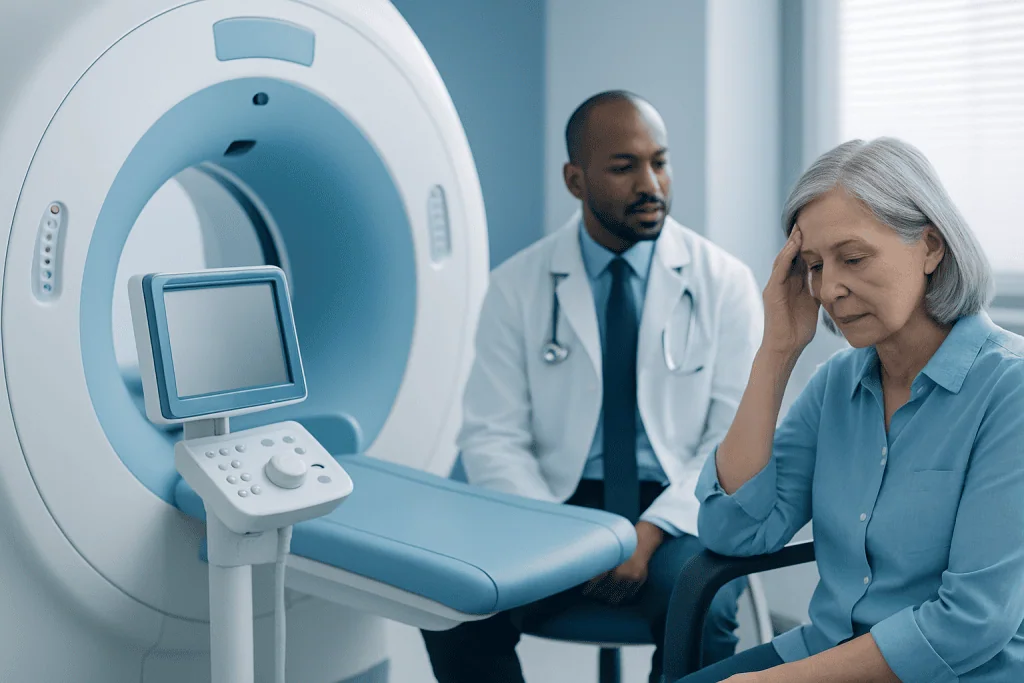
Brain fog and memory problems do not look the same in every person. Some notice lapses only during busy periods, while others feel impaired most days. Symptoms may be subtle at first and become more obvious when a person returns to work, studies, or complex household responsibilities.
Common symptoms can include forgetting recent conversations, losing track of tasks, difficulty concentrating, slower thinking, trouble finding words, mental fatigue, and reduced ability to organize or make decisions. Some people also feel overstimulated in noisy environments or need much more time to read, plan, or complete familiar activities.
These changes can affect work performance, driving confidence, financial management, medication routines, and relationships. Family members may notice repeated questions, missed appointments, or changes in confidence. While occasional forgetfulness is common, symptoms that interfere with usual functioning deserve proper evaluation.
- Difficulty focusing on conversations or reading
- Forgetting recent events or instructions
- Misplacing objects more often
- Trouble with planning, problem-solving, or multitasking
- Feeling mentally tired after routine tasks
- Word-finding problems or slowed speech
Common Causes and Risk Factors

There are many possible causes of brain fog and memory problems. In some cases, the issue is temporary and reversible. Sleep deprivation, chronic stress, anxiety, depression, grief, burnout, dehydration, alcohol use, and certain medications can all affect concentration and memory. Medical causes may include thyroid disorders, vitamin B12 deficiency, anemia, infections, menopause-related hormonal changes, chronic pain, and autoimmune disease.
Sleep problems are especially important because poor-quality sleep can strongly affect attention, processing speed, and memory consolidation. Conditions such as insomnia, sleep apnea, and sleep-related neurological problems may lead to daytime cognitive symptoms. Headache disorders can also interfere with thinking, particularly when pain, light sensitivity, or fatigue are frequent, as in headache medicine evaluation or migraine care.
Neurological causes should also be considered when symptoms are progressive, unusual for age, or associated with other signs such as balance changes, tremor, numbness, personality change, or difficulty speaking. Examples include recovery after stroke, transient reduced blood flow to the brain such as a transient ischemic attack, neurodegenerative disorders, multiple sclerosis, traumatic brain injury, or less commonly tumors and infections. Risk tends to increase with age, vascular risk factors, prior neurological illness, and a family history of certain conditions.
When Neuropsychological Testing Can Help
Neuropsychological testing is useful when symptoms are persistent, affecting daily life, or difficult to explain. It is often recommended when a person or family member notices changes in memory, attention, language, organization, or problem-solving that are not improving. It can also help after concussion, stroke, brain surgery, neurological illness, or cancer treatment that may affect cognition.
The testing process is designed to answer practical questions. Is memory truly impaired, or is poor concentration making memory seem worse? Are symptoms more consistent with depression, anxiety, sleep disruption, attention difficulties, or a neurological pattern? Is the change mild, moderate, stable, or worsening over time? By comparing performance across different thinking skills, specialists can identify strengths and weaknesses more precisely than a brief office screening alone.
These results can help guide treatment, rehabilitation, work or school accommodations, and long-term planning. In many cases, people feel reassured simply by understanding what is happening and why. If needed, a clinician may coordinate further assessment through neuropsychological services together with neurology, psychiatry, sleep medicine, or rehabilitation teams.
How Diagnosis Is Made
Evaluation usually begins with a detailed medical history. The clinician may ask when symptoms started, whether they appeared suddenly or gradually, how they affect daily activities, and whether there are associated symptoms such as poor sleep, headaches, low mood, dizziness, weakness, numbness, or changes in vision or balance. Medication use, alcohol or substance use, family history, educational background, and recent stressors are also important.
A physical and neurological examination may be done to look for signs pointing toward a nervous system disorder. Depending on the situation, blood tests can help check for reversible causes such as anemia, thyroid disease, vitamin deficiencies, infection, inflammation, or metabolic problems. If structural causes need to be excluded, a doctor may request imaging such as MRI, sometimes in coordination with advanced neuroradiology.
Neuropsychological testing itself usually includes paper-and-pencil and spoken tasks, and sometimes computer-based measures. These tasks assess attention, learning, memory, language, visual-spatial skills, processing speed, and executive functions such as planning and mental flexibility. The goal is not to pass or fail, but to build a profile of cognitive functioning. Results are interpreted in context, taking age, education, language, mood, fatigue, and medical history into account.
Treatment Options and Next Steps
Treatment depends on the underlying cause. If symptoms are related to poor sleep, depression, anxiety, medication side effects, hormonal changes, vitamin deficiency, or another medical issue, managing that condition may significantly improve thinking. In some cases, lifestyle changes and treatment of contributing factors are enough to restore mental clarity over time.
When a neurological condition is identified, treatment may involve a neurologist and other specialists. This can include management of vascular risk factors, rehabilitation after injury or stroke, treatment for headache disorders, or care for neurodegenerative conditions. Some patients benefit from coordinated assessment through neuropsychiatry when cognitive symptoms and mood symptoms overlap, because emotional health and cognition often influence each other.
Neuropsychological results can also support practical strategies. These may include memory aids, structured routines, breaking tasks into smaller steps, reducing distractions, speech or occupational therapy, cognitive rehabilitation, and work or school accommodations. For older adults, specialist review through geriatric neurology may be particularly helpful when age-related changes and medical complexity are both present.
Self-care, Prevention, and Brain-Healthy Habits
Not every cause of brain fog can be prevented, but healthy routines can support brain function and reduce avoidable contributors. Good-quality sleep, regular physical activity, balanced nutrition, hydration, stress management, and social engagement all help maintain cognitive health. Managing high blood pressure, diabetes, high cholesterol, and smoking is also important because vascular health and brain health are closely linked.
Helpful daily strategies include using a calendar, setting phone reminders, keeping commonly used items in the same place, and tackling mentally demanding tasks at the time of day when energy is best. It may also help to reduce multitasking, take short breaks during concentration-heavy work, and limit alcohol if it worsens memory or sleep.
If symptoms are ongoing, self-care should not replace medical assessment. A healthcare professional can help identify whether a reversible medical issue is present or whether further evaluation is needed. Near the end of the diagnostic process, international patients may also seek multidisciplinary assessment at Acibadem International, where JCI-accredited hospitals and specialists evaluate cognitive and neurological symptoms in a coordinated way.
When to See a Doctor
A doctor should be consulted if brain fog or memory problems last for weeks, worsen over time, or begin to interfere with work, home life, finances, driving, medication management, or safety. Medical review is also important if symptoms appear after a head injury, major infection, new medication, or significant change in mood or sleep.
Urgent medical attention is needed if symptoms begin suddenly or are accompanied by warning signs such as one-sided weakness, facial drooping, trouble speaking, severe or unusual headache, new seizures, fainting, marked confusion, chest pain, or vision loss. These symptoms may signal a medical emergency such as stroke or another acute neurological event.
It is also wise to seek medical advice if family members notice changes that the person does not fully recognize. Early assessment can identify reversible causes, provide reassurance when symptoms are benign, and allow timely treatment when a neurological condition is present.
Frequently asked questions
What is the difference between brain fog and dementia?
Brain fog is a general term for feeling mentally unclear, slowed, or less focused, and it can happen for many reasons, including stress, poor sleep, or illness. Dementia is a clinical syndrome that involves progressive decline in memory and other thinking abilities severe enough to affect daily function. Not everyone with brain fog has dementia, which is why proper evaluation is important.
What happens during neuropsychological testing?
Neuropsychological testing usually involves a series of structured tasks that measure attention, memory, language, problem-solving, and processing speed. Some tasks are verbal, some are written, and some may be computer-based. The testing is designed to understand how the brain is functioning, not to judge intelligence or effort.
How should a person prepare for cognitive testing?
It is usually helpful to sleep as well as possible, eat normally, bring glasses or hearing aids if needed, and carry a list of medications. A person should also bring any relevant medical records if requested. Specific preparation instructions may vary, so it is best to follow the clinic's guidance.
Can anxiety or depression cause memory problems?
Yes. Anxiety and depression can affect concentration, motivation, sleep, and mental energy, which may lead to forgetfulness or difficulty learning new information. In some people, treating mood symptoms leads to noticeable improvement in cognitive function.
Is occasional forgetfulness a normal part of aging?
Mild slowing or occasional forgetfulness can occur with aging, such as taking longer to recall a name. However, frequent memory lapses, repeated questions, getting lost in familiar places, or trouble managing daily responsibilities are not considered typical aging and should be assessed.
Can brain fog improve?
Often, yes. Improvement depends on the cause, but many people feel better once sleep issues, medication effects, stress, nutritional deficiencies, or other medical problems are addressed. Even when symptoms are related to a chronic condition, treatment and practical coping strategies can make daily life easier.
References
- World Health Organization
- National Institute on Aging
- National Institute of Neurological Disorders and Stroke
- American Psychological Association
- Alzheimer's Association
This article is for general information only and is not a substitute for professional medical advice. Please consult a qualified doctor about your individual situation.
Explore treatments in Turkey — costs, top hospitals & a free quote
JCI-accredited · board-certified surgeons · reply within 24h
Add us as a Preferred Source to see more of our trusted health content across Google Search, AI Overviews and Discover.

Neurology
Diagnosis and treatment of disorders of the brain, spinal cord, nerves and muscles.
51 specialists in this unit