

Breast Fat Transfer: Who Is a Good Candidate?

Breast fat transfer uses liposuction to collect fat from one area and place it into the breasts. It is usually best for people who want a modest increase in breast size or refined contouring.
Key Takeaways
- Breast fat transfer uses liposuction to collect fat from one area and place it into the breasts.
- It is usually best for people who want a modest increase in breast size or refined contouring.
- A good candidate typically has enough donor fat, stable weight, and realistic expectations.
- The procedure may not be suitable for those seeking a large size change or with certain medical or breast-health concerns.
- A qualified plastic surgeon can help determine whether fat transfer, implants, or another option is more appropriate.
Breast fat transfer is a type of breast enhancement that uses a person’s own fat to add modest volume or improve shape. Good candidates are generally healthy adults who want subtle, natural-looking results and understand that some transferred fat is naturally reabsorbed.
Overview
Breast fat transfer, also called fat grafting to the breasts, is a cosmetic procedure that moves fat from one part of the body to the breasts. The fat is usually collected through liposuction from areas such as the abdomen, thighs, or flanks, then processed and carefully injected into the breast tissue.
This option appeals to many people because it uses their own tissue rather than an implant. For the right candidate, it can create a natural feel and a subtle increase in breast fullness. It is often considered within the broader scope of aesthetic breast surgery and may also be combined with other body-contouring procedures when appropriate.
The key question is not simply whether a person wants fuller breasts, but whether their body shape, health, goals, and breast anatomy make the procedure suitable. A consultation with a qualified plastic surgeon is the best way to determine candidacy.
Who May Be a Good Candidate?
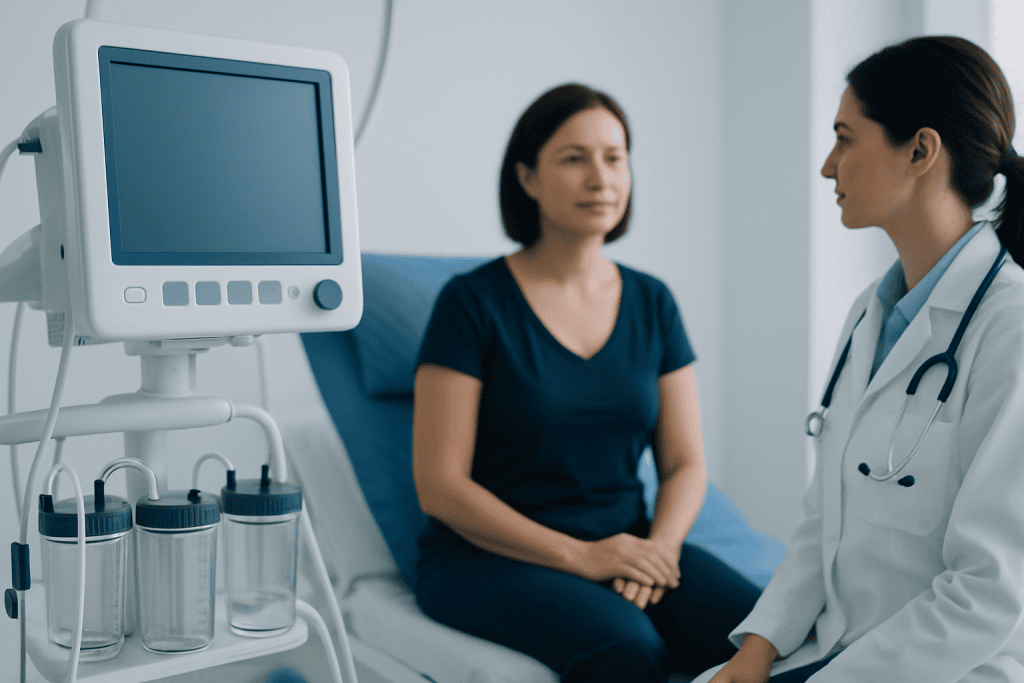
Good candidates for breast fat transfer are usually adults in good general health who want a modest enhancement rather than a dramatic increase in size. They often prefer a softer, more natural result and are comfortable with gradual change rather than immediate, large-volume augmentation.
People may be especially well suited if they have enough donor fat to harvest, are at a stable weight, and have enough breast tissue or skin quality to support the transferred fat. Some patients choose fat transfer to improve upper-pole fullness, correct mild asymmetry, or refine the shape after another breast procedure.
In many cases, candidates have realistic expectations about what the operation can and cannot do. Because not all transferred fat survives, the final size increase is usually limited, and more than one session may sometimes be discussed.
Common features of a good candidate include:
- Desire for a subtle or moderate increase in breast volume
- Adequate body fat for harvesting
- Stable weight and healthy lifestyle habits
- Realistic understanding of gradual, natural-looking results
- Interest in avoiding implants, when medically and aesthetically appropriate
What Breast Fat Transfer Can and Cannot Do
Breast fat transfer can improve shape, soften the contour of the breasts, and add limited volume using the person’s own fat. It may also help address minor irregularities or asymmetry, especially when the goal is refinement rather than major enlargement.
However, it is not the best choice for everyone. People who want a large increase in cup size, very significant lift, or a dramatic change in projection may be better served by another procedure, such as an implant-based option or a combined surgical plan. In some cases, a surgeon may discuss breast reduction or other reshaping procedures if the concern is imbalance rather than volume loss.
It is also important to understand that some of the transferred fat is naturally absorbed by the body over time. For that reason, surgeons plan the injection carefully and may recommend a conservative approach to help the transferred fat establish a blood supply and survive.
Causes & Risk Factors for Not Being an Ideal Candidate
Several factors can make breast fat transfer less suitable or require extra caution. A lack of available donor fat is one of the most common limiting factors, since the procedure depends on removing fat from another area of the body. Very low body weight or major recent weight loss may reduce the amount of usable fat and affect the long-term result.
Breast and general health also matter. People with active smoking, poorly controlled chronic illness, untreated bleeding problems, or certain breast imaging concerns may need to postpone surgery or choose another option. A surgeon will also consider whether the person has a history of breast cancer treatment, complex breast scarring, or other conditions that affect tissue quality.
Expectations are another important factor. If the desired outcome is a large size change, a single procedure may not meet the goal. Likewise, people seeking a very specific implant-like shape may not be ideal candidates for fat transfer alone.
Factors that may limit candidacy include:
- Too little donor fat
- Unstable body weight
- Smoking or nicotine use
- Uncontrolled medical conditions
- History of breast conditions that need special evaluation
- Expectations for dramatic enlargement
How Doctors Evaluate Candidacy
During consultation, the surgeon reviews the person’s medical history, goals, current breast shape, skin quality, and available donor areas. They may ask about prior breast surgery, pregnancies, breastfeeding, weight changes, medications, and any breast symptoms or imaging history.
The physical examination helps determine whether there is enough donor fat and whether the breast tissue can accommodate the transfer. The surgeon may also discuss the trade-off between natural-looking results and limited size change. If needed, they may recommend imaging or coordination with a breast specialist to make sure the breasts are appropriately evaluated before surgery.
Planning is highly individualized. In some cases, the surgeon may suggest combining fat transfer with another procedure, such as lift surgery or body contouring, to better match the patient’s anatomy and goals. Procedures like body contouring or classic liposuction may be relevant when the main goal is reshaping donor areas at the same time.
Treatment Options and Alternatives
For some patients, breast fat transfer is the preferred choice because it avoids implants and uses the body’s own tissue. For others, another method may provide a better balance of size, shape, and predictability. The right option depends on the person’s goals, anatomy, and tolerance for recovery and revision procedures.
Alternative approaches may include implant-based breast augmentation, breast lift surgery, or a combined approach using both implants and fat. A surgeon may also recommend treating areas of the body that carry excess fat or improve overall proportions, which can be especially relevant in patients who want both breast enhancement and body reshaping. In selected cases, BBL & Lipofilling-style fat grafting principles may be discussed for contour planning, though breast surgery has its own techniques and safety considerations.
The choice is not about which option is “better” in general, but which one is safer and more effective for a particular person. A thoughtful consultation helps match the procedure to the patient’s body and long-term expectations.
Prevention & Self-care
While breast fat transfer is a surgical procedure rather than something to prevent, good self-care before and after surgery can support a smoother experience. Maintaining a stable weight before the operation helps the surgeon plan more accurately and may improve the chance of a predictable result.
Patients are usually advised to stop smoking or nicotine exposure before surgery, follow all preoperative instructions carefully, and discuss every medication and supplement they take. After surgery, it is important to protect the breasts and donor sites, attend follow-up visits, and avoid putting unnecessary pressure on the healing areas.
Healthy habits after recovery can also help maintain results. Balanced nutrition, regular physical activity approved by the surgeon, and weight stability all matter because major weight changes can alter both the donor sites and the breasts over time.
When to See a Doctor
Anyone considering breast fat transfer should schedule a consultation with a board-certified or appropriately trained plastic surgeon. This is especially important for people with prior breast surgery, breast cancer treatment, significant weight loss, or medical conditions that could affect healing.
A doctor should also be consulted before any cosmetic procedure if there are breast lumps, nipple discharge, new breast pain, skin changes, or a personal or family history that raises breast-health concerns. These issues do not always prevent surgery, but they may require evaluation first.
For international patients, Acibadem International’s multidisciplinary specialists and JCI-accredited hospitals can help diagnose and treat breast-related concerns in a coordinated setting. The goal is always to match the procedure to the person’s health, anatomy, and expectations in a careful, individualized way.
Frequently asked questions
What is the main requirement for being a good candidate for breast fat transfer?
A good candidate usually wants a modest, natural-looking increase in breast volume and has enough donor fat for harvesting. They should also be in good general health and have realistic expectations about the amount of change possible.
Can very thin people have breast fat transfer?
Sometimes, but not always. If there is not enough donor fat available, the procedure may not be practical or may produce only a very limited result.
How much breast size increase can be expected?
Breast fat transfer is generally best for subtle to moderate enhancement rather than major enlargement. Because some of the fat is reabsorbed, the final result is usually less dramatic than implant-based augmentation.
Is breast fat transfer safe for everyone?
No procedure is suitable for everyone. People with certain medical conditions, active smoking, unstable weight, or breast-health concerns may need extra evaluation or a different option.
How long do results last?
Results can be long lasting if the transferred fat establishes a blood supply and the person maintains a stable weight. Significant weight loss or gain can change the appearance of both the breasts and donor sites.
Can breast fat transfer be combined with other procedures?
Yes, it can sometimes be combined with other cosmetic procedures if a surgeon feels it is appropriate. The exact plan depends on the person’s goals, anatomy, and overall health.
References
- American Society of Plastic Surgeons
- International Society of Aesthetic Plastic Surgery
- Mayo Clinic
- National Cancer Institute
This article is for general information only and is not a substitute for professional medical advice. Please consult a qualified doctor about your individual situation.
Breast Fat Transfer in Turkey — costs, top hospitals & a free quote
JCI-accredited · board-certified surgeons · reply within 24h
Add us as a Preferred Source to see more of our trusted health content across Google Search, AI Overviews and Discover.
Check your numbers in seconds
BMI, calories, due date, blood pressure and 30+ more clinical calculators — free, instant, doctor-reviewed ranges.

Plastic, Reconstructive & Aesthetic Surgery
Reconstructive and aesthetic procedures for the face and body, performed by experienced surgeons.
35 specialists in this unitRelated Treatments
Related Conditions
More from the Health Library



Related Specialists

Prof. Dr. Şükrü Yazar
Aesthetic Plastic & Reconstructive Surgery
Assoc. Prof. Dr. Erdem Güven (m)
Aesthetic Plastic & Reconstructive Surgery
Prof. Dr. Hakan Ağır
Aesthetic Plastic & Reconstructive Surgery
Prof. Dr. Bülent Saçak
Aesthetic Plastic & Reconstructive Surgery