

Breast Lift Recovery Timeline: When Swelling Eases and Shape Settles
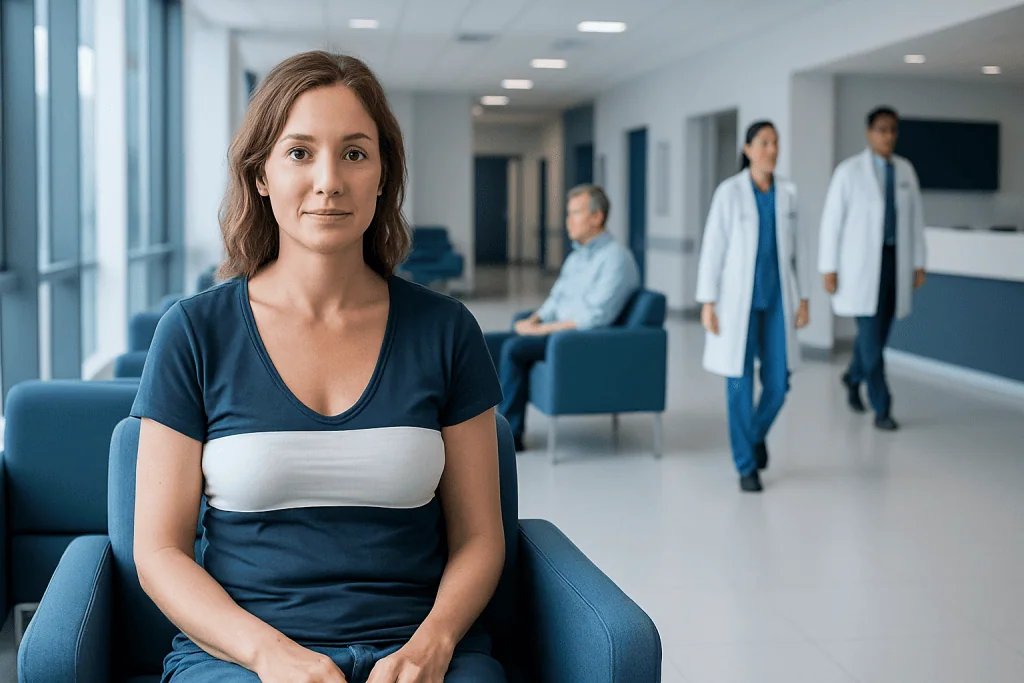
Most swelling and bruising improve significantly in the first 2 to 6 weeks after a breast lift. Breast shape often looks higher and firmer at first, then settles into a more natural position over several months.
Key Takeaways
- Most swelling and bruising improve significantly in the first 2 to 6 weeks after a breast lift.
- Breast shape often looks higher and firmer at first, then settles into a more natural position over several months.
- Healing speed depends on the surgical technique, skin quality, overall health, and how closely aftercare instructions are followed.
- Temporary tightness, numbness, asymmetry, and scar changes are common during recovery.
- Patients should seek medical advice promptly for fever, increasing redness, worsening pain, or sudden swelling.
A breast lift recovery timeline usually unfolds in stages, with early swelling and bruising improving over the first few weeks and breast shape settling more gradually over several months. Understanding what is typical can help patients heal more comfortably, follow aftercare instructions, and know when to contact their surgeon.
Overview of Breast Lift Recovery
A breast lift, also called mastopexy, reshapes and raises the breasts by removing excess skin and repositioning the breast tissue and nipple area. Recovery is gradual rather than immediate. Although many patients feel noticeably better within a few weeks, the breasts continue to soften, settle, and refine in shape for months.
In the early period after surgery, the breasts often sit higher on the chest and may feel tight, swollen, or firm. This is a normal response to swelling and internal healing. Over time, tissues relax, incisions mature, and the final contour becomes more natural.
The exact breast lift recovery timeline differs from one person to another. It can be influenced by age, skin elasticity, smoking status, underlying health conditions, whether implants or reduction were combined with the lift, and the details of the surgical technique. Patients who have questions about procedure planning may also learn more about aesthetic breast surgery and related options from a qualified plastic surgeon.
What to Expect in the First Days and Weeks
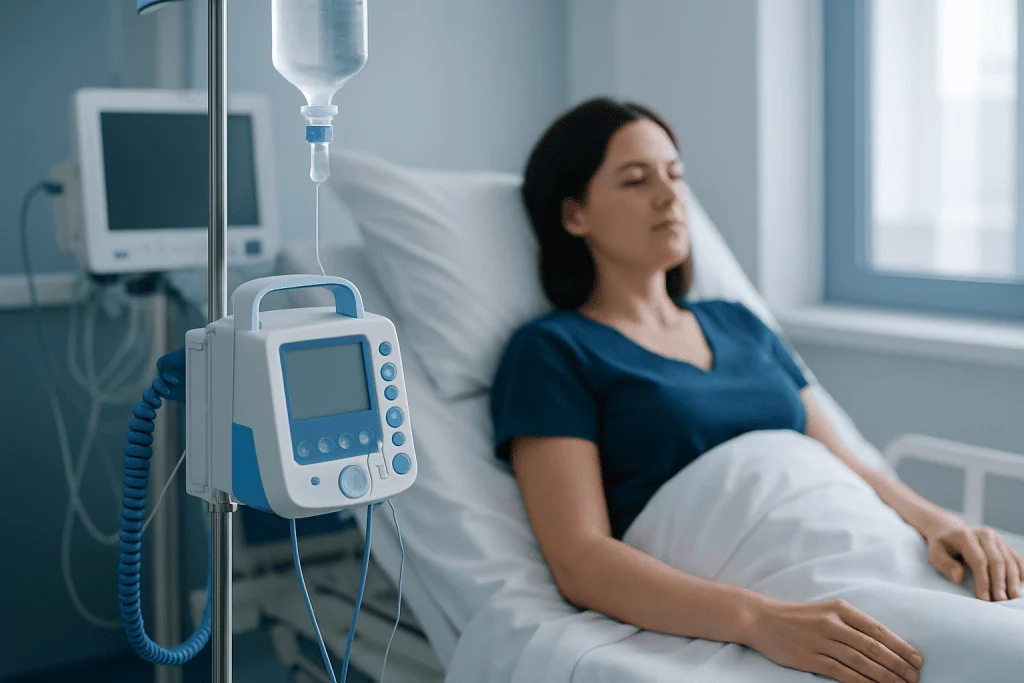
The first few days after a breast lift are usually the most physically noticeable. Mild to moderate discomfort, swelling, bruising, and fatigue are common. Surgeons often recommend rest, light walking, and careful use of a surgical bra or support garment to help reduce swelling and support the healing breasts.
During the first week, the breasts may appear uneven, overly lifted, or fuller in the upper part. This can be unsettling, but it is usually temporary. Swelling is not always equal on both sides, so one breast may seem to heal slightly faster than the other.
By about 2 to 3 weeks, many patients find that bruising has faded and daily comfort has improved. Light activities may be easier, but strenuous exercise, heavy lifting, and upper-body strain are still usually restricted. It is important to follow the operating surgeon’s instructions, because doing too much too soon may increase swelling or affect scar healing.
- Days 1 to 7: swelling, tightness, bruising, and tiredness are common
- Weeks 2 to 3: discomfort often improves, but breasts may still feel firm and sit high
- Weeks 4 to 6: many patients return to more normal routines, depending on medical advice
When Swelling Eases and Shape Settles
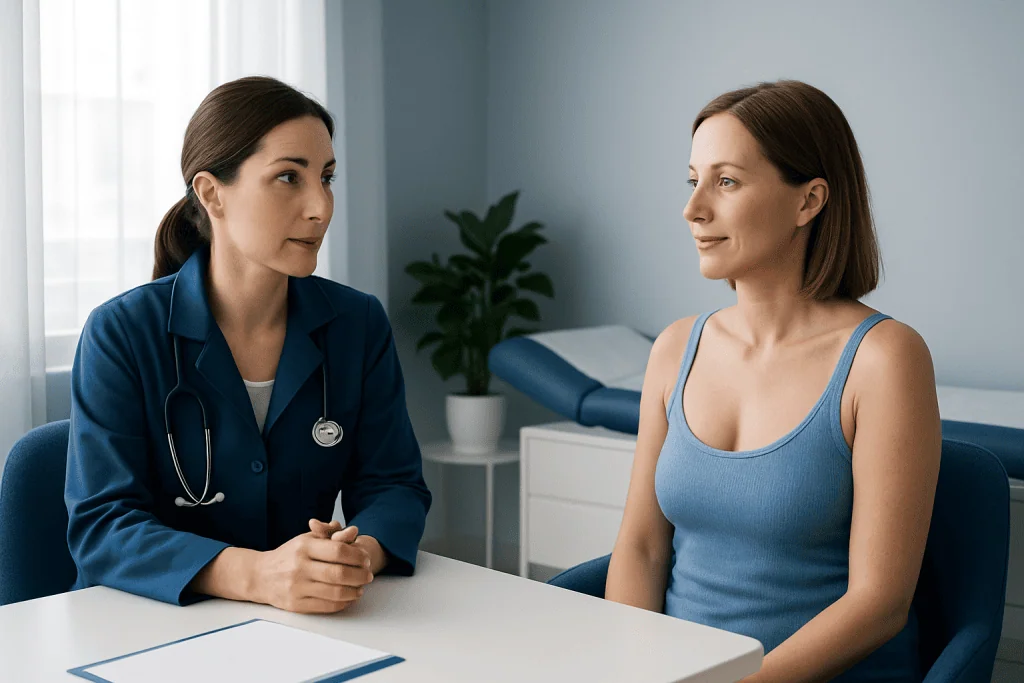
One of the most common questions after surgery is when the swelling will go down. In most cases, the most obvious swelling improves over the first several weeks. However, mild residual swelling can persist for much longer, especially in the lower breast, around incision lines, or after more extensive reshaping.
Breast shape usually settles in stages. Early on, the breasts can look rounder, higher, and somewhat firm. As swelling decreases and the tissues relax, the breasts tend to drop into a softer, more natural contour. This process may continue for 3 to 6 months, and in some patients even longer.
Scar tissue development also affects how the breasts feel and look during recovery. Some firmness or lumpiness can be part of normal healing. The final result is best judged only after the body has had time to recover fully. Patients combining a lift with other procedures, such as breast reduction, may notice a somewhat different recovery pace depending on the extent of surgery.
Supportive garments, sleeping on the back, avoiding smoking, and limiting vigorous activity can all help swelling improve more smoothly. Good hydration, balanced nutrition, and regular follow-up visits are also important parts of healing.
Common Symptoms During Healing
Many sensations and appearance changes during recovery are normal. These can include tenderness, pulling sensations, tightness across the chest, temporary numbness, sensitivity around the nipples, itching near the incisions, and mild asymmetry. These symptoms often improve as nerves and tissues heal.
Scars also change over time. In the beginning, incision lines may look pink, red, raised, or firm. This does not necessarily mean there is a problem. Scar maturation commonly takes many months, and the scars usually become flatter and less noticeable with time. Some people are more prone to thick or raised scars, including keloid scars, so this should be discussed before surgery if relevant.
It is also common for emotional reactions to change during the healing process. Patients may feel pleased one day and worried the next, especially if swelling makes the result seem uneven or not yet final. Reassurance from the surgical team and realistic expectations can help patients navigate this temporary phase more comfortably.
- Normal symptoms may include bruising, firmness, swelling, itching, and temporary numbness
- Minor side-to-side differences are common early in recovery
- Scars generally improve gradually over several months
Factors That Affect Recovery Time
Recovery after a breast lift is influenced by both surgical and personal factors. The amount of skin removed, the type of incisions used, whether the procedure was combined with another operation, and how much breast tissue was repositioned all matter. More extensive procedures often involve a longer period of swelling and tissue settling.
Individual healing capacity also plays a major role. Smoking or nicotine use can slow healing and increase the risk of wound problems. Conditions such as diabetes, poor nutrition, or circulation issues may also affect recovery. Stable body weight, good general health, and careful aftercare tend to support a smoother experience.
Previous breast surgery can influence healing as well. In some cases, patients seeking body contour changes after weight changes or pregnancy may discuss related procedures such as body contouring with their surgeon. Each combination procedure should be evaluated individually, as overall recovery demands may be greater.
Scar tendency, skin quality, breast size, and hormonal changes can also affect the final appearance. Because every body heals differently, a surgeon’s estimate is more helpful than comparing recovery timelines with friends, social media posts, or online forums.
Aftercare, Self-care, and Scar Support
Good aftercare helps protect the surgical result while the breasts heal. Patients are usually advised to wear the recommended support bra, avoid underwire bras until approved, sleep on the back, and keep pressure off the chest. Showering and incision care should follow the surgeon’s exact instructions, especially if dressings or drains are used.
Activity restrictions are important. Gentle walking is often encouraged soon after surgery to support circulation, but high-impact exercise, heavy lifting, pushing, pulling, and chest-focused workouts are usually postponed. Returning to work depends on the nature of the job and the pace of recovery.
Scar care may be introduced once the incisions are sufficiently healed. Depending on the surgeon’s advice, this might include silicone-based products, gentle massage, sun protection, and ongoing observation for signs of abnormal scarring. Good skin protection matters because sun exposure can darken healing scars.
Healthy habits make a difference throughout the breast lift recovery timeline. Patients should avoid smoking, eat protein-rich and balanced meals, stay hydrated, and attend all scheduled follow-up visits. Near the end of recovery planning, some international patients may seek care through multidisciplinary specialists at Acibadem International, where JCI-accredited hospitals diagnose and treat a wide range of aesthetic concerns, including cosmetic (aesthetic) surgery.
When to Contact a Doctor
Most symptoms after a breast lift are part of normal healing, but some changes need prompt medical attention. Patients should contact their surgeon if pain is worsening rather than improving, if one breast suddenly becomes much more swollen, or if there is significant bleeding or fluid leakage from the incisions.
Other warning signs include fever, increasing redness, warmth, a bad odor from the wound, shortness of breath, or calf pain. These symptoms do not always mean a serious complication, but they should be assessed quickly. Early medical review can help address problems before they become more difficult to treat.
Patients should also speak with their surgeon if they are concerned about delayed healing, persistent asymmetry, or scars that appear increasingly thick and raised. While uncommon, wound healing problems can occur after surgery, and prompt evaluation is especially important in people with risk factors such as smoking, diabetes, or poor circulation.
Follow-up appointments are a key part of safe recovery. Even when healing seems to be going well, these visits allow the surgeon to assess swelling, breast position, scars, and overall progress, and to advise when activities can be increased safely.
Frequently asked questions
How long does breast lift recovery usually take?
Initial recovery often takes a few weeks, but full healing is slower. Most visible swelling improves in the first 2 to 6 weeks, while breast shape and scars may continue to settle for several months.
When will swelling go down after a breast lift?
The most noticeable swelling usually starts to ease during the first few weeks. Mild swelling can remain for months, especially after more extensive surgery or if healing is naturally slower.
Why do the breasts look too high after surgery?
Breasts often appear higher and firmer immediately after a lift because of swelling and internal tissue support. As healing progresses, the tissues gradually soften and settle into a more natural position.
Is uneven swelling normal after a breast lift?
Yes, some degree of uneven swelling is common during recovery. The two sides of the body rarely heal in exactly the same way or at the same pace, although sudden major differences should be checked by a doctor.
When can exercise be resumed after a breast lift?
Light walking is often encouraged early, but strenuous exercise usually needs to wait until the surgeon says it is safe. The timing depends on the extent of surgery and the patient's healing progress, so individualized advice is important.
How long do breast lift scars take to fade?
Breast lift scars usually look more noticeable in the early months, then gradually soften and lighten over time. Scar maturation can take many months, and the final appearance depends on skin type, genetics, incision care, and sun protection.
References
- American Society of Plastic Surgeons
- National Health Service
- Mayo Clinic
- U.S. Food and Drug Administration
- British Association of Plastic, Reconstructive and Aesthetic Surgeons
This article is for general information only and is not a substitute for professional medical advice. Please consult a qualified doctor about your individual situation.
Explore treatments in Turkey — costs, top hospitals & a free quote
JCI-accredited · board-certified surgeons · reply within 24h
Add us as a Preferred Source to see more of our trusted health content across Google Search, AI Overviews and Discover.

Plastic, Reconstructive & Aesthetic Surgery
Reconstructive and aesthetic procedures for the face and body, performed by experienced surgeons.
35 specialists in this unitRelated Treatments
Related Conditions
More from the Health Library
Related Specialists
Assoc. Prof. Dr. Erdem Güven (m)
Aesthetic Plastic & Reconstructive Surgery
Prof. Dr. Şükrü Yazar
Aesthetic Plastic & Reconstructive Surgery
Prof. Dr. Hakan Ağır
Aesthetic Plastic & Reconstructive Surgery
Prof. Dr. Bülent Saçak
Aesthetic Plastic & Reconstructive Surgery