

Brow Lift vs Forehead Botox: Which Option Lasts Longer?

A brow lift generally lasts much longer than forehead Botox. Botox relaxes forehead muscles temporarily, while a brow lift repositions tissue more structurally.
Key Takeaways
- A brow lift generally lasts much longer than forehead Botox.
- Botox relaxes forehead muscles temporarily, while a brow lift repositions tissue more structurally.
- Botox works best for dynamic lines caused by facial expression; a brow lift is more helpful for brow descent and forehead sagging.
- Recovery, cost, risks, and maintenance differ significantly between the two options.
- Some people benefit from combining treatments for a balanced, natural-looking result.
When comparing brow lift vs forehead Botox, the main difference in durability is clear: Botox offers temporary improvement for a few months, while a brow lift can provide longer-lasting change for years. The right option depends on the person’s anatomy, aging pattern, desired result, recovery preferences, and whether they want a surgical or non-surgical approach.
Overview: What Is the Difference?
In the discussion of brow lift vs forehead Botox, both options aim to refresh the upper face, but they work in very different ways. Forehead Botox is a non-surgical treatment that temporarily relaxes specific muscles responsible for expression lines and some downward pull on the brows. A brow lift is a surgical procedure that raises or reshapes the brow position by adjusting the underlying tissues of the forehead.
The reason one lasts longer than the other comes down to mechanism. Botox wears off as nerve signaling gradually returns and the muscles begin moving normally again. A brow lift changes the physical position of soft tissue more directly, so the improvement tends to be much more durable, although natural aging still continues over time.
People often use these terms interchangeably, but they are not substitutes in every case. Botox can soften horizontal forehead lines and may create a subtle brow-opening effect in selected patients. A brow lift procedure is usually considered when there is true brow drooping, forehead heaviness, or upper-face aging that cannot be corrected with injections alone.
Which Option Lasts Longer?
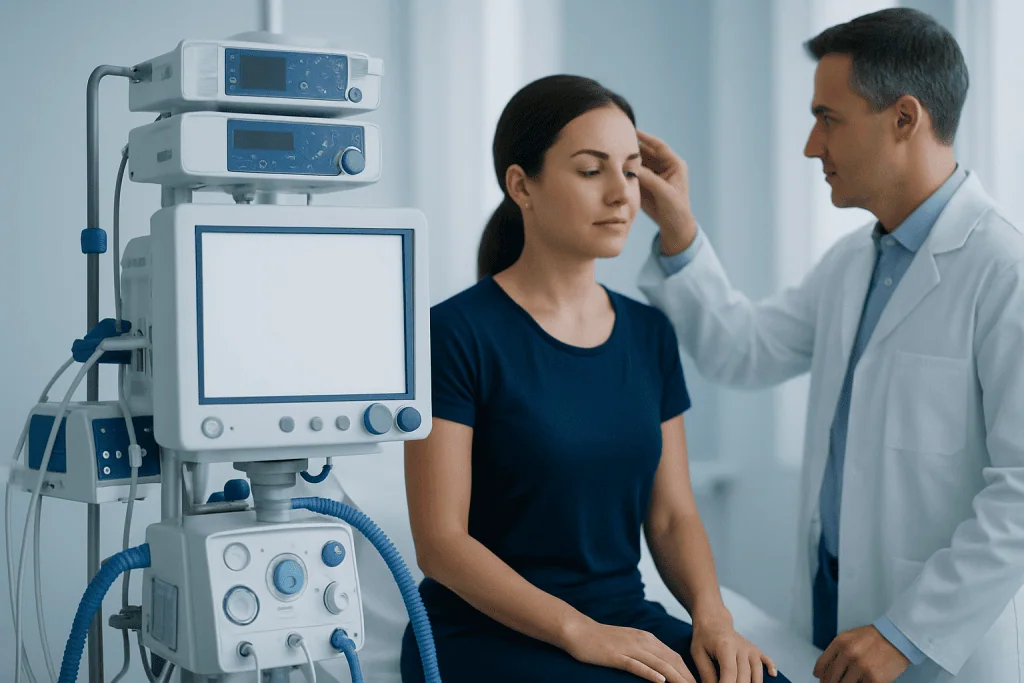
For most people, forehead Botox lasts about 3 to 4 months, although the exact duration varies. Some may notice effects fading sooner, while others may keep results a little longer depending on muscle strength, metabolism, treatment technique, and how often they have had injections before. Because the effect is temporary, maintenance appointments are needed to preserve the result.
A brow lift generally lasts for years, not months. The duration can differ based on surgical technique, skin quality, age, genetics, and lifestyle factors such as smoking or major weight changes. While no procedure can stop the natural aging process, a brow lift offers a longer-lasting structural improvement than Botox.
That does not mean longer-lasting automatically means better for everyone. Some people prefer the flexibility of Botox because it is not permanent and does not require surgery or a recovery period. Others want a more durable correction and are willing to accept downtime to achieve it. The best choice depends on the kind of change a person wants and how significant the brow descent or forehead aging is.
Who Is a Good Candidate for Each?

Forehead Botox is often a good option for adults with mild to moderate dynamic forehead lines, early signs of brow heaviness, or a desire for subtle improvement without surgery. It is especially useful when wrinkles are mainly caused by repeated muscle movement, such as raising the eyebrows or frowning. Patients who want little to no downtime often prefer this route.
A brow lift may be more suitable for people with low or drooping brows, excess upper-face skin, deep forehead creasing related to tissue descent, or a tired or heavy appearance around the eyes. It can also help when brow position affects the visual field or contributes to upper eyelid crowding. In some cases, surgeons evaluate nearby concerns as well, such as eyelid changes or the need for related facial procedures, including reconstructive ophthalmology care when function around the eyes is involved.
Previous surgery, scars, facial asymmetry, and medical conditions also influence candidacy. Patients with a history of facial injury, for example facial trauma, may need a more individualized assessment. A consultation with a qualified plastic surgeon or dermatologist helps determine whether the concern is primarily muscular, skin-related, structural, or a combination of all three.
Results: What Improvements Can Be Expected?
Botox typically creates a smoother forehead by relaxing the muscles that form expression lines. It may also produce a mild lifting effect at the outer brow in selected patients, which can make the eyes look more open. The change is usually subtle and works best for people who want a refreshed appearance without dramatically altering facial features.
A brow lift tends to provide a more noticeable repositioning of the brows and upper forehead. It can reduce heaviness over the eyes, improve forehead contour, and create a more rested expression. Depending on the person’s anatomy, it may also improve asymmetry and reduce the constant effort some people use to lift their brows manually.
It is important to set realistic expectations for both approaches. Botox will not remove significant loose skin or correct marked brow descent. Likewise, a brow lift is not designed to erase every fine wrinkle or replace skin care. Some patients achieve the most harmonious outcome by combining surgery with non-surgical treatments later, such as ongoing wrinkle management or complementary facial procedures within broader cosmetic aesthetic surgery planning.
Procedure, Recovery, and Risks
Forehead Botox is performed in an outpatient setting and usually takes only a short time. Most people return to normal activities the same day. Mild redness, temporary swelling, pinpoint bruising, headache, or a heavy sensation can occur. Less commonly, the treatment can lead to uneven brow position or temporary eyelid droop if the medicine spreads to nearby muscles.
A brow lift is a surgical procedure, so it involves anesthesia or sedation, preoperative planning, and recovery time. Techniques vary and may include endoscopic, temporal, or more traditional approaches depending on the anatomy and goals. Swelling, bruising, tightness, temporary numbness, and visible scars are possible, though incision placement is usually planned carefully to reduce their visibility.
As with any surgery, there are potential risks such as infection, bleeding, asymmetry, delayed healing, hairline changes, nerve irritation, or dissatisfaction with the cosmetic result. Scar behavior also varies from person to person, and this may be especially relevant in individuals prone to thick scars or keloid scars. A thorough consultation helps patients understand likely benefits, limitations, and risks before choosing either option.
Cost, Maintenance, and Long-Term Value
Botox usually has a lower upfront cost than surgery, which is one reason it appeals to many people. However, because results fade, repeat treatment is needed regularly to maintain the effect. Over several years, the cumulative cost can become significant, especially if additional areas such as the frown lines or crow’s feet are treated at the same time.
A brow lift generally has a higher initial cost because it is a surgical procedure requiring specialist care, facility resources, and recovery planning. Even so, some patients view it as better long-term value because the result lasts much longer and does not require frequent maintenance sessions. The financial comparison is therefore not always straightforward.
Value is not just about price. It also includes convenience, comfort with surgery, time away from work or social activities, and the type of result desired. A person wanting a reversible, lower-commitment treatment may prefer Botox, while someone seeking a more durable correction may find surgery more practical in the long run. Broader facial planning sometimes includes related procedures such as aesthetic neck contouring if overall facial balance is part of the treatment goal.
How Doctors Decide Between Brow Lift and Botox
Specialists usually begin by examining brow position at rest, forehead movement, eyelid anatomy, skin quality, and facial symmetry. They also ask what bothers the patient most: horizontal forehead lines, a heavy brow, tired-looking eyes, or asymmetry. This matters because the treatment should match the real cause of the concern rather than just the visible wrinkle.
If the issue is mainly dynamic muscle activity, Botox may be enough. If the problem is structural brow descent, extra upper-face skin, or persistent heaviness that does not improve when the muscles are relaxed, surgery may be more effective. In some cases, both treatments are used at different times because they solve different parts of the problem.
At experienced centers, decisions are individualized rather than one-size-fits-all. Near the end of the planning process, patients may review whether a non-surgical trial makes sense first or whether surgery better fits their goals. Acibadem International’s multidisciplinary specialists in JCI-accredited hospitals evaluate upper-face concerns and treat international patients with personalized aesthetic plans.
When to Seek Professional Advice
Anyone considering brow rejuvenation should seek professional advice if the brows seem to be drooping, the upper face looks persistently tired, forehead lines are becoming more noticeable, or eyelid heaviness is affecting comfort or appearance. A specialist can help clarify whether the concern is due to normal expression lines, skin laxity, brow descent, or another issue around the eyes and forehead.
Medical assessment is also important before repeat injections or surgery if there is facial asymmetry, previous upper-face surgery, a history of injury, unusual scarring, or symptoms such as visual obstruction. While aesthetic concerns are common, they can overlap with functional issues in some patients. A tailored examination supports safer decisions and more realistic expectations.
In general, brow lift vs forehead Botox is not only a question of which lasts longer, but which option is most appropriate for the person’s anatomy and goals. Botox is often the simpler temporary choice, while a brow lift offers longer-lasting structural improvement. A qualified doctor can explain which approach is likely to give the most natural and satisfying result.
Frequently asked questions
Does a brow lift last longer than forehead Botox?
Yes. In most cases, a brow lift lasts for years, while forehead Botox usually lasts only a few months. The exact timeline varies by person, but surgery is generally the longer-lasting option.
Can Botox lift the brows like surgery does?
Botox can create a mild lifting effect in some people by relaxing muscles that pull the brows downward. However, it does not reposition tissue the way surgery does. For significant brow drooping, a brow lift is usually more effective.
Is forehead Botox safer than a brow lift?
Botox is less invasive and has a shorter recovery period, so many people consider it the lower-commitment option. Still, both treatments have potential risks and should be performed by qualified professionals. Safety depends on proper assessment, technique, and patient selection.
Who should choose Botox instead of a brow lift?
Botox may be a good choice for someone with mild forehead lines, early brow heaviness, or a desire for subtle results without surgery. It also suits people who want little downtime and are comfortable with regular maintenance treatments.
Who is more likely to benefit from a brow lift?
A brow lift is often more suitable for someone with clear brow descent, forehead sagging, or heaviness over the eyes that cannot be corrected with injections alone. It may also be considered when a longer-lasting result is the main goal.
Can brow lift and Botox be combined?
Yes. They are sometimes combined because they address different concerns. A brow lift can improve brow position, while Botox can later help soften dynamic expression lines and maintain a refreshed appearance.
References
- American Society of Plastic Surgeons
- American Academy of Dermatology
- American Board of Cosmetic Surgery
- National Health Service
- Mayo Clinic
This article is for general information only and is not a substitute for professional medical advice. Please consult a qualified doctor about your individual situation.
Brow Lift in Turkey — costs, top hospitals & a free quote
JCI-accredited · board-certified surgeons · reply within 24h
Add us as a Preferred Source to see more of our trusted health content across Google Search, AI Overviews and Discover.

Plastic, Reconstructive & Aesthetic Surgery
Reconstructive and aesthetic procedures for the face and body, performed by experienced surgeons.
35 specialists in this unitRelated Treatments
Related Conditions
More from the Health Library

Related Specialists
Assoc. Prof. Dr. Erdem Güven (m)
Aesthetic Plastic & Reconstructive Surgery
Prof. Dr. Şükrü Yazar
Aesthetic Plastic & Reconstructive Surgery
Prof. Dr. Hakan Ağır
Aesthetic Plastic & Reconstructive Surgery
Prof. Dr. Bülent Saçak
Aesthetic Plastic & Reconstructive Surgery