

Cheek Augmentation Recovery: When Swelling Settles and Results Show
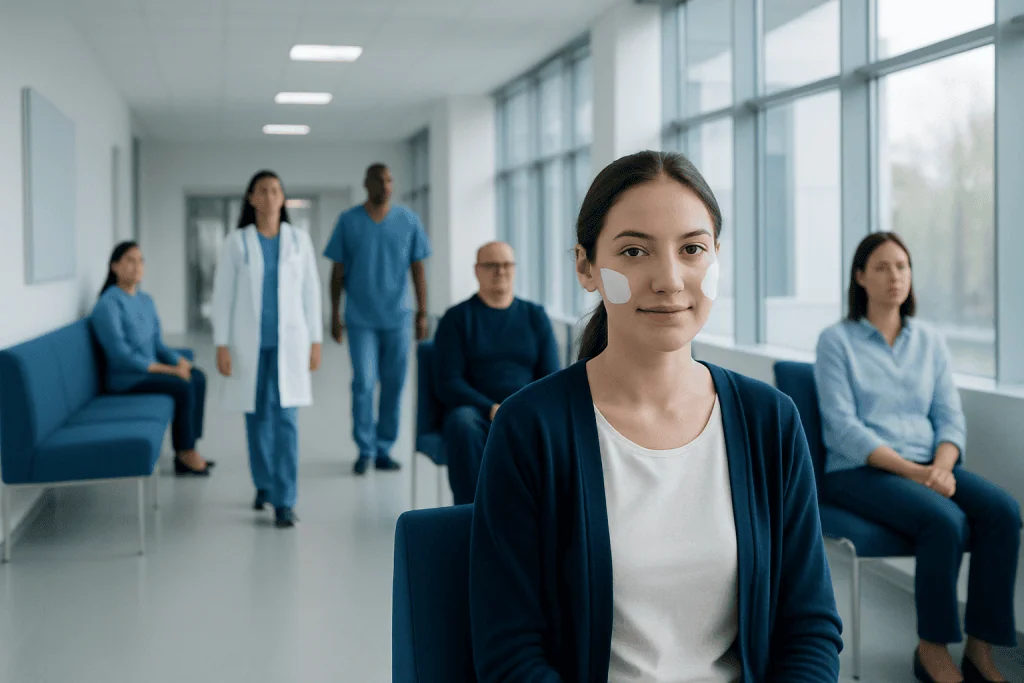
Swelling is expected after cheek augmentation and is often most noticeable in the first few days. Many people feel socially presentable within 1 to 3 weeks, but final results may take weeks or months to fully show.
Key Takeaways
- Swelling is expected after cheek augmentation and is often most noticeable in the first few days.
- Many people feel socially presentable within 1 to 3 weeks, but final results may take weeks or months to fully show.
- Recovery can differ depending on whether cheek augmentation is done with implants, fillers, or fat transfer.
- Sleeping with the head elevated, following surgeon instructions, and avoiding pressure on the face can support healing.
- Persistent severe pain, increasing redness, fever, or sudden asymmetry should be reviewed by a doctor.
Cheek augmentation recovery is usually gradual, with the most noticeable swelling and bruising improving in the first days to weeks. Final facial contours often take longer to settle, especially after implants or fat transfer, so patience and careful aftercare are important.
Overview of Cheek Augmentation Recovery
Cheek augmentation is a cosmetic procedure used to add shape, volume, or definition to the midface. Recovery depends on the method used, such as implants, fat transfer, or injectable fillers, as well as the person’s natural healing response. In general, swelling and bruising are normal parts of recovery and improve gradually over time.
In the early phase, the cheeks may look fuller, firmer, or more uneven than expected because tissues are swollen. This can be surprising, but it does not usually reflect the final outcome. As healing continues, swelling settles, tissues soften, and facial contours become more balanced.
Patients often want to know when they will look “normal” again. The answer varies, but many people feel comfortable returning to everyday activities within days to a couple of weeks, depending on the procedure. Final results often take longer, especially after surgical cheek implants or fat grafting.
Cheek augmentation may be performed on its own or together with other facial procedures within cosmetic aesthetic surgery. Recovery instructions should always come from the treating surgeon, because details can differ based on the technique used and the person’s medical history.
How the Recovery Timeline Usually Unfolds

The first 48 to 72 hours are often the period when swelling is most noticeable. Mild to moderate bruising, tightness, tenderness, and temporary facial puffiness are common. Some people also notice that smiling, chewing, or certain facial expressions feel different at first because the tissues are healing.
During the first week, swelling usually begins to improve, although the cheeks may still appear more prominent than planned. Bruising often starts to fade during this time. If implants were placed through the mouth, the surgeon may recommend extra attention to oral hygiene and a softer diet to reduce irritation while the incision heals.
By the second or third week, many patients notice a clearer change in facial shape. At this stage, a large part of the visible swelling may have settled, and it often becomes easier to judge overall symmetry. However, deeper tissue swelling can persist longer, particularly after surgical procedures.
More refined results may emerge over several weeks to months. Fat transfer can take additional time because some transferred fat is naturally reabsorbed by the body, while the remaining fat gradually stabilizes. With implants, tissues need time to relax around the implant so the cheeks look and feel more natural.
What Affects Swelling and Healing

Several factors influence how quickly swelling settles after cheek augmentation. The type of procedure matters: injectable fillers usually involve less downtime than surgery, while implants and fat transfer generally require a longer healing period. The surgical approach, the amount of correction, and whether additional facial procedures were performed can also change recovery time.
Individual factors are important too. Age, skin quality, general health, smoking, alcohol use, sleep, hydration, and how closely aftercare instructions are followed can all affect healing. Some people simply bruise or swell more easily than others, even when the procedure and aftercare are straightforward.
Temporary unevenness is common in the early recovery period. One side of the face may appear more swollen than the other, especially during the first days. This does not always mean there is a problem, but persistent or worsening asymmetry should be checked by the surgeon.
People with a history of raised or thickened scarring, such as keloid scars, should discuss this with their doctor before any facial surgery. Although cheek augmentation incisions are often placed in less visible areas, personal healing patterns can still influence recovery and scar quality.
Common Symptoms During Recovery
Most patients can expect some combination of swelling, bruising, tenderness, tightness, and temporary numbness. These symptoms are usually mild to moderate and improve steadily. The cheeks may feel firm or look slightly overcorrected at first, especially after implants or fat grafting.
After surgical cheek augmentation, chewing and opening the mouth wide may feel uncomfortable for a short time. If the incision is inside the mouth, the surgeon may advise avoiding very hot, spicy, or hard foods until healing has progressed. Sleeping on the face or placing pressure on the cheeks is usually discouraged during the early stage.
Some temporary changes are part of normal healing:
- Puffiness that is worse in the morning
- Mild bruising under the eyes or across the midface
- A sensation of heaviness or tightness in the cheeks
- Temporary numbness or altered skin sensation
- Minor asymmetry while swelling settles
Symptoms should generally improve, not intensify, as days pass. Severe pain, increasing redness, drainage, fever, sudden swelling, or skin color changes need prompt medical assessment. These can suggest complications such as infection, bleeding, or problems with blood supply, depending on the procedure used.
Treatment-Specific Recovery: Implants, Fat Transfer, and Fillers
Recovery after cheek implants is usually the longest of the three common methods. Because implants are placed surgically, the body needs time to heal around them. Swelling can be more pronounced at first, and final positioning may seem clearer only after several weeks, sometimes longer. Patients are often advised to protect the face from pressure and avoid strenuous activity until approved by the surgeon.
Fat transfer involves taking fat from one area of the body, processing it, and injecting it into the cheeks. Recovery includes both the cheek area and the donor site, so there may be swelling or bruising in more than one place. Early fullness may decrease as part of the transferred fat is reabsorbed naturally. Final volume is assessed only after the graft has stabilized.
Injectable fillers usually have the shortest recovery time. Mild swelling, tenderness, or bruising can still occur, but many people resume routine activities quickly. Even so, the cheeks can look slightly overfilled for a few days before the tissue settles and the product integrates more evenly.
Fat transfer may be part of broader contouring strategies alongside procedures such as body contouring or body aesthetics. When cheek enhancement is performed as part of facial reconstruction after facial trauma, healing expectations may differ because the tissues have already been affected by injury.
Aftercare Tips to Support a Smoother Recovery
Good aftercare helps reduce discomfort and supports healing. Patients should follow the instructions given by their surgeon, because recommendations vary depending on whether the procedure was surgical or non-surgical. In many cases, using cold compresses in the first day or two, resting, and keeping the head elevated can help limit swelling.
Surgeons commonly recommend avoiding strenuous exercise, bending heavily, facial pressure, and sleeping face-down during early recovery. It is also wise to avoid smoking and limit alcohol, since both can interfere with normal healing. A gentle routine, balanced meals, and good hydration may help the body recover more comfortably.
Useful self-care measures often include:
- Sleep with the head elevated on extra pillows
- Take prescribed or recommended medicines exactly as directed
- Choose softer foods if chewing is uncomfortable
- Keep any incision area clean according to instructions
- Avoid touching, massaging, or pressing on the cheeks unless told otherwise
- Attend all follow-up visits so healing can be checked
If the mouth was used as the entry site, careful oral hygiene is especially important. Patients may be advised to rinse after eating and avoid anything that could irritate the incision. Anyone considering surgery near the upper face may also read about related procedures such as brow lift when discussing overall facial balance with a specialist.
When Results Begin to Show
Visible results begin immediately in the sense that the cheeks look fuller right away, but this early appearance is affected by swelling. For that reason, the first few days do not show the true result. As the cheeks settle, the contour usually becomes more defined and natural-looking.
For fillers, a more reliable appearance is often seen after swelling improves over several days to two weeks. For implants, the cheeks may continue to refine for several weeks, and subtle settling can continue beyond that. For fat transfer, patience is especially important because the initial fullness changes as healing progresses and the surviving fat establishes its blood supply.
It can help to think of recovery in stages: early swelling, visible improvement, and final refinement. Photographs taken at follow-up visits may make progress easier to appreciate, since day-to-day changes can be hard to notice. The surgeon will typically advise when it is reasonable to judge the final result.
Near the end of recovery, most patients are looking for softer contours, improved cheek definition, and better harmony with the rest of the face. For international patients seeking evaluation and aftercare planning, Acibadem International’s multidisciplinary specialists in JCI-accredited hospitals diagnose and treat cosmetic and reconstructive facial concerns with individualized care.
When to Contact a Doctor
Routine swelling and bruising are expected, but certain symptoms should not be ignored. Medical advice is important if pain is severe or getting worse instead of better, if swelling suddenly increases, or if one cheek becomes markedly more swollen, red, or hot. Fever, pus, foul taste from an intraoral incision, or bleeding that does not settle also need medical review.
Breathing difficulty, trouble swallowing, skin discoloration, or sudden vision changes require urgent attention. These are not typical parts of recovery and should be assessed promptly. Patients should also call their doctor if numbness persists longer than expected or if the implant or treated area seems to shift noticeably.
Follow-up appointments are a routine part of safe recovery, even when healing seems to be going well. These visits allow the surgeon to check swelling, symmetry, incision healing, and overall progress. If there is any uncertainty about whether a symptom is normal, it is safest to ask a qualified doctor rather than wait.
People who are planning future procedures should mention any previous healing problems, infections, or scar concerns during consultation. Clear communication before and after treatment can help set realistic expectations and support the best possible recovery experience.
Frequently asked questions
How long does cheek augmentation swelling last?
Most swelling is usually most noticeable in the first few days and improves over 1 to 3 weeks. However, mild deeper swelling can take longer to settle, especially after implants or fat transfer.
When will final cheek augmentation results be visible?
Final timing depends on the technique used. Fillers may settle within days to a couple of weeks, while implants and fat transfer often need several weeks or months before the most reliable result can be judged.
Is it normal for one cheek to look more swollen than the other?
Yes, mild temporary asymmetry can happen during healing because swelling does not always settle evenly. If the difference becomes more noticeable, painful, or red, the surgeon should review it.
How can swelling be reduced after cheek augmentation?
Common advice includes resting, keeping the head elevated, using cold compresses early if recommended, and avoiding pressure on the cheeks. Patients should also follow all medication, hygiene, and activity instructions provided by their surgeon.
When can normal exercise be resumed after cheek augmentation?
Light daily activity is often resumed earlier than strenuous exercise, but exact timing depends on the procedure and the surgeon’s guidance. Patients should avoid returning to intense workouts too soon, as this may worsen swelling or interfere with healing.
What warning signs after cheek augmentation need medical attention?
A doctor should be contacted for worsening pain, fever, increasing redness, drainage, or sudden swelling. Urgent care is needed for breathing problems, trouble swallowing, major bleeding, or sudden vision changes.
References
- American Society of Plastic Surgeons
- American Academy of Facial Plastic and Reconstructive Surgery
- National Health Service
- Mayo Clinic
- U.S. Food and Drug Administration
This article is for general information only and is not a substitute for professional medical advice. Please consult a qualified doctor about your individual situation.
Cheek Augmentation in Turkey — costs, top hospitals & a free quote
JCI-accredited · board-certified surgeons · reply within 24h
Add us as a Preferred Source to see more of our trusted health content across Google Search, AI Overviews and Discover.

Plastic, Reconstructive & Aesthetic Surgery
Reconstructive and aesthetic procedures for the face and body, performed by experienced surgeons.
35 specialists in this unitRelated Treatments
Related Conditions
More from the Health Library



Related Specialists

Prof. Dr. Şükrü Yazar
Aesthetic Plastic & Reconstructive Surgery
Assoc. Prof. Dr. Erdem Güven (m)
Aesthetic Plastic & Reconstructive Surgery
Prof. Dr. Hakan Ağır
Aesthetic Plastic & Reconstructive Surgery
Prof. Dr. Bülent Saçak
Aesthetic Plastic & Reconstructive Surgery