

Chin Implant or Sliding Genioplasty: Which Procedure Changes the Profile More?

Both procedures can improve a weak or recessed chin and create a more balanced side profile. Sliding genioplasty often offers greater flexibility because the chin bone can be moved forward, shortened, lengthened, or adjusted for asymmetry.
Key Takeaways
- Both procedures can improve a weak or recessed chin and create a more balanced side profile.
- Sliding genioplasty often offers greater flexibility because the chin bone can be moved forward, shortened, lengthened, or adjusted for asymmetry.
- A chin implant is usually less complex and can be a good option when the main goal is modest to moderate projection.
- The best choice depends on bone structure, bite relationship, soft tissues, and the patient’s aesthetic goals.
- A specialist evaluation is important because profile concerns may also involve the nose, jaw, or neck.
Chin implant and sliding genioplasty are both used to improve chin projection and facial balance, but they change the profile in different ways. In general, sliding genioplasty can create a broader range of movement because it repositions the patient’s own chin bone, while a chin implant mainly adds forward projection with selected implant sizes and shapes.
Overview: How These Procedures Change the Profile
Chin shape has a strong effect on facial harmony. Even a small change in projection can make the nose appear more balanced, the jawline look more defined, and the neck-chin angle appear smoother. For people who feel their chin is recessed or out of proportion, surgeons commonly consider two main options: a chin implant and sliding genioplasty.
A chin implant is a prosthetic device placed over the front of the chin bone to increase projection and improve contour. It adds volume rather than moving the underlying bone. Sliding genioplasty, by contrast, is a bone procedure. The surgeon cuts and repositions the lower part of the chin bone, then secures it with small plates or screws.
When the question is which changes the profile more, the answer is often sliding genioplasty. Because the patient’s own bone is moved, the surgeon can usually make larger and more customized changes in multiple directions. However, “more” is not always “better.” The best procedure is the one that safely matches the person’s anatomy and goals.
In aesthetic planning, surgeons also look at the whole face rather than the chin alone. Some patients benefit from combined procedures to improve facial balance, such as chin aesthetic surgery or cheek augmentation when midface support is also limited.
What Is a Chin Implant?
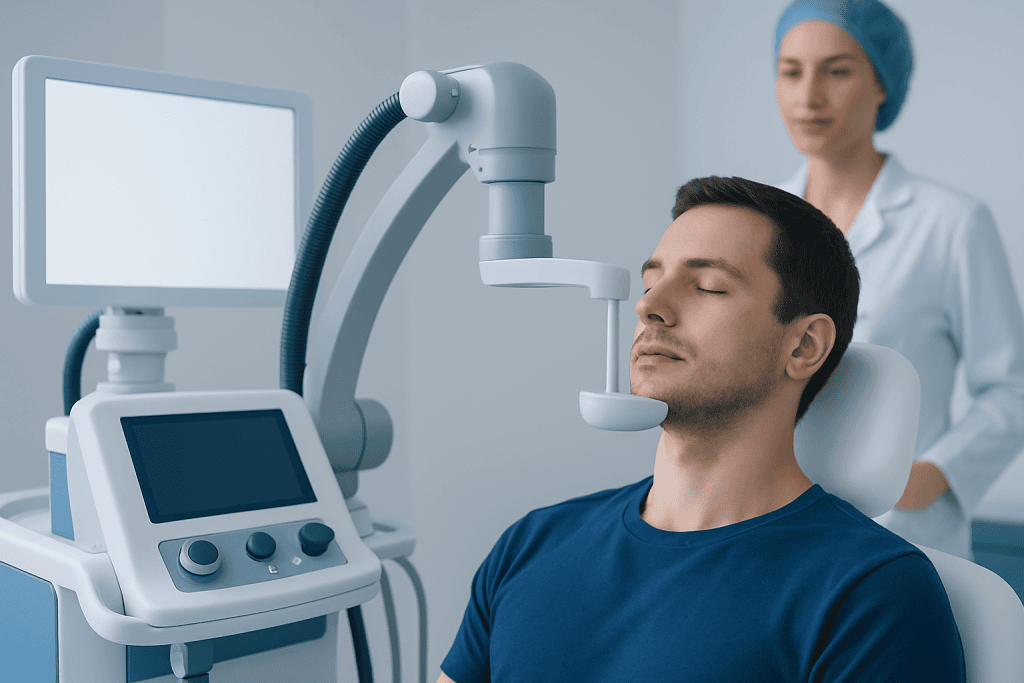
A chin implant is a common facial contouring procedure used to strengthen a small or retruded chin. The implant is usually made of a biocompatible material and is selected in a size and shape that suits the patient’s facial proportions. It is placed through a small incision, often inside the mouth or under the chin.
This procedure mainly increases forward projection, although some implant designs also add width or improve the transition along the jawline. Because the bone itself is not cut, surgery is generally more straightforward than genioplasty. For patients who want a moderate enhancement and have otherwise suitable chin anatomy, an implant can create a noticeable improvement in profile balance.
Still, implants have limits. They are best at adding shape rather than correcting more complex structural issues. If the chin needs vertical lengthening, shortening, major asymmetry correction, or large advancement, an implant may not provide the same degree of control as bone repositioning.
Surgeons also consider skin thickness, muscle activity, dental alignment, and the quality of the chin bone. In some people, a chin implant can look natural and refined; in others, a bony procedure may produce a more stable or anatomically precise result.
What Is Sliding Genioplasty?

Sliding genioplasty is a surgical procedure that changes the chin by moving the patient’s own chin bone. The surgeon makes a controlled cut in the lower jaw bone below the tooth roots and slides the chin segment into a new position. It is then fixed in place with small titanium plates or screws.
This approach can do more than simply push the chin forward. Depending on the person’s needs, the chin can often be advanced, moved back, lengthened vertically, shortened, or adjusted to improve side-to-side asymmetry. That wider range of movement is the main reason sliding genioplasty often changes the profile more than an implant.
Because it uses the patient’s own bone, genioplasty may be especially helpful when there is a significant skeletal deficiency or a need for precise contour change. It can also be useful in patients with a history of facial trauma or structural chin irregularity, where a custom bone movement may be preferable to adding an implant.
Sliding genioplasty is usually more technically involved than implant placement, and recovery may include more swelling or temporary numbness. Even so, many patients and surgeons value it for its versatility and the ability to tailor changes closely to facial anatomy.
Which Procedure Changes the Profile More?
In most cases, sliding genioplasty has the greater potential to change the profile. That is because it repositions bone rather than simply adding volume on top of it. A surgeon can often make larger forward movements and can also alter vertical height or asymmetry, which may significantly affect facial proportions from the side.
A chin implant can still create a meaningful profile improvement, especially in mild to moderate chin retrusion. For many people, that level of change is enough to make the lower face look stronger and more balanced. But if the chin is markedly set back, very short, or uneven, the implant’s effect may be more limited.
The visible result also depends on surrounding features. A profile concern may partly come from the nose, neck fullness, bite relationship, or lower jaw position rather than the chin alone. In some cases, patients considering chin surgery also discuss broader cosmetic (aesthetic) surgery planning so the final result fits the entire face.
Ultimately, “which changes the profile more” should be understood as a planning question, not a competition between procedures. A more dramatic change is only beneficial if it remains natural, proportionate, and appropriate for the person’s bone structure and soft tissues.
- Chin implant: usually best for adding projection and modest contour enhancement
- Sliding genioplasty: usually best for larger, multidirectional, or more customized skeletal changes
- Combined assessment: important when the profile is affected by the nose, jaw, or neck as well as the chin
Who May Be a Better Candidate for Each Option?
A chin implant may suit someone with a mildly recessed chin, good dental bite, and a main goal of increasing projection without major skeletal correction. It may also appeal to patients who prefer a shorter operation or a procedure that does not involve cutting the bone. The expected result should be realistic and based on the limits of implant sizing and shape.
Sliding genioplasty may be a better fit for people with a more pronounced chin deficiency, vertical chin imbalance, asymmetry, or a need for highly tailored movement. It is also often considered when the surgeon wants to reposition the chin in a way an implant cannot achieve. If the lower face has a more complex structural issue, genioplasty may offer a better anatomical solution.
During consultation, the surgeon evaluates photographs, facial measurements, bite, dental health, and imaging when needed. They also assess soft tissues, because skin thickness and muscle tone influence how changes will appear from the outside. Sometimes profile imbalance is related to jaw positioning and may require a different treatment plan than chin surgery alone.
Past healing history matters too. For example, patients who tend to develop thick or raised scars, such as keloid scars, should discuss incision placement and scar risk with the surgeon, even though many chin incisions are hidden or placed inside the mouth.
Diagnosis, Planning, and What to Expect From Surgery
Good planning is essential for either procedure. The assessment usually starts with a discussion of what bothers the patient most: weak projection, a short chin, asymmetry, or lack of jawline definition. The surgeon then examines facial proportions from the front and side, checks the bite, and may order imaging such as cephalometric analysis or other facial scans.
These steps help determine whether the problem is primarily soft tissue, chin position, or the relationship of the upper and lower jaws. In some patients, a small chin is part of a broader jaw alignment issue, and treatment recommendations may change accordingly. This is why a consultation should not focus only on the chin in isolation.
Surgery is usually performed under anesthesia in an operating room. Chin implants are placed in a prepared pocket over the bone. Sliding genioplasty involves carefully cutting and moving the chin segment, then securing it with fixation hardware. Both procedures require attention to nearby nerves, especially those that provide feeling to the lower lip and chin.
At experienced centers, care may involve plastic surgeons, maxillofacial surgeons, and imaging specialists working together. Acibadem International’s multidisciplinary specialists and JCI-accredited hospitals diagnose and treat facial contour concerns for international patients, with treatment plans tailored to anatomy and goals.
Recovery, Risks, and Long-Term Considerations
Recovery varies from person to person, but swelling, mild discomfort, and temporary changes in sensation are common after both procedures. Swelling is often more noticeable at first than the final result, so the chin may look different as healing progresses. Most patients are advised to follow their surgeon’s instructions on oral hygiene, diet, activity, and sleeping position.
Temporary numbness of the lower lip or chin can happen, particularly with genioplasty because the surgery is closer to the nerve pathway. Bruising, tenderness, and tightness may also occur. Most side effects improve over time, but recovery should be monitored by the surgical team.
Potential risks differ somewhat between the two options. With implants, concerns can include shifting, visible edges in some patients, infection, or dissatisfaction with the chosen size. With sliding genioplasty, risks can include changes in sensation, healing issues at the bone cut, or the need for a more involved recovery. Any surgery also carries general risks such as bleeding, swelling, and reaction to anesthesia.
Long-term, both procedures can be stable when appropriately selected and well performed. The key is careful patient selection, detailed planning, and realistic expectations. Some people prefer an implant for its relative simplicity, while others choose genioplasty for the broader range of correction it offers.
How to Decide and When to See a Specialist
Choosing between chin implant and sliding genioplasty should begin with a specialist consultation rather than a before-and-after photo alone. Two people with a similar-looking profile may need different procedures because their bone structure, bite, and soft tissues are not the same. A tailored assessment usually gives the safest and most satisfying path.
It is reasonable to ask the surgeon what change is possible with each option, how much projection can be achieved, whether vertical adjustment is needed, and what kind of recovery to expect. Patients may also ask whether the concern is limited to the chin or whether the nose, neck, or jaw should be evaluated at the same time. This can help avoid undercorrection or an unbalanced result.
A specialist review is especially important if the chin looks uneven, there has been previous facial surgery, or there is a history of injury, jaw pain, or bite problems. In some cases, profile concerns may overlap with reconstructive issues rather than purely cosmetic ones. If the lower face has additional contour concerns, a surgeon may also discuss related options within a broader aesthetic plan, although treatment should remain focused on the patient’s actual needs.
In simple terms, sliding genioplasty usually changes the profile more, but a chin implant can still be an excellent choice for the right person. The goal is not the biggest change possible, but a balanced, natural-looking improvement that fits the whole face.
Frequently asked questions
Does sliding genioplasty always look more dramatic than a chin implant?
Not always. Sliding genioplasty usually allows a wider range of change, but the final look depends on how much correction is actually needed. A modest genioplasty can look subtle, while a well-chosen implant can still make a clear improvement in profile balance.
Is a chin implant safer than sliding genioplasty?
Both procedures are commonly performed and can be safe in appropriately selected patients. They differ in technique and risk profile rather than one being universally safer than the other. A qualified surgeon can explain which option is more suitable based on anatomy, medical history, and goals.
Can either procedure fix a weak jawline?
They can improve the appearance of the lower face, especially when a small chin is contributing to a weak profile. However, the jawline is influenced by several factors, including bone structure, skin, muscle, and neck fullness. Some patients need a broader facial assessment to understand what will create the most balanced result.
Will chin surgery affect the bite?
A standard chin implant usually does not change the bite because it adds contour to the chin area. Sliding genioplasty also generally focuses on the chin rather than the dental bite itself, although it involves the lower jaw bone. If a bite problem exists, separate jaw or orthodontic evaluation may be needed.
How long does recovery take after chin implant or genioplasty?
Initial recovery usually takes days to weeks, while swelling continues to settle over a longer period. Sliding genioplasty may involve more swelling and temporary numbness than an implant. The exact timeline varies with the procedure, the amount of correction, and the person’s healing response.
Can the results look natural?
Yes, both procedures can look natural when the surgical plan is based on facial proportions rather than simply making the chin larger. The most natural outcomes usually come from careful analysis of the whole face and realistic expectations. Communication with the surgeon about preferred changes is very important.
References
- American Society of Plastic Surgeons
- American Association of Oral and Maxillofacial Surgeons
- National Health Service
- Mayo Clinic
- MedlinePlus
This article is for general information only and is not a substitute for professional medical advice. Please consult a qualified doctor about your individual situation.
Genioplasty in Turkey — costs, top hospitals & a free quote
JCI-accredited · board-certified surgeons · reply within 24h
Add us as a Preferred Source to see more of our trusted health content across Google Search, AI Overviews and Discover.

Related Treatments
Related Conditions
More from the Health Library



Related Specialists

Assoc. Prof. Dr. Erdem Güven (m)
Aesthetic Plastic & Reconstructive Surgery
Prof. Dr. Şükrü Yazar
Aesthetic Plastic & Reconstructive Surgery
Prof. Dr. Hakan Ağır
Aesthetic Plastic & Reconstructive Surgery
Prof. Dr. Bülent Saçak
Aesthetic Plastic & Reconstructive Surgery