

Does Insurance Cover Rhinoplasty for a Deviated Septum?

A deviated septum can cause nasal blockage, snoring, recurrent sinus problems, and trouble breathing. Insurance often covers septoplasty and may cover functional rhinoplasty when clear medical need is documented.
Key Takeaways
- A deviated septum can cause nasal blockage, snoring, recurrent sinus problems, and trouble breathing.
- Insurance often covers septoplasty and may cover functional rhinoplasty when clear medical need is documented.
- Purely cosmetic changes to the nose are usually not covered by insurance.
- Pre-authorization, exam findings, photos, and records of symptoms or prior treatments may be required.
- A combined procedure may include both covered functional work and non-covered cosmetic work.
Insurance may cover rhinoplasty when it is performed to correct breathing problems caused by a deviated septum, but coverage is less likely when the procedure is only for appearance. The key issue is whether the operation is considered medically necessary and properly documented.
Overview
Many people wonder whether insurance will pay for rhinoplasty if they have a deviated septum. The short answer is that it can, but only in certain situations. Insurance companies usually distinguish between surgery done to improve breathing or repair structural problems and surgery done only to change the nose’s appearance.
A deviated septum occurs when the wall between the two nasal passages is off-center. This can narrow one or both sides of the nose and make normal airflow more difficult. If symptoms are significant, a doctor may recommend septoplasty, which straightens the septum, or septorhinoplasty, which combines septum correction with reshaping the outer nose when that is also needed for function.
Coverage decisions usually depend on medical necessity. In practical terms, this means the insurer will look for evidence that the person has symptoms, that the nasal structure is contributing to those symptoms, and that surgery is expected to improve function. Cosmetic refinements, if requested at the same time, are often billed separately.
What a Deviated Septum Can Cause
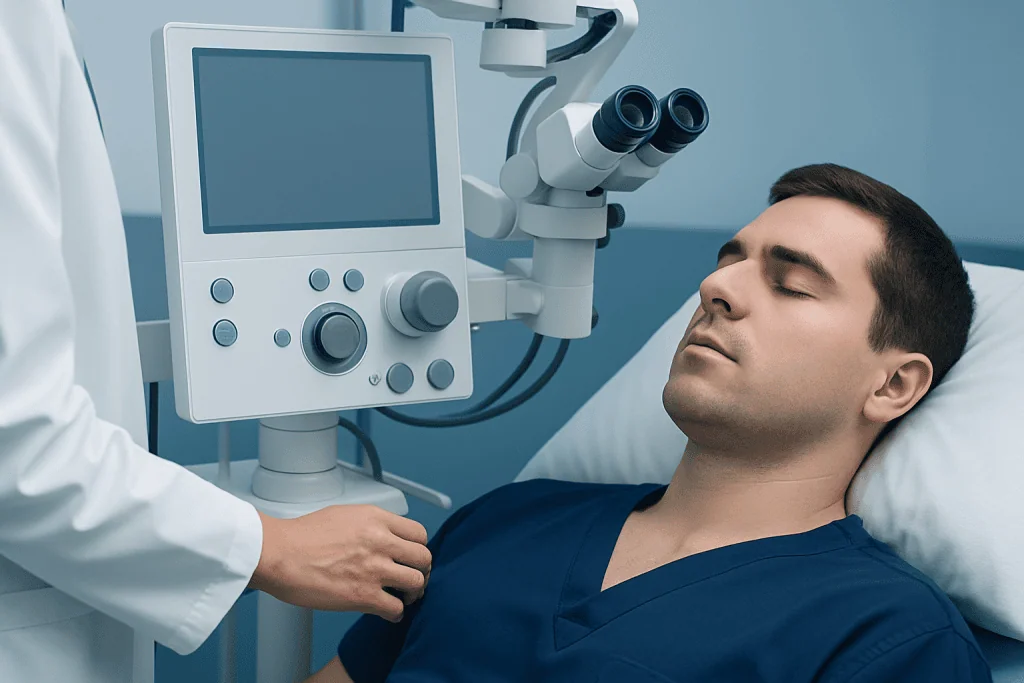
A deviated septum does not always need treatment. Some people have a mild deviation and no noticeable symptoms. Others develop persistent nasal obstruction that affects sleep, exercise, and day-to-day comfort.
Common symptoms include feeling blocked on one side of the nose, difficulty breathing through the nose, frequent congestion, snoring, dryness, nosebleeds, and recurrent sinus infections. Some people also notice headaches, mouth breathing, or a reduced sense of smell. When these symptoms are ongoing, an evaluation by an ear, nose, and throat specialist or a facial plastic surgeon may help identify the cause.
Not all breathing problems are due to the septum alone. Swollen turbinates, nasal valve collapse, allergies, prior injury, or facial trauma can also contribute. This is one reason careful examination is important before deciding whether surgery is needed and whether insurance is likely to consider it medically necessary.
Septoplasty, Rhinoplasty, and Septorhinoplasty

Septoplasty is surgery to straighten the deviated septum inside the nose. Its main goal is to improve airflow and relieve nasal blockage. Because it addresses function rather than appearance, it is the procedure most commonly covered by insurance when clear criteria are met.
Rhinoplasty reshapes the external nose. It may be cosmetic, functional, or both. A cosmetic rhinoplasty changes appearance alone, such as the bridge, tip, or overall shape. A functional rhinoplasty addresses structural problems that affect breathing, such as collapse of the nasal valves or deformity after injury.
Septorhinoplasty combines internal septum correction with external nasal reconstruction or reshaping. This may be recommended when the outer nasal framework also contributes to obstruction, or when the nose has been altered by trauma, prior surgery, or congenital differences. In these cases, one part of the operation may be covered and another part may not be.
Patients exploring nasal reshaping often come across broader information on cosmetic and aesthetic surgery. However, when breathing is the main concern, the discussion usually centers on function, anatomy, and medical documentation rather than appearance alone.
When Insurance May Cover Surgery
Insurance is more likely to cover surgery when the deviated septum causes meaningful symptoms and a doctor documents that the problem is structural. The insurer may also want to see that conservative treatment, such as allergy therapy, nasal sprays, or other medical management, has been tried when appropriate and did not give enough relief.
Coverage may be considered for septoplasty, turbinate reduction, or functional rhinoplasty if there is persistent nasal obstruction, recurrent sinus issues related to blockage, deformity after trauma, or nasal valve collapse that affects airflow. If the outside shape of the nose needs to be changed to restore breathing, that functional portion may qualify even though the word “rhinoplasty” is used.
What is usually not covered is surgery requested only to refine appearance. For example, narrowing the tip or smoothing a hump for cosmetic reasons alone is generally an out-of-pocket expense. If functional and cosmetic work are done together, the surgeon’s office often separates the medically necessary part from the elective cosmetic part for billing purposes.
Coverage rules vary by insurer and policy. Even within the same company, the exact benefits may differ between plans. It is helpful for patients to ask whether the procedure requires pre-authorization, whether photographs or test results are needed, and which parts of the surgery are considered covered benefits.
How Doctors and Insurers Determine Medical Necessity
Medical necessity is usually based on symptoms, physical examination, and supporting records. The doctor will ask about the degree of nasal blockage, sleep disturbance, exercise limitation, recurrent infections, prior injury, and previous treatments. They will then examine the inside and outside of the nose to see whether the septum, nasal valves, turbinates, or other structures are contributing.
Many insurers require a detailed office note describing the obstruction and how it affects daily life. Nasal endoscopy may be performed to view the inside of the nose more closely. Standardized photographs are also commonly used, especially when functional rhinoplasty is requested, because they help show structural collapse or visible deformity.
Some insurers ask for evidence that non-surgical treatment has been tried, such as saline rinses, allergy management, or prescribed nasal medication when suitable. They may also request proof that symptoms are not fully explained by temporary congestion alone. Prior trauma, scarring, or asymmetry may strengthen the case for reconstruction if they clearly impair breathing.
If the problem is complex, a team with experience in reconstruction may be involved. This can be especially relevant after injuries or scarring conditions, and in some settings patients may also be evaluated alongside specialists familiar with related reconstructive needs such as auricular reconstruction or other facial structural procedures.
What Patients Should Do Before Scheduling Surgery
Before committing to surgery, patients should request an evaluation from a qualified specialist experienced in both nasal function and appearance. This helps clarify whether the main issue is a deviated septum alone or whether other structures, such as the nasal valves or turbinates, also need treatment. A careful plan can reduce surprises about insurance and out-of-pocket costs.
It is wise to contact the insurance company directly and ask specific questions. Helpful questions include whether septoplasty is covered, whether functional rhinoplasty is covered, whether pre-authorization is required, what documentation is needed, and whether there are deductibles, co-payments, or facility restrictions. Patients should also ask how combined functional and cosmetic procedures are billed.
Keeping records can be useful. Symptom history, previous medications, records of sinus infections, sleep-related complaints, prior imaging if available, and notes from earlier doctors may all help support the request for coverage. If there has been injury, documentation about the event may also matter.
Patients considering appearance changes in addition to breathing improvement should request a clear written breakdown of covered and non-covered charges. This may include surgeon fees, anesthesia, hospital or surgical center fees, and any optional cosmetic modifications. Transparent planning makes it easier to understand the financial side before surgery day.
Treatment, Recovery, and Self-care
If surgery is approved and recommended, the exact procedure depends on the cause of obstruction. Septoplasty can straighten the septum, while turbinate reduction may decrease crowding inside the nose. Functional rhinoplasty may support weakened areas of the nose to improve airflow. In some people, limited external reshaping is necessary to restore function rather than to create a cosmetic change.
Recovery varies by procedure and by the amount of work performed. Swelling, congestion, mild discomfort, and temporary difficulty breathing through the nose are common early on. The surgical team usually advises rest, head elevation, avoiding strenuous activity for a period, and following all cleaning and medication instructions carefully.
Healing of breathing function may continue for weeks as swelling improves. The final external appearance, if any outside reshaping was done, can take much longer to settle. Patients should attend follow-up visits and contact their doctor if they develop heavy bleeding, fever, worsening pain, or new breathing concerns.
People who are also interested in elective nose refinement sometimes ask about broader facial balance procedures such as chin aesthetic surgery. These decisions are separate from insurance coverage for a deviated septum and should be discussed individually with the surgeon.
When to Seek Medical Advice
A person should seek medical advice if nasal blockage is persistent, one-sided, or interfering with sleep, exercise, or daily activities. Evaluation is also important when there are repeated sinus infections, frequent nosebleeds, chronic mouth breathing, or a history of injury that changed the shape of the nose.
Prompt assessment is especially helpful after trauma or when symptoms are getting worse. Some structural problems can be missed without a proper exam. A specialist can determine whether medication, watchful waiting, septoplasty, or functional rhinoplasty is the most suitable next step.
Patients should remember that insurance approval is an administrative decision based on policy rules, while treatment recommendations are medical decisions based on symptoms and anatomy. Both matter. Near the end of the process, a hospital or clinic’s insurance team may help coordinate documentation and pre-authorization. Acibadem International’s multidisciplinary specialists and JCI-accredited hospitals diagnose and treat nasal structural problems for international patients when further evaluation is needed.
Frequently asked questions
Is rhinoplasty for a deviated septum always covered by insurance?
No. Insurance does not automatically cover rhinoplasty just because a deviated septum is present. Coverage is usually based on whether the surgery is medically necessary to improve breathing or repair structure, rather than to change appearance.
What is the difference between septoplasty and rhinoplasty?
Septoplasty straightens the septum inside the nose to improve airflow. Rhinoplasty reshapes the outer nose and may be cosmetic, functional, or both. When both internal and external correction are needed, the operation is often called septorhinoplasty.
Can insurance cover part of the surgery and not the rest?
Yes. This is common when a procedure includes both functional and cosmetic goals. The medically necessary portion may be covered, while elective appearance changes are usually billed separately.
What documents may help with insurance approval?
Doctors often submit office notes, exam findings, symptom history, photographs, and records of prior treatment. Some insurers also require proof that medications or other non-surgical measures did not provide enough relief.
Does a nasal injury make coverage more likely?
It can, especially if the injury caused a visible deformity or structural collapse that affects breathing. The insurer will still usually require examination findings and documentation showing that surgery is needed for function.
Should patients get pre-authorization before surgery?
Yes, in many cases this is very important. Pre-authorization can clarify whether the insurer considers the planned procedure medically necessary and which parts are covered under the policy.
References
- American Academy of Otolaryngology-Head and Neck Surgery
- American Society of Plastic Surgeons
- National Institutes of Health
- Mayo Clinic
- Cleveland Clinic
This article is for general information only and is not a substitute for professional medical advice. Please consult a qualified doctor about your individual situation.
Rhinoplasty in Turkey — costs, top hospitals & a free quote
JCI-accredited · board-certified surgeons · reply within 24h
Add us as a Preferred Source to see more of our trusted health content across Google Search, AI Overviews and Discover.

Related Treatments
Related Conditions
More from the Health Library



Related Specialists
Assoc. Prof. Dr. Erdem Güven (m)
Aesthetic Plastic & Reconstructive Surgery
Prof. Dr. Şükrü Yazar
Aesthetic Plastic & Reconstructive Surgery
Prof. Dr. Hakan Ağır
Aesthetic Plastic & Reconstructive Surgery
Prof. Dr. Bülent Saçak
Aesthetic Plastic & Reconstructive Surgery