Dysphagia in Neuromuscular Disease: Swallowing Tests and Aspiration Prevention

Neuromuscular diseases can weaken or discoordinate the muscles used for chewing, swallowing, coughing and breathing. Coughing during meals is important, but some people aspirate silently without obvious choking.
Key Takeaways
- Neuromuscular diseases can weaken or discoordinate the muscles used for chewing, swallowing, coughing and breathing.
- Coughing during meals is important, but some people aspirate silently without obvious choking.
- Clinical evaluation, FEES and videofluoroscopic swallow study are common tests used to understand swallowing safety and efficiency.
- Aspiration prevention may include texture changes, posture, swallowing techniques, oral care, respiratory support and nutrition planning.
- New swallowing symptoms, recurrent chest infections, dehydration or unexplained weight loss should be discussed promptly with a qualified doctor.
Dysphagia in neuromuscular disease means difficulty moving food, liquids, saliva or tablets safely from the mouth to the stomach. Careful swallowing assessment and practical aspiration prevention strategies can help protect breathing, nutrition and quality of life.
Overview
Dysphagia in Neuromuscular Disease occurs when conditions affecting nerves, muscles or the connection between them interfere with normal swallowing. Swallowing is a highly coordinated process involving the lips, tongue, jaw, throat, voice box, esophagus and breathing muscles. When these muscles are weak, stiff, fatigable or poorly coordinated, food or liquid may move slowly, remain in the throat or enter the airway.
Neuromuscular dysphagia may occur in conditions such as motor neuron disease, myasthenia gravis, muscular dystrophies, inflammatory muscle disease, peripheral neuropathies, Parkinsonian syndromes, stroke-related weakness and other disorders. People receiving care for neuromuscular diseases may need swallowing assessment at diagnosis, when symptoms change or as part of long-term monitoring.
The main goals are to keep swallowing as safe and comfortable as possible, maintain nutrition and hydration, reduce the risk of aspiration and support communication about future care needs. Dysphagia can feel worrying, but many people benefit from a structured plan involving neurology, speech and language therapy, nutrition, respiratory care, gastroenterology and rehabilitation.
How Swallowing Is Affected in Neuromuscular Conditions
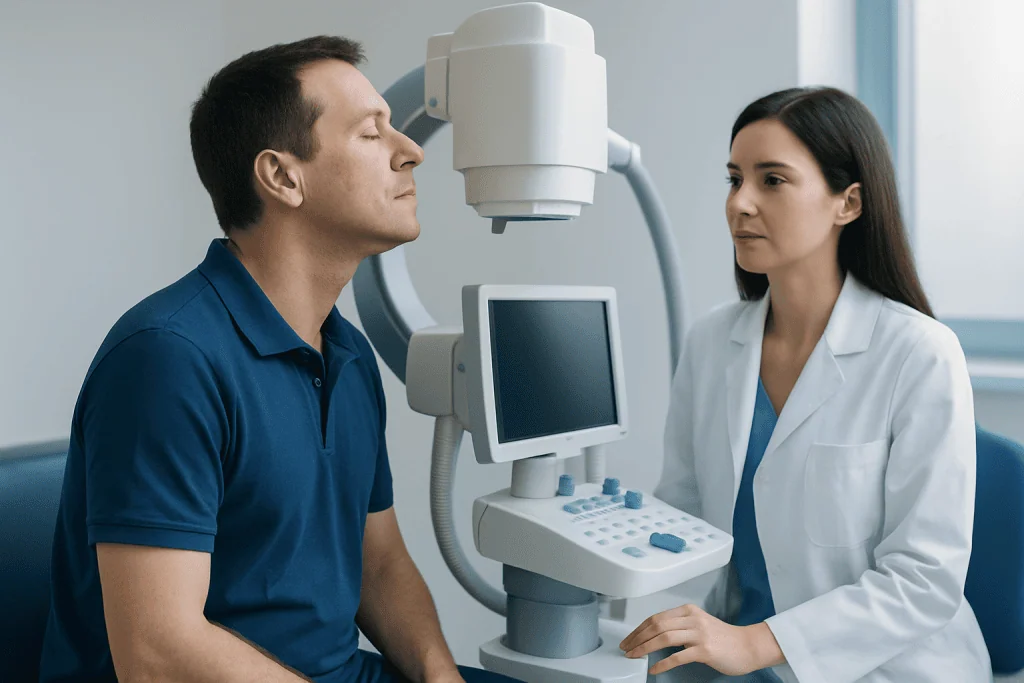
A normal swallow has several phases. In the oral phase, food is chewed and shaped into a bolus by the tongue. In the pharyngeal phase, the swallow reflex moves the bolus through the throat while the airway closes briefly. In the esophageal phase, food travels down the esophagus into the stomach. Neuromuscular disease can affect one or several of these phases.
Weak tongue and facial muscles may make it difficult to chew, control saliva or move food backward. Throat weakness can leave residue after a swallow, which may later spill into the airway. Reduced sensation may mean a person does not feel food entering the wrong place. A weak cough may make it harder to clear material from the airway, increasing the importance of aspiration prevention.
Fatigue is another important feature. Some people swallow reasonably well at the beginning of a meal but struggle later, especially with long meals, mixed textures or thin liquids. Breathing and swallowing also compete for time; when respiratory muscles are weak, meals may become more tiring and airway protection may be less effective.
Symptoms and Warning Signs

Symptoms of dysphagia may be obvious or subtle. A person may cough, choke, gag or feel that food is stuck in the throat. Liquids may be harder than solids for some people because they move quickly, while dry or crumbly foods may be difficult for others because they scatter in the mouth or throat. Pills may also become difficult to swallow safely.
Common signs include wet or gurgly voice after swallowing, repeated throat clearing, drooling, prolonged mealtimes, needing several swallows for one mouthful, avoiding certain foods, tiredness during meals, nasal regurgitation or unexplained weight loss. Some people experience heartburn or regurgitation as well, although these symptoms may come from the esophagus rather than the throat.
Aspiration means that saliva, food, drink or stomach contents enter the airway below the vocal cords. It does not always cause dramatic choking. Silent aspiration can occur without coughing, especially when sensation is reduced. Possible clues include recurrent chest infections, fever after meals, increased phlegm, shortness of breath, changes in oxygen levels or a decline in overall energy.
Causes and Risk Factors
The cause of dysphagia depends on the underlying neurological or muscular condition. In motor neuron disease, progressive weakness may affect the tongue, throat and respiratory muscles. In myasthenia gravis, swallowing may fluctuate and worsen with fatigue. In muscular dystrophies or inflammatory myopathies, muscle weakness can reduce the force needed to clear the throat or propel food through the upper esophagus.
Some motor neuron disease and neurodegenerative diseases can also affect speech, saliva control, cough strength and posture, all of which influence swallowing safety. Movement disorders may cause slowness, rigidity or involuntary movements that interfere with mealtime coordination. In children with neuromuscular disorders, growth, development, respiratory health and feeding skills must be considered together.
Risk is higher when there is advanced muscle weakness, poor head and trunk control, reduced alertness, dental problems, dry mouth, excessive saliva, reflux, respiratory disease or a history of aspiration pneumonia. Medicines that cause drowsiness or dry mouth may also contribute. Because risk factors can change over time, periodic reassessment is often helpful.
Swallowing Tests and Diagnosis
Diagnosis usually begins with a careful history and physical examination. The clinician asks about coughing, mealtime duration, weight change, hydration, respiratory infections, voice changes, fatigue and medication use. A speech and language therapist may observe posture, breathing, oral movements, voice quality and swallowing with different consistencies when it is safe to do so. This is often called a clinical swallowing evaluation.
Instrumental swallowing tests give more detailed information. A videofluoroscopic swallow study, also called modified barium swallow, uses moving X-ray images while the person swallows small amounts of barium-containing foods and liquids. It shows timing, airway protection, residue and which strategies improve safety. FEES, or fiberoptic endoscopic evaluation of swallowing, uses a small flexible camera through the nose to view the throat before and after swallows; it can be especially useful for saliva control, fatigue testing and bedside assessment.
Additional tests may be recommended depending on symptoms. These may include esophageal imaging, endoscopy, manometry, respiratory function tests, blood tests or neurological investigations. Neurophysiology tests such as nerve conduction studies, electromyography or related assessments may help clarify the underlying neuromuscular diagnosis when needed.
No single test answers every question. The most useful approach combines test findings with the person’s daily experience, disease stage, nutrition needs, respiratory status and personal preferences. The result is a practical swallowing plan rather than a label alone.
Treatment Options and Swallowing Therapy
Treatment is individualized. A speech and language therapist may teach strategies that make swallowing safer or more efficient, such as smaller sips, slower pace, double swallow, alternating solids and liquids, specific head positions or breath-swallow coordination. Some people benefit from exercises, while others with progressive or fatigable weakness may need energy-conserving approaches instead of intensive strengthening.
Diet and fluid modifications may be recommended after assessment. This can include softer foods, moist textures, thickened liquids or avoiding mixed consistencies such as soup with chunks. Texture changes should be as limited as possible while still supporting safety, because overly restrictive diets can reduce enjoyment, hydration and nutrition. A dietitian can help ensure adequate calories, protein, fluids and micronutrients.
Medical treatment may target the underlying condition when possible, such as immune therapy for selected inflammatory or autoimmune disorders, medication adjustment, reflux treatment, saliva management or treatment of infections. In selected cases, procedures for upper esophageal sphincter dysfunction may be considered. If oral intake becomes unsafe or insufficient despite support, temporary or longer-term tube feeding may be discussed as a way to protect nutrition and reduce mealtime burden; it is a supportive option, not a failure.
Aspiration Prevention and Daily Self-Care
Aspiration prevention is a combination of safe swallowing habits, respiratory protection and good oral health. Many people do best when meals are calm, unhurried and taken in an upright position. Sitting upright during meals and for a period afterward can reduce the chance of reflux or residue entering the airway. Distractions, talking while chewing and rushing should be minimized.
Helpful measures may include:
- Taking small bites and sips, with extra time between swallows.
- Using the texture and liquid consistency recommended after swallowing assessment.
- Stopping meals when very tired, short of breath or drowsy.
- Maintaining excellent mouth care to reduce bacteria that could be aspirated.
- Keeping dentures well fitted and addressing dental pain or dry mouth.
- Following cough-assist, breathing support or airway clearance plans if prescribed.
Caregivers can support safety by observing for changes without pressuring the person to eat quickly. Written mealtime instructions are useful in hospitals, care homes and travel settings. At Acibadem International, multidisciplinary specialists in JCI-accredited hospitals can assess and treat swallowing problems in neurological and neuromuscular conditions for international patients, including coordination of rehabilitation, respiratory and nutrition care when appropriate.
When to See a Doctor
A doctor should be consulted if swallowing difficulty is new, worsening or affecting nutrition, hydration or breathing. Prompt assessment is especially important after choking episodes, recurrent chest infections, unexplained fever, wet voice after meals, weight loss, dehydration, reduced urine output or increasing fatigue during eating. People with known neuromuscular disease should report swallowing changes early, even if symptoms seem mild.
Urgent medical help is needed if a person cannot breathe, has severe choking, blue lips, sudden chest pain, severe shortness of breath, confusion, signs of dehydration or inability to swallow saliva. If food is stuck and does not clear, emergency assessment is appropriate. For non-emergency symptoms, the treating neurologist, family doctor or rehabilitation team can arrange swallowing evaluation and decide whether instrumental testing is needed.
Follow-up is important because dysphagia can change with disease progression, treatment response, fatigue, infections or medication changes. Regular review allows the care plan to be adjusted so the person can eat and drink as safely and comfortably as possible for as long as possible.
Frequently asked questions
What is dysphagia in neuromuscular disease?
It is difficulty swallowing caused by weakness, fatigue or poor coordination of the muscles and nerves used for eating, drinking and clearing the throat. It may affect chewing, moving food through the mouth, protecting the airway or clearing food from the throat. The pattern depends on the underlying neuromuscular condition.
Can a person aspirate without coughing?
Yes. Silent aspiration means material enters the airway without an obvious cough or choking episode. This can happen when throat sensation is reduced or cough strength is weak, so recurrent chest infections, wet voice or unexplained weight loss should be discussed with a doctor.
Which swallowing test is best: FEES or videofluoroscopy?
Both tests are useful, and the best choice depends on the clinical question. Videofluoroscopy shows the movement of food and liquid from the mouth through the throat using moving X-ray images. FEES uses a small camera to view the throat and can be helpful for saliva, secretion management, fatigue and bedside assessment.
Do thickened liquids always prevent aspiration?
Thickened liquids can help some people by slowing the flow of liquid, but they are not right for everyone. They may reduce drinking enjoyment or fluid intake if not carefully planned. A swallowing specialist should recommend liquid consistency after assessment rather than using thickener without guidance.
Is tube feeding always necessary when dysphagia is diagnosed?
No. Many people manage with swallowing strategies, diet changes, therapy and careful monitoring. Tube feeding is considered when oral intake is unsafe, exhausting or not enough to maintain nutrition and hydration. The decision should include medical advice, swallowing test results and the person’s goals and preferences.
How can caregivers help prevent aspiration at home?
Caregivers can help by following the swallowing plan, preparing recommended food textures, encouraging an upright posture and allowing enough time for meals. They should avoid rushing, watch for coughing or voice changes and maintain good oral hygiene. Any new breathing symptoms, fever or decline in eating should be reported to a healthcare professional.
References
- World Health Organization
- American Speech-Language-Hearing Association
- European Society for Swallowing Disorders
- National Institute for Health and Care Excellence
- American Academy of Neurology
This article is for general information only and is not a substitute for professional medical advice. Please consult a qualified doctor about your individual situation.
Dysphagia in Turkey — costs, top hospitals & a free quote
JCI-accredited · board-certified surgeons · reply within 24h
Add us as a Preferred Source to see more of our trusted health content across Google Search, AI Overviews and Discover.

Gastroenterology
Diagnosis and treatment of the digestive system and liver, with advanced endoscopy.
46 specialists in this unit