Egg Freezing vs Embryo Freezing: How to Choose Before IVF

Egg freezing stores unfertilized eggs, while embryo freezing stores eggs that have already been fertilized with sperm. Age at the time of freezing is one of the most important factors influencing future chances with either option.
Key Takeaways
- Egg freezing stores unfertilized eggs, while embryo freezing stores eggs that have already been fertilized with sperm.
- Age at the time of freezing is one of the most important factors influencing future chances with either option.
- Embryo freezing can provide more information about fertilization and embryo development, but it requires sperm and raises future consent and ownership decisions.
- Egg freezing may offer more reproductive flexibility for people who do not currently have a partner or do not wish to use donor sperm.
- A fertility specialist can help compare both options based on ovarian reserve testing, medical history, timeline, and personal priorities.
Egg freezing and embryo freezing are both fertility preservation options used before or alongside IVF, but they differ in timing, decision-making, and future use. The best choice depends on a person’s age, ovarian reserve, sperm availability, relationship situation, medical needs, and personal values.
Overview: What Is the Difference?
Egg freezing and embryo freezing are two forms of fertility preservation that are often discussed before IVF treatment. Both usually begin in a similar way: ovarian stimulation medications are used to help several eggs mature during one cycle, and the eggs are collected in a short procedure called egg retrieval. The key difference is what happens after retrieval.
In egg freezing, mature eggs are frozen without being fertilized. This is also called mature oocyte cryopreservation. The eggs can later be thawed, fertilized with sperm in a laboratory, and used to create embryos for transfer into the uterus. In embryo freezing, the retrieved eggs are fertilized soon after collection using sperm from a partner or donor. Embryos that develop are then frozen for possible future use.
Modern freezing typically uses vitrification, a rapid-freezing method that helps reduce ice crystal formation and improves survival after thawing. Even so, no fertility preservation method can guarantee a future pregnancy. Outcomes depend on factors such as age at freezing, number and quality of eggs or embryos stored, sperm quality, uterine health, laboratory methods, and individual medical history.
How Egg Freezing Works
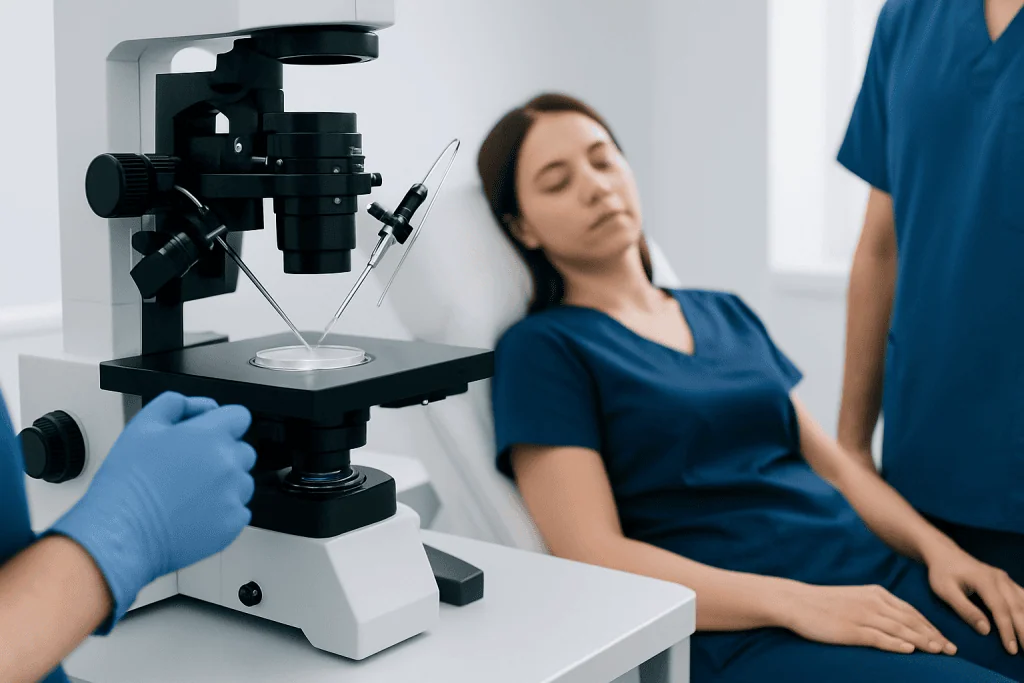
Egg freezing may be chosen by people who want to preserve fertility but are not ready to fertilize eggs at the time of treatment. This may include people without a partner, those who do not want to use donor sperm, people focusing on education or career timing, or patients who need fertility preservation before cancer treatment, surgery, or other medical therapies that could affect the ovaries.
The process begins with a fertility consultation and ovarian reserve assessment. Common tests may include anti-Müllerian hormone, ultrasound measurement of antral follicles, and other blood tests as appropriate. Ovarian stimulation then usually takes about one to two weeks. During this time, ultrasound and blood tests help monitor follicle growth. When the eggs are ready, an injection is used to trigger final maturation, and egg retrieval is performed under sedation or anesthesia.
After retrieval, the laboratory identifies mature eggs suitable for freezing. Immature eggs may not be usable, although practices vary by laboratory and clinical situation. The mature eggs are vitrified and stored. When the person later decides to use them, the eggs are thawed and fertilized, often with intracytoplasmic sperm injection, because frozen-thawed eggs generally require careful laboratory fertilization support.
The main advantage of egg freezing is flexibility. The eggs belong to the person who froze them, and future decisions about sperm source can be made later. The main limitation is that egg freezing does not show how many embryos may eventually develop, because fertilization and embryo growth are not tested until the eggs are thawed.
How Embryo Freezing Works
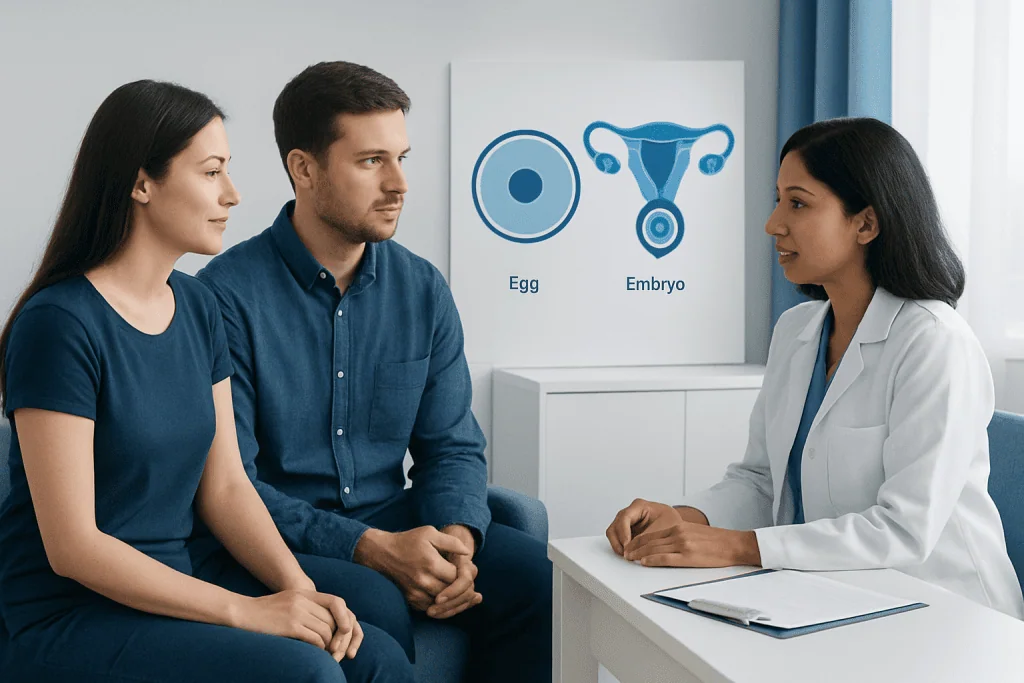
Embryo freezing involves fertilizing the collected eggs before cryopreservation. Fertilization may be performed by conventional insemination in the laboratory or by ICSI, in which a single sperm is injected into a mature egg. The method depends on sperm quality, prior IVF history, the number of eggs available, and the fertility team’s recommendation.
After fertilization, embryos are observed in the laboratory for several days. Some embryos may stop developing, while others may reach a stage suitable for freezing. Embryo freezing can therefore provide more information earlier in the process: it shows whether the eggs fertilize and whether embryos develop. For some patients, this can make future planning clearer.
Embryo freezing may be chosen by couples who are confident about using the same sperm source in the future, by people using donor sperm, or by patients who want to preserve embryos before a medical treatment. It may also be part of an IVF cycle when embryo transfer is delayed for medical reasons, genetic testing, hormone optimization, or personal timing.
However, embryo freezing involves additional decisions. If embryos are created with a partner, both parties may need to agree on future use, storage, donation, or disposal, depending on local laws and clinic policies. Relationship changes, divorce, illness, or death can create complex legal and emotional questions. These issues should be discussed before embryos are created and stored.
Key Factors to Consider Before IVF
Age at the time of freezing is one of the most important considerations. Eggs are as old biologically as the person is when they are collected, not when they are used. Freezing at a younger reproductive age is generally associated with better egg quality and a higher chance that eggs will survive thawing, fertilize, and develop. The number of eggs or embryos stored also matters, because not every egg will become a usable embryo and not every embryo will result in pregnancy.
Ovarian reserve is another major factor. A person with lower ovarian reserve may produce fewer eggs in each cycle and may need more than one stimulation cycle to store a target number of eggs or embryos. Conditions such as endometriosis, prior ovarian surgery, autoimmune disease, genetic conditions, or planned chemotherapy can affect the decision and the timeline. A consultation for female infertility can help clarify which tests and options are most relevant.
Relationship status and sperm availability often guide the choice. Egg freezing may be preferred when a person wants to keep options open. Embryo freezing may be preferred when sperm is available and there is confidence in using that sperm in the future. People using donor sperm should consider whether they are comfortable making that choice now or would rather wait.
Legal, cultural, religious, and personal values are also important. Some people feel more comfortable freezing eggs because embryos have different moral or legal significance for them. Others prefer embryo freezing because it provides more information about fertilization. There is no single right choice for everyone; the best option is the one that fits the individual’s medical situation and future decision-making comfort.
Success Rates and Realistic Expectations
Patients often ask which option has a better chance of success. The answer is individualized. Embryo freezing can appear more predictable because fertilization and early embryo development have already occurred before freezing. Egg freezing offers less early information because fertilization happens later. However, when eggs are frozen at a favorable age and in an experienced laboratory, egg freezing can be an effective fertility preservation option.
It is helpful to think of fertility preservation as creating a future opportunity rather than a guarantee. At each step, some loss can occur: not every follicle contains an egg, not every egg is mature, not every egg survives thawing, not every egg fertilizes, not every embryo develops normally, and not every embryo implants. A fertility specialist can estimate a reasonable plan based on age, ovarian reserve, previous cycles, and the number of eggs or embryos likely needed.
Embryo quality grading may help guide embryo selection, but it does not perfectly predict outcome. Some patients may also consider preimplantation genetic testing for embryos, depending on age, genetic history, repeated pregnancy loss, or previous IVF experience. This testing is performed on embryos, not unfertilized eggs, and is not necessary or appropriate for every patient.
The quality of the fertility laboratory is also important. Vitrification, thawing, fertilization methods, embryo culture conditions, and clinical coordination all influence outcomes. Patients may wish to ask clinics about their experience with egg freezing, embryo freezing, thaw survival, laboratory accreditation, counseling process, and storage policies.
Medical, Emotional, and Ethical Considerations
Both egg freezing and embryo freezing involve ovarian stimulation and egg retrieval, so the medical preparation is similar. Most patients tolerate the process well, but possible side effects include bloating, temporary pelvic discomfort, mood changes, and bruising at injection sites. Rare complications can include ovarian hyperstimulation syndrome, bleeding, infection, or anesthesia-related issues. A doctor adjusts protocols to reduce risk, especially in patients with high ovarian response, including some with polycystic ovary syndrome.
Emotional considerations can be just as important as medical ones. Fertility preservation can bring relief because it offers a plan, but it may also raise uncertainty, financial stress, or pressure to make decisions quickly. People choosing between eggs and embryos may benefit from counseling, especially if they are using donor sperm, facing cancer treatment, or making decisions with a partner.
Embryo freezing requires clear consent about what can happen to stored embryos in different situations. Questions may include: Who can use the embryos? What happens if the couple separates? How long can embryos be stored? Can embryos be donated to another person or to research? What happens if storage fees stop? Laws differ by country, and clinic consent forms should be read carefully.
Egg freezing usually involves fewer joint-consent issues, but it still requires planning. Patients should understand storage duration, annual fees, transport rules if they move countries, and what happens if they no longer wish to keep the eggs. Written consent and updated contact information are essential for both options.
How to Choose: A Practical Decision Guide
A structured discussion with a fertility specialist can make the choice clearer. The doctor will usually review age, ovarian reserve, medical history, partner or donor sperm plans, timeline, and desired family size. The goal is not to push one option, but to match the method to the patient’s current reality and future flexibility.
Egg freezing may be a good fit when a person does not have a partner, is uncertain about using a current partner’s sperm, does not want to choose donor sperm now, or prefers to avoid creating embryos for personal reasons. It can also be suitable when fertility preservation is needed quickly and future reproductive plans are still open.
Embryo freezing may be a good fit when a person or couple is ready to use a specific sperm source and wants more information about fertilization and embryo development now. It may also be preferred when there has been prior infertility, known sperm issues, or previous IVF experience showing the importance of embryo development data. In broader infertility care, the decision often depends on both partners’ test results rather than egg factors alone.
Some patients choose a combined approach, freezing some eggs and creating embryos from others. This can balance flexibility with information, especially when a patient has a partner but wants some reproductive independence. Whether this is appropriate depends on the number of eggs retrieved, legal context, cost, and clinical advice.
When to See a Fertility Specialist
A fertility consultation is appropriate for anyone considering egg freezing or embryo freezing, especially if they are in their mid-30s or older, have irregular periods, known endometriosis, polycystic ovary syndrome, prior ovarian surgery, a family history of early menopause, or are about to start medical treatment that may affect fertility. Earlier consultation can be helpful even if treatment is not started immediately, because testing can provide a clearer picture of options.
Couples who have been trying to conceive without success should also seek medical guidance. Evaluation may include ovulation assessment, semen analysis, tubal evaluation, uterine assessment, and review of medical history. If IVF is recommended, the choice between freezing eggs, embryos, or both can be discussed as part of the treatment plan.
Patients should also seek advice if they already have frozen eggs or embryos and are ready to use them. The fertility team can review thawing, fertilization, embryo transfer, uterine preparation, and whether additional testing is useful. Decisions should be made with qualified clinicians who can explain benefits, limits, and alternatives in a personalized way.
Acibadem International’s multidisciplinary specialists and JCI-accredited hospitals provide diagnosis and treatment for fertility concerns, including IVF-related care, for international patients. Patients considering cross-border treatment should ask about medical records, timelines, legal requirements, medication coordination, storage policies, and follow-up before traveling.
Frequently asked questions
Is egg freezing better than embryo freezing?
Neither option is universally better. Egg freezing offers more future flexibility because the eggs are not fertilized yet. Embryo freezing provides more information earlier because fertilization and embryo development have already been observed. The best choice depends on age, ovarian reserve, sperm plans, relationship status, and personal values.
Does embryo freezing have higher success than egg freezing?
Embryo freezing can be more predictable because the embryos have already passed the fertilization stage. However, good outcomes can also occur with frozen eggs, especially when eggs are collected at a younger age and handled by an experienced laboratory. A fertility specialist can estimate expectations based on the number of eggs or embryos stored and the patient’s medical profile.
Can a person freeze both eggs and embryos?
Yes, some patients choose to freeze some eggs and fertilize others to create embryos. This can provide both flexibility and more information about embryo development. Whether this approach is practical depends on the number of mature eggs retrieved, sperm availability, cost, clinic policy, and legal considerations.
What age is best for egg freezing or embryo freezing?
Outcomes are generally better when eggs are collected at a younger reproductive age, because egg quality declines over time. Many people seek counseling in their late 20s to mid-30s, but individual circumstances vary. Anyone concerned about fertility timing can benefit from an earlier consultation rather than waiting until decisions feel urgent.
What happens to frozen embryos if a couple separates?
Future use of embryos usually depends on consent forms, clinic policy, and local law. In many settings, both genetic contributors must agree before embryos can be used. Couples should discuss separation, death, donation, storage, and disposal decisions before creating embryos.
Are frozen eggs or embryos safe for future babies?
Current clinical experience supports the use of vitrified eggs and embryos as established fertility treatment methods. As with any pregnancy, outcomes depend on many factors, including parental health, age, embryo genetics, uterine health, and prenatal care. Patients should discuss individual risks and follow-up with their fertility doctor and obstetric care team.
This article is for general information only and is not a substitute for professional medical advice. Please consult a qualified doctor about your individual situation.
IVF & fertility treatment in Turkey — success rates and costs
JCI-accredited · board-certified surgeons · reply within 24h
Add us as a Preferred Source to see more of our trusted health content across Google Search, AI Overviews and Discover.

Related Treatments
Related Conditions
More from the Health Library

How to Conceive: Medical and Lifestyle Factors That Affect Pregnancy

Empty Follicle Syndrome in IVF: Causes, Prevention, and Next Steps

Progesterone Support After IVF Transfer

Unexplained Recurrent Miscarriage: When IVF Testing May Help

PCOS and Infertility: Why Ovulation Becomes Irregular

Thyroid and Prolactin Testing Before IVF: Why Hormone Balance Matters
Gynecology & Obstetrics Specialists at Acibadem

Prof. Dr. Ahmet Tayyar
Gynecology & Obstetrics
Dr. Ahmet Varolan
Gynecology & Obstetrics
Dr. Albert Kazado
Gynecology & Obstetrics
Dr. Alihan Özcan
Gynecology & Obstetrics