

Endometrial Thickness and IVF: Why the Uterine Lining Matters
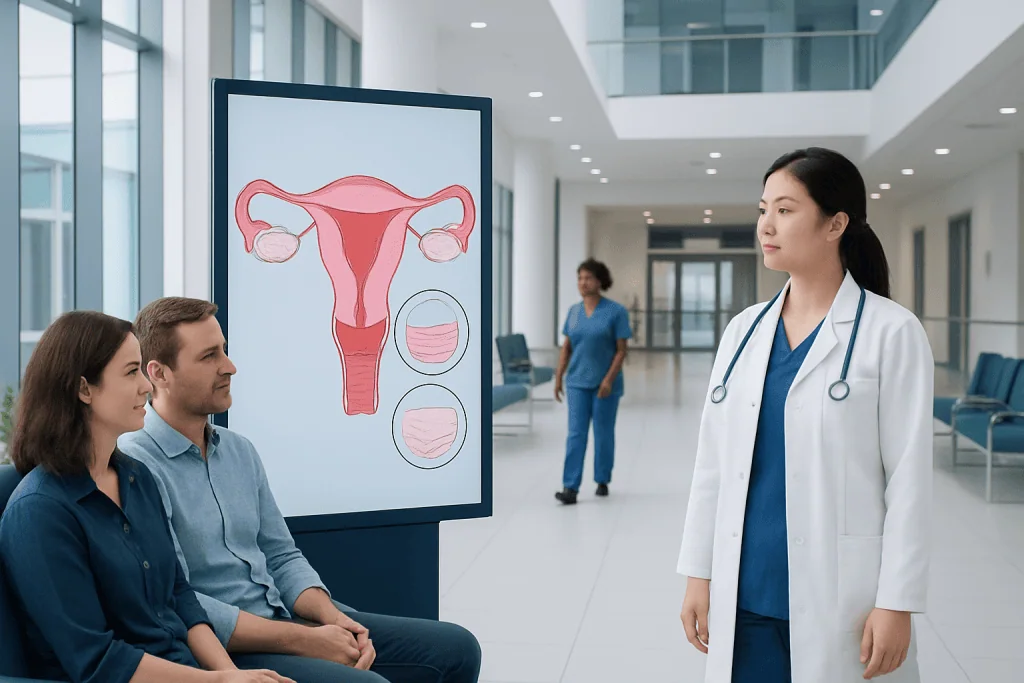
The endometrium is the inner lining of the uterus, and it thickens under the influence of estrogen before becoming receptive after progesterone exposure. In IVF, doctors commonly measure endometrial thickness by transvaginal ultrasound before embryo transfer.
Key Takeaways
- The endometrium is the inner lining of the uterus, and it thickens under the influence of estrogen before becoming receptive after progesterone exposure.
- In IVF, doctors commonly measure endometrial thickness by transvaginal ultrasound before embryo transfer.
- A very thin lining may be linked with lower implantation chances, but there is no single number that guarantees success or failure.
- Causes of a thin or less receptive lining can include hormonal factors, uterine scarring, polyps, fibroids, chronic inflammation, or previous uterine procedures.
- Treatment depends on the cause and may include adjusting medications, treating uterine conditions, or changing the timing of embryo transfer.
- Patients should discuss individualized options with a qualified fertility specialist rather than relying on supplements or unproven therapies.
Endometrial thickness is one of several factors doctors assess before embryo transfer because the uterine lining must be receptive for implantation. While thickness matters, it is interpreted together with hormone levels, lining pattern, embryo quality, and the patient’s overall fertility history.
Overview: Why the Uterine Lining Matters in IVF
The endometrium is the inner lining of the uterus. During a natural menstrual cycle, it grows and changes in response to hormones so that, at the right time, it can support an embryo. In in vitro fertilization, or IVF, this lining is carefully monitored because embryo implantation requires both a healthy embryo and a receptive uterine environment.
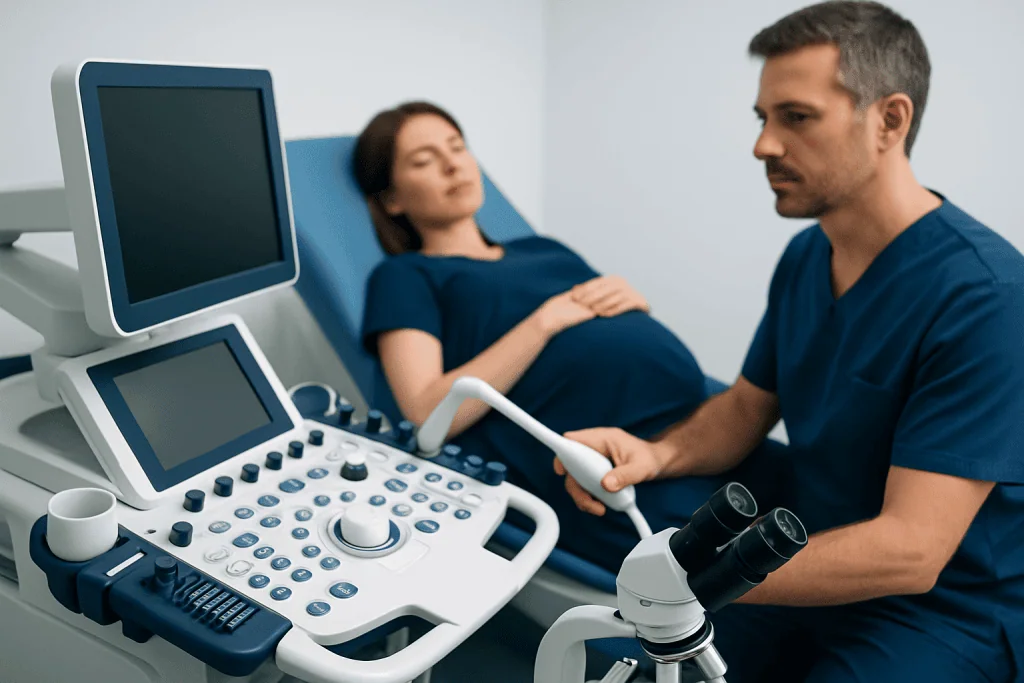
Endometrial thickness is usually measured by transvaginal ultrasound in the days leading up to embryo transfer. The measurement helps the fertility team understand whether the lining has developed as expected. However, thickness is only one part of the picture. Doctors also consider the appearance of the lining, the timing of progesterone exposure, hormone levels, embryo quality, age, previous fertility history, and any known uterine conditions.
Patients often ask whether a specific thickness is “good” or “bad” for IVF. In clinical practice, many specialists prefer to see a lining of at least about 7 mm before transfer, and some cycles proceed successfully with thinner or thicker measurements. A very thin lining may reduce the chance of implantation, but it does not always make pregnancy impossible. The best approach is individualized assessment rather than focusing on a single number alone.
How the Endometrium Changes During an IVF Cycle
The endometrium develops in phases. In the first part of the cycle, estrogen encourages the lining to grow and become thicker. Around the time of ovulation in a natural cycle, or after planned progesterone treatment in an IVF cycle, progesterone changes the lining from a growth phase into a receptive phase. This shift prepares the uterus for possible embryo implantation.
In a fresh IVF cycle, the ovaries are stimulated to produce multiple eggs, and the body’s own hormones influence the lining. In a frozen embryo transfer cycle, doctors may use a natural-cycle approach, a modified natural-cycle approach, or a hormone-prepared cycle with estrogen and progesterone. Each method has advantages, and the choice depends on ovulation patterns, medical history, convenience, and previous cycle results.
Ultrasound may describe not only the thickness but also the pattern of the lining. A “trilaminar” or three-layer appearance is often seen before progesterone exposure and is generally considered a reassuring sign. After progesterone begins, the lining appearance may change. These findings are interpreted in context, and a normal-looking lining cannot guarantee implantation, just as an imperfect measurement does not automatically mean the cycle cannot work.
What Is Considered a Thin or Thick Endometrium?
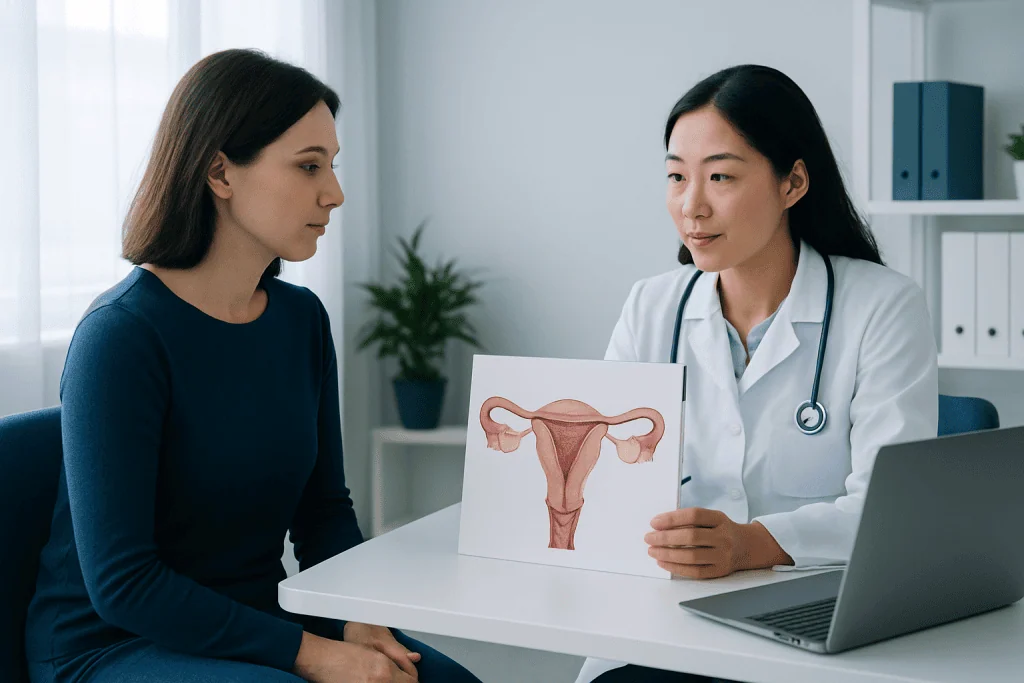
There is no universally perfect endometrial thickness for IVF, but many fertility clinics use practical ranges to guide decisions. A lining below about 7 mm is often described as thin, especially if measured near the planned start of progesterone or embryo transfer. Some studies have associated thinner linings with lower implantation and pregnancy rates, but outcomes vary between individuals.
A lining between roughly 7 mm and 14 mm is commonly considered acceptable in many IVF settings, provided the timing and hormone support are appropriate. A thicker lining is not always better. Very thick measurements may prompt doctors to look for polyps, fibroids, fluid in the uterine cavity, or hormone-related changes, especially if the appearance is irregular.
It is important to understand that ultrasound measurement has natural variability. The angle of measurement, the equipment, and the timing in the cycle can all influence the result. For this reason, a single measurement is rarely interpreted in isolation. If the lining appears unexpectedly thin or irregular, the fertility team may repeat the scan or recommend further evaluation before making a decision about transfer.
Causes and Risk Factors for a Thin or Less Receptive Lining
A thin endometrium can occur for several reasons. Sometimes the lining does not respond strongly enough to estrogen, or estrogen exposure has not lasted long enough. In other cases, the issue may be related to blood flow, previous infection, inflammation, or structural changes inside the uterine cavity. The cause is not always obvious at the first scan.
Previous uterine procedures can be relevant. Dilation and curettage, surgery inside the uterus, treatment for retained pregnancy tissue, or procedures after miscarriage or delivery may rarely lead to adhesions, also called intrauterine scarring or Asherman syndrome. Adhesions can reduce the area of healthy lining available for implantation. Chronic endometritis, which is persistent low-grade inflammation of the uterine lining, may also affect receptivity in some patients.
Other factors that may affect the lining include:
- Endometrial polyps or submucosal fibroids that distort the uterine cavity
- Adenomyosis or other uterine conditions, depending on severity
- Hydrosalpinx, a fluid-filled fallopian tube that may leak fluid into the uterus
- Smoking or significant vascular health problems
- Repeated use of certain medications that may influence endometrial growth in some cycles
- Individual variation in hormone response
In IVF, embryo quality remains a major factor. A cycle with a normal lining may still not result in pregnancy if the embryo cannot implant, and a cycle with a borderline lining may sometimes succeed if other conditions are favorable. This is why fertility specialists usually evaluate the lining and embryo factors together.
Diagnosis: How Doctors Evaluate Endometrial Thickness
The first-line test is usually transvaginal ultrasound. The doctor measures the endometrium at its thickest point in the midline of the uterus, typically in millimeters. The scan can also identify features such as fluid in the uterine cavity, an irregular lining, suspected polyps, fibroids, ovarian cysts, or other pelvic findings that may influence treatment planning.
Hormone tests may be used depending on the cycle type. In a hormone-prepared frozen embryo transfer, estrogen and progesterone levels may be checked to confirm that medication is being absorbed and that timing is appropriate. In a natural or modified natural cycle, ovulation monitoring may include luteinizing hormone, progesterone, and ultrasound evidence of follicle development.
If ultrasound suggests a structural issue, additional tests may be recommended. Saline infusion sonography can outline the uterine cavity more clearly by using sterile fluid during ultrasound. Hysteroscopy allows direct visualization of the inside of the uterus and may also allow treatment of small polyps, adhesions, or other abnormalities. In selected cases, an endometrial biopsy may be considered to assess chronic endometritis or other pathology.
Treatment Options to Support the Uterine Lining
Treatment depends on why the lining is thin or not developing as expected. If the issue appears hormonal, the fertility specialist may adjust estrogen treatment, extend the preparation period, or change the route of medication. In some patients, estrogen can be given orally, vaginally, or through the skin, depending on the clinic’s protocol and the patient’s medical history. Medication changes should always be supervised because hormone therapy is not suitable for every patient.
If there is a structural cause, treating the underlying condition may be more important than adding more medication. Polyps, intrauterine adhesions, or certain fibroids may be treated hysteroscopically when appropriate. If chronic endometritis is diagnosed, doctors may prescribe targeted treatment based on clinical evaluation. If fluid in the uterine cavity is related to hydrosalpinx, surgery or other management may be discussed before embryo transfer.
Some add-on treatments have been studied for persistently thin lining, such as platelet-rich plasma, granulocyte colony-stimulating factor, low-dose aspirin, sildenafil, or other approaches. Evidence for these methods varies, and none should be considered universally effective. Patients should ask whether a proposed treatment is evidence-based, experimental, safe for their situation, and likely to change the outcome.
Sometimes the safest decision is to delay or cancel embryo transfer and freeze the embryo for a future cycle. This can be disappointing, but it may give the team time to improve the uterine environment, investigate the cause, or choose a different transfer protocol. The goal is to align embryo timing with the most receptive lining possible.
Prevention, Self-Care, and Preparing for Transfer
Not all endometrial thickness problems can be prevented, but general reproductive health can support treatment. Patients planning IVF benefit from avoiding smoking, limiting alcohol, maintaining a balanced diet, managing chronic conditions such as diabetes or thyroid disease, and following medication instructions exactly. A healthy lifestyle cannot guarantee a thicker lining, but it may support overall fertility care and pregnancy health.
Patients should inform their fertility doctor about previous uterine surgery, miscarriage management, postpartum procedures, pelvic infections, tuberculosis exposure in relevant regions, abnormal bleeding, or very light menstrual periods after a uterine procedure. These details may help the doctor decide whether the uterine cavity should be evaluated before transfer. It is also helpful to share all medications and supplements, because some may interact with fertility treatment or increase bleeding risk.
Self-treatment with high-dose supplements, herbal products, or online protocols is not recommended without medical advice. Many products marketed for “lining support” have limited evidence and may not be safe for all patients. The most useful preparation is careful monitoring, clear communication with the fertility team, and an individualized plan based on ultrasound, hormones, and medical history.
When to See a Fertility Specialist
A patient undergoing IVF should speak with the fertility team if the endometrial lining remains thin despite standard preparation, if the lining is irregular, or if fluid is seen in the uterine cavity. Consultation is also important after repeated embryo transfer failure, recurrent pregnancy loss, unusually light periods following uterine surgery, or known uterine conditions such as fibroids, adhesions, or polyps.
Medical review is also recommended for symptoms such as abnormal uterine bleeding, pelvic pain, bleeding after menopause, or signs of infection. These symptoms do not always indicate a serious problem, but they should be assessed before fertility treatment continues. In IVF, identifying and treating uterine factors before transfer may help avoid unnecessary cycles and emotional strain.
Acibadem International’s multidisciplinary fertility specialists and JCI-accredited hospitals diagnose and treat uterine lining and implantation-related concerns for international patients. As with any fertility decision, patients should receive a personalized evaluation and discuss the benefits, limitations, and alternatives of each proposed treatment with a qualified doctor.
Frequently asked questions
What endometrial thickness is best for IVF?
There is no single thickness that guarantees IVF success. Many clinics prefer a lining of at least about 7 mm before embryo transfer, but pregnancies can occur outside typical ranges. Doctors interpret the measurement together with lining pattern, hormone timing, embryo quality, and the patient’s medical history.
Can IVF work with a thin endometrium?
Yes, IVF can sometimes work with a thin endometrium, but very thin measurements may be associated with lower implantation chances. The fertility team may recommend additional monitoring, medication adjustments, or evaluation of the uterine cavity. In some cases, postponing transfer to a later cycle may be considered.
How is endometrial thickness measured?
Endometrial thickness is usually measured with transvaginal ultrasound. The doctor measures the lining at its thickest point in the center of the uterus. The scan may also assess the lining pattern and look for fluid, polyps, fibroids, or other uterine findings.
What causes the uterine lining to be thin?
Possible causes include limited estrogen response, insufficient preparation time, uterine adhesions, previous uterine surgery, chronic inflammation, polyps, fibroids, or individual variation. Sometimes no clear cause is found. A fertility specialist may recommend further testing if the lining remains thin across cycles.
Can diet or supplements improve endometrial thickness?
A balanced diet and healthy lifestyle can support overall fertility care, but they may not directly correct a thin lining caused by hormonal or structural issues. Supplements marketed for uterine lining support often have limited evidence. Patients should discuss any supplement with their doctor before use, especially during IVF.
Is a very thick endometrium a problem for embryo transfer?
A thicker lining is not always harmful, but an unusually thick or irregular lining may require closer evaluation. Doctors may look for polyps, fibroids, hormonal effects, or other cavity changes. The decision to proceed with transfer depends on the full ultrasound picture and the patient’s treatment plan.
Should embryo transfer be cancelled if the lining is not ideal?
Not always. The decision depends on how thin or irregular the lining is, whether embryos are fresh or frozen, and whether a treatable cause is suspected. In some situations, delaying transfer may allow a better-prepared cycle and a more suitable uterine environment.
This article is for general information only and is not a substitute for professional medical advice. Please consult a qualified doctor about your individual situation.
IVF & fertility treatment in Turkey — success rates and costs
JCI-accredited · board-certified surgeons · reply within 24h
Add us as a Preferred Source to see more of our trusted health content across Google Search, AI Overviews and Discover.
Check your numbers in seconds
BMI, calories, due date, blood pressure and 30+ more clinical calculators — free, instant, doctor-reviewed ranges.

Related Treatments
Related Conditions
More from the Health Library

IVF With Adenomyosis: How Uterine Changes Can Affect Implantation

Preparing for IVF: Tests, Lifestyle Steps, and Medical Records

IVF With Adenomyosis: Diagnosis, Treatment Planning, and Transfer Timing

Poor Ovarian Response in IVF: Causes, Protocol Changes, and Next Steps

How to Get Pregnant: Fertility Basics, Timing, and When to Seek Help

When Is IVF a Good Next Step After Failed IUI?
Gynecology & Obstetrics Specialists at Acibadem

Assoc. Prof. Dr. Engin Çelik
Gynecology & Obstetrics
Prof. Dr. Engin Oral (m)
Gynecology & Obstetrics
Dr. A. Ezgi Sancaklı
Gynecology & Obstetrics
Prof. Dr. A. Taner Usta
Gynecology & Obstetrics