IVF With Adenomyosis: Diagnosis, Treatment Planning, and Transfer Timing

Adenomyosis is a condition in which tissue similar to the uterine lining grows into the muscular wall of the uterus, which may affect implantation and miscarriage risk. High-quality transvaginal ultrasound is often the first diagnostic test; MRI may be used when the diagnosis is uncertain or treatment planning is complex.
Key Takeaways
- Adenomyosis is a condition in which tissue similar to the uterine lining grows into the muscular wall of the uterus, which may affect implantation and miscarriage risk.
- High-quality transvaginal ultrasound is often the first diagnostic test; MRI may be used when the diagnosis is uncertain or treatment planning is complex.
- IVF may involve embryo freezing and delayed frozen embryo transfer so the uterus can be treated before transfer.
- Hormonal suppression, especially with GnRH agonist protocols in selected patients, may be considered before frozen embryo transfer.
- Treatment planning depends on symptoms, age, ovarian reserve, embryo quality, previous IVF outcomes, and whether adenomyosis is diffuse or focal.
- Patients should seek individualized advice from a reproductive endocrinologist and gynecologist experienced in adenomyosis.
Adenomyosis can make IVF planning more complex, but careful diagnosis and individualized treatment can improve the chance of a well-timed embryo transfer. Many patients benefit from a step-by-step approach that separates egg collection from transfer and allows time to calm the uterus before pregnancy is attempted.
Overview
Adenomyosis is a benign gynecologic condition in which tissue similar to the endometrium, the lining of the uterus, is found within the muscular wall of the uterus. This can make the uterus enlarged, tender, and more inflamed. Some people have no symptoms, while others experience heavy menstrual bleeding, painful periods, pelvic pressure, or pain during intercourse.
For patients planning in vitro fertilization, adenomyosis is important because the uterine environment plays a central role in implantation. IVF can help overcome problems related to ovulation, fallopian tubes, sperm, or fertilization, but the embryo still needs a receptive uterus. Adenomyosis may affect receptivity through inflammation, changes in uterine contractions, altered blood flow, and changes in the junctional zone between the endometrium and muscle.
IVF with adenomyosis is not a single fixed protocol. Treatment is usually individualized according to age, ovarian reserve, symptoms, ultrasound or MRI findings, previous pregnancy history, and whether adenomyosis is focal or diffuse. A common strategy is to create embryos first, freeze them, then prepare the uterus before a later frozen embryo transfer.
How Adenomyosis May Affect Fertility and IVF
Adenomyosis may reduce fertility in several ways. The condition can be associated with chronic inflammation inside the uterine muscle, increased production of inflammatory molecules, and changes in progesterone response. These factors may make implantation less predictable, even when embryos are of good quality.
Some patients with adenomyosis also have endometriosis, fibroids, polyps, or tubal disease, which can further complicate fertility. For this reason, evaluation usually looks beyond adenomyosis alone. A full fertility assessment may include ovarian reserve testing, semen analysis, uterine cavity assessment, and review of previous surgeries or pregnancies. When needed, care may be coordinated through services focused on female infertility evaluation.
In IVF, adenomyosis may be linked with lower implantation rates and a higher chance of early pregnancy loss in some studies, especially when the uterus is significantly enlarged or symptoms are severe. However, outcomes vary widely. Mild imaging findings in one patient may not carry the same meaning as diffuse, symptomatic disease in another. This is why treatment decisions should be based on the whole clinical picture, not imaging alone.
Symptoms and When Adenomyosis Is Suspected
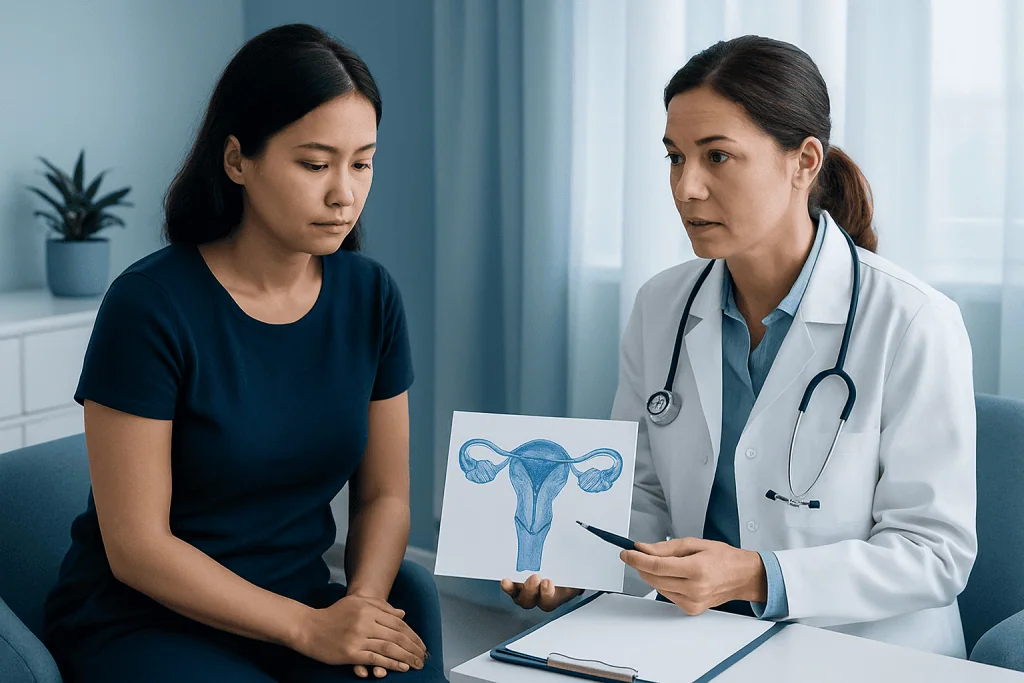
Adenomyosis is often suspected when a patient has heavy menstrual bleeding, worsening period pain, pelvic heaviness, or an enlarged tender uterus on examination. Some people notice symptoms for years before diagnosis; others are diagnosed during fertility testing despite having mild or no symptoms. Symptoms do not always match severity on imaging, so both clinical history and diagnostic tests matter.
In patients undergoing IVF, adenomyosis may be investigated after repeated implantation failure, recurrent pregnancy loss, unexplained infertility, or difficult embryo transfers related to uterine enlargement. It may also be found during a routine fertility ultrasound. A history of endometriosis, uterine surgery, multiple pregnancies, or increasing menstrual pain may raise suspicion, although adenomyosis can occur without these factors.
Patients should tell their fertility specialist about bleeding patterns, pain severity, use of pain medication, anemia, and any previous diagnosis of fibroids or endometriosis. This information helps the team decide whether further imaging, uterine cavity assessment, or treatment before embryo transfer may be useful.
Diagnosis Before IVF
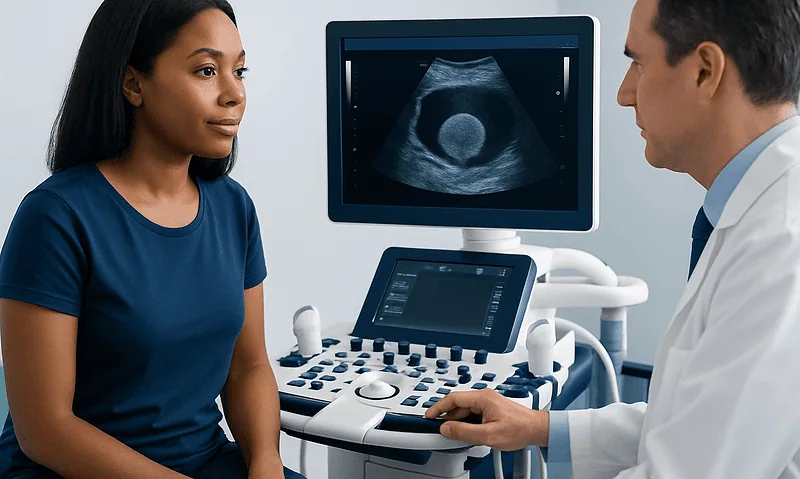
Transvaginal ultrasound is usually the first-line test for diagnosing adenomyosis. A specialist may look for features such as an enlarged or globular uterus, asymmetrical thickening of the uterine wall, small cystic spaces within the muscle, fan-shaped shadowing, and an irregular junctional zone. The quality of the scan and the experience of the examiner are important because adenomyosis can be subtle.
Magnetic resonance imaging, or MRI, can be helpful when ultrasound findings are unclear, when fibroids make interpretation difficult, or when detailed mapping is needed before surgery or complex IVF planning. MRI can show thickening or disruption of the junctional zone and can help distinguish focal adenomyosis, sometimes called adenomyoma, from diffuse disease.
Diagnosis may also include evaluation of the uterine cavity with saline infusion ultrasound, hysteroscopy, or other tests if polyps, fibroids, adhesions, or congenital uterine differences are suspected. Blood tests do not diagnose adenomyosis, although they may be used to assess anemia, thyroid function, ovarian reserve, or other fertility-related factors. A clear diagnosis helps the fertility team choose whether to proceed directly to stimulation or to treat the uterus first.
Treatment Planning: Embryos First or Uterus First?
One of the most important decisions is whether to begin with ovarian stimulation and egg retrieval or to treat adenomyosis before IVF. In many patients, especially those with reduced ovarian reserve or older reproductive age, creating embryos first may be preferred so time-sensitive egg quality is addressed. Embryos can then be frozen while the uterus is treated and prepared for transfer.
Modern IVF treatment often allows this staged approach. Ovarian stimulation is used to retrieve eggs, fertilization is performed in the laboratory, and suitable embryos are cryopreserved. If sperm-related factors are present, intracytoplasmic sperm injection may be recommended; this technique, known as ICSI, involves injecting a single sperm into a mature egg.
In other patients, especially those with severe pain, marked uterine enlargement, or significant bleeding, treating adenomyosis before stimulation may be considered. Options may include hormonal suppression, management of anemia, treatment of coexisting fibroids or endometriosis, or, rarely, surgery for focal adenomyosis. Surgery for adenomyosis is more complex than surgery for a polyp or fibroid because the disease blends into the uterine muscle; it is usually reserved for carefully selected cases.
The plan should balance fertility urgency with uterine readiness. A patient with few embryos may not want to delay retrieval, while a patient with repeated failed transfers may benefit from a more thorough uterine preparation phase. Shared decision-making is essential.
Medical and Surgical Options Before Transfer
Medical treatment aims to reduce estrogen-driven activity, inflammation, and uterine volume before embryo transfer. A commonly discussed approach is temporary downregulation with a gonadotropin-releasing hormone agonist, often for several weeks to a few months before frozen embryo transfer. This may be considered for moderate to severe adenomyosis, an enlarged uterus, or previous unsuccessful transfers, but it is not necessary for every patient.
Other hormonal options may include progestin-based therapy, combined hormonal treatment, or levonorgestrel-releasing intrauterine systems in non-transfer periods. The best option depends on whether the patient is actively trying to conceive, planning egg retrieval, or preparing for transfer. Because some treatments prevent pregnancy while being used, timing must be coordinated carefully with the IVF calendar.
Surgical treatment may be considered for focal adenomyosis when a well-defined adenomyoma distorts the uterine cavity or causes severe symptoms. Diffuse adenomyosis is harder to remove safely without weakening the uterine wall. When surgery is performed, patients may need a healing interval before pregnancy, and future delivery planning may be affected. These decisions require an experienced gynecologic surgeon and fertility specialist working together.
Supportive care also matters. Treating iron-deficiency anemia, optimizing thyroid disease or diabetes, reviewing medications, and encouraging smoking cessation can all support fertility and pregnancy health. Pain control should be discussed with a doctor, especially around ovulation, embryo transfer, and early pregnancy.
Frozen Embryo Transfer Timing and Preparation
Transfer timing is one of the most individualized parts of IVF with adenomyosis. Many clinics prefer frozen embryo transfer rather than fresh transfer when adenomyosis is significant. This allows time after egg retrieval for hormone levels to normalize and gives the team an opportunity to suppress adenomyosis activity before preparing the lining.
A typical plan may involve embryo freezing, a period of hormonal suppression, reassessment of symptoms and uterine size, then endometrial preparation for frozen embryo transfer. Some patients use a medicated frozen transfer cycle with estrogen and progesterone; others may use a natural or modified natural cycle if ovulation is reliable. The choice depends on cycle regularity, clinic protocol, previous response, and the need for scheduling precision.
Before transfer, the specialist may assess endometrial thickness, uterine appearance, and whether any cavity problems have developed. If heavy bleeding, fluid in the cavity, active inflammation, or a newly detected polyp is present, transfer may be postponed. While delays can feel frustrating, postponement may sometimes help avoid transferring an embryo into a uterus that is not ready.
Embryo transfer strategy is also important. Many patients are advised to transfer a single embryo when a good-quality embryo is available, because multiple pregnancy increases risks for both the pregnant patient and babies. In adenomyosis, where the uterus may already be sensitive, reducing avoidable pregnancy risks is an important part of planning.
Prevention, Self-Care, and When to See a Specialist
There is no proven way to prevent adenomyosis completely, but symptoms and fertility planning can often be managed. Patients can help by tracking menstrual bleeding, pain, and cycle length; treating anemia if present; maintaining a healthy weight; avoiding tobacco; and attending scheduled fertility reviews. Supplements or alternative treatments should be discussed with a doctor because some may interfere with medications or early pregnancy.
A reproductive specialist should be consulted if a patient has severe period pain, heavy bleeding, anemia, infertility lasting more than 12 months, infertility after age 35 lasting more than 6 months, recurrent miscarriage, or previous failed embryo transfers. Earlier consultation is reasonable when adenomyosis is already known or when there is also endometriosis, fibroids, or low ovarian reserve.
Patients should seek urgent medical care for very heavy bleeding with dizziness or fainting, severe pelvic pain, fever, or a positive pregnancy test with one-sided pain or bleeding. These symptoms may have causes other than adenomyosis and need prompt assessment.
For international patients, Acibadem International offers evaluation and treatment through multidisciplinary fertility, gynecology, imaging, and maternal care teams in JCI-accredited hospitals. Patients can discuss diagnosis, embryo creation, uterine preparation, and transfer timing in one coordinated plan for infertility care.
Frequently asked questions
Can IVF work if a patient has adenomyosis?
Yes, IVF can work in patients with adenomyosis, but planning may need to be more individualized. The fertility team may recommend freezing embryos and preparing the uterus before transfer, especially when adenomyosis is moderate to severe or previous transfers have failed.
Is fresh or frozen embryo transfer better with adenomyosis?
Many specialists prefer frozen embryo transfer when adenomyosis is significant because it allows time for hormonal suppression and uterine preparation. However, the best choice depends on the patient’s age, embryo number, uterine findings, symptoms, and clinic protocol.
How is adenomyosis diagnosed before IVF?
Adenomyosis is commonly diagnosed with expert transvaginal ultrasound. MRI may be used when ultrasound findings are unclear, when fibroids are also present, or when detailed mapping is needed before treatment planning.
Does adenomyosis always need treatment before embryo transfer?
No, not every patient with adenomyosis needs treatment before transfer. Mild imaging findings without symptoms may be managed differently from diffuse disease with heavy bleeding, pain, an enlarged uterus, or previous unsuccessful transfers.
What medicines are used before frozen embryo transfer?
Some patients may receive temporary hormonal suppression, such as a GnRH agonist, before frozen embryo transfer. Other hormonal options may be considered depending on symptoms and timing, but the safest plan should be chosen by a fertility specialist.
Can surgery improve IVF outcomes in adenomyosis?
Surgery may help selected patients with focal adenomyosis that distorts the uterus or causes severe symptoms. It is not routinely used for all patients because diffuse adenomyosis can be difficult to remove safely and surgery may affect the uterine wall.
How long should a patient wait after adenomyosis treatment before transfer?
The waiting time varies. After medical suppression, transfer may be planned once the treatment course is complete and the lining can be prepared; after surgery, a longer healing interval may be needed. The exact timing should be personalized by the treating doctor.
This article is for general information only and is not a substitute for professional medical advice. Please consult a qualified doctor about your individual situation.
IVF & fertility treatment in Turkey — success rates and costs
JCI-accredited · board-certified surgeons · reply within 24h
Add us as a Preferred Source to see more of our trusted health content across Google Search, AI Overviews and Discover.
Check your numbers in seconds
BMI, calories, due date, blood pressure and 30+ more clinical calculators — free, instant, doctor-reviewed ranges.

Related Treatments
Related Conditions
More from the Health Library
Fibroids and Fertility: When Uterine Growths Affect Pregnancy

IVF After Tubal Ligation: When Assisted Reproduction May Be Preferred

IVF With Adenomyosis: Diagnosis, Treatment Planning, and Transfer Decisions

IVF After Miscarriage: When to Try Again and What to Expect

IVF After Tubal Ligation: When IVF May Be an Alternative to Reversal