Facial Spasm: When Involuntary Twitching Needs a Neurology Workup

Facial spasm often begins with intermittent twitching around one eye and may progress over time. A neurology workup helps distinguish common benign twitching from conditions such as hemifacial spasm, dystonia, or nerve irritation.
Key Takeaways
- Facial spasm often begins with intermittent twitching around one eye and may progress over time.
- A neurology workup helps distinguish common benign twitching from conditions such as hemifacial spasm, dystonia, or nerve irritation.
- Stress, fatigue, caffeine, and eye strain can trigger mild twitching, but persistent one-sided spasms may need imaging or specialist testing.
- Treatment depends on the cause and may include lifestyle changes, botulinum toxin injections, medicines, or surgery in selected cases.
- Urgent medical care is needed if facial twitching occurs with weakness, numbness, severe headache, speech trouble, or other stroke-like symptoms.
Facial spasm describes repeated, involuntary movements of the facial muscles, often starting as eye twitching and sometimes spreading to one side of the face. While many cases are not dangerous, persistent or worsening twitching deserves a neurological evaluation to identify the cause and choose the most suitable treatment.
Overview
Facial spasm is a general term for involuntary tightening, twitching, or jerking of the muscles of the face. These movements may be brief and occasional, such as a fluttering eyelid after poor sleep, or more persistent and patterned, affecting the eyelid, cheek, mouth, or the entire side of the face. The experience can be bothersome, tiring, and sometimes socially distressing, even when it is not medically serious.
One of the most recognized neurological causes is hemifacial spasm, in which muscles on one side of the face contract repeatedly because the facial nerve is being irritated, often by a nearby blood vessel. Other conditions can also cause facial movements, including eyelid myokymia, tics, blepharospasm, seizures, medication effects, or disorders such as dystonia. Because the possible causes differ, the pattern of symptoms matters.
A neurology workup is helpful when twitching is persistent, progressive, one-sided, or affecting vision, speech, eating, or daily life. Evaluation is also important if there are other neurological symptoms, such as facial weakness, numbness, hearing changes, balance problems, or headaches. In many cases, diagnosis is straightforward and treatment can significantly reduce symptoms.
Symptoms and How Facial Spasm Can Feel
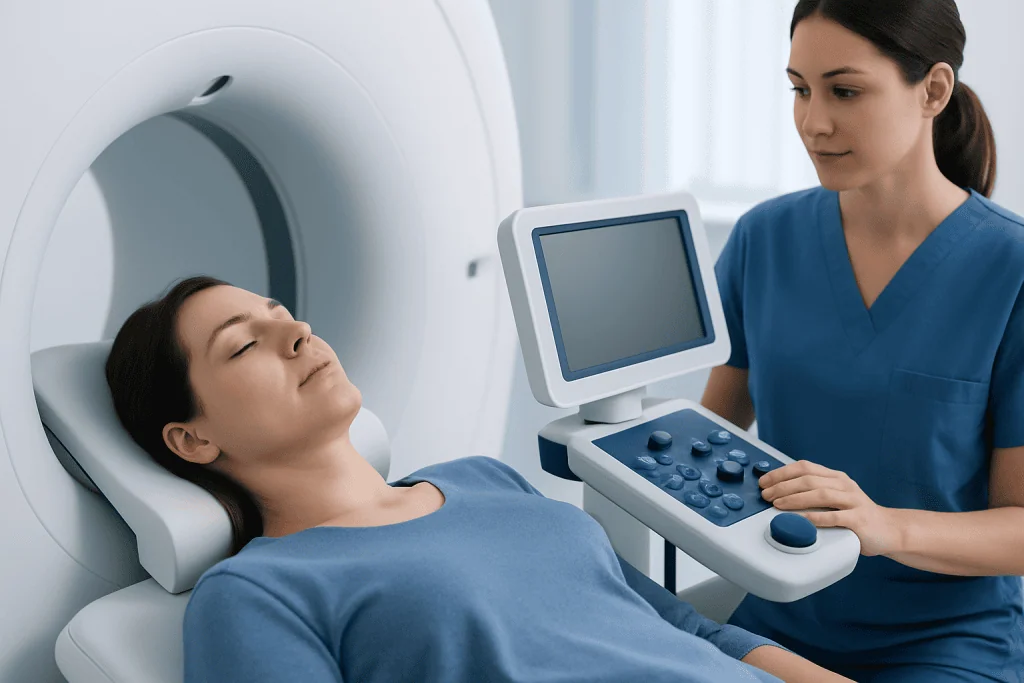
Facial spasm can appear in different ways. Some people notice a fine twitch or flutter in one eyelid that comes and goes. Others develop stronger pulling of the eyelid, cheek, or corner of the mouth. In hemifacial spasm, symptoms often begin near the eye and gradually involve more muscles on the same side of the face.
The movements are involuntary, meaning the person does not choose them and may not be able to stop them. Spasms may worsen with stress, fatigue, anxiety, reading, driving, or bright light. For some, they become less noticeable during sleep, while others may still have symptoms at night.
Common features may include:
- Intermittent eyelid twitching or forced eye closure
- Pulling of the cheek or mouth on one side
- Facial tightness or a cramping sensation
- Episodes triggered by tiredness, caffeine, or emotional stress
- Embarrassment, visual interruption, or difficulty with reading and driving
Facial spasm is different from facial weakness. Weakness means the muscles do not move properly, while spasm means they contract too much. However, some people may have both past and present nerve issues, especially after conditions such as Bell palsy. This is one reason a specialist evaluation can be useful when symptoms are not clearly explained by simple eyelid twitching.
Causes and Risk Factors

Not all facial twitching has the same cause. A very common and usually harmless form is eyelid myokymia, a fine twitch often related to fatigue, stress, eye strain, or caffeine. This tends to be temporary and limited to the eyelid. It may improve with rest, hydration, reduced stimulant intake, and managing screen time.
Hemifacial spasm is different. It typically affects one side of the face and is often linked to irritation of the facial nerve where it exits the brainstem. The most common reason is contact from a looping blood vessel, though less commonly a structural problem such as prior injury, inflammation, or a mass near the nerve may contribute. Imaging may be needed to look for these causes.
Other possible causes include movement disorders, facial tics, medication side effects, electrolyte imbalance, and neurological conditions affecting the brain or nerves. Rarely, facial spasm may be associated with lesions in the brainstem, previous facial nerve injury, or recovery changes after paralysis. A doctor may also consider disorders that can mimic spasm, such as blepharospasm, jaw clenching, or sensory facial pain disorders like trigeminal neuralgia.
Risk factors vary by cause but may include older age, chronic stress, sleep deprivation, stimulant use, eye irritation, and previous facial nerve problems. Persistent one-sided twitching is especially important to assess because it is more suggestive of hemifacial spasm than simple benign eyelid fluttering.
How a Neurology Workup Is Done
A neurology workup begins with a detailed history. The doctor asks when the twitching started, which muscles are involved, how often it happens, what makes it worse, and whether there are associated symptoms such as pain, facial numbness, hearing changes, headaches, or weakness. Videos recorded on a phone can sometimes help show the pattern if symptoms are not present during the visit.
The neurological examination focuses on the face, eyes, strength, sensation, reflexes, coordination, and cranial nerves. The pattern of movement helps distinguish facial spasm from tics, seizures, tremor, or other movement conditions. If eye closure is prominent or vision is affected, review by a specialist in neuro-ophthalmology may be recommended.
Depending on the suspected cause, tests may include:
- MRI of the brain and facial nerve pathways to look for vascular compression or structural causes
- Specialized imaging through neuroradiology when detailed nerve or vessel assessment is needed
- Electrophysiological studies through neurophysiology to evaluate nerve and muscle activity in selected cases
- Blood tests if a metabolic or medication-related cause is possible
The goal of testing is not simply to label the twitching, but to identify whether it is benign and self-limited or part of a condition that needs specific treatment. Most people do not need extensive testing, but persistent, progressive, or one-sided symptoms often justify a closer look.
Treatment Options
Treatment depends on the cause, the severity of symptoms, and how much daily life is affected. Mild eyelid twitching related to fatigue or stress often improves with practical changes such as better sleep, less caffeine, regular breaks from screens, and treatment of dry eye or eye irritation. When these simple measures work, no further treatment may be needed.
For hemifacial spasm and some other focal facial movement disorders, botulinum toxin injections are commonly used to relax overactive muscles. These injections are usually given at intervals and can reduce twitching, improve comfort, and help with vision if eye closure is a problem. Oral medications may help some patients, but they are not effective for everyone and can cause drowsiness or other side effects.
If imaging shows a blood vessel compressing the facial nerve and symptoms are severe or difficult to control, surgery may be considered. Microvascular decompression aims to relieve the nerve irritation at its source. This option is reserved for selected patients after careful neurological and neurosurgical assessment because it is more invasive than injections or medicines.
People with complex or persistent cases may be evaluated in services focused on movement disorders. Near the end of the care pathway, some international patients choose centers such as Acibadem International, where multidisciplinary specialists in neurology and JCI-accredited hospitals diagnose and treat facial spasm using individualized plans.
Prevention and Self-care
Not every form of facial spasm can be prevented, especially when it is caused by nerve compression. Still, self-care can reduce common triggers and may lessen milder twitching. Sleep is especially important. Poor sleep can make muscles and nerves more irritable, and many people notice a clear link between fatigue and twitching.
Helpful self-care steps include:
- Getting regular, adequate sleep
- Reducing caffeine and other stimulants if they trigger symptoms
- Taking breaks during prolonged screen use
- Managing stress through exercise, relaxation, or mindfulness techniques
- Treating dry eye, eye strain, or vision problems with professional guidance
- Keeping a symptom diary to identify patterns and triggers
It is also wise to review medicines and supplements with a doctor or pharmacist, especially if twitching started after a new medication. People should avoid self-diagnosing persistent facial movements as “just stress” if symptoms are one-sided, worsening, or interfering with daily life. Early evaluation can prevent unnecessary worry and guide timely treatment.
General neurological health habits matter as well. Managing blood pressure, diabetes, and other chronic conditions supports nerve and vascular health. Although these steps may not directly cure hemifacial spasm, they contribute to overall well-being and can make specialist care more effective.
When to See a Doctor
A doctor should assess facial twitching that lasts more than a few weeks, keeps coming back, spreads beyond the eyelid, or affects one entire side of the face. Medical review is also important if the spasm interferes with reading, driving, work, sleep, or social interactions. These features make a more specific neurological cause more likely.
Urgent medical attention is needed if facial twitching occurs with sudden facial weakness, arm or leg weakness, numbness, severe headache, trouble speaking, confusion, or difficulty walking. These symptoms can suggest a neurological emergency such as stroke and should not be ignored.
People should also seek care if they have hearing changes, persistent dizziness, facial pain, visual loss, or a history of cancer, infection, or significant head injury. Although serious causes are less common, these details can change which tests are appropriate. Prompt evaluation allows doctors to rule out important conditions and offer reassurance when symptoms are benign.
In general, a neurology visit is appropriate when the diagnosis is uncertain or when symptoms are persistent and bothersome. Many patients feel relieved once the cause is explained and a treatment plan is in place.
Frequently asked questions
Is facial spasm the same as a normal eyelid twitch?
Not always. A common eyelid twitch is often temporary and related to stress, fatigue, or caffeine. Facial spasm may involve stronger or more persistent contractions, especially if it spreads to the cheek or mouth on one side of the face.
What is hemifacial spasm?
Hemifacial spasm is a condition in which muscles on one side of the face contract involuntarily and repeatedly. It is often caused by irritation of the facial nerve, commonly from a nearby blood vessel pressing against it.
Can stress cause facial twitching?
Yes, stress can trigger or worsen some forms of facial twitching, especially benign eyelid myokymia. However, stress is not the only cause, so persistent or one-sided symptoms should still be evaluated by a doctor.
Do I need an MRI for facial spasm?
Not everyone needs imaging. An MRI is more likely to be recommended if the twitching is persistent, affects one side of the face, is getting worse, or is associated with other neurological symptoms.
How is facial spasm treated?
Treatment depends on the cause. Options may include lifestyle changes, treating eye strain or dry eye, medicines, botulinum toxin injections, and in selected cases surgery to relieve pressure on the facial nerve.
Can facial spasm go away on its own?
Some mild eyelid twitching does go away on its own, especially when triggers such as poor sleep or excess caffeine are corrected. Hemifacial spasm is less likely to resolve completely without targeted treatment.
References
- National Institute of Neurological Disorders and Stroke
- American Academy of Neurology
- Mayo Clinic
- Merck Manual Consumer Version
This article is for general information only and is not a substitute for professional medical advice. Please consult a qualified doctor about your individual situation.
Explore treatments in Turkey — costs, top hospitals & a free quote
JCI-accredited · board-certified surgeons · reply within 24h
Add us as a Preferred Source to see more of our trusted health content across Google Search, AI Overviews and Discover.

Neurology
Diagnosis and treatment of disorders of the brain, spinal cord, nerves and muscles.
51 specialists in this unit