Female Infertility Symptoms: Early Signs You Should Not Ignore

Female infertility may first appear as menstrual changes, pelvic pain, or difficulty becoming pregnant after trying. Irregular, absent, very heavy, or very painful periods can sometimes signal ovulation or reproductive health problems.
Key Takeaways
- Female infertility may first appear as menstrual changes, pelvic pain, or difficulty becoming pregnant after trying.
- Irregular, absent, very heavy, or very painful periods can sometimes signal ovulation or reproductive health problems.
- Conditions such as polycystic ovary syndrome, endometriosis, fibroids, and pelvic inflammatory disease can affect fertility.
- Evaluation may include a medical history, pelvic exam, hormone tests, ultrasound, and tests of ovulation or the fallopian tubes.
- Many causes of female infertility can be managed with lifestyle changes, medication, surgery, or assisted reproductive treatments.
<a href="https://acibademinternational.com/treatments/female-infertility/”>Female infertility symptoms are not always obvious, but some early signs can suggest problems with ovulation, hormones, the uterus, or the fallopian tubes. Recognizing these changes and seeking timely medical advice can help identify treatable causes and guide the next steps.
Overview
Female infertility means difficulty becoming pregnant or carrying a pregnancy to term because of factors affecting the female reproductive system. In many cases, infertility is only recognized after a person has tried to conceive for some time without success. However, the body may also give earlier clues that ovulation, hormone balance, the uterus, or the fallopian tubes are not functioning as expected.
Not everyone with fertility problems has noticeable symptoms. Some women have regular cycles and feel well but still experience infertility. Others may notice changes such as irregular periods, very painful menstruation, pelvic discomfort, or signs of hormonal imbalance. These symptoms do not always mean infertility, but they are worth discussing with a doctor.
Age is also an important part of the picture. Fertility naturally declines over time, especially after the mid-30s, but age is only one factor. Underlying medical conditions, previous infections, past surgery, and certain lifestyle factors may also affect the chance of pregnancy.
Early assessment can be reassuring and practical. A timely fertility evaluation may identify a treatable cause, help improve reproductive health, and guide whether monitoring, medication, or treatments such as IVF treatment may be appropriate.
Symptoms and Early Signs
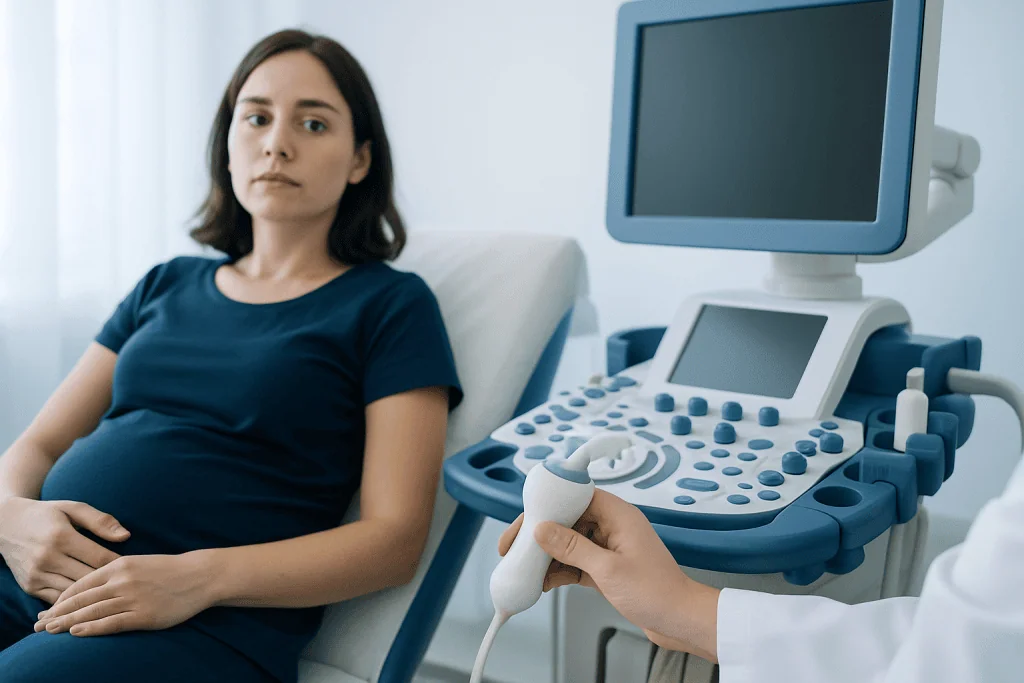
The most common sign of female infertility is not becoming pregnant after regular, unprotected intercourse over a period of time. In general, an evaluation is often recommended after 12 months of trying if a woman is under 35, or after 6 months if she is 35 or older. An earlier review may be advised if there are known gynecologic problems or concerning symptoms.
Menstrual changes are among the clearest possible warning signs. Periods that are very irregular, unusually far apart, absent, or unpredictable may suggest that ovulation is not happening regularly. Very heavy bleeding, severe cramping, or spotting between periods can also be associated with conditions that may affect fertility.
Other symptoms may include ongoing pelvic pain, pain during intercourse, or pain with bowel movements around the time of menstruation. These symptoms can sometimes be linked with endometriosis, adenomyosis, or scarring in the pelvis. Persistent vaginal dryness or discomfort may also point to hormonal changes or conditions such as vaginal atrophy, depending on age and medical history.
Hormonal symptoms can offer additional clues. These may include acne, unwanted facial or body hair, scalp hair thinning, weight changes, or milky nipple discharge when not breastfeeding. While these symptoms can have several causes, they may reflect hormone imbalance and should be assessed in the context of fertility goals.
Causes and Risk Factors
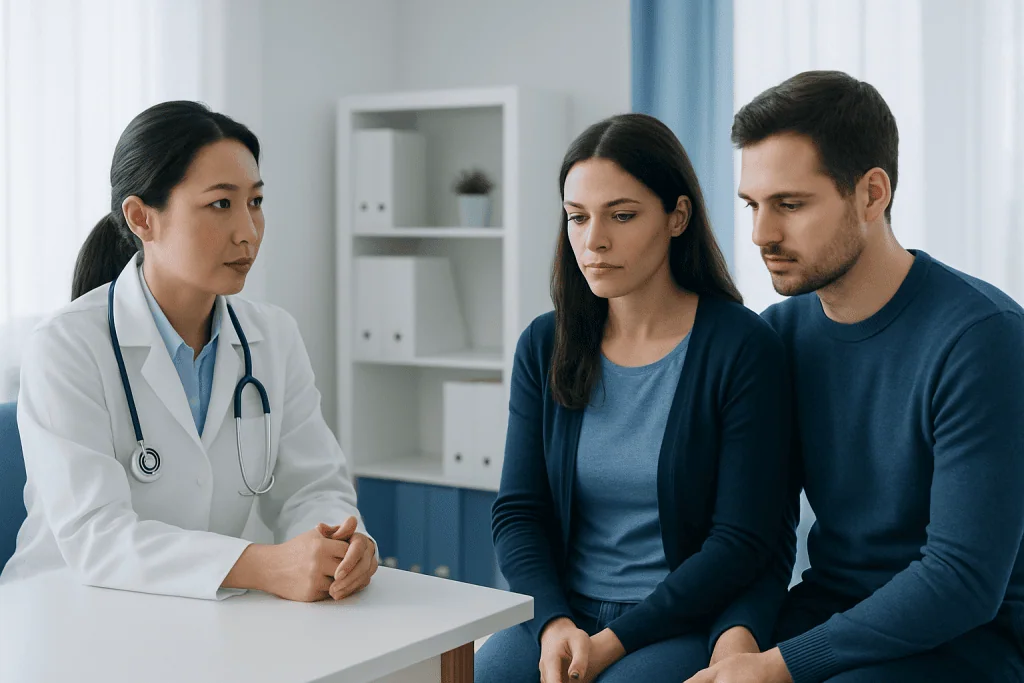
Female infertility symptoms can arise from several different causes. Problems with ovulation are among the most common. If an egg is not released regularly, pregnancy becomes less likely. Hormone-related conditions such as polycystic ovary syndrome may lead to irregular cycles, acne, excess hair growth, and difficulty conceiving.
Structural conditions affecting the uterus, cervix, or fallopian tubes can also play a role. Fibroids, uterine abnormalities such as a uterine septum, scar tissue, or blocked fallopian tubes may interfere with fertilization or implantation. Endometrial growths, including endometrial polyps, may sometimes contribute to abnormal bleeding and fertility problems.
Inflammation or infection is another important factor. A history of sexually transmitted infections or pelvic inflammatory disease can damage the fallopian tubes and increase the risk of infertility. Endometriosis may also affect fertility by causing inflammation, pelvic adhesions, and pain.
Additional risk factors include advancing age, smoking, excessive alcohol use, significant underweight or overweight, uncontrolled thyroid disease, diabetes, intense physical stress, and some cancer treatments. Premature decline in ovarian function, including premature ovarian insufficiency, can lead to missed periods and reduced fertility at a younger age than expected.
How Female Infertility Is Diagnosed
Diagnosis starts with a detailed medical history and discussion of menstrual patterns, past pregnancies, pelvic pain, sexual health, medications, family history, and how long pregnancy has been attempted. A doctor may also ask about previous surgery, infections, weight changes, and symptoms such as acne or unwanted hair growth that can point toward hormone disorders.
A pelvic examination may be followed by laboratory testing to assess hormones related to ovulation, thyroid function, ovarian reserve, and prolactin levels. Ovulation tracking can sometimes be done through cycle history, blood tests, or at-home monitoring methods. These tests help determine whether eggs are being released regularly.
Imaging is often part of the evaluation. Pelvic ultrasound can look at the ovaries and uterus, identify fibroids or cysts, and assess the uterine lining. If needed, the doctor may recommend tests to check whether the fallopian tubes are open and whether the uterine cavity has a normal shape.
Infertility evaluation is usually most helpful when both partners are assessed, because male factors are also common. A complete, coordinated review may lead to a more accurate diagnosis and a treatment plan tailored to the couple’s needs. In some cases, this process is part of a broader female infertility evaluation and treatment pathway.
Treatment Options
Treatment depends on the underlying cause, age, duration of infertility, and personal preferences. If a hormonal problem is identified, treatment may focus on restoring ovulation or improving cycle regularity. If thyroid disease, high prolactin, or another endocrine condition is contributing, managing that condition may improve fertility.
When structural problems are found, procedures or surgery may sometimes help. Examples include removing certain polyps or fibroids, correcting selected uterine abnormalities, or treating scar tissue. If endometriosis is suspected, management is individualized based on symptoms, fertility goals, and imaging or surgical findings.
Assisted reproductive treatments may be recommended when simpler approaches are not enough or when specific factors make them more effective. These may include insemination, ICSI, or IVF, depending on the diagnosis and the couple’s circumstances. A fertility specialist explains the likely benefits, limitations, and practical steps of each option.
Supportive care matters too. Infertility can be emotionally demanding, and many people benefit from counseling, stress management, or support groups during evaluation and treatment. Near the end of the care journey, some patients choose centers such as Acibadem International, where multidisciplinary specialists in JCI-accredited hospitals diagnose and treat infertility for international patients.
Prevention and Self-Care
Not every cause of infertility can be prevented, but healthy habits may support reproductive health. Maintaining a balanced weight, eating a varied diet, exercising regularly, and getting enough sleep may help support normal hormone function and ovulation. Smoking cessation is especially important, since smoking can harm egg quality and overall fertility.
Timely treatment of pelvic infections and routine gynecologic care can also protect fertility. Using protection against sexually transmitted infections lowers the risk of tubal damage. It is also helpful to seek advice early for severe menstrual pain, absent periods, or persistent pelvic symptoms rather than waiting until conception becomes difficult.
Cycle awareness can be useful for people trying to conceive. Tracking period timing, symptoms, and possible ovulation signs can help identify patterns worth discussing with a doctor. However, self-tracking should not replace professional evaluation when cycles are very irregular or symptoms are significant.
People with known conditions such as ovarian cysts, endometriosis, or previous pelvic surgery may benefit from pre-pregnancy counseling. Planning ahead can help a doctor recommend tests, optimize treatment, and discuss the best time to try for pregnancy.
When to See a Doctor
A doctor should be consulted if pregnancy has not happened after 12 months of regular, unprotected intercourse, or after 6 months if the woman is 35 or older. Earlier evaluation is sensible if periods are very irregular, absent, unusually painful, or very heavy. It is also appropriate to seek care sooner after multiple miscarriages or if there is a known history of endometriosis, pelvic infection, or pelvic surgery.
Pelvic pain, pain during intercourse, abnormal bleeding, or signs of hormone imbalance such as excess hair growth or nipple discharge are also reasons for medical review. These symptoms do not automatically mean infertility, but they can provide important clues about reproductive health. The sooner the cause is understood, the sooner treatment options can be discussed.
Urgent medical attention is needed for severe pelvic pain, fainting, heavy bleeding, fever, or sudden one-sided pain, especially with a missed period. These symptoms may have causes unrelated to infertility but still require prompt care, including the possibility of a gynecologic emergency.
Seeing a specialist can help clarify next steps in a calm, structured way. Many causes are treatable, and even when treatment is more complex, early guidance often improves planning and peace of mind.
Frequently asked questions
Can a woman be infertile and still have regular periods?
Yes. Regular periods often suggest ovulation is happening, but they do not guarantee that fertility is normal. Problems with egg quality, fallopian tubes, the uterus, endometriosis, or a male partner's fertility can still make pregnancy difficult.
Are irregular periods a sign of infertility?
Irregular periods can be a sign that ovulation is not occurring regularly, which may reduce the chance of pregnancy. They do not always mean infertility, but they are an important reason to seek medical advice, especially when trying to conceive.
What are the first symptoms of female infertility?
For many women, the first sign is simply not becoming pregnant after trying for several months. Others may notice irregular or absent periods, very painful periods, pelvic pain, abnormal bleeding, or symptoms of hormone imbalance such as acne or excess hair growth.
When should a woman see a fertility specialist?
A specialist is often consulted after 12 months of trying if under age 35, or after 6 months if age 35 or older. Earlier evaluation is appropriate if there are irregular periods, severe pelvic pain, known gynecologic conditions, or a history of pregnancy loss.
Can lifestyle affect female fertility?
Yes. Smoking, significant weight changes, heavy alcohol use, poor sleep, and unmanaged chronic illness can affect hormones and reproductive health. Healthy lifestyle choices may improve fertility, although medical treatment may still be needed depending on the cause.
Is female infertility always treatable?
Treatment options are available for many causes, but the most effective approach depends on the diagnosis, age, and overall health. Some women conceive with simple changes or medication, while others may need surgery or assisted reproductive treatments.
References
- World Health Organization
- American College of Obstetricians and Gynecologists
- American Society for Reproductive Medicine
- National Institute for Health and Care Excellence
- Centers for Disease Control and Prevention
This article is for general information only and is not a substitute for professional medical advice. Please consult a qualified doctor about your individual situation.
Female Infertility in Turkey — costs, top hospitals & a free quote
JCI-accredited · board-certified surgeons · reply within 24h
Add us as a Preferred Source to see more of our trusted health content across Google Search, AI Overviews and Discover.
Check your numbers in seconds
BMI, calories, due date, blood pressure and 30+ more clinical calculators — free, instant, doctor-reviewed ranges.

IVF & Reproductive Health
Assisted reproduction and fertility treatments tailored to each couple.
Related Treatments
Related Conditions
More from the Health Library



Related Specialists

Prof. Dr. Mehmet Cihat Ünlü
Gynecology & Obstetrics
Prof. Dr. Mete Güngör
Gynecology & Obstetrics
Prof. Dr. Bülent Tıraş
Gynecology & Obstetrics
Prof. Dr. Tansu Küçük
Gynecology & Obstetrics