Gastroenterology Appointment: What to Expect and How to Prepare

A gastroenterology appointment usually includes a detailed symptom review, medical history, physical exam, and discussion of next steps. Bringing medication lists, prior test results, and a symptom diary can help the doctor make an accurate assessment.
Key Takeaways
- A gastroenterology appointment usually includes a detailed symptom review, medical history, physical exam, and discussion of next steps.
- Bringing medication lists, prior test results, and a symptom diary can help the doctor make an accurate assessment.
- Not every visit leads to a procedure; many appointments focus on evaluation, lifestyle guidance, and planning tests if needed.
- Common tests may include blood work, stool tests, imaging, endoscopy, or colonoscopy depending on symptoms.
- Urgent symptoms such as vomiting blood, black stools, severe abdominal pain, or unexplained weight loss need prompt medical attention.
A gastroenterology appointment helps identify the cause of digestive symptoms and create a practical treatment plan. Knowing what usually happens during the visit can make the experience smoother, more comfortable, and more productive.
Overview: what a gastroenterology appointment is for
A gastroenterology appointment is a visit with a doctor who specializes in the digestive system, including the esophagus, stomach, intestines, liver, pancreas, gallbladder, and rectum. People may be referred to a gastroenterologist because of ongoing symptoms such as abdominal pain, heartburn, bloating, diarrhea, constipation, nausea, difficulty swallowing, or abnormal blood test results related to the liver or digestion.
The goal of the visit is to understand symptoms carefully, look for possible causes, and decide whether testing or treatment is needed. In many cases, the appointment is the first step in diagnosing common problems such as reflux, food intolerance, or constipation. It can also help evaluate more complex conditions such as irritable bowel syndrome, inflammatory bowel disease, liver disease, or swallowing disorders.
For many patients, the first consultation is mainly a discussion rather than a procedure. The doctor listens to the patient’s concerns, reviews health history, and explains what might be causing the symptoms. This approach helps build a clear plan and often reduces uncertainty about what to do next.
When someone may need to see a gastroenterologist
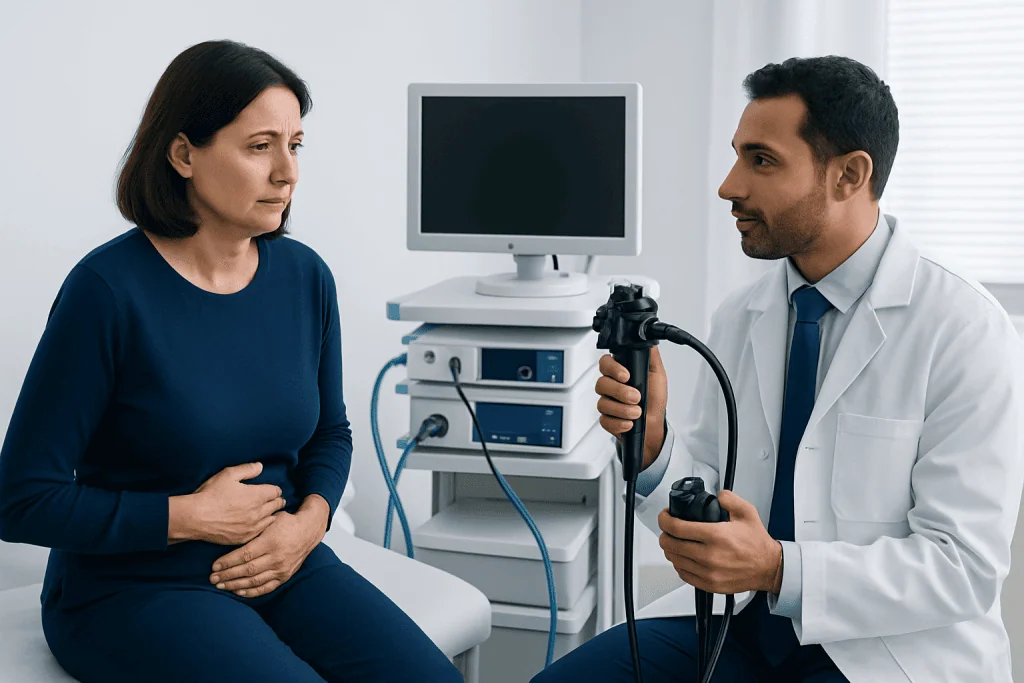
A person may be advised to book a gastroenterology appointment if digestive symptoms are persistent, recurrent, or affecting daily life. Typical reasons include long-lasting heartburn, frequent stomach pain, changes in bowel habits, rectal bleeding, unexplained nausea, vomiting, bloating, or trouble swallowing. Some people are referred after abnormal blood tests, imaging results, or positive screening tests.
A specialist may also be needed when symptoms suggest a specific digestive condition. Examples include suspected celiac disease, gallstones, hemorrhoids, liver inflammation, pancreatitis, or inflammatory bowel disease. People with a family history of colon polyps, colorectal cancer, liver disease, or chronic intestinal illness may also benefit from specialist assessment.
Routine screening is another common reason for referral. Depending on age, risk factors, and personal history, a gastroenterologist may recommend screening colonoscopy or follow-up for previous polyps. Early evaluation can help clarify whether symptoms are caused by a functional disorder, inflammation, infection, structural changes, or another digestive issue.
What usually happens during the appointment

Most gastroenterology appointments begin with a conversation about symptoms. The doctor will usually ask when the problem started, how often it happens, what makes it better or worse, whether it is related to meals, and whether there are warning signs such as weight loss, fever, bleeding, or nighttime symptoms. Even details that seem minor can be helpful in finding patterns.
The doctor will also review the patient’s full medical history. This often includes previous illnesses, surgeries, medications, supplements, allergies, travel history, diet, alcohol use, smoking, and family history of digestive disease. Patients may also be asked about stress, sleep, and bowel habits, since these can affect digestive health.
A physical examination is often part of the visit. It may include checking the abdomen for tenderness, swelling, or masses and looking for signs such as jaundice, dehydration, or anemia. Depending on the reason for consultation, the doctor may discuss whether further evaluation is needed through blood tests, stool tests, breath tests, ultrasound, CT, MRI, endoscopy, or colonoscopy.
At the end of the appointment, the patient usually receives a preliminary impression and next-step plan. This may include lifestyle changes, medications, more testing, or monitoring symptoms over time. If symptoms suggest a specific disorder, the doctor may explain conditions such as reflux disease, celiac disease, or Crohn disease in more detail.
How to prepare before the visit
Preparation can make the appointment more useful and efficient. A patient should try to write down symptoms in advance, including when they began, how often they occur, their severity, and whether they are linked to meals, stress, medications, or bowel movements. Recording stool changes, episodes of pain, vomiting, heartburn, or food triggers can be especially helpful.
It is also important to bring a list of all medicines, vitamins, supplements, and over-the-counter products. Prior laboratory results, imaging reports, endoscopy or colonoscopy reports, hospital discharge papers, and referral notes can save time and prevent repeated testing. If possible, patients should also note important family history, especially colon cancer, polyps, inflammatory bowel disease, or liver disease.
Before the appointment, patients may want to prepare questions. Helpful questions can include what the likely causes are, whether tests are needed, how soon symptoms should improve, what foods to avoid, and what warning signs require urgent care. If language, memory, or anxiety is a concern, bringing a trusted family member or companion may make the visit easier.
Unless the clinic has given specific instructions, patients usually do not need to fast for a routine consultation. However, if blood work, endoscopy, or colonoscopy has been scheduled for the same day, there may be preparation rules. Following these instructions carefully can improve the accuracy and safety of testing.
Tests and procedures that may be recommended
Not every patient will need testing right away. The choice depends on symptoms, age, risk factors, physical exam findings, and previous results. In some cases, the doctor may first recommend dietary changes, symptom tracking, or a short course of treatment before ordering procedures.
Common tests include blood tests to look for anemia, infection, inflammation, liver problems, nutritional deficiencies, or celiac markers. Stool tests may check for infection, blood, inflammation, or digestive problems. Imaging tests such as ultrasound, CT, or MRI can help examine the liver, gallbladder, pancreas, and intestines.
Endoscopic procedures are sometimes needed for a clearer diagnosis. Upper endoscopy allows the doctor to examine the esophagus, stomach, and first part of the small intestine, while colonoscopy examines the large intestine and rectum. These tests may help investigate causes such as Barrett's esophagus, ulcers, polyps, inflammation, or gastrointestinal bleeding.
For some patients, the specialist may suggest more focused testing, such as breath tests for lactose intolerance or bacterial overgrowth, capsule studies, motility testing, or liver assessment. The doctor will usually explain why a test is being recommended, how to prepare, and what the results may show.
Possible treatment plans after the consultation
Treatment after a gastroenterology appointment depends on the cause of symptoms. Some patients may only need reassurance, monitoring, and practical lifestyle changes. Others may benefit from medicines that reduce acid, control inflammation, improve bowel habits, manage infection, or support liver and pancreatic health.
Diet and nutrition advice are often part of care. The doctor may recommend avoiding certain trigger foods, increasing fiber gradually, adjusting meal size and timing, limiting alcohol, or trying a medically guided elimination diet. These changes should be individualized, because digestive symptoms do not have one single cause or one diet that works for everyone.
If a chronic condition is found, follow-up is usually important. For example, patients with inflammatory bowel disease, chronic reflux, liver disease, or recurrent abdominal pain may need ongoing monitoring and periodic testing. In some cases, referral to other specialists such as surgeons, dietitians, radiologists, or hepatologists may be appropriate.
Near the end of the care pathway, patients may also seek treatment at centers with coordinated digestive services. Acibadem International’s multidisciplinary specialists and JCI-accredited hospitals diagnose and treat digestive disorders for international patients, including complex problems that may involve neurogastroenterology assessment when symptoms relate to gut motility or the interaction between the gut and nervous system.
When to seek urgent medical help
Most digestive symptoms are not emergencies, but some require prompt medical attention. A person should seek urgent care if there is vomiting blood, black or tarry stools, significant rectal bleeding, severe or worsening abdominal pain, persistent vomiting, inability to keep fluids down, fainting, chest pain, or signs of dehydration.
Other warning signs include unexplained weight loss, trouble swallowing that is getting worse, yellowing of the skin or eyes, fever with abdominal pain, or a new change in bowel habits that does not improve. These symptoms do not always mean a serious condition, but they should not be ignored.
If there is any doubt about the urgency of symptoms, it is safest to contact a doctor promptly. Early assessment can help determine whether symptoms need emergency treatment, specialist review, or close follow-up. Bringing clear information about symptoms and timing can support faster and more accurate care.
Frequently asked questions
Do all gastroenterology appointments involve an endoscopy or colonoscopy?
No. Many first appointments are focused on discussing symptoms, reviewing medical history, and deciding whether any tests are needed. A procedure is only recommended when it is clinically appropriate.
What should a patient bring to a gastroenterology appointment?
It is helpful to bring a list of medications and supplements, prior test results, imaging reports, and notes about symptoms. A written record of food triggers, bowel habits, pain episodes, or bleeding can also be useful.
Should someone fast before a gastroenterology appointment?
Usually not for a routine office consultation, unless the clinic has provided specific instructions. If a blood test or procedure is planned the same day, the patient should follow the preparation guidance given by the healthcare team.
Can a gastroenterologist help with liver problems as well as stomach issues?
Yes. Gastroenterologists commonly assess disorders involving the liver, gallbladder, pancreas, intestines, stomach, and esophagus. Depending on the condition, some patients may also be referred to a hepatology specialist for focused liver care.
How long does a gastroenterology appointment usually take?
The exact length varies by clinic and the complexity of symptoms, but an initial consultation often takes longer than a routine follow-up. More time may be needed if there are multiple symptoms, previous test results to review, or questions about procedures.
What symptoms should not wait for a routine appointment?
Urgent symptoms include vomiting blood, black stools, severe abdominal pain, significant rectal bleeding, fainting, or signs of dehydration. Worsening trouble swallowing, jaundice, or rapid unexplained weight loss should also be assessed promptly.
References
- National Institute of Diabetes and Digestive and Kidney Diseases
- American College of Gastroenterology
- National Health Service
- Mayo Clinic
- World Gastroenterology Organisation
This article is for general information only and is not a substitute for professional medical advice. Please consult a qualified doctor about your individual situation.
Persistent digestive symptoms? Get evaluated in Turkey
JCI-accredited · board-certified surgeons · reply within 24h
Add us as a Preferred Source to see more of our trusted health content across Google Search, AI Overviews and Discover.

Gastroenterology
Diagnosis and treatment of the digestive system and liver, with advanced endoscopy.
46 specialists in this unit