Gestational Diabetes in Pregnancy: Risks, Testing, and Daily Management

Gestational diabetes means blood sugar becomes higher than normal during pregnancy. It often causes no clear symptoms, so routine screening is important.
Key Takeaways
- Gestational diabetes means blood sugar becomes higher than normal during pregnancy.
- It often causes no clear symptoms, so routine screening is important.
- Healthy eating, regular movement, and blood sugar checks are the foundation of treatment.
- Some people also need insulin or other doctor-recommended medication during pregnancy.
- Follow-up after delivery matters because gestational diabetes raises the future risk of type 2 diabetes.
Gestational diabetes is a type of diabetes that develops during pregnancy and usually goes away after birth. With timely testing, regular blood sugar monitoring, healthy meals, physical activity, and medical follow-up, most people can have a healthy pregnancy and delivery.
Overview
Gestational diabetes is a form of diabetes first recognized during pregnancy. It happens when the body cannot make or use insulin effectively enough to keep blood sugar within a healthy range. Pregnancy naturally changes hormone levels, and these hormones can make the body more resistant to insulin, especially in the second and third trimesters.
This condition is common and treatable. Many pregnant people with gestational diabetes feel well and do not notice symptoms, which is why routine screening is part of standard prenatal care. Early detection helps reduce the chance of complications for both parent and baby.
Good control of blood sugar supports healthy fetal growth and lowers risks during pregnancy and birth. Care may involve an obstetrician, endocrinologist, diabetes educator, dietitian, and sometimes other specialists. Patients seeking condition-specific information may also find gestational diabetes care helpful as part of broader prenatal support.
Symptoms and possible effects during pregnancy
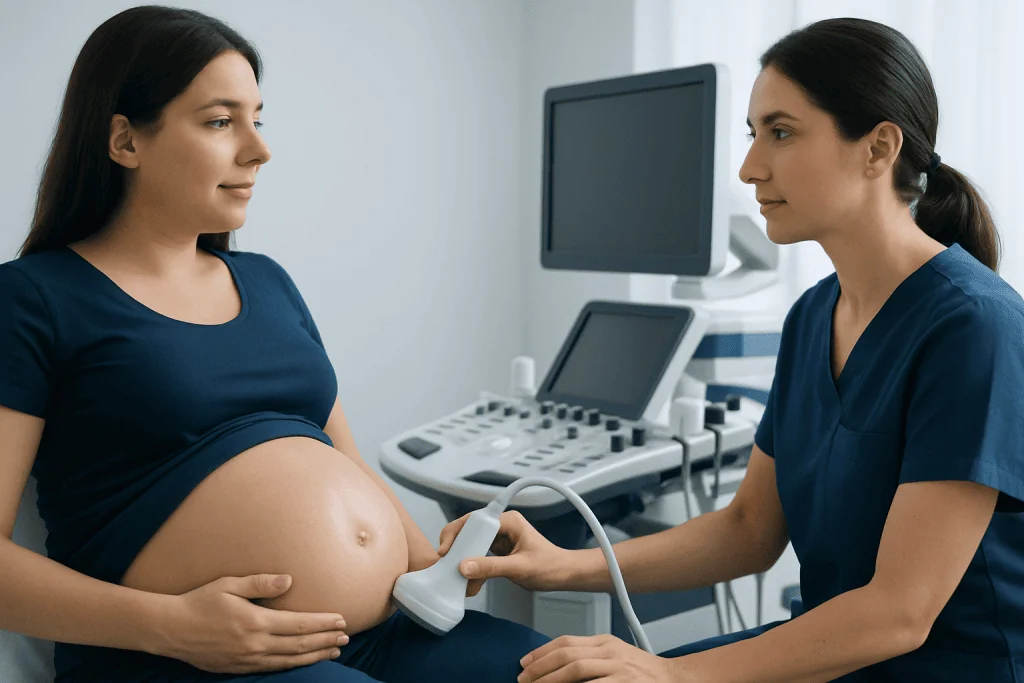
Gestational diabetes often causes no obvious symptoms. When symptoms do occur, they can resemble those of other forms of diabetes, such as increased thirst, more frequent urination, tiredness, blurred vision, or feeling unusually hungry. Because many of these can also happen in a normal pregnancy, testing is more reliable than symptoms alone.
If blood sugar remains high, gestational diabetes can affect both the pregnant person and the baby. For the baby, there may be a higher chance of growing larger than average, which can make vaginal birth more difficult. Newborns may also have low blood sugar after birth and may need close observation.
For the parent, uncontrolled gestational diabetes can increase the risk of high blood pressure disorders in pregnancy, including preeclampsia, and can make cesarean delivery more likely. It can also raise the risk of developing type 2 diabetes later in life, which is why follow-up after pregnancy is important.
Causes and risk factors

Gestational diabetes develops because pregnancy hormones can reduce the body’s sensitivity to insulin. In many pregnancies, the pancreas responds by making more insulin. When it cannot keep up with this increased demand, blood sugar rises.
Anyone can develop gestational diabetes, but some factors increase the chance. These include being overweight or obese before pregnancy, having a family history of type 2 diabetes, having had gestational diabetes in a previous pregnancy, or previously giving birth to a larger baby. Certain ethnic backgrounds are also associated with higher risk.
Other related conditions may raise risk as well. For example, people with polycystic ovary syndrome may have more insulin resistance even before pregnancy. A history of prediabetes, limited physical activity, or pregnancy through fertility treatment may also lead clinicians to monitor blood sugar more closely during prenatal care, including in those who conceived through IVF treatment.
How gestational diabetes is diagnosed
Most pregnant people are screened for gestational diabetes between 24 and 28 weeks of pregnancy. Some people at higher risk may be tested earlier, sometimes at the first prenatal visit. Screening practices can vary by country and clinic, but they usually involve drinking a glucose solution followed by a blood test.
One common approach is a two-step process. First, a screening glucose challenge test is performed. If the result is above the expected range, a longer oral glucose tolerance test is done to confirm the diagnosis. In some settings, a one-step oral glucose tolerance test is used from the start.
Diagnosis does not mean the pregnancy will be unhealthy. It means the care team can begin structured management, including nutrition planning and glucose monitoring, to help keep blood sugar in target range. If there are signs of related pregnancy complications, the doctor may recommend additional checks of the baby’s growth and well-being.
Treatment and daily management
The main goals of treatment are to keep blood sugar in a healthy range, support normal fetal growth, and reduce pregnancy complications. For many people, treatment starts with a personalized meal plan, regular physical activity, and checking blood sugar at home. A dietitian or diabetes educator can explain how meal timing, portion size, and carbohydrate choices affect glucose levels.
Balanced meals usually include vegetables, whole grains, protein, healthy fats, and controlled portions of carbohydrate-rich foods. Gentle to moderate activity, such as walking after meals if approved by the doctor, can help the body use insulin more effectively. Home blood sugar monitoring helps show how food, activity, stress, and sleep affect glucose patterns.
If lifestyle measures are not enough, medication may be needed. Insulin is often the standard treatment during pregnancy because it does not cross the placenta in the same way as many oral medicines. Some patients may be offered other medications depending on individual circumstances, but this decision should always be made with a qualified clinician.
Regular prenatal follow-up is essential. The care team may perform more frequent ultrasound assessments to monitor growth, and in selected cases may involve other specialists, such as fetal cardiology or gestational nephrology, if there are additional concerns affecting the pregnancy.
Birth planning and what happens after delivery
Many people with gestational diabetes go on to have healthy births. Delivery planning depends on blood sugar control, the baby’s growth, overall pregnancy health, and whether other complications are present. In some cases, the doctor may discuss induction or cesarean birth if the baby appears very large or if there are maternal health concerns.
After birth, blood sugar often returns to normal fairly quickly. However, the baby may be observed for low blood sugar and feeding difficulties in the first hours of life. The healthcare team will explain what monitoring is needed and what to expect in the hospital.
Even when glucose levels improve postpartum, follow-up remains important. A repeat diabetes test is usually recommended several weeks after delivery to check whether blood sugar has returned to normal. In later years, regular screening is advised because a history of gestational diabetes increases the risk of type 2 diabetes and future gestational diabetes in another pregnancy.
Prevention and self-care
Gestational diabetes cannot always be prevented, but healthy habits before and during pregnancy can lower risk and support overall health. Reaching a healthy weight before conception, staying physically active, and following a balanced diet may improve insulin sensitivity. Prenatal care started early also helps identify risk factors and allows timely testing.
Self-care during pregnancy includes attending all prenatal visits, checking blood sugar as instructed, and reporting any concerns promptly. Keeping a simple record of meals, activity, and glucose readings can make it easier for the care team to adjust the plan. Good sleep, hydration, and stress management may also support healthier glucose control.
People planning pregnancy after fertility treatment or with a history of hormone-related conditions may benefit from preconception counseling. Understanding the role of the reproductive system and any existing health issues can help build a safer pregnancy plan from the beginning.
When to see a doctor
Anyone who is pregnant should attend routine prenatal appointments, even if they feel well, because gestational diabetes may not cause symptoms. A doctor should be consulted promptly if there is excessive thirst, frequent urination beyond expected pregnancy changes, blurry vision, or unusual fatigue. These symptoms do not always mean gestational diabetes, but they deserve medical review.
Urgent assessment is important if there are signs of high blood pressure, severe swelling, severe headache, reduced fetal movement, contractions before term, or vaginal bleeding. These symptoms may relate to other pregnancy conditions rather than blood sugar alone and should not be ignored.
Near the end of care, it may also be helpful to discuss long-term prevention. Acibadem International’s multidisciplinary specialists in JCI-accredited hospitals diagnose and treat gestational diabetes for international patients, alongside comprehensive pregnancy and postpartum follow-up when needed.
Frequently asked questions
Is gestational diabetes the same as type 1 or type 2 diabetes?
No. Gestational diabetes is diabetes first identified during pregnancy, usually in the second or third trimester. It often improves after birth, but it means the person has a higher future risk of type 2 diabetes.
Can gestational diabetes harm the baby?
It can increase certain risks if blood sugar is not well controlled, such as a larger baby, low newborn blood sugar, and delivery complications. With regular monitoring and treatment, many pregnancies have very good outcomes.
Will diet alone be enough to manage gestational diabetes?
For many people, healthy eating, physical activity, and blood sugar checks are enough to keep glucose in range. Others may need insulin or another doctor-recommended medicine, depending on their readings and the stage of pregnancy.
When is the gestational diabetes test done?
Routine screening is commonly done between 24 and 28 weeks of pregnancy. If someone has higher risk factors, the doctor may recommend testing earlier.
Does gestational diabetes go away after delivery?
In many cases, blood sugar returns to normal after the baby is born. Even so, follow-up testing is important because some people continue to have abnormal glucose levels or later develop type 2 diabetes.
Can someone have another healthy pregnancy after gestational diabetes?
Yes. Many people have healthy future pregnancies after gestational diabetes. Preconception care, early prenatal visits, and timely screening can help lower risks and support better glucose control next time.
References
- World Health Organization
- American Diabetes Association
- Centers for Disease Control and Prevention
- American College of Obstetricians and Gynecologists
- National Institute of Diabetes and Digestive and Kidney Diseases
This article is for general information only and is not a substitute for professional medical advice. Please consult a qualified doctor about your individual situation.
Gestational Diabetes in Turkey — costs, top hospitals & a free quote
JCI-accredited · board-certified surgeons · reply within 24h
Add us as a Preferred Source to see more of our trusted health content across Google Search, AI Overviews and Discover.
Check your numbers in seconds
BMI, calories, due date, blood pressure and 30+ more clinical calculators — free, instant, doctor-reviewed ranges.

IVF & Reproductive Health
Assisted reproduction and fertility treatments tailored to each couple.
Related Treatments
Related Conditions
More from the Health Library



Related Specialists

Prof. Dr. Mehmet Cihat Ünlü
Gynecology & Obstetrics
Prof. Dr. Mete Güngör
Gynecology & Obstetrics
Prof. Dr. Bülent Tıraş
Gynecology & Obstetrics
Prof. Dr. Tansu Küçük
Gynecology & Obstetrics