

How Long Does a Breast Augmentation Take?

Most breast augmentation procedures take around 1 to 2 hours. The total time at the hospital or surgical center is usually several hours longer than the operation itself.
Key Takeaways
- Most breast augmentation procedures take around 1 to 2 hours.
- The total time at the hospital or surgical center is usually several hours longer than the operation itself.
- Recovery time depends on the individual, the surgical plan, and whether additional procedures are performed.
- A consultation with a qualified plastic surgeon is the best way to get a personalized timeline.
- Following aftercare instructions can support smoother healing and return to daily activities.
Breast augmentation usually takes about 1 to 2 hours in the operating room, but the full process on the day of surgery is longer because it includes preparation, anesthesia, and recovery monitoring. Timing can vary based on the surgical technique, implant type, and whether other procedures are done at the same time.
Overview: How long does breast augmentation take?
Breast augmentation is a surgical procedure used to increase breast volume or improve breast shape, most often with implants and, in some cases, fat transfer techniques. Many patients want to know how long the surgery itself takes, as well as how much time they should plan for before and after the procedure.
In most cases, breast augmentation takes about 1 to 2 hours in the operating room. This estimate refers to the procedure itself, not the entire day. Time is also needed for check-in, preoperative preparation, anesthesia, and recovery observation before going home.
The exact length can vary from person to person. Factors such as the type of implant, the incision location, the placement of the implant, body anatomy, and whether another procedure is performed at the same time can all affect timing. A surgeon offering aesthetic breast surgery can explain what applies in an individual case.
What affects the length of surgery?
Several technical and personal factors influence how long breast augmentation takes. A straightforward procedure with implants alone may be completed more quickly than a more complex surgery that involves correction of asymmetry, implant exchange, or revision work.
The implant placement method matters. Implants may be placed above or below the chest muscle, depending on the patient’s anatomy and goals. Each approach requires careful planning and precise surgical technique. The incision type also affects the steps involved, whether it is placed in the breast fold, around the areola, or in another suitable location.
Combined procedures usually extend the operating time. For example, some patients may have breast augmentation together with reshaping surgery or treatment for a related concern such as gynecomastia in a broader breast surgery setting, though that condition affects male breast tissue and is managed differently. In some cases, a person may also consider options such as breast reduction or breast reconstruction depending on their needs rather than augmentation alone.
- Implant type and size
- Implant placement above or below the muscle
- Incision location
- Primary surgery or revision surgery
- Whether another procedure is done at the same time
- Individual anatomy and surgical complexity
What to expect on the day of surgery
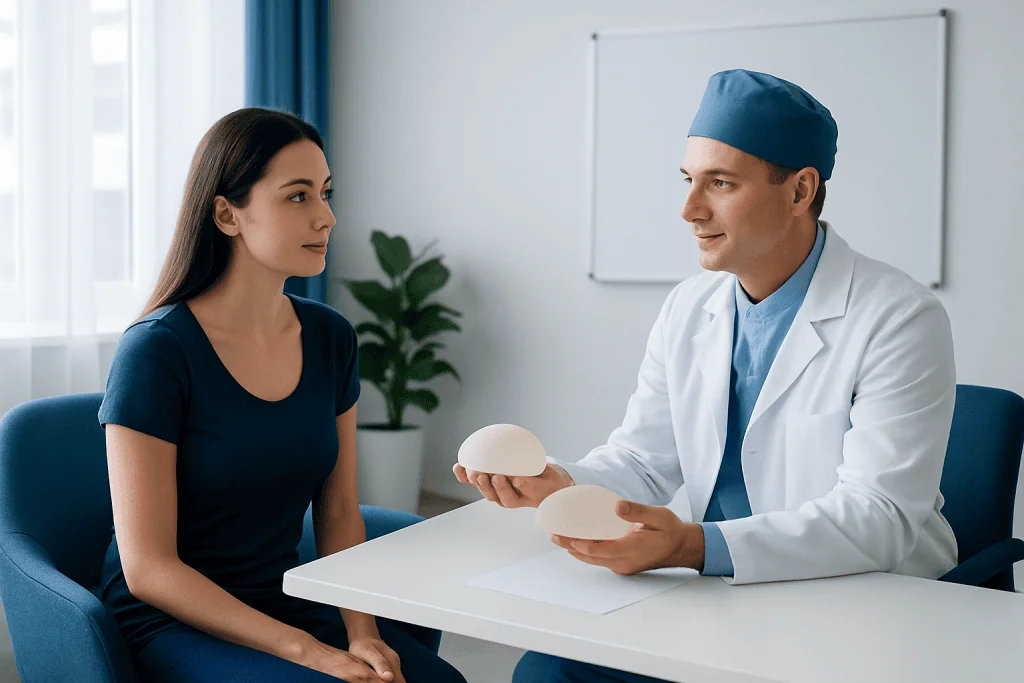
Although the operation itself often lasts 1 to 2 hours, the full day usually takes longer. Patients typically arrive well before surgery for paperwork, a final review with the care team, preparation, and meeting the anesthesiologist. Marking the surgical area and confirming the treatment plan are important safety steps.
Breast augmentation is commonly performed under general anesthesia. Once surgery is complete, the patient is monitored in a recovery area until the anesthesia begins to wear off and the medical team is satisfied that it is safe to go home. This monitoring period can take a few hours.
For many people, the total time spent at the hospital or surgical center may be half a day or more. Because judgment and coordination may be affected after anesthesia, patients are usually advised not to drive themselves home and to arrange for a responsible adult to assist them.
How long is recovery after breast augmentation?
Recovery after breast augmentation happens in stages. Many patients are able to walk and do light daily tasks within a day or two, but soreness, tightness, swelling, and fatigue are common in the early period. The first few days are usually focused on rest, hydration, and following instructions for wound and garment care.
Some people return to desk-based work within about a week, while others need more time. Activities that strain the chest, including heavy lifting, vigorous exercise, or certain arm movements, usually need to be limited for longer. The exact timeline depends on the surgical approach and the person’s healing process.
Swelling often improves gradually over several weeks, and final results may take a few months to settle. If a patient has concerns about discomfort, incision healing, or scar formation, a surgeon may discuss related issues such as keloid scars in those who are prone to raised scarring.
When surgery may take longer or recovery may be different
Not every breast augmentation follows the same course. Revision surgery, implant replacement, or surgery after previous procedures may take longer because of scar tissue or the need to adjust earlier results. If scar tissue around an implant must be addressed, the operation can be more involved than a first-time augmentation.
Patients having a combined procedure may also need a longer operation and recovery. For example, breast surgery may be performed alongside body contouring procedures in selected cases, but this requires careful planning and a discussion of safety, operating time, and expected healing.
People who have breast shape changes after pregnancy, weight changes, or prior surgery may need a more individualized approach. Some may be better served by a lift, implant exchange, or even breast prosthesis removal if their goals have changed. A personalized assessment helps set realistic expectations for both timing and outcome.
Preparing for surgery and supporting healing
Good preparation can help the day of surgery go more smoothly and may support recovery. Patients are often advised to stop smoking, review their medications with the surgeon, and avoid certain drugs or supplements that may increase bleeding risk if the doctor recommends it. These steps should always be guided by the surgical team.
It is also helpful to prepare the home environment in advance. Loose clothing, easy-to-reach essentials, prescribed medications, and support from a family member or friend can make the first few days more comfortable. Resting with the upper body slightly elevated may also be recommended.
Following aftercare instructions is one of the most important parts of recovery. This may include wearing a supportive surgical bra, attending follow-up appointments, limiting strenuous activity, and watching for signs that should be reported to the doctor, such as worsening swelling, fever, or unusual drainage.
When to speak with a plastic surgeon
Anyone considering breast augmentation should have a detailed consultation with a board-certified or otherwise appropriately qualified plastic surgeon experienced in breast procedures. The consultation is the best time to ask how long the procedure is expected to take, what type of anesthesia will be used, and how long recovery may last in that specific case.
Patients should also discuss their goals, medical history, any prior breast surgery, and concerns about appearance, scars, or recovery time. A careful consultation helps ensure that the surgical plan is tailored to the individual rather than based on general estimates alone.
If expert evaluation is needed, Acibadem International’s multidisciplinary specialists in JCI-accredited hospitals diagnose and treat breast surgery concerns for international patients. A thorough assessment can clarify whether augmentation or another option is the most suitable path.
Frequently asked questions
How long does breast augmentation surgery usually take?
Breast augmentation commonly takes about 1 to 2 hours in the operating room. The exact length depends on the surgical technique, implant placement, and whether additional procedures are being performed.
How long will a patient stay at the hospital or clinic on the day of surgery?
Most patients spend several hours at the facility, even though the procedure itself is shorter. Time is needed for preoperative preparation, anesthesia, and recovery monitoring before discharge.
Is breast augmentation a day surgery?
In many cases, yes. Breast augmentation is often performed as an outpatient procedure, meaning the patient goes home the same day if recovery is stable and the surgeon is satisfied with postoperative monitoring.
How long does it take to recover from breast augmentation?
Initial recovery often takes days to a couple of weeks, but full healing takes longer. Swelling usually improves gradually, and the final shape may settle over several weeks to months.
When can someone return to work after breast augmentation?
Some people return to desk work within about a week, while others need more time depending on discomfort and the nature of their job. Work that involves lifting, pushing, or strenuous activity often requires a longer break.
Can breast augmentation take longer if it is a revision surgery?
Yes. Revision procedures may take longer because the surgeon may need to work around scar tissue, remove or replace implants, or correct previous results. These cases are often more complex than first-time surgery.
What is the best way to know the expected timeline for an individual case?
The best way is to have a consultation with a qualified plastic surgeon. After reviewing anatomy, goals, medical history, and treatment options, the surgeon can provide a more accurate estimate for surgery time and recovery.
References
- American Society of Plastic Surgeons
- U.S. Food and Drug Administration
- National Health Service
- American Board of Plastic Surgery
This article is for general information only and is not a substitute for professional medical advice. Please consult a qualified doctor about your individual situation.
Breast Augmentation in Turkey — costs, top hospitals & a free quote
JCI-accredited · board-certified surgeons · reply within 24h
Add us as a Preferred Source to see more of our trusted health content across Google Search, AI Overviews and Discover.

Plastic, Reconstructive & Aesthetic Surgery
Reconstructive and aesthetic procedures for the face and body, performed by experienced surgeons.
35 specialists in this unitRelated Treatments
Related Conditions
More from the Health Library



Related Specialists
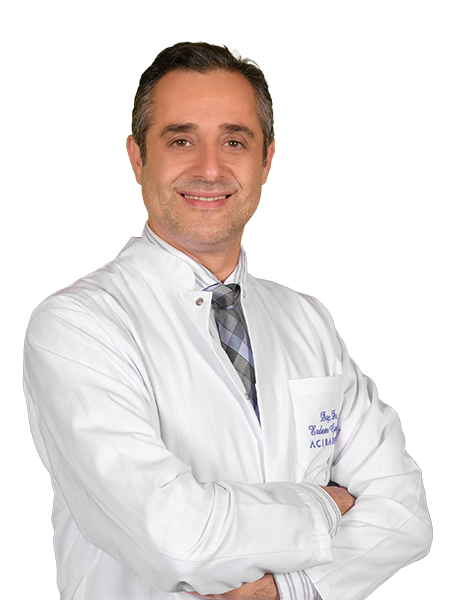
Assoc. Prof. Dr. Erdem Güven (m)
Aesthetic Plastic & Reconstructive Surgery
Prof. Dr. Şükrü Yazar
Aesthetic Plastic & Reconstructive Surgery
Prof. Dr. Hakan Ağır
Aesthetic Plastic & Reconstructive Surgery
Prof. Dr. Bülent Saçak
Aesthetic Plastic & Reconstructive Surgery