

How to Choose a Safe Liposuction Clinic

A safe liposuction clinic should have an appropriately trained, experienced surgeon and an accredited operating facility. A thorough consultation should cover medical history, realistic goals, risks, alternatives, and recovery planning.
Key Takeaways
- A safe liposuction clinic should have an appropriately trained, experienced surgeon and an accredited operating facility.
- A thorough consultation should cover medical history, realistic goals, risks, alternatives, and recovery planning.
- Low prices, rushed assessments, and vague answers about complications or aftercare can be warning signs.
- Patients should confirm who will perform the procedure, what type of anesthesia will be used, and how emergencies are handled.
- Good clinics focus on suitability and safety, not only on selling a cosmetic result.
Choosing a safe liposuction clinic involves more than comparing prices or before-and-after photos. The safest choice is a qualified plastic surgeon working in an accredited facility with clear screening, informed consent, and structured aftercare.
Overview: What Makes a Liposuction Clinic Safe?
A safe liposuction clinic is one that puts patient selection, surgical standards, and follow-up care ahead of convenience or marketing. Liposuction can improve body contours by removing localized fat, but it is still a medical procedure that requires careful planning. The quality of the clinic, the training of the surgeon, and the safety systems in place all matter.
Patients often start by looking at cost, location, or social media photos. While these may influence a decision, they should not be the main basis for choosing where to have treatment. The most important factors are whether the surgeon is appropriately qualified, whether the clinic or hospital meets recognized safety standards, and whether the patient is a suitable candidate for the procedure.
Safe care also includes honest communication. A trustworthy clinic explains expected results, limitations, possible risks, and the recovery process in plain language. It does not promise perfection, encourage unnecessary treatment, or pressure anyone into booking quickly. For people considering classic liposuction or more targeted options such as arm liposuction, the same principles of safety apply.
What to Check Before Choosing a Clinic
One of the first things to verify is the surgeon’s background. Patients should look for a doctor with formal training in plastic, reconstructive, and aesthetic surgery, along with specific experience in liposuction. It is reasonable to ask how often the surgeon performs the procedure, which body areas are commonly treated, and whether they manage both straightforward and more complex cases.
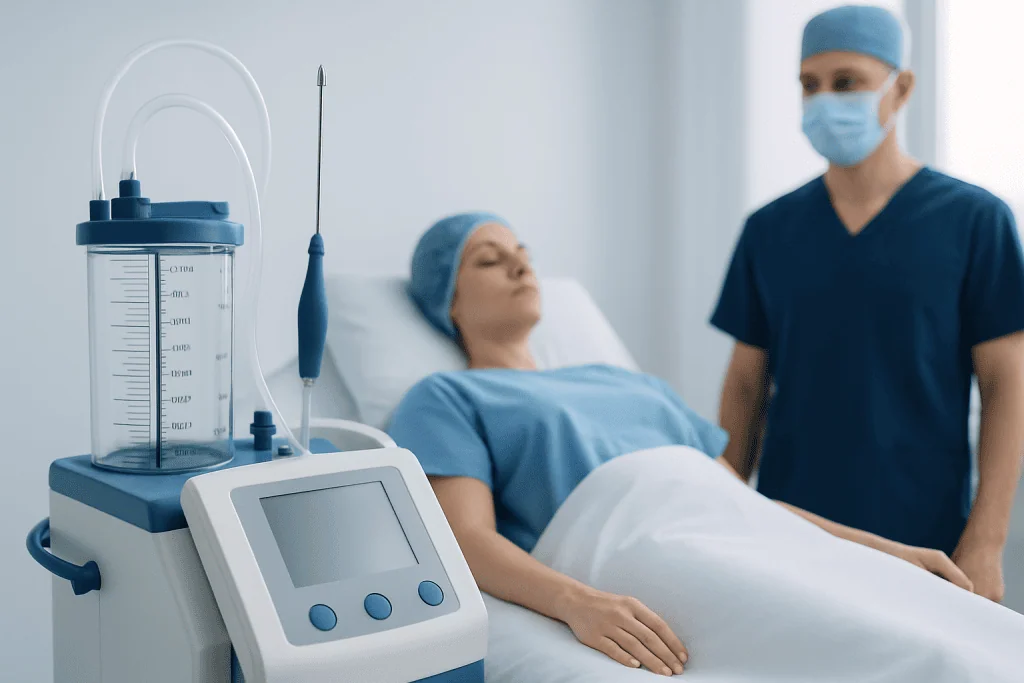
The surgical setting is equally important. Liposuction should be performed in a properly equipped operating room or surgical facility with trained staff, infection control measures, monitoring equipment, and protocols for emergencies. If sedation or general anesthesia is planned, patients should ask who administers it and what qualifications that professional holds.
It also helps to understand the clinic’s overall scope of care. A center that routinely provides broader body aesthetic procedures may be better prepared to assess body proportion, skin quality, and realistic contouring goals rather than treating liposuction as a one-size-fits-all service. Patients should feel comfortable asking direct questions and receiving clear, consistent answers.
- Confirm the surgeon’s specialty training and liposuction experience.
- Check whether the clinic or hospital is accredited and appropriately staffed.
- Ask about anesthesia providers, monitoring, and emergency preparedness.
- Review how consultation, surgery, and follow-up are organized.
Why the Consultation Matters
A proper consultation is one of the strongest signs of a safe liposuction clinic. During this visit, the surgeon should take a detailed medical history, including medications, allergies, prior operations, smoking status, and conditions that may affect healing or anesthesia safety. The conversation should also cover body goals, skin elasticity, weight stability, and whether liposuction is likely to help.
Good candidates usually want contour improvement rather than major weight loss. Liposuction is not a treatment for obesity and does not replace healthy habits. In some cases, another approach may be more suitable, such as non-surgical fat reduction like CoolSculpting or a different body-contouring strategy after major weight changes.
The consultation should include an examination and a realistic discussion of what can and cannot be achieved. This is also the right time to ask whether another issue may be affecting appearance, such as excess glandular tissue in the chest rather than fat alone in some patients with gynecomastia. A careful surgeon explains alternatives, possible scars, expected swelling, compression garments, recovery time, and the chance that a revision may sometimes be needed.
Questions Patients Should Ask
Patients do not need medical expertise to ask good safety questions. Clear, respectful questions can help reveal whether a clinic is transparent and well organized. A reputable team should welcome these discussions and answer without defensiveness or vague reassurances.
Useful questions include who will perform each step of the procedure, what kind of anesthesia is planned, how blood loss and fluid balance are managed, and what monitoring is used during surgery. Patients should also ask how long they will be observed afterward, when they can go home, and what support is available if concerns arise later in the evening or over the weekend.
Before-and-after photographs can be helpful, but they should not replace a medical discussion. Images should show patients with body types and treatment areas similar to the individual seeking care. It is also sensible to ask about revision policy, management of complications, and whether the clinic has access to hospital-level support if a patient becomes unwell.
- Who will actually perform the liposuction?
- What anesthesia will be used, and who will provide it?
- Is the facility accredited and equipped for emergencies?
- What are the common risks and how are they managed?
- What follow-up visits are included?
- What should the patient do if symptoms develop after hours?
Warning Signs and Red Flags
Some signs suggest that a clinic may not be placing safety first. One common red flag is a sales-focused process that minimizes medical screening or encourages immediate booking with discounts. Another is a consultation that feels rushed, with little time spent on health history, medications, or discussion of risks and recovery.
Unrealistic promises are also concerning. No ethical surgeon can guarantee a perfect body shape, scar-free treatment, or a complication-free recovery. Clinics that present liposuction as simple, risk-free, or suitable for almost everyone may be overlooking important medical realities.
Patients should be cautious if the clinic cannot clearly explain who will perform the surgery, where it will take place, or how emergencies would be handled. Other warning signs include poor hygiene standards, lack of written instructions, no formal consent process, and reluctance to discuss limitations. Price alone should never outweigh safety, especially if a very low quote appears to exclude anesthesia, garments, tests, or follow-up care.
Safety, Recovery, and Aftercare
Safe liposuction care continues after the operation. Recovery plans should be explained in advance and tailored to the treated area, the amount of fat removed, and the patient’s general health. Most people can expect swelling, bruising, soreness, and temporary changes in sensation. A clinic should provide written instructions covering movement, bathing, compression garments, medications, and follow-up appointments.
Patients should also be told which symptoms need urgent medical attention. These may include increasing shortness of breath, chest pain, fever, severe swelling, uncontrolled pain, heavy bleeding, or signs of infection. Clear postoperative contact information is important so patients know whom to call if concerns arise.
Long-term results depend not only on the procedure but also on lifestyle and skin quality. Weight gain after liposuction can affect contour. In some people, additional contouring may later be considered, especially after major weight loss or combined body reshaping. Clinics offering services such as bariatric contouring may discuss this when it is relevant, but only after a careful assessment of healing, stability, and expectations.
Traveling for Liposuction and Making a Final Decision
Many people consider having liposuction in another city or country. When traveling for surgery, the same standards apply, but practical planning becomes even more important. Patients should confirm how preoperative assessment is handled, how many days they are expected to stay nearby after surgery, who reviews them before travel home, and how follow-up will continue if they live far away.
It is also wise to ask about language support, access to medical records, and what happens if treatment needs to be delayed because of test results or a new health issue. Travel should never shorten recovery time or pressure a patient to fly too soon. Safe decisions allow room for observation, rest, and medical review before returning home.
In the end, the best clinic is not necessarily the cheapest or the most heavily promoted. It is the one that combines qualified specialists, strong safety systems, careful communication, and appropriate aftercare. For international patients, Acibadem International’s multidisciplinary specialists and JCI-accredited hospitals provide diagnosis and treatment planning for liposuction and related aesthetic concerns in a structured, patient-centered setting.
Frequently asked questions
How can someone tell if a liposuction clinic is safe?
A safe liposuction clinic should have a suitably trained surgeon, a properly equipped operating facility, and clear preoperative and postoperative processes. The team should explain risks, alternatives, and recovery in a transparent way rather than focusing only on selling the procedure.
Is the cheapest liposuction clinic ever a good choice?
A low price is not automatically a problem, but it should never be the main reason for choosing a clinic. Very low costs can sometimes reflect limited screening, unclear aftercare, or missing fees for anesthesia, garments, or follow-up visits.
What qualifications should a liposuction surgeon have?
Patients should look for formal training in plastic, reconstructive, and aesthetic surgery, along with experience performing liposuction regularly. It is reasonable to ask about the surgeon’s background, their typical case mix, and where the procedure will be done.
What happens during a liposuction consultation?
The consultation usually includes a medical history, physical assessment, discussion of goals, and review of treatment options. A good consultation also covers risks, expected results, recovery, and whether the person is actually a suitable candidate.
Are before-and-after photos enough to choose a clinic?
No. Photos can be useful, but they do not show the quality of medical screening, anesthesia safety, infection control, or follow-up care. They should be viewed as one small part of a much broader safety assessment.
What are the warning signs of an unsafe clinic?
Red flags include rushed consultations, pressure to book quickly, vague answers about complications, and unclear information about who performs the surgery. Poor hygiene, no written aftercare instructions, and unrealistic promises are also concerning signs.
References
- American Society of Plastic Surgeons
- International Society of Aesthetic Plastic Surgery
- World Health Organization
- U.S. Food and Drug Administration
- National Health Service
This article is for general information only and is not a substitute for professional medical advice. Please consult a qualified doctor about your individual situation.
Explore treatments in Turkey — costs, top hospitals & a free quote
JCI-accredited · board-certified surgeons · reply within 24h
Add us as a Preferred Source to see more of our trusted health content across Google Search, AI Overviews and Discover.

Related Treatments
Related Conditions
More from the Health Library



Related Specialists
Assoc. Prof. Dr. Erdem Güven (m)
Aesthetic Plastic & Reconstructive Surgery
Prof. Dr. Şükrü Yazar
Aesthetic Plastic & Reconstructive Surgery
Prof. Dr. Hakan Ağır
Aesthetic Plastic & Reconstructive Surgery
Prof. Dr. Bülent Saçak
Aesthetic Plastic & Reconstructive Surgery