

How to Choose the Right Plastic Surgeon

Board certification, relevant experience, and hospital privileges are important signs of qualified care. A good consultation should include a clear discussion of goals, risks, recovery, and realistic results.
Key Takeaways
- Board certification, relevant experience, and hospital privileges are important signs of qualified care.
- A good consultation should include a clear discussion of goals, risks, recovery, and realistic results.
- Patients should review before-and-after photos, ask about complications, and trust how comfortable they feel with the surgeon.
- Accredited facilities and a well-prepared surgical team support safer care and smoother recovery.
- A second opinion can be helpful when the recommended plan feels unclear or overly aggressive.
Choosing the right plastic surgeon is about more than finding someone who performs a procedure. The best choice combines training, experience, safety standards, clear communication, and a treatment plan that matches the patient’s goals and health needs.
Overview
Choosing a plastic surgeon is a personal decision that should be guided by safety, training, experience, and trust. Whether the goal is facial refinement, breast surgery, body contouring, or reconstructive care, the right surgeon is one who listens carefully, explains options clearly, and recommends a plan that fits the patient’s anatomy and expectations.
Plastic surgery can be elective or medically necessary, and the standard of care should always be thoughtful and individualized. A patient who takes time to evaluate credentials, facility quality, and communication style is more likely to feel informed and confident throughout the process.
It is also helpful to remember that the “best” surgeon is not always the most well-known one. The best choice is often the surgeon whose training and experience match the specific procedure, whose approach feels transparent, and whose team provides safe, coordinated care.
What to Look For in a Plastic Surgeon

Board certification is one of the most important starting points. It shows that the surgeon has completed the required specialist training and has met professional standards in the field. Patients should also confirm that the surgeon regularly performs the procedure they are considering, because experience with a specific operation matters.
Hospital privileges and work in accredited facilities are also reassuring. These settings usually follow established safety protocols, have proper equipment, and support emergency readiness. A surgeon’s professional memberships, ongoing education, and focus on ethical practice can also provide useful context.
Many patients find it helpful to ask practical questions during their evaluation, such as:
- How often do you perform this procedure?
- What are the most common risks and complications?
- Where will the surgery take place?
- Who will provide anesthesia and aftercare?
- What should I expect during recovery?
For patients considering body or breast procedures, it may be helpful to review dedicated treatment information such as aesthetic breast surgery or body contouring to better understand the range of techniques that may be discussed in consultation.
Questions to Ask During the Consultation

The consultation is one of the best ways to judge whether a surgeon is a good fit. A qualified surgeon should invite questions, take time to explain the procedure, and make sure the patient understands both the benefits and the limits of surgery. The conversation should feel respectful, not rushed.
Patients may wish to ask how the surgeon customizes treatment, what type of anesthesia is typically used, how scarring is managed, and what recovery usually involves. It is also reasonable to ask about revision rates, expected follow-up visits, and how concerns are handled after surgery.
Clear communication is especially important when the procedure is focused on a specific area such as the nose, eyelids, neck, or face. In some cases, treatment options may include procedures like brow lift or oculoplastic surgery, where precision and a detailed understanding of facial balance are essential.
A good consultation should end with the patient feeling informed, not pressured. If the surgeon recommends a more conservative plan than expected, that can be a sign of sound judgment rather than a lack of ambition.
Red Flags and Common Mistakes to Avoid
Some warning signs should prompt caution. Patients should be careful if a surgeon promises perfect results, minimizes risks, rushes decision-making, or discourages questions. Plastic surgery always involves some degree of risk, and honest discussion of limitations is part of responsible care.
Another common mistake is choosing a surgeon based only on price. Lower cost may reflect differences in facility quality, anesthesia support, follow-up care, or surgeon experience. It is usually wiser to compare the total quality of care rather than focusing on one fee.
Before-and-after photos can be useful, but they should not be the only factor. Patients should look for a consistent style of results, images of cases similar to their own goals, and evidence that the surgeon performs the procedure regularly. Reviews can also help, but they should be interpreted as only one part of the overall picture.
How to Evaluate Safety and Facility Standards
Safety begins before the surgery itself. A responsible surgeon will review medical history, medications, allergies, smoking status, and other factors that may affect healing or anesthesia. In some cases, additional medical clearance may be needed before proceeding.
The surgical facility should be clean, organized, and properly equipped for the planned procedure. Patients may ask whether the center is accredited, what emergency resources are available, and how postoperative monitoring is handled. These details matter because good outcomes depend not only on the surgeon, but also on the team and the environment.
It is also important that aftercare be clear. Patients should know whom to contact with concerns, how wounds are monitored, and what signs require prompt medical review. Procedures such as classic liposuction or arm lift often depend on careful postoperative instructions to support healing and reduce complications.
Recovery, Realistic Expectations, and Second Opinions
Good plastic surgery care includes a realistic conversation about healing time, swelling, temporary discomfort, and the gradual nature of final results. Many procedures look better over weeks or months, not immediately. Patients should choose a surgeon who explains recovery in a calm, straightforward way.
A second opinion can be very valuable, especially if the plan is extensive, unclear, or different from what the patient expected. A second consultation may confirm the original recommendation or provide a safer, simpler alternative. Seeking another view is a normal part of making an informed decision.
Patients should also consider whether their goals are proportional to the procedure being proposed. A thoughtful surgeon will discuss what can and cannot be changed and may suggest staged treatment when appropriate. This kind of guidance often leads to more natural, satisfying results.
When to See a Doctor
Patients should seek a consultation when they are considering any cosmetic or reconstructive procedure and want to understand the options, benefits, and risks. It is also appropriate to meet with a surgeon if they have had a previous operation and are thinking about revision surgery or a different approach.
Medical review is especially important for people with chronic health conditions, a history of poor wound healing, or concerns about anesthesia. A qualified doctor can help determine whether surgery is appropriate now, whether preparation is needed first, or whether a non-surgical approach may be better.
For international patients, Acibadem International offers multidisciplinary specialists and JCI-accredited hospitals that diagnose and treat a wide range of aesthetic and reconstructive needs with coordinated care.
Anyone who feels uncertain after a consultation should not rush the decision. Taking time to compare qualifications, ask questions, and reflect on the conversation is often the safest and most reassuring path.
Final Guidance
Choosing the right plastic surgeon is less about finding a quick answer and more about making a careful match between the patient’s goals and the surgeon’s expertise. Training, communication, facility quality, and realistic expectations all matter.
When patients feel heard, informed, and respected, they are better positioned to make a decision that supports both safety and satisfaction. In plastic surgery, that thoughtful process is part of excellent care.
Frequently asked questions
What is the most important thing to check when choosing a plastic surgeon?
Board certification in plastic surgery is one of the most important starting points. It shows that the surgeon has completed specialist training and meets recognized professional standards. Experience with the specific procedure is also essential.
Should patients choose the surgeon with the lowest price?
Not necessarily. Price alone does not reflect safety, facility quality, anesthesia support, or follow-up care. It is better to compare overall value and the quality of the entire care team.
Are online reviews enough to choose a surgeon?
No. Reviews can be helpful, but they should be only one part of the decision. Patients should also review credentials, ask questions during the consultation, and look at before-and-after photos for similar procedures.
What should a good consultation feel like?
A good consultation should feel clear, respectful, and unrushed. The surgeon should explain the procedure, risks, recovery, and realistic results in a way the patient understands.
Why is facility accreditation important?
Accreditation suggests that the facility follows recognized safety and quality standards. It also helps ensure that the team, equipment, and emergency procedures are appropriate for surgery.
Is it okay to get a second opinion before surgery?
Yes, and it is often a wise step. A second opinion can confirm the plan, offer alternatives, or help the patient feel more confident before moving forward.
References
- American Society of Plastic Surgeons
- The Aesthetic Society
- American Board of Plastic Surgery
- World Health Organization
- Joint Commission International
This article is for general information only and is not a substitute for professional medical advice. Please consult a qualified doctor about your individual situation.
Explore treatments in Turkey — costs, top hospitals & a free quote
JCI-accredited · board-certified surgeons · reply within 24h
Add us as a Preferred Source to see more of our trusted health content across Google Search, AI Overviews and Discover.

Related Treatments
Related Conditions
More from the Health Library



Related Specialists

Prof. Dr. Şükrü Yazar
Aesthetic Plastic & Reconstructive Surgery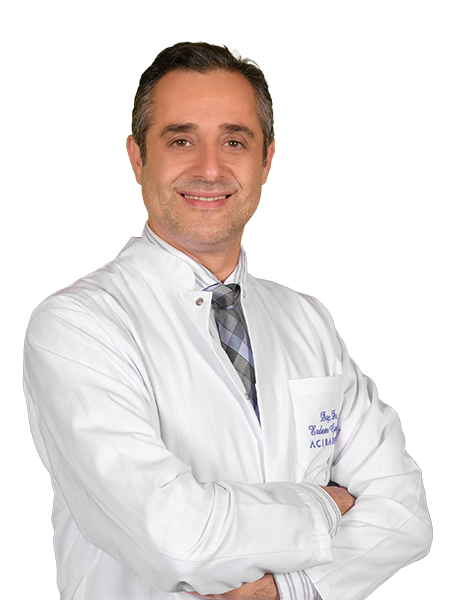
Assoc. Prof. Dr. Erdem Güven (m)
Aesthetic Plastic & Reconstructive Surgery
Prof. Dr. Hakan Ağır
Aesthetic Plastic & Reconstructive Surgery
Prof. Dr. Bülent Saçak
Aesthetic Plastic & Reconstructive Surgery