How to Get Pregnant: Fertility Basics, Timing, and When to Seek Help

Pregnancy is most likely when intercourse happens in the few days before ovulation and on the day of ovulation. Regular menstrual cycles, healthy lifestyle habits, and prenatal folic acid can support conception.
Key Takeaways
- Pregnancy is most likely when intercourse happens in the few days before ovulation and on the day of ovulation.
- Regular menstrual cycles, healthy lifestyle habits, and prenatal folic acid can support conception.
- Fertility depends on both partners, so evaluation may include both female and male factors.
- Many common conditions can affect fertility, but effective treatments are available.
- Medical advice is recommended sooner for women over 35 or anyone with irregular cycles, known reproductive conditions, or repeated pregnancy loss.
Learning how to get pregnant usually begins with understanding ovulation, timing intercourse during the fertile window, and supporting overall reproductive health. Most couples conceive naturally within months, but a medical evaluation can help if pregnancy is delayed or there are known fertility concerns.
Overview: How Pregnancy Happens
For people trying to conceive, it helps to start with the basics of how pregnancy happens. In a typical menstrual cycle, one ovary releases an egg during ovulation. If sperm are present in the reproductive tract around that time, one sperm may fertilize the egg. The fertilized egg then travels to the uterus and implants in the uterine lining, beginning a pregnancy.
Timing matters because the egg survives for only about 12 to 24 hours after ovulation, while sperm can live in the female reproductive tract for several days. This creates a fertile window of roughly 5 days before ovulation and the day of ovulation itself. Having intercourse during this window gives the best chance of pregnancy.
It is also important to know that conception does not always happen immediately, even when everything is healthy. Many couples need several months of regular, well-timed intercourse before pregnancy occurs. Age, menstrual cycle patterns, sperm quality, and general health can all influence how long it takes.
Understanding the Fertile Window and Timing Intercourse
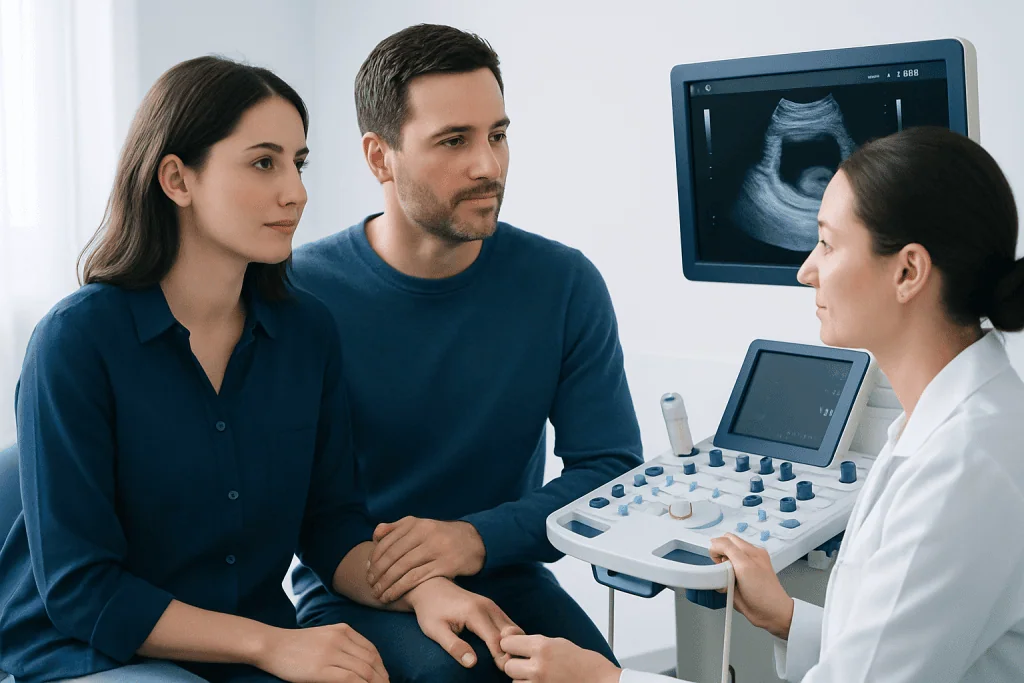
The fertile window is the most important concept for anyone learning how to get pregnant. Ovulation usually occurs about 14 days before the next menstrual period, not necessarily on day 14 of every cycle. In a 28-day cycle, ovulation may happen around day 14, but in shorter or longer cycles it may happen earlier or later.
For many couples, the simplest approach is to have intercourse every 1 to 2 days during the fertile window, especially in the 5 days before ovulation and on the day ovulation is expected. This helps ensure sperm are already present when the egg is released. Trying to save sperm for one exact day is usually not necessary for most couples.
Several signs can help identify ovulation:
- Changes in cervical mucus, which may become clear, slippery, and stretchy
- A rise in luteinizing hormone detected by home ovulation predictor kits
- A small increase in basal body temperature after ovulation has occurred
- Mild one-sided pelvic discomfort in some women
Ovulation predictor kits are often useful because they help narrow down the best days for intercourse. Cycle-tracking apps can also help, but they are estimates and may be less accurate in women with irregular periods. If cycles are unpredictable, a clinician can assess possible causes such as polycystic ovary syndrome or other hormonal conditions.
Lifestyle Steps That Can Support Fertility
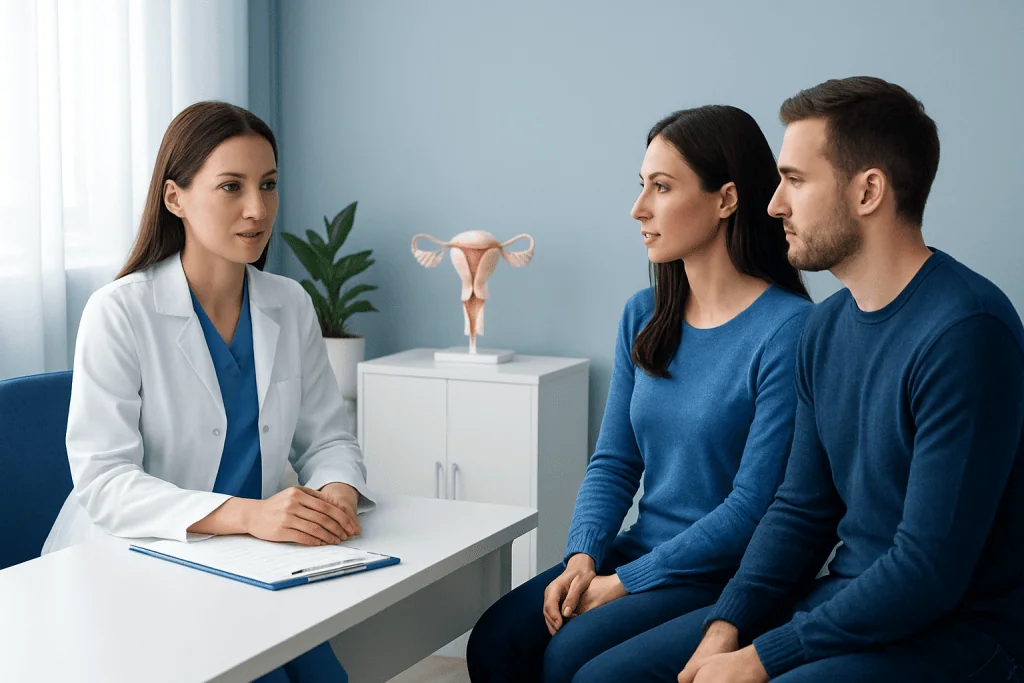
Healthy habits can improve the chances of conceiving and support a healthier pregnancy from the start. A balanced diet, regular physical activity, good sleep, and stress management all contribute to reproductive well-being. While stress alone is not usually the sole cause of infertility, reducing high stress can make the trying-to-conceive process feel more manageable.
Before pregnancy, women are usually advised to start a prenatal vitamin containing folic acid. Folic acid helps reduce the risk of certain birth defects early in pregnancy, often before a person knows they are pregnant. It is also wise to review current medications, supplements, alcohol use, smoking, and exposure to recreational drugs with a doctor.
Both underweight and overweight can affect hormone balance, ovulation, and fertility. Reaching a healthier weight, if needed, may improve the chance of natural conception. Men also benefit from healthy habits, since sperm quality can be influenced by smoking, excessive alcohol, some medications, heat exposure, and certain medical conditions.
Couples trying to conceive should also consider preconception care, including checking vaccination status and managing chronic health conditions such as thyroid disease, diabetes, or high blood pressure. Good control of existing health issues can support fertility and reduce pregnancy risks later on.
Common Reasons Pregnancy May Not Happen Right Away
If pregnancy is taking longer than expected, there may be an issue with ovulation, sperm, the fallopian tubes, the uterus, or a combination of factors. Irregular or absent periods can suggest problems with ovulation. Examples include hormone imbalances, thyroid disorders, elevated prolactin, or conditions such as premature ovarian insufficiency and amenorrhea.
Structural or pelvic conditions can also make conception more difficult. These may include scarring from infection, endometriosis, uterine abnormalities, or blocked fallopian tubes. A history of pelvic inflammatory disease may increase the risk of tubal damage. In some cases, uterine findings such as fibroids, polyps, or a septum may affect implantation or raise the risk of miscarriage.
Male factors are involved in a significant share of fertility problems, so it is important not to focus only on the female partner. Sperm count, movement, and shape can all affect the chance of fertilization. Hormonal issues, varicocele, infections, genetic conditions, and lifestyle exposures may contribute.
Age is another key factor. Female fertility gradually declines over time, with a more noticeable drop after age 35 because both egg number and egg quality decrease. Male fertility can also decline with age, although often more gradually. This does not mean pregnancy is impossible later in life, but it can take longer and may require specialist guidance.
When to Seek Medical Help for Fertility
Medical advice is appropriate if pregnancy has not occurred after 12 months of regular unprotected intercourse for women under 35. For women aged 35 and older, it is generally recommended to seek evaluation after 6 months. For women over 40, or for anyone with known fertility concerns, it is reasonable to speak with a doctor earlier.
Earlier evaluation is also important when there are irregular or absent periods, very painful periods, known endometriosis, previous pelvic infection, prior ectopic pregnancy, recurrent miscarriage, cancer treatment history, or known male factor concerns. Difficulty with sexual intercourse, low sperm test results, or prior surgery involving the reproductive organs are also reasons to seek help sooner.
Some people worry that seeing a specialist means they will immediately need advanced treatment. In reality, the first step is usually to identify the cause and discuss options, which may range from cycle tracking and lifestyle changes to medication or targeted procedures. A careful, step-by-step evaluation can often clarify the most appropriate path.
How Fertility Is Evaluated
A fertility evaluation usually begins with a detailed medical history and physical examination for both partners. Questions may cover menstrual patterns, prior pregnancies, pelvic pain, surgeries, sexually transmitted infections, medications, lifestyle habits, and family history. Understanding these details often helps guide which tests are most useful.
For women, common tests may include blood work to assess hormone levels and ovulation, pelvic ultrasound to look at the ovaries and uterus, and tests to check whether the fallopian tubes are open. Ultrasound may identify issues such as ovarian cysts or uterine abnormalities, while additional imaging can assess the shape of the uterus and whether scarring or blockage is present.
For men, a semen analysis is a key first test. It evaluates sperm concentration, movement, and appearance. Depending on the results, further hormonal tests, imaging, or referral to a urologist may be recommended.
When the cause is not immediately clear, specialists may continue the evaluation in stages rather than ordering every possible test at once. This can reduce unnecessary procedures and help focus treatment. For couples needing further assessment and support, dedicated services such as infertility evaluation and care or female infertility treatment may be discussed.
Treatment Options to Help Achieve Pregnancy
Treatment depends on the underlying cause, age, how long the couple has been trying, and personal preferences. In some cases, simple steps such as better timing of intercourse, treating a thyroid disorder, improving weight balance, or stopping tobacco use may be enough. If ovulation is irregular, medication may be used to help stimulate ovulation under medical supervision.
When sperm delivery is an issue or when mild male factor infertility is present, intrauterine insemination may be considered. This involves placing prepared sperm into the uterus around the time of ovulation. Some couples benefit from this approach before moving to more advanced options such as IVF treatment or insemination depending on the specific fertility problem.
In vitro fertilization may be recommended for blocked fallopian tubes, severe male factor infertility, advanced maternal age, certain genetic concerns, or when other treatments have not worked. During IVF, eggs are collected, fertilized in the laboratory, and one or more embryos may be transferred to the uterus. Additional techniques, such as ICSI, may be used when fertilization support is needed.
If uterine abnormalities, endometriosis, fibroids, or polyps are affecting fertility, surgical treatment may sometimes improve the chance of pregnancy. A fertility specialist can explain the benefits, limitations, and likely timeline for each option. Near the end of the care pathway, some international patients may choose centers such as Acibadem International, where multidisciplinary specialists in JCI-accredited hospitals diagnose and treat fertility conditions.
Self-Care, Emotional Well-Being, and What to Avoid
Trying to conceive can feel emotionally demanding, especially when each cycle brings uncertainty. It can help for couples to keep communication open, share expectations, and seek support when needed. Counseling or support groups may be useful if the process becomes stressful or isolating.
There are also practical self-care steps to consider while trying to get pregnant:
- Avoid smoking and secondhand smoke exposure
- Limit or avoid alcohol while trying to conceive
- Review prescription and nonprescription medicines with a doctor
- Use lubricants carefully, since some may affect sperm movement
- Keep up with routine health checks, including dental and chronic disease care
It is important to be cautious with online fertility advice and supplements that promise quick results. Not all products are proven to work, and some may interfere with medical conditions or treatments. A qualified healthcare professional can help determine which steps are evidence-based and appropriate.
If pregnancy occurs, early prenatal care should begin promptly. Anyone with pain, heavy bleeding, dizziness, or a history that raises concern for ectopic pregnancy should seek urgent medical attention rather than waiting for a routine appointment.
Frequently asked questions
What is the best time to have sex to get pregnant?
The best time is during the fertile window, especially the 5 days before ovulation and the day of ovulation. Having intercourse every 1 to 2 days during this time is a practical and effective approach for many couples.
How long does it usually take to get pregnant?
Many healthy couples conceive within several months, but it can take up to a year of regular unprotected intercourse. The timeline varies with age, cycle regularity, sperm quality, and overall reproductive health.
Can someone get pregnant with irregular periods?
Yes, pregnancy can still happen with irregular periods, but timing ovulation may be more difficult. Irregular cycles can also signal an ovulation problem, so medical advice may be helpful if conception is delayed.
Does age affect fertility?
Yes. Female fertility gradually declines with age, especially after 35, because egg number and quality decrease over time. Male fertility can also change with age, although the decline is usually more gradual.
When should a couple see a fertility specialist?
A couple should usually seek help after 12 months of trying if the woman is under 35, or after 6 months if she is 35 or older. Earlier evaluation is recommended for irregular periods, known reproductive conditions, repeated miscarriage, or male factor concerns.
Should both partners be tested for fertility problems?
Yes. Fertility depends on both partners, and male factors are a common part of delayed conception. Testing both partners early can save time and help guide the most appropriate treatment.
This article is for general information only and is not a substitute for professional medical advice. Please consult a qualified doctor about your individual situation.
IVF & fertility treatment in Turkey — success rates and costs
JCI-accredited · board-certified surgeons · reply within 24h
Add us as a Preferred Source to see more of our trusted health content across Google Search, AI Overviews and Discover.
Check your numbers in seconds
BMI, calories, due date, blood pressure and 30+ more clinical calculators — free, instant, doctor-reviewed ranges.

Related Treatments
Related Conditions
More from the Health Library

Uterine Polyps Before IVF: Hysteroscopy, Timing, and Pregnancy Chances

IVF With Donor Eggs: Candidates, Process, and Success Factors

Recurrent Pregnancy Loss: Possible Causes and Evaluation

IVF With Adenomyosis: Symptoms, Imaging, and Treatment Strategy

IVF Success Rates: What Affects Your Chances of Pregnancy

IVF Cycle Cancellation: Common Reasons and Next Steps
Gynecology & Obstetrics Specialists at Acibadem

Assoc. Prof. Dr. Cevat Rıfat Cündübey
Gynecology & Obstetrics
Dr. Cevdet Hekimoğlu
Gynecology & Obstetrics
Dr. Ceyda Perçinoğlu
Gynecology & Obstetrics
Dr. Cihan Deniz Keleş
Gynecology & Obstetrics