How to Prepare for Your First Neurology Appointment

A clear symptom timeline is one of the most helpful things to bring. Medication lists, prior scans, and lab results can prevent delays and repeated testing.
Key Takeaways
- A clear symptom timeline is one of the most helpful things to bring.
- Medication lists, prior scans, and lab results can prevent delays and repeated testing.
- The first visit often includes a detailed history and a neurological examination.
- Writing down questions in advance helps patients remember what matters most.
- Urgent neurological symptoms such as sudden weakness or trouble speaking need immediate emergency care, not a routine appointment.
Preparing for a first neurology appointment can help the visit feel more organized, productive, and less stressful. Bringing the right information and knowing what to expect allows the neurologist to better understand symptoms and plan the next steps.
Overview: Why Preparation Matters
A first neurology appointment is often scheduled because of symptoms involving the brain, spinal cord, nerves, or muscles. These may include headaches, dizziness, numbness, tingling, weakness, tremor, balance problems, memory changes, sleep-related concerns, or episodes such as fainting or seizures. Because many neurological symptoms can have several possible causes, good preparation helps the specialist build a clearer picture from the start.
Neurologists rely heavily on a careful medical history. In many cases, what the patient describes about when symptoms began, how they feel, what makes them better or worse, and whether they are changing over time is just as important as the physical examination. Bringing organized information can save time and help the appointment focus on the most relevant details.
Preparation can also reduce anxiety. Many people worry that they will forget important symptoms, leave out a medication, or not understand what happens during the visit. Knowing what to expect and what to bring can make the experience feel more manageable and collaborative.
What to Bring to Your First Neurology Appointment
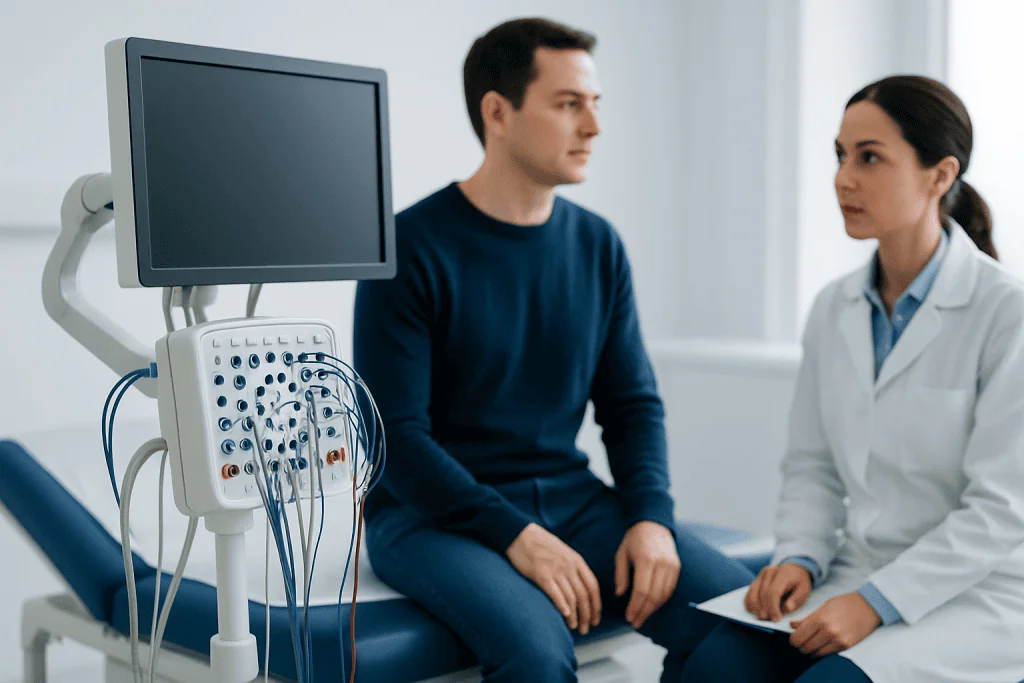
It is helpful to bring practical documents as well as medical information. Patients should take a form of identification, insurance information if relevant, and any referral letters or appointment paperwork. If the clinic has asked for imaging discs or printed reports, these should be brought to the visit even if results were already sent electronically.
A complete medication list is essential. This should include prescription drugs, over-the-counter medicines, vitamins, herbal products, and supplements. It is useful to note the medication name, strength if known, how often it is taken, and why it is used. Allergies and any past side effects from medicines should also be listed.
Prior test results can be especially important in neurology. These may include brain or spine MRI scans, CT scans, EEG reports, nerve conduction studies, EMG results, sleep studies, blood test results, discharge summaries, or consultation notes from other doctors. If symptoms relate to headaches, movement problems, memory concerns, or sleep issues, previous evaluations may help the neurologist decide whether additional testing is needed, including services such as advanced neuroradiology assessment or neurophysiology testing.
- Identification and insurance or referral documents
- A written medication and allergy list
- Copies of prior scans, reports, and lab results
- A symptom diary or timeline
- A list of questions and concerns
- The name of another doctor or pharmacy, if records may need to be requested
How to Organize Symptoms Before the Visit

One of the best ways to prepare for a first neurology appointment is to create a simple symptom timeline. This does not need to be complicated. Patients can write down when symptoms first began, whether they came on suddenly or gradually, how often they occur, how long they last, and whether they are improving, worsening, or staying the same.
It also helps to describe symptoms in concrete terms. For example, instead of only writing “dizziness,” it may be useful to note whether the feeling is spinning, lightheadedness, imbalance, or a sense of being pulled to one side. Instead of “headaches,” patients can note the location, intensity, triggers, sensitivity to light or sound, nausea, and how often pain medicine is needed. This can help the neurologist distinguish between different possibilities, including disorders such as tension-type headache, cluster headache, or conditions managed through headache medicine.
Triggers and associated symptoms are also valuable. Patients should note if symptoms happen with stress, poor sleep, missed meals, exercise, coughing, standing up, infections, menstrual cycles, or certain foods. It can be helpful to include whether symptoms come with weakness, numbness, visual changes, speech difficulty, falls, confusion, or hearing changes. For dizziness after a viral illness, for example, the neurologist may also consider inner-ear or nerve-related causes such as vestibular neuritis.
What Happens During the Appointment
The first neurology visit usually begins with a detailed conversation. The neurologist will ask about the current problem, past medical conditions, surgeries, medications, family history, and lifestyle factors. Family history can be especially relevant for some neurological conditions, such as tremor, migraine, muscle disease, epilepsy, or inherited disorders.
After the history, the neurologist typically performs a neurological examination. This may include checking mental status, speech, eye movements, facial strength, coordination, reflexes, sensation, balance, walking, and muscle strength. The examination is usually noninvasive and is designed to show which part of the nervous system may be involved.
Some patients are referred because of specific symptom patterns that suggest a subspecialty area. Depending on the concern, the neurologist may discuss follow-up in areas such as movement disorders, neurological sleep medicine, or cognitive and behavioral evaluation through neuropsychology. In many cases, the first visit ends with an initial impression, a plan for further testing if needed, and guidance on symptom management.
Questions Patients May Want to Ask
Many people leave appointments wishing they had asked more questions. Writing them down in advance can make the visit more useful. Questions do not need to be technical. Straightforward questions often lead to the clearest answers.
Helpful questions may include what conditions are being considered, whether symptoms suggest a problem in the brain, nerves, muscles, or spine, and whether more tests are needed. Patients may also ask what warning signs should prompt urgent care, whether treatment can begin before all tests are complete, and how long it may take to reach a diagnosis.
If medication is recommended, it can be useful to ask about expected benefits, possible side effects, interactions with current medicines, and when improvement might be noticed. If lifestyle measures are likely to help, patients can ask which changes matter most, such as better sleep, hydration, trigger avoidance, exercise, or stress management.
- What are the most likely causes of these symptoms?
- Do any symptoms suggest something urgent or dangerous?
- What tests, if any, are needed next?
- What should be monitored at home?
- When should follow-up happen?
- Should other specialists also be involved?
Practical Tips for the Day of the Visit
Arriving a little early can be helpful, especially if paperwork needs to be completed or records need to be reviewed. Wearing comfortable clothing may make the physical examination easier, since the neurologist may need to assess walking, limb movement, or reflexes. If symptoms affect balance, memory, communication, or concentration, bringing a family member or trusted friend can be very useful.
Patients should try to be honest and specific, even if symptoms feel difficult to explain. It is acceptable to say, “I am not sure how to describe this, but it feels like…” Small details can matter. If episodes are hard to remember, videos recorded safely at home, such as tremor, abnormal movements, or gait changes, may sometimes help the doctor understand what happens between visits.
For children, older adults, or patients with complex medical histories, an accompanying person may be especially important. In older patients, concerns such as memory decline, falls, gait changes, or multiple medications may benefit from a broader review, sometimes involving geriatric neurology. Near the end of the care journey, some international patients may also seek evaluation at Acibadem International, where multidisciplinary specialists in JCI-accredited hospitals diagnose and treat neurological conditions.
When Symptoms Need Urgent Care Instead of a Routine Appointment
Not every neurological symptom should wait for a scheduled clinic visit. Some signs require immediate emergency care because they may indicate a stroke, bleeding, severe infection, or another serious condition. If symptoms start suddenly and are severe, it is safer to seek urgent assessment rather than wait for an office appointment.
Emergency warning signs include sudden weakness or numbness on one side of the body, trouble speaking, sudden confusion, new facial drooping, sudden loss of vision, a seizure in someone without a known diagnosis, fainting with ongoing confusion, a severe “worst headache,” or sudden loss of balance with other neurological symptoms. These may be associated with emergencies such as stroke, transient ischemic attack, or other acute neurological problems.
Patients should also seek prompt medical attention for rapidly worsening weakness, new loss of bladder or bowel control with back symptoms, high fever with neck stiffness, severe head injury, or a major change in alertness. If there is any doubt about whether symptoms are urgent, contacting emergency services or going to the nearest emergency department is the safest choice.
After the Appointment: Following the Plan
After the visit, it helps to review the plan as soon as possible. Patients should make note of recommended tests, medication changes, follow-up timing, and any symptoms that should be tracked at home. Keeping all instructions in one place, such as a notebook or phone note, can make ongoing care easier.
Some neurological diagnoses are made quickly, while others take time and follow-up. Symptoms may overlap across several conditions, and a neurologist may need to monitor changes, review test results, or see how symptoms respond to treatment. This step-by-step approach is common and does not necessarily mean something serious is being missed.
Patients should contact the clinic if new symptoms develop, side effects occur, or there is uncertainty about the next steps. A well-prepared first neurology appointment often sets the foundation for better communication, more focused testing, and a clearer treatment plan over time.
Frequently asked questions
What should a patient bring to a first neurology appointment?
Patients should bring a medication list, allergy information, prior test results, imaging reports, and a summary of symptoms. It is also helpful to bring a written list of questions and any referral documents requested by the clinic.
How long does a first neurology appointment usually take?
The first visit is often longer than a follow-up visit because the neurologist needs a detailed history and examination. The exact length varies by clinic and symptom complexity, but patients should allow enough time for discussion, examination, and planning.
Will tests be done at the first visit?
Sometimes the neurologist can recommend initial treatment or next steps based on the history and examination alone. In other cases, tests such as blood work, MRI, EEG, or nerve studies may be ordered after the first appointment rather than performed on the same day.
Is it helpful to bring someone along?
Yes, especially if symptoms affect memory, communication, balance, or concentration. A family member or friend may help describe events, remember instructions, and provide support during the visit.
How should symptoms be described to a neurologist?
It helps to be specific about when symptoms started, how often they happen, how long they last, and whether they are getting better or worse. Patients should also mention triggers, associated symptoms, and how the problem affects daily life.
When should someone seek emergency care instead of waiting for a neurology appointment?
Emergency care is needed for sudden weakness, trouble speaking, facial drooping, severe sudden headache, seizures, major confusion, or sudden vision loss. These symptoms can signal serious neurological emergencies and should not wait for a routine clinic visit.
References
- American Academy of Neurology
- National Institute of Neurological Disorders and Stroke
- National Health Service
- Mayo Clinic
- MedlinePlus
This article is for general information only and is not a substitute for professional medical advice. Please consult a qualified doctor about your individual situation.
Joint and spine care in Turkey — expert assessment & treatment
JCI-accredited · board-certified surgeons · reply within 24h
Add us as a Preferred Source to see more of our trusted health content across Google Search, AI Overviews and Discover.

Neurology
Diagnosis and treatment of disorders of the brain, spinal cord, nerves and muscles.
51 specialists in this unit