Hypertension: Symptoms, Causes, and How It Is Diagnosed

Hypertension often has no noticeable symptoms, so regular blood pressure checks are important. Risk factors include age, family history, excess weight, high salt intake, inactivity, alcohol, smoking, stress, and certain medical conditions.
Key Takeaways
- Hypertension often has no noticeable symptoms, so regular blood pressure checks are important.
- Risk factors include age, family history, excess weight, high salt intake, inactivity, alcohol, smoking, stress, and certain medical conditions.
- Diagnosis usually requires repeated blood pressure measurements rather than a single reading.
- Treatment may include lifestyle changes, medication, or both, depending on blood pressure levels and overall cardiovascular risk.
- Good blood pressure control helps lower the risk of stroke, heart attack, kidney disease, and heart failure.
Hypertension, or high blood pressure, is a common condition in which the force of blood against artery walls stays too high over time. It often develops quietly, but early diagnosis and steady treatment can greatly reduce the risk of heart, brain, kidney, and blood vessel complications.
Overview of Hypertension
Hypertension is the medical term for persistently high blood pressure. Blood pressure is the force of blood pushing against the walls of the arteries as the heart pumps and relaxes. When this pressure remains above a healthy range over time, it can place extra strain on the heart and blood vessels.
Many people know hypertension as a “silent” condition because it often causes no clear symptoms, especially in the early stages. A person may feel completely well while blood pressure is gradually damaging the arteries, heart, brain, kidneys, and eyes. This is why regular screening is an important part of preventive care.
Blood pressure is recorded with two numbers. The first, called systolic pressure, reflects the pressure when the heart contracts. The second, called diastolic pressure, reflects the pressure when the heart relaxes between beats. A diagnosis of hypertension is usually based on multiple readings taken on different occasions, rather than one isolated measurement.
Over time, untreated high blood pressure can increase the risk of serious health problems such as coronary artery disease, stroke, kidney damage, and heart failure. The good news is that hypertension can often be managed very effectively with healthy lifestyle habits, regular follow-up, and medicines when needed.
Symptoms of Hypertension
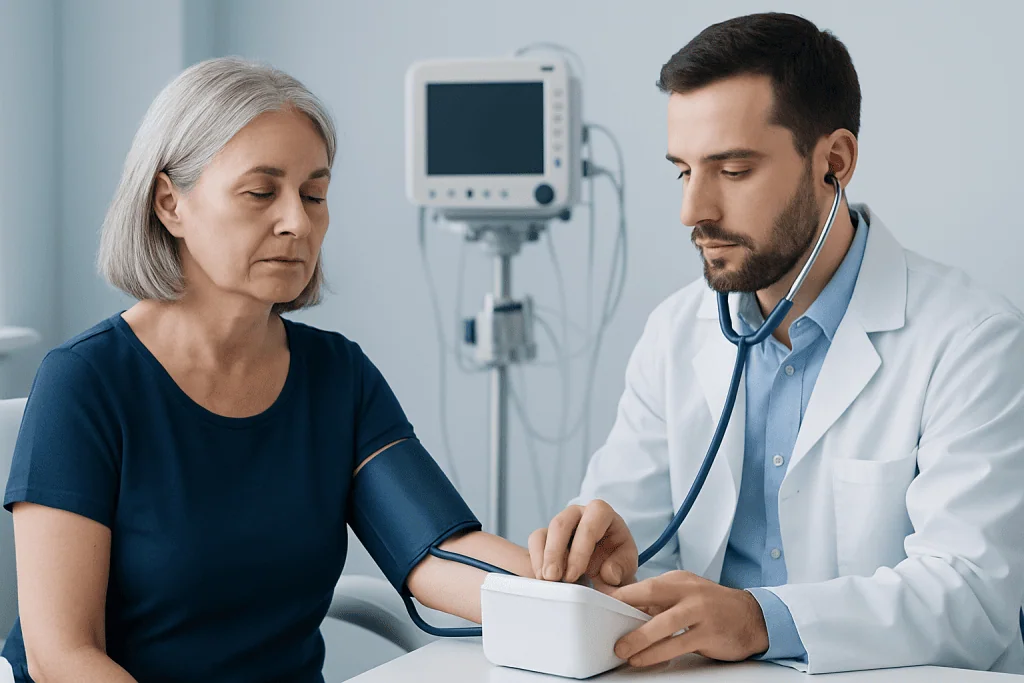
Most people with hypertension do not notice any symptoms. This is one of the reasons the condition can go undetected for years. Even without symptoms, high blood pressure can still be affecting the body and raising the risk of long-term complications.
When symptoms do occur, they are often not specific to hypertension alone. Some people may report headaches, dizziness, facial flushing, shortness of breath, or a feeling of pulsation in the chest or neck. Others may notice fatigue or episodes of heart palpitations. However, these symptoms can have many possible causes and do not confirm high blood pressure by themselves.
Very high blood pressure may sometimes lead to more serious warning signs, especially if it is causing acute strain on organs. These can include severe headache, chest pain, confusion, sudden vision changes, weakness, or trouble breathing. Such symptoms need prompt medical assessment because they may signal a hypertensive crisis or another urgent condition.
Because symptoms are unreliable, people should not wait until they feel unwell to have their blood pressure checked. Routine measurement at a clinic, pharmacy, or with a validated home monitor is often the simplest way to detect the condition early.
Causes and Risk Factors

In most adults, hypertension develops gradually and has no single identifiable cause. This is often called primary or essential hypertension. It is influenced by a combination of genetics, aging, lifestyle, and environmental factors that affect the blood vessels, kidneys, hormones, and nervous system.
Several factors can increase the likelihood of developing hypertension:
- Older age
- Family history of high blood pressure
- Excess body weight or obesity
- High salt intake and an unbalanced diet
- Physical inactivity
- Smoking and tobacco exposure
- Excess alcohol use
- Chronic stress and poor sleep
- Diabetes, kidney disease, or sleep apnea
Sometimes high blood pressure is caused by another health problem or by certain medicines. This is known as secondary hypertension. Possible causes include kidney disease, hormonal disorders, thyroid problems, adrenal gland conditions, obstructive sleep apnea, and some prescription or over-the-counter drugs. In these cases, treating the underlying cause may improve blood pressure control.
Pregnancy can also be associated with high blood pressure, and this requires careful monitoring. In children and younger adults, especially when blood pressure is very high or appears suddenly, doctors may be more likely to look for a secondary cause.
How Hypertension Is Diagnosed
Hypertension is diagnosed by measuring blood pressure accurately and confirming that it remains elevated over time. A single high reading is not always enough for diagnosis, because blood pressure can temporarily rise due to stress, pain, physical activity, caffeine, or the anxiety of being in a medical setting.
During a clinic visit, the patient is usually asked to sit quietly for a few minutes before the measurement. An appropriately sized cuff is placed on the upper arm, and the reading may be repeated. Doctors often recommend measurements on more than one visit, or the use of home blood pressure monitoring or 24-hour ambulatory blood pressure monitoring, to get a clearer picture.
Once high blood pressure is confirmed, the next step is to assess overall cardiovascular risk and look for possible causes or complications. This may include a physical examination and tests such as blood and urine analysis, kidney function tests, blood sugar and cholesterol levels, and an electrocardiogram. In some cases, imaging or other investigations may be recommended if there is concern about heart, kidney, or blood vessel disease.
Accurate diagnosis matters because treatment decisions are based not only on the blood pressure reading itself, but also on age, other medical conditions, and signs of organ involvement. In specialist settings, a structured evaluation for hypertension assessment and treatment may help guide the most appropriate long-term care plan.
Treatment Options
Treatment for hypertension aims to lower blood pressure safely and reduce the risk of complications. The right approach depends on how high the blood pressure is, whether there are other medical conditions, and the person’s overall risk of cardiovascular disease. For many people, treatment includes both lifestyle changes and medication.
Lifestyle measures are the foundation of care. These often include reducing salt intake, choosing a balanced diet rich in vegetables and fruits, maintaining a healthy weight, exercising regularly, limiting alcohol, stopping smoking, and improving sleep habits. These changes may lower blood pressure on their own in some people and can also make medicines work better.
If lifestyle changes are not enough, doctors may prescribe one or more blood pressure-lowering medicines. Different classes of medicines work in different ways, such as relaxing blood vessels, helping the body remove excess salt and fluid, or reducing the workload on the heart. Treatment usually needs periodic review so the doctor can check blood pressure control, side effects, and whether adjustments are needed.
When hypertension has already contributed to cardiovascular complications, additional care may be necessary. Depending on the person’s condition, this may include services such as cardiac rehabilitation after a heart event or procedures like coronary angiography if symptoms suggest reduced blood flow to the heart. The goal is always to manage blood pressure while addressing the wider health picture.
Prevention and Self-Care
Healthy habits can help prevent hypertension and support better control after diagnosis. Even modest improvements in daily routine can make a meaningful difference over time. Prevention is especially important for people with a family history of high blood pressure or other cardiovascular risk factors.
Helpful self-care strategies include:
- Checking blood pressure regularly, especially if risk factors are present
- Eating a diet with less salt and fewer highly processed foods
- Staying physically active most days of the week
- Keeping weight in a healthy range
- Avoiding smoking and limiting alcohol intake
- Managing stress through relaxation, sleep, and social support
- Taking prescribed medicines exactly as directed
Home blood pressure monitoring can be a useful part of self-care. It may help a person understand trends, stay engaged with treatment, and provide doctors with more complete information. It is important to use a validated device and follow proper technique.
People should not stop blood pressure medication just because they feel well. Hypertension often remains symptom-free even when readings are high. Continued follow-up with a healthcare professional helps ensure that treatment remains effective and safe over time.
When to See a Doctor
Anyone with repeated elevated blood pressure readings should arrange a medical review, even if they feel well. This is particularly important for people with diabetes, kidney disease, high cholesterol, obesity, a family history of heart disease, or a history of pregnancy-related high blood pressure.
A doctor should also be consulted if blood pressure remains high despite lifestyle changes, if medication causes side effects, or if there are signs that another medical condition may be contributing. New symptoms such as chest discomfort, shortness of breath, fainting, severe headaches, or swelling should also be evaluated.
Emergency care is needed for warning signs such as severe chest pain, sudden weakness, trouble speaking, confusion, severe shortness of breath, or major vision changes. These symptoms may indicate a hypertensive emergency, stroke, heart problem, or another urgent condition.
For people seeking coordinated care, Acibadem International’s multidisciplinary specialists in JCI-accredited hospitals evaluate and treat hypertension for international patients, including related cardiovascular conditions and, when needed, advanced options such as endovascular surgery. A qualified doctor can help tailor diagnosis, treatment, and follow-up to the individual’s needs.
Frequently asked questions
What is hypertension?
Hypertension is the medical term for high blood pressure that stays elevated over time. It means the heart and blood vessels are under more strain than they should be, which can increase the risk of heart, brain, kidney, and vessel disease.
Does hypertension always cause symptoms?
No. Hypertension often causes no symptoms at all, especially in its early or moderate stages. That is why regular blood pressure checks are important, even for people who feel completely well.
How is hypertension diagnosed?
It is usually diagnosed through repeated blood pressure measurements taken on different occasions. A doctor may also recommend home monitoring or 24-hour ambulatory monitoring to confirm the diagnosis and reduce the effect of temporary stress-related readings.
Can hypertension be treated without medication?
Some people with mild hypertension may improve their blood pressure with lifestyle changes such as reducing salt, losing excess weight, exercising regularly, and limiting alcohol. However, many people also need medication, especially if blood pressure is significantly elevated or there are other risk factors.
What foods should a person with hypertension avoid?
It is usually helpful to limit foods high in salt, such as many processed meals, packaged snacks, cured meats, and some fast foods. A doctor or dietitian may also advise reducing excess sugar, unhealthy fats, and alcohol as part of a heart-healthy eating plan.
Is hypertension a lifelong condition?
For many people, hypertension is a long-term condition that needs ongoing monitoring. Blood pressure may improve with treatment and healthy habits, but continued follow-up is important because it can rise again without obvious symptoms.
References
- World Health Organization
- American Heart Association
- European Society of Cardiology
- Centers for Disease Control and Prevention
- National Heart, Lung, and Blood Institute
This article is for general information only and is not a substitute for professional medical advice. Please consult a qualified doctor about your individual situation.
Hypertension in Turkey — costs, top hospitals & a free quote
JCI-accredited · board-certified surgeons · reply within 24h
Add us as a Preferred Source to see more of our trusted health content across Google Search, AI Overviews and Discover.
Check your numbers in seconds
BMI, calories, due date, blood pressure and 30+ more clinical calculators — free, instant, doctor-reviewed ranges.

Cardiology Department
Diagnosis and treatment of heart and vascular conditions, from prevention to advanced interventional procedures.
91 specialists in this unit