Is Autism a Neurological Disorder? What the Evidence Shows
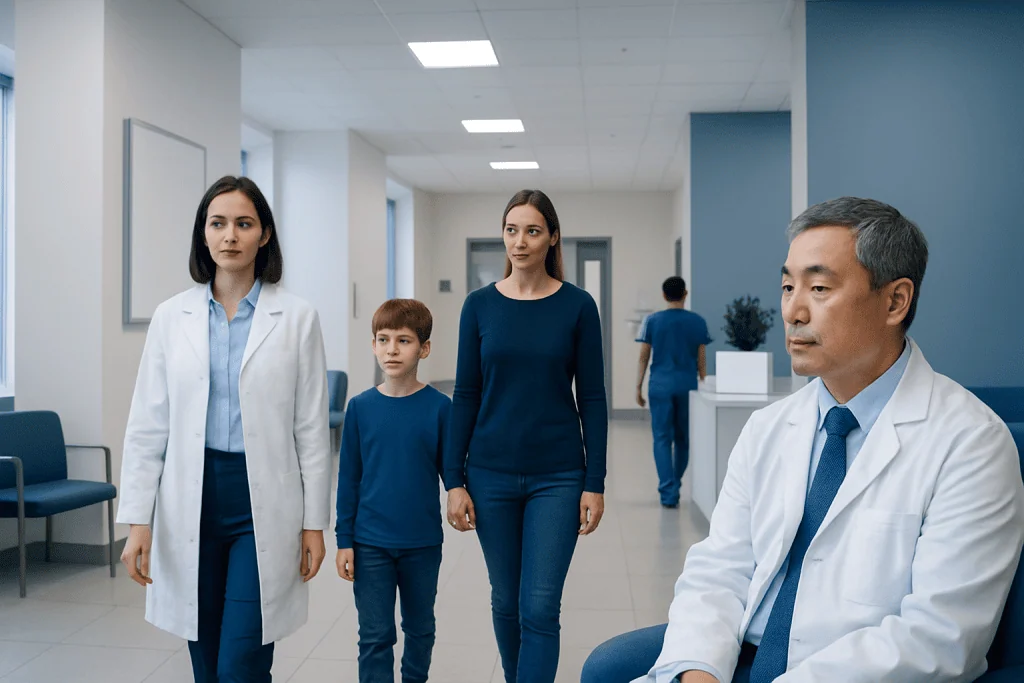
Autism is generally classified as a neurodevelopmental disorder rather than a degenerative neurological disease. It reflects differences in brain development, connectivity, and information processing.
Key Takeaways
- Autism is generally classified as a neurodevelopmental disorder rather than a degenerative neurological disease.
- It reflects differences in brain development, connectivity, and information processing.
- Diagnosis is based on behavior, development, and clinical assessment, not a single blood test or brain scan.
- Early support can improve communication, learning, daily living skills, and quality of life.
- Autism can occur alongside other medical, developmental, or mental health conditions.
Autism spectrum disorder is best understood as a neurodevelopmental condition, meaning it relates to how the brain develops and processes information. Evidence shows autism affects communication, social interaction, behavior, and sensory experience, while each person’s strengths and support needs can differ widely.
Overview: Is autism a neurological disorder?
When people ask, “is autism a neurological disorder?”, the most accurate answer is that autism spectrum disorder (ASD) is a neurodevelopmental disorder. This means it is related to how the brain and nervous system develop, especially in early life. Autism is not simply a behavioral issue, a parenting problem, or a mental illness, although mental health conditions can occur alongside it.
Autism affects the way a person communicates, interacts socially, processes sensory input, and develops patterns of behavior or interests. These differences begin early in development, even if they become more noticeable later. Autism is called a “spectrum” because people can have a wide range of characteristics, support needs, talents, and challenges.
In medical classification systems, autism is grouped with neurodevelopmental conditions because research points to differences in brain function and development. At the same time, autism is not a progressive brain disease in the way some neurological disorders are. For example, it is different from conditions such as Huntington disease or some neurodegenerative diseases, which involve ongoing loss of nerve cells over time.
What the evidence shows about the brain and autism
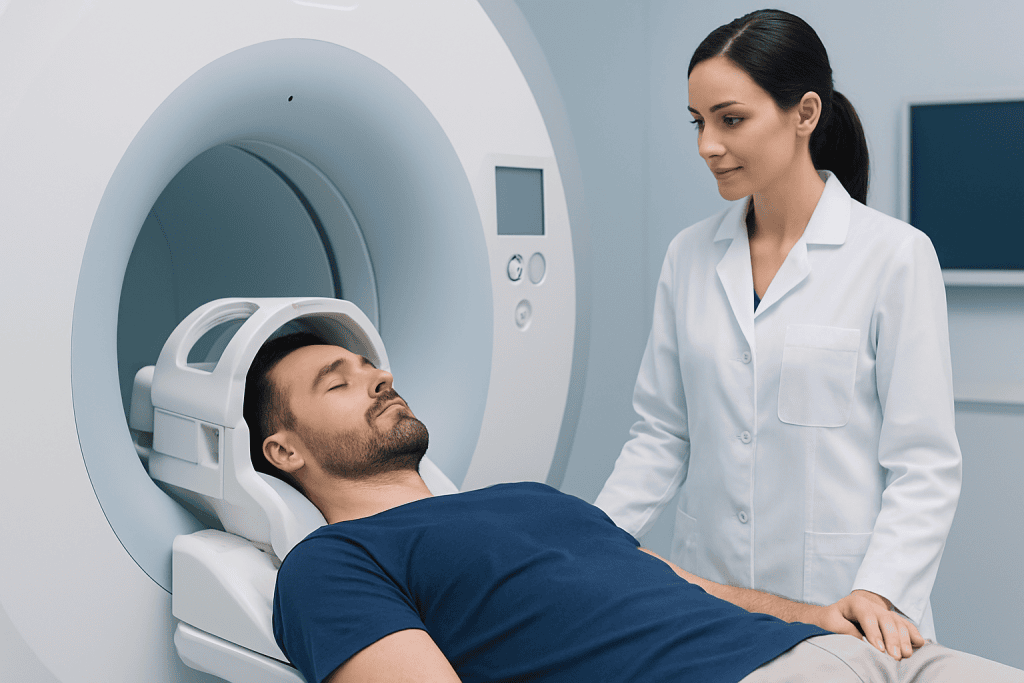
Research over many years has shown that autism involves measurable differences in brain development and nervous system function. Studies using genetics, developmental assessments, and brain imaging suggest that autistic people may process social cues, language, attention, and sensory information differently. These findings support the view that autism has a neurological basis.
Brain imaging studies have explored differences in structure, connectivity, and activity patterns in autistic individuals. These studies do not show one single “autism pattern” in every person, but they do suggest that certain brain networks may develop or communicate differently. In some cases, specialists may use neuroradiology or other imaging tools to rule out other neurological conditions, but imaging does not diagnose autism by itself.
Genetic evidence also plays an important role. Autism tends to run in families, and researchers have identified many genes associated with increased likelihood of autism. Usually, there is not one single cause. Instead, autism is thought to arise from a complex interaction of genetic and environmental influences during early brain development.
Importantly, “neurological” does not mean that autism is an illness that must be cured. Many experts and autistic advocates emphasize that autism includes both challenges and natural variations in how a person experiences the world. Good care focuses on understanding the individual, supporting development, and addressing difficulties that affect daily life.
Common signs and characteristics of autism
Autism can look different from one person to another, but core features usually involve social communication differences and restricted or repetitive patterns of behavior, interests, or activities. Some children show signs in infancy or toddlerhood, while others become more clearly different as social and language demands increase.
Common characteristics may include:
- Differences in eye contact, facial expressions, or back-and-forth conversation
- Delayed speech or language development, or unusual language patterns
- Strong preference for routines and distress with unexpected change
- Highly focused interests or repetitive movements
- Sensory sensitivities to sound, light, textures, smell, or touch
- Differences in play, peer relationships, or understanding social rules
Some autistic people have intellectual disability, while others have average or high intelligence. Some speak fluently, while others use few words or communicate in non-speaking ways. Many also have strengths such as deep focus, strong memory, honesty, creativity, or expertise in specific subjects.
Autism can also occur with other conditions, including attention-deficit/hyperactivity disorder, anxiety, sleep problems, epilepsy, learning disorders, or developmental coordination challenges. These coexisting conditions often shape a person’s support needs and may require separate evaluation.
Causes and risk factors
There is no single known cause of autism. Current evidence supports a multifactorial explanation, meaning several influences may contribute together. Genetics appear to be one of the strongest factors. A family history of autism or related developmental differences can increase the likelihood, and certain genetic syndromes are also linked with autism.
Environmental influences affecting early development may also play a role, especially before birth. Researchers continue to study factors such as advanced parental age, certain prenatal exposures, prematurity, and complications that affect early brain development. However, these factors do not explain every case, and in many families no clear cause is found.
It is important to correct a common myth: vaccines do not cause autism. Large, well-conducted studies have found no evidence that routine childhood vaccines increase autism risk. Keeping children up to date with recommended immunizations remains an important part of overall health.
Autism is also different from neurological damage caused by events such as infection, tumor, or injury. Doctors may consider other conditions when symptoms are unusual or when developmental loss appears suddenly, but autism itself is not caused by poor parenting or lack of social exposure.
How autism is diagnosed
Autism is diagnosed through a detailed developmental and clinical assessment. There is no single lab test, blood test, or brain scan that confirms it. Diagnosis is based on observed behavior, developmental history, communication patterns, and how the person functions in daily life across settings such as home, school, or work.
Assessment may involve a pediatrician, child neurologist, psychiatrist, psychologist, speech and language therapist, or other developmental specialists. Standardized screening tools and structured interviews may be used, but they are only part of the overall evaluation. A full assessment also looks for other explanations or coexisting conditions that may affect development.
In some cases, additional testing is helpful. Hearing tests may be used when language delay is present. Cognitive, language, and educational assessments can help identify strengths and support needs. Selected children may benefit from genetic evaluation or neuropsychology assessment, especially when the developmental picture is complex.
Autism diagnosis can happen in early childhood, adolescence, or adulthood. Some people, especially girls, women, and people with milder or less typical presentations, may be diagnosed later because their traits were overlooked or masked. A timely diagnosis can help families and individuals access support, understand differences, and plan care more effectively.
Treatment and support options
There is no single treatment that fits every autistic person. Support is individualized and focuses on communication, learning, emotional well-being, independence, and participation in daily life. Early intervention is often helpful because it can build skills during key developmental years, but support can also be valuable at any age.
Common support options may include speech and language therapy, occupational therapy, behavioral and educational support, social communication interventions, and parent coaching. School-based accommodations can help with learning, routines, attention, and sensory needs. For some individuals, psychology or neuropsychiatry support may be useful when anxiety, mood symptoms, or behavioral challenges are present.
Medicines do not treat autism itself, but they may help manage specific symptoms or coexisting conditions such as sleep problems, severe irritability, anxiety, or attention difficulties. Care should be guided by a qualified clinician who considers benefits, side effects, and the person’s broader developmental profile.
If there are neurological concerns such as seizures, developmental regression, or unusual movement symptoms, further specialist evaluation may be needed to rule out other conditions. Autism can exist alongside separate neurological disorders, and careful assessment helps ensure the right support plan is in place.
Daily support, self-care, and long-term outlook
Autistic people often benefit from predictable routines, clear communication, and environments that respect sensory needs. Small changes can make a meaningful difference, such as using visual schedules, allowing extra processing time, reducing overwhelming noise, and preparing in advance for transitions. Families and schools can work together to create practical supports that fit the individual.
Strength-based care is especially important. Rather than focusing only on difficulties, support plans can build on a person’s interests, abilities, and preferred ways of learning. Encouraging autonomy, communication, and self-advocacy can help children and adults participate more comfortably in education, relationships, and everyday life.
Long-term outcomes vary. Some autistic people need substantial lifelong support, while others live independently and thrive in work or study with the right accommodations. The goal is not to make someone seem “less autistic,” but to reduce barriers, improve functioning, and support health and well-being across the lifespan.
For families seeking coordinated evaluation and care, Acibadem International offers multidisciplinary assessment and treatment for international patients through JCI-accredited hospitals, including specialist services such as neuropediatrics when developmental and neurological concerns overlap.
When to seek medical advice
A parent or caregiver should speak with a doctor if a child has delayed speech, limited response to name, reduced eye contact, loss of previously acquired skills, repetitive behaviors, or unusual reactions to sensory input. Adults may also seek assessment if lifelong social communication differences, sensory sensitivities, or rigid routines are affecting daily life, work, or relationships.
Urgent medical evaluation is important if autism-like symptoms appear together with seizures, sudden developmental regression, weakness, persistent headaches, or signs of another neurological illness. Doctors may then consider other conditions that can affect the brain and nervous system, such as childhood brain tumor or other developmental or neurological disorders, depending on the person’s symptoms.
It is also wise to seek help if emotional distress, sleep problems, feeding issues, school difficulties, or challenging behaviors are interfering with quality of life. Early guidance can reduce family stress and help identify therapies, accommodations, and community resources that are most likely to help.
A careful assessment can bring clarity and reassurance. Even when autism is diagnosed later than expected, understanding the reason behind lifelong differences often helps individuals and families make more informed and supportive choices.
Frequently asked questions
Is autism considered a neurological disorder or a mental disorder?
Autism is most commonly classified as a neurodevelopmental disorder. That means it is related to brain development and nervous system function rather than being primarily a mental illness. Mental health conditions such as anxiety or depression can occur alongside autism, but they are separate diagnoses.
Does autism show up on a brain scan?
A brain scan cannot diagnose autism on its own. Research studies may show patterns of brain differences in groups of autistic people, but there is no single scan result that confirms autism in an individual. Diagnosis is based on developmental history and clinical assessment.
Can autism develop later in life?
Autism begins in early development, even if it is not recognized until adolescence or adulthood. Some people are diagnosed later because their signs were subtle, misunderstood, or masked. A late diagnosis does not mean autism started late; it means it was identified later.
Is autism caused by vaccines?
No. Large scientific studies have found no evidence that vaccines cause autism. Vaccination remains an important way to protect children and communities from serious infectious diseases.
Can autism be cured?
Autism is not something that needs a single cure, and there is no treatment that removes it completely. Support focuses on communication, learning, sensory needs, independence, and emotional well-being. Many autistic people benefit greatly from individualized therapies and accommodations.
Do all autistic people have intellectual disability?
No. Intellectual ability in autistic people varies widely. Some have intellectual disability, some have average intelligence, and some have above-average abilities in certain areas.
When should a child be evaluated for autism?
A child should be evaluated if there are concerns about speech delay, reduced social interaction, repetitive behaviors, or unusual sensory responses. A doctor should also assess any loss of previously acquired language or social skills. Early evaluation helps families access appropriate support sooner.
References
- World Health Organization
- Centers for Disease Control and Prevention
- National Institute of Mental Health
- American Academy of Pediatrics
- National Institute of Neurological Disorders and Stroke
This article is for general information only and is not a substitute for professional medical advice. Please consult a qualified doctor about your individual situation.
Explore treatments in Turkey — costs, top hospitals & a free quote
JCI-accredited · board-certified surgeons · reply within 24h
Add us as a Preferred Source to see more of our trusted health content across Google Search, AI Overviews and Discover.

Neurology
Diagnosis and treatment of disorders of the brain, spinal cord, nerves and muscles.
51 specialists in this unit