IVF After Miscarriage: When to Try Again and What Tests May Help

Many people can try IVF again after miscarriage once bleeding has settled, pregnancy tissue has cleared, and a doctor confirms recovery. The right time to resume treatment depends on the type of miscarriage, whether surgery or medication was needed, and emotional readiness.
Key Takeaways
- Many people can try IVF again after miscarriage once bleeding has settled, pregnancy tissue has cleared, and a doctor confirms recovery.
- The right time to resume treatment depends on the type of miscarriage, whether surgery or medication was needed, and emotional readiness.
- Testing may be recommended after repeated losses, fertility risk factors, or if the miscarriage happened after assisted reproduction.
- Common evaluations may include uterine imaging, hormone tests, genetic testing in selected cases, and screening for specific clotting or autoimmune conditions.
- A tailored IVF plan may include embryo testing in some cases, treatment of uterine problems, or changes to stimulation and transfer timing.
IVF after miscarriage is often possible, but the best timing depends on how the pregnancy ended, how recovery is going, and whether there have been repeated losses. A careful review can help identify any treatable factors and support a safer, more personalized plan for the next attempt.
Overview: Can IVF Be Tried Again After Miscarriage?
For many patients, IVF after miscarriage is possible. In most cases, doctors first make sure the body has recovered, bleeding has stopped, and pregnancy hormone levels have returned to baseline. Once recovery is confirmed, the fertility team can discuss when it is reasonable to begin another cycle or embryo transfer.
There is no single timeline that suits everyone. The best time to try again depends on several factors, including whether the miscarriage happened early or later in pregnancy, whether treatment such as medication or a surgical procedure was needed, age, ovarian reserve, and the couple’s overall fertility history. Emotional recovery also matters and should be part of the decision.
A miscarriage after natural conception or after assisted reproduction does not always mean there is a persistent medical problem. Many losses happen because an embryo has a chromosomal issue that could not have been prevented. However, if there have been repeated miscarriages or previous failed IVF cycles, a more detailed evaluation may help guide next steps. In these situations, a specialist may assess for recurrent pregnancy loss and review the options within IVF treatment.
When to Try Again: Timing After a Miscarriage
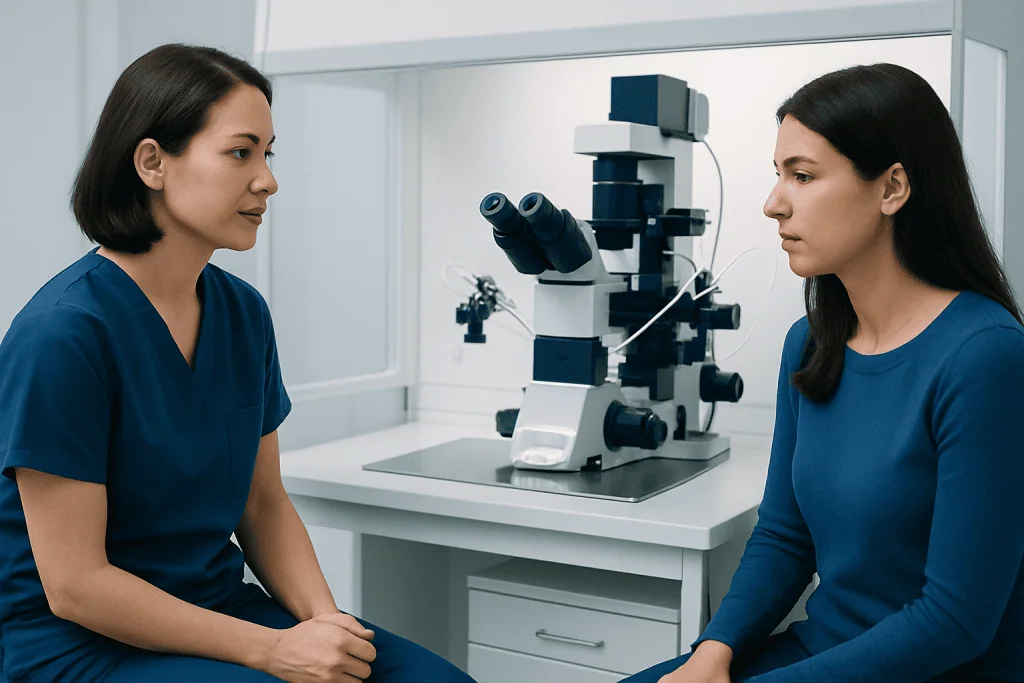
Doctors usually advise waiting until the miscarriage is medically complete and recovery is clearly underway. This often means that vaginal bleeding has become light or stopped, ultrasound shows that the uterus is empty when relevant, and human chorionic gonadotropin (hCG) levels are falling appropriately. Menstrual cycles may return within a few weeks, although this varies.
After an early miscarriage managed naturally, some patients may be physically ready to try again relatively soon. If medication was used or a procedure such as dilation and curettage was needed, the doctor may recommend waiting until the uterine lining has healed and at least one menstrual period has occurred. If the loss was later in pregnancy or there were complications such as infection or heavy bleeding, a longer recovery period may be needed.
When IVF is involved, timing also depends on the treatment plan. Some patients may proceed with a future frozen embryo transfer once hormone levels normalize and the uterine environment looks healthy. Others may benefit from additional testing before another embryo transfer or ovarian stimulation cycle. The goal is not simply to move quickly, but to move at the right time for the body and the treatment strategy.
Emotional readiness is just as important as physical readiness. Grief, anxiety, and fear of another loss are common. Taking time for counseling, support groups, or a pause in treatment can help some patients feel more prepared for the next step.
What Factors Influence the Next IVF Plan?

A fertility specialist will review why IVF was needed in the first place and whether anything in that background could also affect miscarriage risk. Maternal age is one of the most important factors because embryo chromosomal abnormalities become more common with age. Ovarian reserve, sperm quality, prior embryo development, and the number of previous transfer attempts can also shape the plan.
The doctor will also look at uterine and hormonal factors. Problems affecting the shape or lining of the uterus may interfere with implantation or increase the risk of loss. Examples can include fibroids that distort the uterine cavity, scar tissue, or a congenital difference such as uterine septum. Endometrial abnormalities, including endometrial polyps, may also need to be assessed in selected cases.
Underlying medical conditions can matter as well. Thyroid disease, poorly controlled diabetes, some autoimmune conditions, obesity, smoking, severe male factor infertility, and certain ovulation disorders may influence outcomes. If the patient has a history suggestive of female infertility or broader infertility factors, the care team may adjust medication protocols, embryo transfer timing, or the overall treatment pathway.
What Tests May Help After Miscarriage?
Not everyone needs an extensive work-up after a single early miscarriage, especially if it was the first loss and no other risk factors are present. However, testing may be considered when there have been repeated miscarriages, failed embryo transfers, a later pregnancy loss, known uterine problems, or medical conditions that could affect pregnancy. The aim is to identify treatable causes, not to promise a clear answer in every case.
A common part of the evaluation is checking the uterus. This may involve transvaginal ultrasound, saline infusion sonography, hysteroscopy, or other imaging to look for polyps, fibroids, scar tissue, or structural differences. Blood tests may assess thyroid function, blood sugar control, and in selected patients, prolactin or other reproductive hormones. Doctors may also review ovarian reserve tests and semen analysis if a fresh IVF cycle is being planned.
Genetic testing may be useful in some situations. Testing tissue from the miscarriage, if available, can sometimes show whether a chromosomal abnormality caused the loss. If there have been repeated losses, the couple may be offered parental karyotyping to check for a balanced chromosomal rearrangement. In a future IVF cycle, some patients may discuss whether ICSI or embryo genetic testing is appropriate, although these options are not necessary for everyone.
Selected patients may also need screening for antiphospholipid syndrome or other specific conditions linked to miscarriage. Broad, non-targeted immune testing is usually not recommended without a clear medical reason. The most helpful approach is individualized evaluation based on the patient’s history, examination, and prior treatment results.
Treatment Options Before the Next IVF Attempt
Treatment depends on what the evaluation shows. If the miscarriage appears to have been a one-time chromosomal event and no other concerns are found, the next step may simply be to resume treatment with careful timing. In this situation, the doctor may keep the IVF protocol similar or make modest changes based on how the ovaries responded and how embryos developed previously.
If a uterine issue is found, treatment may be recommended before another embryo transfer. This could include removing polyps, treating adhesions, or correcting a cavity abnormality. If thyroid disease, diabetes, or another medical condition is present, stabilizing that condition first can support a healthier pregnancy environment.
In some cases, the fertility team may suggest changes to the assisted reproduction plan. This might include adjusting stimulation medications, freezing embryos and transferring later rather than in the same cycle, or considering whether different laboratory techniques are appropriate. Patients with ovulation disorders such as polycystic ovary syndrome may need a carefully tailored protocol to improve both safety and pregnancy chances.
If emotional distress is significant, supportive care is also part of treatment. Counseling, mental health support, and realistic discussion of expectations can help patients approach a new cycle with more confidence. Near the end of the care pathway, centers such as Acibadem International offer multidisciplinary evaluation and treatment for international patients in JCI-accredited hospitals.
Prevention and Self-care Before Trying Again
While not every miscarriage can be prevented, some steps can support general reproductive health before another IVF attempt. Patients are usually advised to stop smoking, limit alcohol, maintain a healthy weight if possible, and review all medications and supplements with their doctor. Taking folic acid before conception is commonly recommended.
Good control of chronic conditions is also important. Thyroid disorders, diabetes, high blood pressure, and other long-term illnesses should be managed before treatment restarts. Sleep, nutrition, and regular physical activity may help overall well-being and make fertility treatment easier to tolerate, even though they cannot guarantee success.
After a miscarriage, it is also wise to avoid rushing into repeated cycles without understanding whether any medical review is needed. Following up on test results, asking about the reason for the recommended timing, and discussing the balance between age-related fertility concerns and adequate recovery can help patients make informed decisions.
- Track bleeding, pain, and return of the menstrual cycle.
- Report fever, persistent heavy bleeding, or severe pain promptly.
- Attend follow-up appointments to confirm recovery.
- Ask whether additional uterine, hormonal, or genetic testing is appropriate.
- Seek emotional support if grief or anxiety feels overwhelming.
When to See a Doctor
Anyone recovering from a miscarriage should contact a doctor urgently if there is very heavy bleeding, fainting, severe abdominal pain, fever, chills, or a foul-smelling discharge. These symptoms may suggest retained pregnancy tissue, infection, or another complication that needs prompt care.
Patients planning IVF should also arrange a follow-up visit even if recovery seems straightforward. A fertility specialist can review how the miscarriage was managed, check whether hCG has returned to normal when needed, and decide if more testing is appropriate before another embryo transfer or stimulation cycle.
Medical advice is especially important after two or more miscarriages, after a later pregnancy loss, after an ectopic pregnancy, or when there is known uterine disease, endocrine illness, or significant male factor infertility. A history of ectopic pregnancy may change how early a future pregnancy is monitored.
Early consultation can help patients understand their options and reduce uncertainty. The most appropriate plan is based on medical history, examination, prior fertility treatment details, and the patient’s own goals and readiness.
Frequently asked questions
How soon can someone try IVF after a miscarriage?
The timing varies from person to person. Many patients can consider IVF again after bleeding has resolved, pregnancy tissue has cleared, and a doctor confirms that hormone levels and the uterus are recovering appropriately. If surgery, infection, or a later pregnancy loss occurred, a longer wait may be recommended.
Is one miscarriage after IVF a sign that IVF will not work?
No. A single miscarriage does not mean future IVF cannot succeed. Many miscarriages are related to embryo chromosomal problems and may happen even when treatment was otherwise appropriate.
Are tests always needed after a miscarriage before another IVF cycle?
Not always. After one early miscarriage, extensive testing may not be necessary if there are no other risk factors. More detailed evaluation is more often considered after repeated losses, failed transfers, later pregnancy loss, or when there is a known fertility or uterine issue.
What tests may be recommended after repeated miscarriage with IVF?
A doctor may consider uterine imaging, thyroid and blood sugar testing, selected autoimmune or clotting tests, and genetic testing in certain situations. The exact work-up depends on the patient’s history, age, prior embryo development, and how the miscarriage occurred.
Can genetic testing of embryos help after miscarriage?
For some patients, it may be part of the discussion, especially when age-related chromosomal risk is a concern or there have been repeated losses. However, it is not right for everyone, and it does not eliminate all causes of miscarriage.
Should emotional recovery affect the timing of trying again?
Yes. Emotional readiness is an important part of deciding when to resume treatment. Counseling or support groups can be helpful if grief, anxiety, or fear of another loss feels difficult to manage.
References
- American Society for Reproductive Medicine
- American College of Obstetricians and Gynecologists
- European Society of Human Reproduction and Embryology
- Royal College of Obstetricians and Gynaecologists
- National Institute for Health and Care Excellence
This article is for general information only and is not a substitute for professional medical advice. Please consult a qualified doctor about your individual situation.
IVF & fertility treatment in Turkey — success rates and costs
JCI-accredited · board-certified surgeons · reply within 24h
Add us as a Preferred Source to see more of our trusted health content across Google Search, AI Overviews and Discover.
Check your numbers in seconds
BMI, calories, due date, blood pressure and 30+ more clinical calculators — free, instant, doctor-reviewed ranges.

Related Treatments
Related Conditions
More from the Health Library



Related Specialists

Prof. Dr. Mehmet Cihat Ünlü
Gynecology & Obstetrics
Prof. Dr. Mete Güngör
Gynecology & Obstetrics
Prof. Dr. Bülent Tıraş
Gynecology & Obstetrics
Prof. Dr. Tansu Küçük
Gynecology & Obstetrics