IVF With Adenomyosis: How It Can Affect Fertility Treatment

Adenomyosis is a condition in which tissue similar to the uterine lining grows into the muscular wall of the uterus. It may reduce fertility by affecting implantation, increasing inflammation, and changing the uterine environment.
Key Takeaways
- Adenomyosis is a condition in which tissue similar to the uterine lining grows into the muscular wall of the uterus.
- It may reduce fertility by affecting implantation, increasing inflammation, and changing the uterine environment.
- IVF can still be effective, especially when treatment is individualized before embryo transfer.
- Diagnosis usually combines symptoms, pelvic examination, ultrasound, and sometimes MRI.
- Management may include hormonal suppression, pain treatment, surgery in selected cases, and tailored IVF timing.
IVF with adenomyosis can be more challenging because the condition may affect the uterine muscle, implantation, and pregnancy outcomes. Even so, many people still conceive with a carefully planned fertility approach that addresses both embryo quality and the uterine environment.
Overview: What IVF With Adenomyosis Means
Adenomyosis is a gynecologic condition in which tissue similar to the endometrium, the lining inside the uterus, grows into the muscular wall of the uterus. This can make the uterus enlarged, tender, and less able to function in the usual way. Some people have no symptoms, while others experience painful periods, heavy bleeding, pelvic pressure, or difficulty becoming pregnant.
When adenomyosis is present, fertility treatment may need extra planning. In natural conception and in IVF, the uterus plays an important role in helping an embryo implant and continue developing. Changes linked to adenomyosis, such as inflammation, altered uterine contractions, and changes in the junction between the lining and muscle of the uterus, may make implantation less efficient.
IVF with adenomyosis does not mean pregnancy is impossible. Rather, it means the fertility team may look more closely at the uterus, ovarian reserve, embryo transfer timing, and whether medical treatment before transfer could improve the chances of success. In many cases, a staged approach is used: first assessing the condition, then optimizing the uterine environment, and finally proceeding with IVF treatment or another suitable fertility plan.
How Adenomyosis Can Affect Fertility and IVF Success
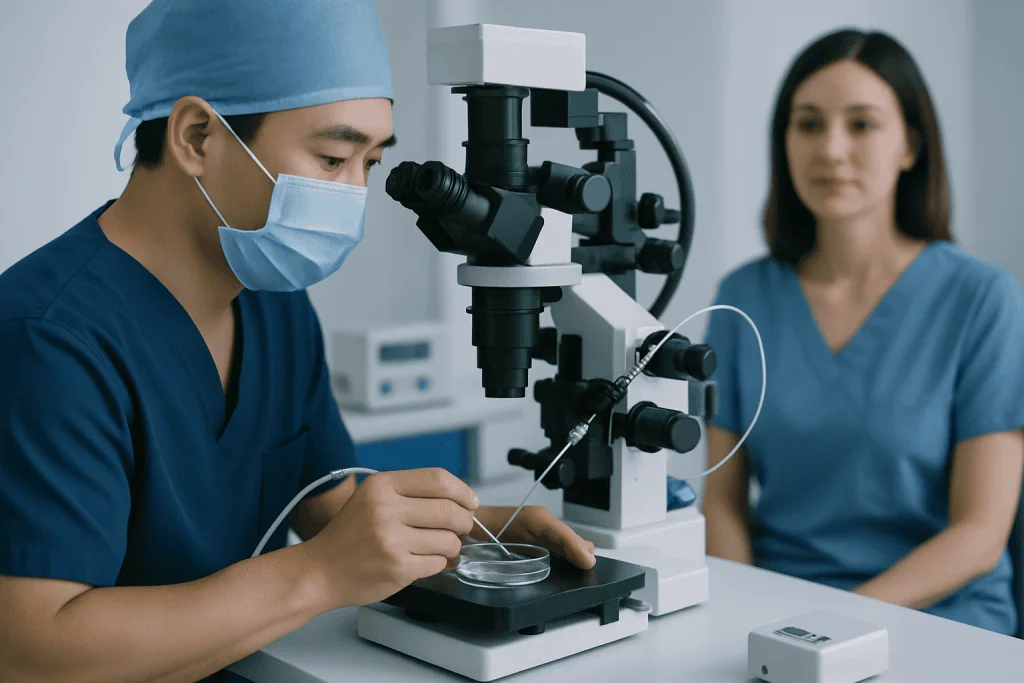
Adenomyosis may affect fertility in several ways. The uterine wall can become thicker and more inflamed, and the normal pattern of uterine contractions may change. These changes may interfere with sperm transport, embryo movement, or the ability of the embryo to attach securely to the uterine lining.
In IVF, embryo quality is only one part of success. The uterus must also be receptive at the right time. Research suggests that adenomyosis may be associated with lower implantation rates, lower clinical pregnancy rates, and a higher risk of miscarriage in some patients. The degree of impact can vary widely depending on age, ovarian reserve, severity of adenomyosis, and whether other conditions are present, such as endometrial polyps or fibroids.
Not everyone with adenomyosis has the same fertility challenges. Some conceive naturally, some respond well to standard IVF, and others benefit from pretreatment before embryo transfer. Because of this, fertility specialists usually focus on individualized care rather than assuming that one plan fits everyone. A complete review of symptoms, imaging findings, hormone profile, and prior pregnancies helps guide the best strategy.
Symptoms, Signs, and Related Conditions
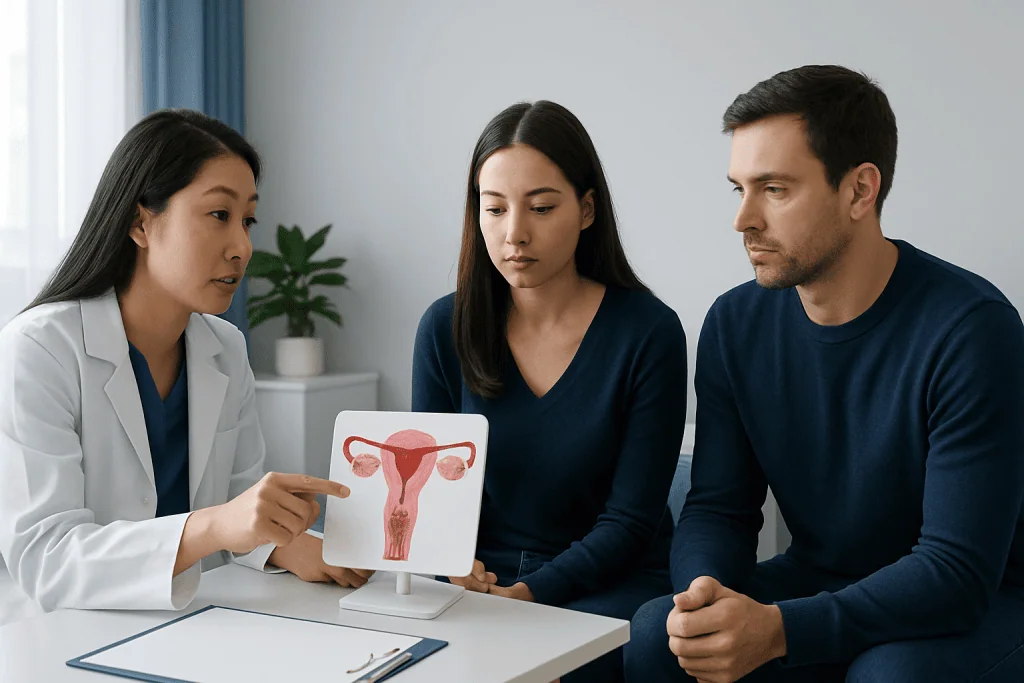
Adenomyosis can be silent, especially in mild cases. When symptoms do occur, they often include painful menstrual cramps, heavy or prolonged menstrual bleeding, pelvic pain, pelvic fullness, and pain during intercourse. Some people notice increasing menstrual discomfort over time, while others first learn about adenomyosis during an infertility evaluation.
Heavy bleeding may sometimes be mistaken for other causes of abnormal uterine bleeding. Conditions that can overlap or look similar include endometriosis, uterine fibroids, and menorrhagia. Some patients also have more than one condition at the same time, which can further affect fertility and treatment planning.
Adenomyosis may coexist with other reproductive conditions that influence pregnancy chances, such as premature ovarian insufficiency or tubal disease. For this reason, specialists do not rely on symptoms alone. A full infertility evaluation helps determine whether adenomyosis is the main issue, one of several factors, or an incidental finding that may not need aggressive treatment.
Causes and Risk Factors
The exact cause of adenomyosis is not fully understood. Experts believe it may develop when endometrial-like tissue grows into the uterine muscle, possibly due to disruption of the boundary between the uterine lining and muscle. Hormones, inflammation, prior uterine procedures, and age-related changes may all play a role.
Risk factors may include being in the later reproductive years, having given birth before, and a history of uterine surgery such as cesarean section or fibroid removal. However, adenomyosis can also occur in younger women and in those who have never been pregnant. It is not always possible to identify a clear reason why one person develops the condition and another does not.
For fertility patients, what matters most is not only why adenomyosis developed, but how much it is affecting the uterus now. The pattern may be focal, affecting one area, or diffuse, involving a larger part of the uterine wall. The extent of disease, along with age and egg quality, can influence whether a person is better suited to immediate artificial fertilisation, pretreatment followed by embryo transfer, or broader evaluation for female infertility.
How Doctors Diagnose Adenomyosis During Fertility Workup
Diagnosis usually begins with a detailed medical history and pelvic examination. The doctor asks about menstrual pain, heavy bleeding, previous pregnancies, pregnancy losses, and past uterine procedures. While symptoms may raise suspicion, imaging is usually needed to assess the uterus more accurately.
Transvaginal ultrasound is often the first imaging test. It can show signs such as a bulky uterus, asymmetry of the uterine walls, small cysts within the muscle, or a poorly defined area between the endometrium and the myometrium. In some cases, MRI provides a clearer view and helps estimate the extent of adenomyosis, especially when the ultrasound findings are uncertain or when other uterine conditions are also being considered.
During a fertility workup, doctors also check for other factors that may affect treatment success. These may include ovarian reserve testing, hormone evaluation, semen analysis, and assessment of the uterine cavity. If symptoms or imaging suggest additional issues, the team may also investigate conditions such as uterine septum or tubal damage from pelvic inflammatory disease. The goal is to build a complete picture before deciding on the timing and type of fertility treatment.
Treatment Options Before and During IVF
Treatment depends on symptoms, fertility goals, age, and how extensive the adenomyosis appears to be. In people trying to conceive, management often aims to improve the uterine environment without delaying fertility care unnecessarily. Common approaches include hormonal suppression before embryo transfer, pain relief for symptom control, and careful timing of the IVF cycle.
Some fertility specialists use temporary hormone-based treatment to reduce adenomyosis activity before a frozen embryo transfer. This may help by lowering inflammation and reducing abnormal uterine activity. In selected cases, especially when symptoms are severe or the disease is more focal, surgery may be considered. However, surgery is not right for everyone, and the possible benefits must be weighed against the potential effect on the uterus and future pregnancy.
IVF plans are often individualized. One person may proceed directly to stimulation and embryo creation, then freeze embryos and prepare the uterus later. Another may benefit from combined strategies, such as hormonal suppression followed by ICSI when there are also male-factor issues, or a more general infertility treatment pathway that addresses multiple barriers at once. Decisions are usually based on age, prior IVF outcomes, miscarriage history, embryo quality, and the severity of uterine findings.
Pregnancy care after conception may also need closer monitoring, depending on the individual situation. Many pregnancies progress well, but the care team may watch for pain, bleeding, or placental concerns. A coordinated approach between reproductive specialists and obstetricians can help support a safe and informed treatment journey.
Self-care, Fertility Planning, and Questions to Ask
Self-care does not cure adenomyosis, but it can help people manage symptoms and prepare for treatment. Tracking menstrual pain, bleeding pattern, and cycle timing can give useful information to the fertility team. It may also help to note any prior pregnancy losses, medication use, and previous surgeries, since these details can influence treatment decisions.
General health measures are also important. Maintaining a healthy weight, stopping smoking if applicable, getting regular sleep, and managing stress can support overall reproductive health. These steps cannot reverse adenomyosis, but they may improve readiness for fertility treatment and pregnancy.
Patients often benefit from asking practical questions during consultations, such as:
- How severe does the adenomyosis appear on imaging?
- Could it be affecting implantation or miscarriage risk in this case?
- Would pretreatment before embryo transfer be helpful?
- Is a fresh or frozen embryo transfer more suitable?
- Are there other uterine or hormonal conditions that also need treatment?
Near the end of care planning, some patients seek support at centers experienced in both reproductive medicine and high-risk gynecology. Acibadem International’s multidisciplinary specialists and JCI-accredited hospitals evaluate and treat adenomyosis and fertility problems for international patients, with treatment plans tailored to the individual.
When to See a Doctor
A person should consider medical evaluation if periods are becoming increasingly painful, bleeding is heavy enough to disrupt daily life, or pregnancy has not occurred after a reasonable time of trying. Earlier assessment is especially helpful for those over age 35, those with known uterine conditions, or those with a history of miscarriage or prior fertility treatment failure.
Anyone planning IVF should tell their doctor about symptoms such as severe menstrual cramps, pelvic pressure, or heavy bleeding, even if these seem unrelated to fertility. These clues may point to adenomyosis and prompt imaging before embryo transfer. Identifying the condition early can help the care team choose a more effective treatment sequence.
Urgent medical attention may be needed for very heavy bleeding, severe uncontrolled pain, fainting, or signs of anemia such as marked weakness or shortness of breath. These symptoms do not always mean adenomyosis is the cause, but they should be assessed promptly. A qualified gynecologist or fertility specialist can explain the findings and discuss the safest next steps.
Frequently asked questions
Can a person get pregnant with adenomyosis?
Yes, many people with adenomyosis do become pregnant, either naturally or with fertility treatment. The condition can make conception and implantation more difficult for some, but pregnancy is still possible with the right evaluation and care plan.
Does adenomyosis always reduce IVF success?
Not always. Adenomyosis may lower implantation or increase miscarriage risk in some patients, but the effect varies by severity, age, embryo quality, and whether other fertility issues are present. Individualized treatment may improve the chances of a successful cycle.
Is IVF better than trying naturally if adenomyosis is present?
It depends on the person’s age, symptoms, ovarian reserve, duration of infertility, and any additional fertility factors. Some people can try naturally, while others may benefit from IVF sooner, especially if time is important or other infertility causes are found.
How is adenomyosis diagnosed before IVF?
Doctors usually diagnose adenomyosis using symptoms, pelvic examination, and imaging, especially transvaginal ultrasound. MRI may be used when more detail is needed or when the diagnosis is uncertain.
Can adenomyosis be treated before embryo transfer?
Yes, in some cases doctors recommend treatment before embryo transfer to improve the uterine environment. This may include temporary hormonal suppression and, more selectively, surgical treatment, depending on symptoms and imaging findings.
Is pregnancy with adenomyosis high risk?
Many people with adenomyosis have healthy pregnancies, but some may need closer monitoring. The level of risk depends on the severity of the condition and other maternal factors, so obstetric follow-up should be guided by a qualified doctor.
This article is for general information only and is not a substitute for professional medical advice. Please consult a qualified doctor about your individual situation.
IVF & fertility treatment in Turkey — success rates and costs
JCI-accredited · board-certified surgeons · reply within 24h
Add us as a Preferred Source to see more of our trusted health content across Google Search, AI Overviews and Discover.

Related Treatments
Related Conditions
More from the Health Library

IVF After Tubal Ligation: Options for Pregnancy After Sterilization

Can You Get Pregnant Naturally With PCOS?

IVF for Tubal Factor Infertility: From Diagnosis to Treatment Planning

Emotional Stress During IVF: Coping Strategies and When to Seek Support
When Is IVF a Good Option for Tubal Infertility?