IVF With Diminished Ovarian Reserve: How Doctors Tailor Stimulation Plans

Diminished ovarian reserve means the ovaries may have fewer remaining eggs or a lower expected response to stimulation. IVF plans are tailored using age, AMH, antral follicle count, prior treatment response, and overall fertility factors.
Key Takeaways
- Diminished ovarian reserve means the ovaries may have fewer remaining eggs or a lower expected response to stimulation.
- IVF plans are tailored using age, AMH, antral follicle count, prior treatment response, and overall fertility factors.
- The goal is not only to retrieve eggs, but to choose a safe, efficient protocol that fits the patient’s biology and priorities.
- Some patients may benefit from ICSI, embryo freezing, or more than one retrieval cycle to build embryo numbers.
- Even with low ovarian reserve, treatment decisions are individualized and should be guided by a fertility specialist.
IVF with diminished ovarian reserve requires a personalized approach because the ovaries may produce fewer eggs during treatment. Doctors tailor testing, medication choices, timing, and lab strategies to support the best possible outcome for each patient.
Overview
IVF with diminished ovarian reserve is a form of fertility treatment planning used when the ovaries are expected to produce fewer eggs than average. Ovarian reserve refers to the number of eggs remaining in the ovaries and, to some extent, how likely those ovaries are to respond to fertility medications. A lower ovarian reserve does not always mean pregnancy is impossible, but it does mean doctors usually need to adjust the treatment strategy carefully.
In standard IVF treatment, medications are used to stimulate the ovaries so that more than one egg matures in a cycle. In patients with diminished ovarian reserve, the ovaries may respond less strongly, even with higher doses of medication. Because of this, fertility specialists focus on finding the most appropriate protocol rather than simply increasing medication.
Diminished ovarian reserve is not the same as infertility by itself, and it is also not the same as menopause. Some people with low reserve still ovulate regularly and can conceive naturally, while others may have additional fertility factors that make treatment more urgent. The broader assessment usually includes egg reserve testing, menstrual history, age, sperm factors, uterine health, and any prior fertility treatment.
The treatment plan is often part of a wider female infertility evaluation. Individualization is especially important because people with the same blood test results may respond differently in practice. A thoughtful plan aims to balance effectiveness, cost, time, and emotional burden while keeping expectations realistic and supportive.
What Diminished Ovarian Reserve Means

Diminished ovarian reserve generally means there are fewer eggs available in the ovaries than expected for a person’s age, or that the expected response to ovarian stimulation is lower. It does not directly measure egg quality, but age remains strongly linked to egg quality and embryo chromosome health. For that reason, age and ovarian reserve are both considered together when doctors discuss prognosis.
Common signs that may suggest diminished ovarian reserve include lower anti-Mullerian hormone (AMH), a reduced antral follicle count on ultrasound, or a previous poor response to fertility medications. Some patients have regular periods and discover low reserve only during fertility testing. Others may notice shorter menstrual cycles or changes associated with declining ovarian function.
Doctors also distinguish diminished ovarian reserve from premature ovarian insufficiency. In premature ovarian insufficiency, ovarian function declines more significantly and menstrual periods may become absent or very irregular. Diminished reserve can be milder and may still allow ovulation, but it often affects how many eggs can be collected in an IVF cycle.
This diagnosis does not mean every cycle will fail. Instead, it helps guide planning. In many cases, the central question is how to make the best use of the eggs available in each cycle and whether one cycle or several cycles may be needed to reach the patient’s reproductive goals.
Causes and Factors Doctors Consider
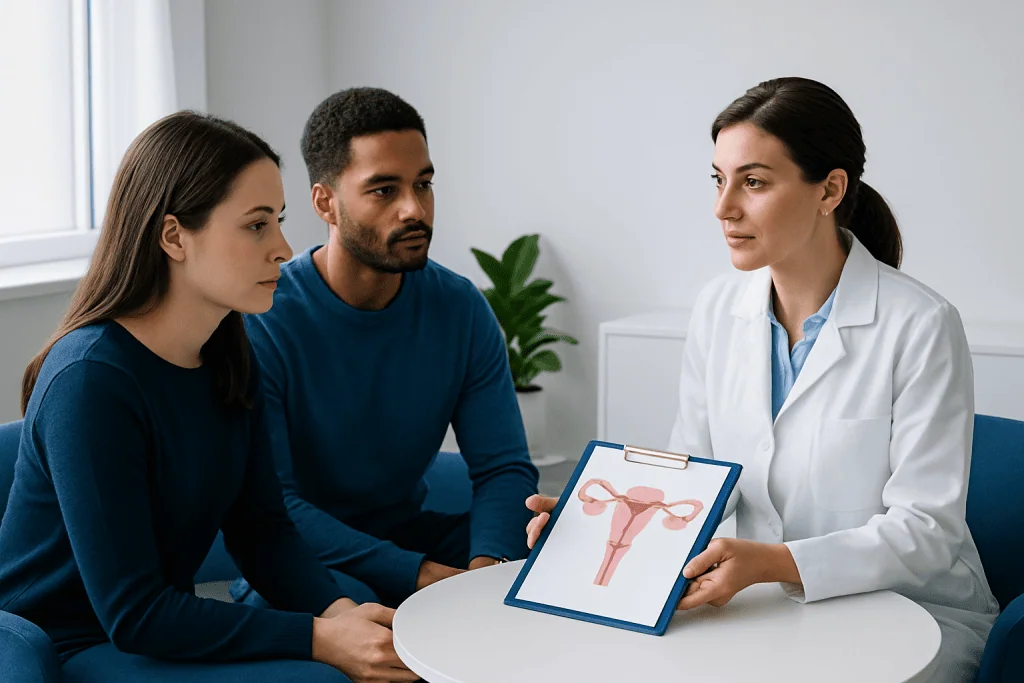
The most common factor linked to diminished ovarian reserve is age, because ovarian reserve naturally declines over time. However, younger patients can also be affected. Family history, prior ovarian surgery, endometriosis, chemotherapy, radiation exposure, smoking, certain genetic factors, and some autoimmune conditions may contribute to a reduced egg supply.
Doctors also look for conditions that may affect fertility alongside ovarian reserve. These can include male factor infertility, tubal problems, uterine abnormalities, or ovulation disorders. For example, some patients may also have ovarian cysts or a history of pelvic infections such as pelvic inflammatory disease, which can influence fertility planning in different ways.
A fertility specialist will review several factors before designing stimulation: age, AMH, follicle-stimulating hormone levels, antral follicle count, body weight, cycle regularity, and previous responses to medication if treatment has been attempted before. The partner’s sperm quality also matters because fertilization strategy may need to be adjusted.
Doctors usually avoid making decisions from one test alone. For example, a low AMH can suggest a lower egg yield, but it does not always predict whether a pregnancy can occur. The most useful approach is to combine test results with ultrasound findings, medical history, and the patient’s timeline and family-building goals.
How Doctors Diagnose and Assess Response
Diagnosis begins with a fertility consultation and targeted testing. Blood tests commonly include AMH and often day 2 or day 3 hormone tests such as follicle-stimulating hormone and estradiol. A transvaginal ultrasound is used to count small resting follicles in the ovaries, called the antral follicle count. Together, these help estimate how the ovaries may respond during stimulation.
Doctors also assess the uterus and fallopian tubes when appropriate, and semen analysis is part of most complete evaluations for couples. If there is concern about uterine shape or cavity problems, additional tests may be advised because implantation depends on more than egg number alone. Fertility care works best when all contributing factors are addressed together.
One important part of assessment is reviewing any prior treatment cycle. If a patient previously had a low egg yield, uneven follicle growth, early ovulation, or poor embryo development, the next protocol may be adjusted. This kind of real-world response is often more informative than lab values alone.
Doctors may also discuss prognosis using terms such as expected ovarian response, egg yield, or embryo banking potential. These conversations can feel highly personal, but they are meant to support practical decision-making. A clear understanding of likely response can help patients choose between immediate IVF, repeated retrieval cycles, or alternative options depending on their goals.
How Stimulation Plans Are Tailored
There is no single best stimulation plan for all patients with diminished ovarian reserve. The protocol is tailored to encourage the available follicles to grow while reducing the chance of premature ovulation or cycle cancellation. Common approaches include antagonist protocols, flare protocols using small amounts of GnRH agonist, and in some cases milder stimulation plans. The choice depends on age, test results, prior cycle response, and clinician experience.
Medication doses are individualized. A higher dose does not always lead to more eggs, especially when the ovary has a limited recruitable pool of follicles. Instead, doctors aim for the dose most likely to support synchronized growth of the available follicles. Monitoring with ultrasounds and blood tests allows the team to adjust medications during the cycle if needed.
Trigger timing is another important area of customization. The trigger shot is used to mature the eggs before retrieval, and its timing may be adjusted based on follicle size, hormone levels, and the patient’s previous response. In selected cases, doctors may also recommend luteal phase stimulation or back-to-back cycles to maximize egg collection over a short period, especially when time is a major concern.
Fertilization strategy may be tailored too. Some clinics recommend ICSI when egg numbers are low, especially if there is a male factor issue or when avoiding fertilization failure is a priority. In some patients, embryo freezing and transfer in a later cycle may be preferred, while others may proceed with a fresh transfer if the hormonal and uterine conditions are favorable.
Treatment Options, Expectations, and Possible Add-Ons
The main treatment option is individualized artificial fertilisation through IVF, with close monitoring throughout stimulation and egg retrieval. For many patients with diminished ovarian reserve, success depends on making the most of each cycle rather than expecting a high egg number. In some cases, doctors may suggest more than one retrieval cycle to build embryos before transfer, especially if the goal is more than one child.
Some patients may respond better to conventional stimulation, while others may benefit from mild stimulation or dual stimulation approaches. The best choice is based on how the ovaries behave, not simply on whether the reserve is low. If a cycle yields very few eggs, doctors may still continue if those eggs appear mature and clinically usable.
Adjuncts such as supplements or hormone pre-treatment are sometimes discussed, but the evidence is variable and not all add-ons are helpful for every patient. A fertility specialist can explain which options are supported by evidence, which remain uncertain, and which may not be worth the cost or delay. It is reasonable for patients to ask what each part of the plan is intended to achieve.
If the expected egg yield is very limited, counseling may include discussion of cumulative success over several cycles, donor eggs, or alternative family-building paths. These conversations should be individualized and respectful. The purpose is not to discourage treatment, but to help patients make informed choices within the broader context of infertility care.
Self-Care, Preparation, and When to Seek Specialist Advice
While lifestyle changes cannot restore egg supply, general health still matters in fertility treatment. Patients are usually advised to avoid smoking, limit alcohol, maintain a healthy weight, manage stress as well as possible, and review medications with their doctor before treatment begins. Good sleep, balanced nutrition, and control of chronic conditions can support overall reproductive health and treatment readiness.
Because diminished ovarian reserve may affect time-sensitive fertility decisions, it is often wise to seek specialist advice sooner rather than later. This is especially true for people over 35, those with prior ovarian surgery, irregular cycles, a family history of early menopause, or previous unsuccessful fertility treatment. Early evaluation does not force treatment, but it gives more options.
Patients should contact a fertility specialist if they have been trying to conceive without success, if reserve testing suggests a low response, or if they have had a prior IVF cycle with few eggs retrieved. Questions about protocol choice, expected response, and whether embryo banking is appropriate are all important to discuss. Individual plans should reflect both medical findings and personal priorities.
Near the end of the treatment journey, coordinated care can make a meaningful difference. Acibadem International’s multidisciplinary specialists in JCI-accredited hospitals diagnose and treat fertility conditions for international patients, with care plans tailored to each person’s reproductive history and goals.
Frequently asked questions
Can someone get pregnant with diminished ovarian reserve?
Yes, pregnancy can still happen with diminished ovarian reserve, either naturally or with fertility treatment. The diagnosis mainly suggests that the number of available eggs or the expected response to stimulation may be lower, not that pregnancy is impossible.
Does a low AMH mean IVF will not work?
No. A low AMH often predicts fewer eggs retrieved, but it does not by itself determine whether IVF can succeed. Age, embryo quality, sperm factors, uterine health, and the response to treatment all matter.
Why do doctors use different stimulation protocols for low ovarian reserve?
Different protocols are used because patients with diminished ovarian reserve do not all respond the same way. Doctors tailor medications and timing to support the available follicles, reduce cycle cancellation risk, and make the best use of each cycle.
Is a higher medication dose always better in diminished ovarian reserve?
Not necessarily. Higher doses do not always produce more eggs when the ovary has a limited number of recruitable follicles. Fertility specialists try to choose a dose that is appropriate for the individual rather than simply using the highest possible dose.
What tests are most important before IVF in diminished ovarian reserve?
Common tests include AMH, early-cycle hormone levels, and antral follicle count on ultrasound. Doctors also usually review menstrual history, prior treatment response, semen analysis, and the health of the uterus and fallopian tubes when relevant.
Will ICSI be recommended if only a few eggs are retrieved?
Sometimes. ICSI may be recommended when egg numbers are low, especially if there is a sperm-related issue or if the team wants to reduce the chance of failed fertilization. The decision depends on the full fertility picture, not egg number alone.
This article is for general information only and is not a substitute for professional medical advice. Please consult a qualified doctor about your individual situation.
IVF & fertility treatment in Turkey — success rates and costs
JCI-accredited · board-certified surgeons · reply within 24h
Add us as a Preferred Source to see more of our trusted health content across Google Search, AI Overviews and Discover.
Check your numbers in seconds
BMI, calories, due date, blood pressure and 30+ more clinical calculators — free, instant, doctor-reviewed ranges.

Related Treatments
Related Conditions
More from the Health Library

The Two-Week Wait After IVF: Symptoms, Testing, and What to Avoid

IVF Cost in Turkey: What Can Change the Total Price

Intrauterine Insemination: IUI Candidates, Process, and Outcomes

IVF With Adenomyosis: Diagnosis, Treatment Planning, and Transfer Decisions

Embryo Transfer Day in IVF: Preparation and What Happens Next