IVF With Donor Sperm: Who May Consider It and How Treatment Is Planned

IVF with donor sperm may be considered by single women, same-sex female couples, and couples facing severe male-factor infertility or certain genetic concerns. Donor sperm can be used with IVF, ICSI, or insemination, depending on fertility history and test results.
Key Takeaways
- IVF with donor sperm may be considered by single women, same-sex female couples, and couples facing severe male-factor infertility or certain genetic concerns.
- Donor sperm can be used with IVF, ICSI, or insemination, depending on fertility history and test results.
- Careful planning includes fertility testing, review of the uterus and ovaries, timing, and discussion of legal and emotional considerations.
- Screened sperm donors are typically assessed for infectious diseases, medical history, and other eligibility criteria set by local regulations.
- The best approach is individualized and should be decided with a qualified fertility specialist.
IVF with donor sperm is one of several fertility options for people who need sperm from a donor to try for pregnancy. Treatment planning usually includes medical testing, counseling, donor screening, and choosing the most suitable fertility method based on the person’s health and goals.
Overview
IVF with donor sperm is a fertility treatment approach in which sperm from a screened donor is used to fertilize eggs. This option may be part of IVF treatment, but it is not limited to IVF alone. In some cases, donor sperm may also be used with insemination or with ICSI if there is a specific laboratory reason to do so.
People may consider donor sperm for different medical and personal reasons. These include the absence of a male partner, severe male-factor infertility, a high risk of passing on certain genetic conditions, or situations in which previous fertility treatment using a partner’s sperm has not been successful. The aim is the same as with other fertility treatments: to create the safest and most effective plan for achieving pregnancy.
Although the title often highlights IVF, the treatment journey starts with a broader fertility assessment. A specialist looks at age, ovarian reserve, menstrual history, uterine health, tubal status, and any previous pregnancies or miscarriages. This helps determine whether IVF is truly the best option or whether a less invasive method may be appropriate first.
Who May Consider IVF With Donor Sperm

IVF with donor sperm may be considered by single women and same-sex female couples who wish to become pregnant. It may also be relevant for heterosexual couples when the male partner has no sperm in the semen, very poor sperm quality, or a condition that makes use of his sperm unlikely to lead to pregnancy. In some situations, donor sperm is discussed after several unsuccessful fertility treatments.
Another reason is the risk of inherited disease. If there is concern about passing on a serious genetic condition from the male side, a fertility specialist and genetic counselor may discuss whether donor sperm could reduce that risk. This is a highly personal decision, and many people benefit from taking time to understand the medical, emotional, and family-building implications.
Some women considering donor sperm also have separate fertility issues that affect treatment choice. For example, reduced egg supply, blocked tubes, advanced maternal age, premature ovarian insufficiency, or conditions such as uterine septum may influence whether IVF is advised over insemination. If there are ovulation problems related to polycystic ovary syndrome, the treatment plan may also address cycle regulation and egg development.
How Treatment Is Planned
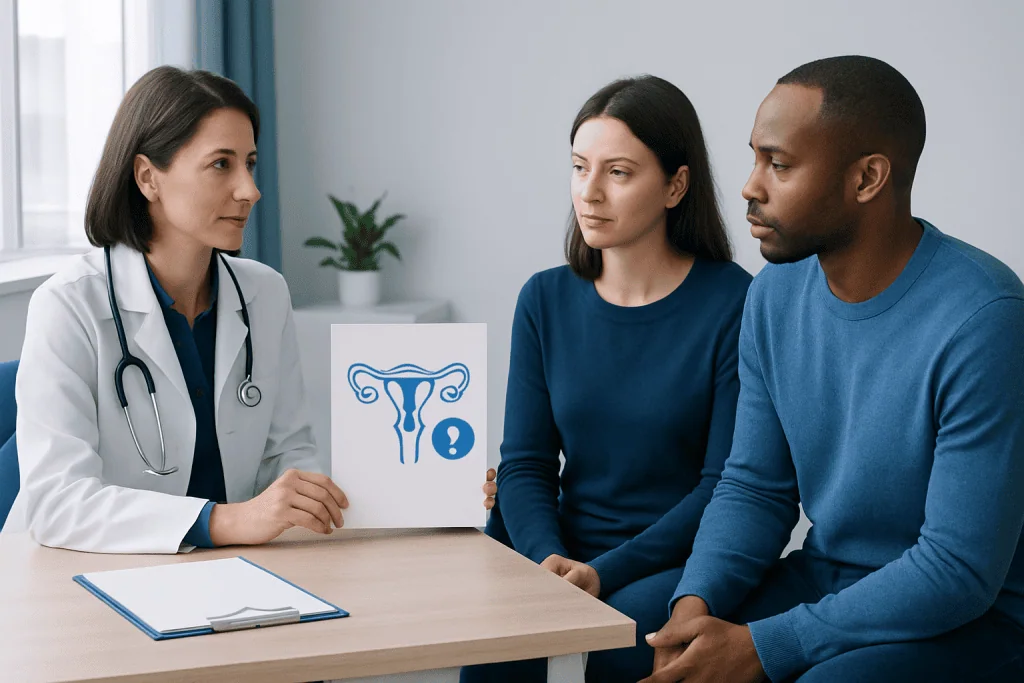
Planning begins with a full consultation and fertility workup. This usually includes a review of medical history, medications, menstrual pattern, prior pregnancies, and any previous fertility treatment. Blood tests may be used to check hormone levels and ovarian reserve, while ultrasound helps assess the ovaries and uterus. Some patients also need additional tests to look for fibroids, polyps, or other structural issues.
The doctor then considers whether donor sperm should be used with insemination or IVF. In general, insemination may be considered when the person ovulates regularly, has a reassuring ovarian reserve, and has open fallopian tubes. IVF may be preferred if there are blocked tubes, older reproductive age, a lower egg reserve, endometriosis, repeated failed insemination cycles, or other factors affecting fertility. This broader assessment is part of evaluation for infertility treatment and helps match the treatment intensity to the clinical situation.
If IVF is chosen, treatment is planned around the menstrual cycle. The ovaries are stimulated to develop multiple eggs, the eggs are retrieved, donor sperm is thawed and prepared in the laboratory, and fertilization takes place. The resulting embryo or embryos are monitored before one embryo is usually transferred to the uterus, depending on medical guidance and local practice. In some cases, embryos may be frozen for later use.
Counseling is often an important part of planning. Many clinics encourage or require discussion of emotional, ethical, and future family questions, such as when and how to tell a child about donor conception. This process can help patients feel more prepared and confident about their choices.
Donor Selection and Screening
Donor sperm is typically obtained through licensed sperm banks or approved donation programs, depending on local laws and clinic policy. Donors are generally screened for infectious diseases, relevant medical history, and selected genetic conditions. Regulations vary by country, so the exact screening panel and rules on donor anonymity, identity release, and number of families created may differ.
When choosing a donor, patients may be offered non-identifying information such as blood group, physical characteristics, education, interests, and family health background. Some programs allow identity-release donation, meaning the child may be able to access identifying information about the donor at a certain age. Others follow anonymous donation rules. Understanding these options early can help with long-term decision-making.
Doctors also look at practical compatibility issues. Blood group and Rh factor may be considered, though they are not the only factors. Clinics may discuss CMV status, genetic carrier screening, and whether there is a need for a donor with specific characteristics based on the recipient’s medical background. The goal is not to guarantee outcomes, but to reduce avoidable risk and support an informed choice.
What Happens During IVF With Donor Sperm
The IVF process usually starts with ovarian stimulation, in which fertility medicines encourage several eggs to mature in one cycle. During this phase, the patient attends monitoring visits for ultrasound scans and blood tests. These visits help the team decide when the eggs are ready for collection and aim to reduce the risk of complications such as overstimulation.
Egg retrieval is a short procedure in which mature eggs are collected from the ovaries using ultrasound guidance. On the same day, donor sperm is thawed and processed in the laboratory. The eggs are then fertilized either by standard IVF, where sperm and eggs are placed together, or by ICSI, where a single sperm is injected into an egg if the lab team advises this approach.
After fertilization, embryos are observed for development over several days. The fertility team then recommends embryo transfer timing or freezing, based on embryo quality and the patient’s health. A pregnancy test is done after the transfer. As with any fertility treatment, success can vary with age, egg quality, uterine health, and overall reproductive factors rather than donor sperm use alone.
It is also important to understand that pregnancy risks after conception still need routine obstetric follow-up. Once pregnant, the person’s care continues as in other pregnancies, with attention to general health and any existing medical conditions.
Benefits, Limitations, and Emotional Considerations
For many people, donor sperm offers a realistic path to parenthood when pregnancy is otherwise unlikely with a partner’s sperm or when there is no male partner. It can expand options and, in some cases, avoid transmission of a known genetic condition from the male side. For patients with additional fertility factors, combining donor sperm with IVF may improve the chance of fertilization compared with trying to conceive naturally.
At the same time, donor sperm does not overcome every fertility issue. If egg quality is poor, the uterus is affected by untreated disease, or the fallopian tubes are damaged, treatment outcomes may still be limited. Conditions such as ovarian cysts or recurrent pregnancy loss may require separate evaluation and management as part of the overall fertility plan.
Emotional responses can be complex and are completely valid. Some people feel hopeful and relieved, while others may experience grief, uncertainty, or concern about identity, disclosure, and family relationships. Speaking with a fertility counselor can help patients and couples work through these feelings and plan for future conversations with children and relatives.
Preparing for Treatment and Looking After Health
Before starting treatment, patients are usually advised to optimize general health. This may include stopping smoking, limiting alcohol, managing weight, reviewing medicines with a doctor, and taking folic acid if pregnancy is planned. Good sleep, regular activity, and stress management are also helpful for overall wellbeing, even though they do not guarantee IVF success.
Vaccination status and infection screening may be reviewed before treatment starts. Chronic conditions such as thyroid disease, diabetes, high blood pressure, or autoimmune disorders should be as well controlled as possible. If there is pelvic pain, irregular bleeding, or signs of infection, these symptoms should be assessed before a cycle begins.
Practical preparation matters too. Patients often benefit from understanding the treatment timeline, expected appointments, possible side effects, and the emotional demands of waiting for results. Asking about embryo freezing, future family-building plans, donor information policies, and legal parenthood can make the process clearer from the start.
Near the end of treatment planning, some international patients may look for coordinated care abroad. Acibadem International’s multidisciplinary specialists and JCI-accredited hospitals diagnose and treat fertility conditions for international patients, with treatment plans tailored to individual medical needs.
When to See a Fertility Specialist
It is sensible to speak with a fertility specialist before trying donor sperm treatment, especially if pregnancy is not expected to be straightforward. Early assessment is particularly important for women aged 35 or older, those with irregular or absent periods, known uterine or tubal problems, prior pelvic infection, previous ectopic pregnancy, or a history of miscarriage. Specialist advice can help avoid delays and identify the most appropriate first step.
Medical review is also important if there are symptoms such as severe menstrual pain, heavy bleeding, pelvic pain, or signs of hormonal imbalance. These may point to conditions that affect fertility and need treatment before or during the fertility journey. The same is true for anyone with a personal or family history suggesting a genetic condition.
Patients should also seek prompt medical advice during treatment if they develop severe abdominal pain, marked bloating, fainting, heavy bleeding, breathing difficulty, or other concerning symptoms. While complications are not common, quick evaluation helps keep treatment as safe as possible.
Frequently asked questions
Is IVF always needed when using donor sperm?
No. Donor sperm can be used with intrauterine insemination or IVF, depending on the person’s fertility health and treatment goals. IVF is more often recommended when there are additional fertility factors such as blocked tubes, lower ovarian reserve, or repeated unsuccessful insemination cycles.
Who can use donor sperm treatment?
Donor sperm treatment may be considered by single women, same-sex female couples, and heterosexual couples with severe male-factor infertility or certain genetic concerns. Eligibility and legal rules can vary by country and clinic, so it is important to discuss local requirements with a fertility team.
How are sperm donors screened?
Donors are typically screened for infectious diseases, medical history, and relevant genetic risks according to local regulations and clinic standards. The exact process varies by country, so patients should ask their clinic what screening has been completed and what information is available.
Can a child later learn about the donor?
That depends on the laws where treatment takes place and the type of donor program used. Some systems allow identity-release donation when the child reaches a certain age, while others use anonymous donation. This is an important topic to discuss before treatment starts.
Does donor sperm improve IVF success rates?
Donor sperm may help when pregnancy is unlikely with a partner’s sperm, but overall IVF success still depends largely on factors such as age, egg quality, embryo development, and uterine health. A fertility specialist can explain how these factors apply in an individual case.
What questions should patients ask before starting?
Useful questions include whether IVF or insemination is more suitable, how donor screening works, what legal parenthood rules apply, and what information about the donor can be shared now or later. Patients may also wish to ask about counseling, embryo freezing, and plans for future siblings from the same donor if available.
References
- American Society for Reproductive Medicine
- European Society of Human Reproduction and Embryology
- Centers for Disease Control and Prevention
- National Institute for Health and Care Excellence
- Human Fertilisation and Embryology Authority
This article is for general information only and is not a substitute for professional medical advice. Please consult a qualified doctor about your individual situation.
IVF & fertility treatment in Turkey — success rates and costs
JCI-accredited · board-certified surgeons · reply within 24h
Add us as a Preferred Source to see more of our trusted health content across Google Search, AI Overviews and Discover.
Check your numbers in seconds
BMI, calories, due date, blood pressure and 30+ more clinical calculators — free, instant, doctor-reviewed ranges.

Related Treatments
Related Conditions
More from the Health Library



Related Specialists

Prof. Dr. Mehmet Cihat Ünlü
Gynecology & Obstetrics
Prof. Dr. Mete Güngör
Gynecology & Obstetrics
Prof. Dr. Bülent Tıraş
Gynecology & Obstetrics
Prof. Dr. Tansu Küçük
Gynecology & Obstetrics