Memory Loss or Normal Aging? When a Geriatric Neurology Assessment Helps

Mild forgetfulness can occur with age, but memory loss that disrupts daily life is not considered normal aging. A geriatric neurology assessment looks at memory, thinking, mood, medications, sleep, mobility, and overall health.
Key Takeaways
- Mild forgetfulness can occur with age, but memory loss that disrupts daily life is not considered normal aging.
- A geriatric neurology assessment looks at memory, thinking, mood, medications, sleep, mobility, and overall health.
- Some causes of memory problems are treatable, including vitamin deficiencies, thyroid disease, depression, sleep disorders, and medication side effects.
- Early evaluation can improve safety, planning, and access to supportive treatment.
- Urgent assessment is needed if confusion appears suddenly or follows a fall, infection, or possible stroke symptoms.
Occasional forgetfulness can be part of getting older, but persistent or worsening memory problems may need medical attention. A geriatric neurology assessment can help distinguish normal aging from conditions such as mild cognitive impairment, dementia, medication effects, sleep problems, depression, or stroke-related changes.
Overview: Is It Memory Loss or Normal Aging?
Many older adults notice that memory feels slower than it once did. They may take longer to recall a name, misplace reading glasses, or briefly forget why they entered a room. These changes can be frustrating, but they do not automatically mean dementia. In many cases, they reflect normal aging, stress, poor sleep, distraction, or simple overload from daily life.
The important question is whether memory changes are mild and occasional, or whether they are becoming frequent enough to affect independence. Forgetting an appointment but remembering it later is different from repeatedly missing important events, getting lost in familiar places, or struggling to manage medicines and finances. When memory loss begins to interfere with everyday tasks, it deserves medical evaluation.
A geriatric neurology assessment is designed for exactly this situation. It examines memory and thinking in the context of aging, while also considering other factors such as mood, vision, hearing, mobility, medications, vascular health, and sleep. This more complete view helps doctors understand whether symptoms fit normal aging, mild cognitive impairment, or a neurological condition that needs treatment and follow-up.
What Changes Are Usually Part of Normal Aging?
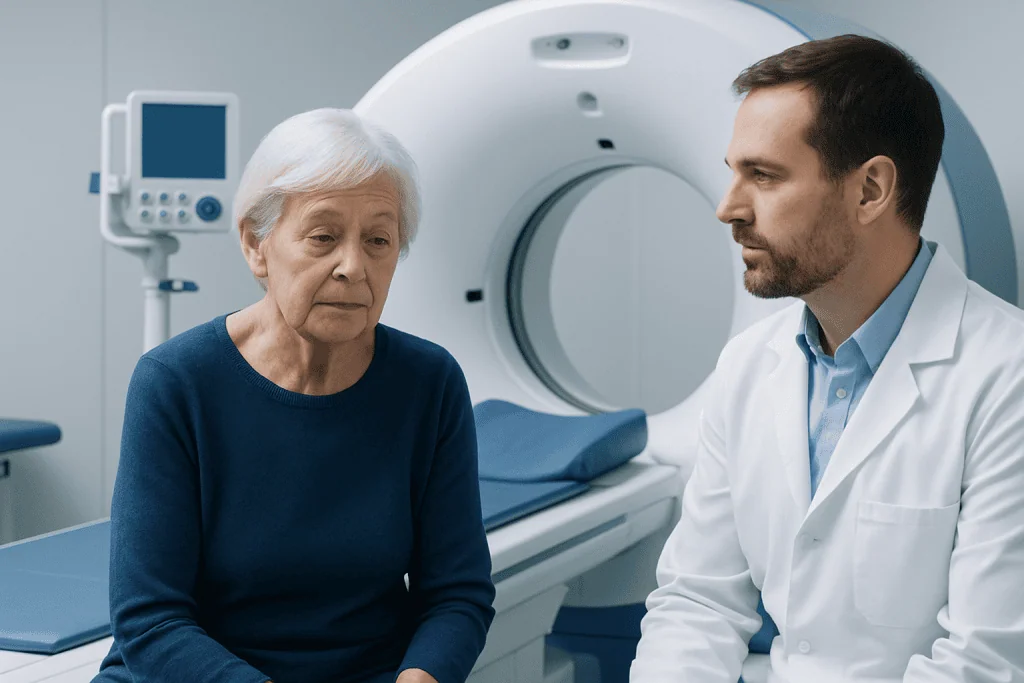
Normal aging can affect how quickly the brain processes and retrieves information. An older adult may need more time to learn a new device, remember less important details, or find the right word during conversation. Attention may be less flexible than before, especially when multitasking or under stress. Even so, the person is generally still able to function independently and use reminders, notes, or routines successfully.
Common age-related changes usually do not erase deeply learned information. A person may briefly forget a name but still recognize the face, remember familiar routes, and handle household activities. They can usually follow conversations, make decisions, and return to a topic later. In contrast, more concerning changes involve repeating the same questions, losing track of time, becoming confused in familiar settings, or showing clear decline over months.
Hearing loss, poor vision, anxiety, grief, and social isolation can also make memory seem worse than it is. If a person cannot hear information clearly, they may never fully encode it in memory. Likewise, poor sleep and untreated pain can reduce concentration. A careful assessment helps distinguish these common contributors from true neurological disease.
Signs That Suggest More Than Normal Aging

Doctors become more concerned when memory loss affects daily life, safety, or judgment. Warning signs include repeatedly asking the same questions, getting lost on familiar routes, forgetting recent conversations entirely, missing bills, mishandling medications, or having trouble with cooking, shopping, or keeping appointments. Family members often notice these changes before the person does.
Other cognitive symptoms can appear alongside memory problems. These may include difficulty finding words, poor planning, reduced problem-solving, trouble following instructions, personality or behavior changes, or loss of interest in usual activities. Some people struggle more with attention or decision-making than with memory itself. This can happen in vascular cognitive impairment, Parkinsonian conditions, or after stroke.
Sudden confusion is especially important because it is usually not due to normal aging or slowly developing dementia. Acute confusion may be related to infection, dehydration, medication effects, low oxygen, metabolic imbalance, or a neurological emergency such as a transient ischemic attack or stroke. A rapid change in awareness, alertness, or behavior should be assessed urgently.
Causes and Risk Factors for Memory Problems in Older Adults
Memory problems in later life have many possible causes. Neurodegenerative disorders such as Alzheimer disease and related neurodegenerative conditions are well-known causes, but they are not the only ones. Mild cognitive impairment, vascular disease, previous strokes, traumatic brain injury, alcohol misuse, and certain infections can also affect cognition. In some people, symptoms come from more than one cause at the same time.
Several reversible or partly reversible issues can mimic dementia. These include medication side effects, especially from sedating drugs; depression; anxiety; thyroid disease; vitamin B12 deficiency; sleep apnea; chronic pain; and uncontrolled diabetes. Sleep disorders are particularly important because poor sleep reduces attention and memory formation. In selected cases, evaluation through neurological sleep medicine may help clarify whether sleep disruption is contributing to cognitive decline.
Risk tends to increase with advancing age, but age alone does not explain every memory complaint. Additional risk factors include high blood pressure, high cholesterol, smoking, obesity, lack of physical activity, hearing loss, social isolation, and a family history of some neurological diseases. A history of movement changes, tremor, falls, or slowed walking may also point toward other brain disorders that affect both thinking and movement, such as essential tremor with unrelated aging concerns or broader movement disorder evaluation when symptoms overlap.
What Happens During a Geriatric Neurology Assessment?
A geriatric neurology assessment begins with a detailed conversation about symptoms, timing, and daily function. The doctor usually asks when the memory problem started, whether it is getting worse, and how it affects tasks such as driving, cooking, shopping, finances, and medication use. Input from a family member or trusted companion is often very helpful because subtle decline may be easier for others to notice.
The examination does more than test memory. It also looks at attention, language, judgment, gait, balance, reflexes, vision, coordination, and mood. Brief office-based cognitive tests may be used to assess recall, orientation, language, and executive function. In some patients, more in-depth neuropsychological testing is recommended to map strengths and weaknesses across different thinking skills and help distinguish depression, mild cognitive impairment, and dementia.
Laboratory tests may be ordered to look for treatable causes such as thyroid problems, vitamin deficiency, infection, or metabolic imbalance. Brain imaging can help identify stroke, bleeding, tumors, <a href="https://acibademinternational.com/diseases/normal-pressure-hydrocephalus/”>normal pressure hydrocephalus, or other structural causes; depending on the situation, assessment through neuroradiology may be part of the workup. The specialist also reviews medications carefully, as common prescriptions and over-the-counter medicines can impair thinking in older adults. At centers such as Acibadem International, multidisciplinary specialists in JCI-accredited hospitals evaluate international patients with memory and cognitive concerns.
Treatment Options and Supportive Care
Treatment depends on the cause. If memory problems are related to medication side effects, depression, vitamin deficiency, thyroid disease, poor sleep, or uncontrolled vascular risk factors, addressing those issues may improve symptoms. When mild cognitive impairment is diagnosed, doctors typically focus on close follow-up, risk-factor control, physical activity, sleep quality, hearing support, and cognitive health strategies. Early recognition also allows families to discuss future planning while the person can still participate fully.
If dementia is diagnosed, treatment often includes education, symptom management, and practical support rather than a single cure. Some people may be offered medications that can modestly help symptoms or slow decline in selected cases, depending on the diagnosis and stage. Equally important are routines, home safety changes, caregiver support, hearing and vision correction, exercise, and treatment of anxiety or depression. Neurological care may also include access to geriatric neurology services for ongoing monitoring and individualized management.
When cognitive symptoms are linked to vascular disease, prevention of further brain injury becomes a major goal. This may include blood pressure control, diabetes management, cholesterol treatment, smoking cessation, regular exercise, and stroke prevention strategies. If another neurological disorder is identified, care may be coordinated with the appropriate specialty team.
Prevention, Brain Health, and Self-care
Although not all causes of cognitive decline can be prevented, many habits support brain health. Regular physical activity improves blood flow, mood, sleep, and vascular health. A balanced eating pattern, social engagement, mentally stimulating activities, and adequate sleep also support healthy aging. Managing hearing loss matters as well, since better hearing can improve communication, attention, and memory performance in daily life.
It also helps to keep chronic medical conditions under good control. High blood pressure, diabetes, and high cholesterol can damage blood vessels in the brain over time. Avoiding tobacco, limiting alcohol, staying hydrated, and reviewing medications regularly with a doctor or pharmacist can reduce avoidable contributors to confusion and forgetfulness. Memory aids such as calendars, pill organizers, labels, and smartphone reminders are practical tools, not signs of failure.
Families can support an older adult by noticing patterns rather than isolated mistakes. Keeping a simple record of missed appointments, repeated questions, safety concerns, falls, or changes in mood can make the medical visit more useful. Supportive communication is important: gentle observation and practical help often work better than confrontation or correction.
When to See a Doctor
A routine medical appointment is a good idea if memory concerns are becoming more frequent, affecting daily tasks, or causing worry for the person or family. An evaluation is also appropriate when there are changes in language, planning, judgment, mood, walking, or personality. Earlier assessment can clarify the cause, identify reversible problems, and help families plan appropriate support.
Urgent care is needed if confusion starts suddenly, follows a fall or head injury, or appears with fever, severe sleepiness, weakness, facial drooping, trouble speaking, or a major change in behavior. These symptoms can suggest delirium, infection, medication toxicity, bleeding, or a neurological emergency. In older adults, even a urinary or chest infection can sometimes trigger abrupt confusion.
Many people hesitate to seek help because they fear what the results may show. However, assessment is valuable whether symptoms turn out to reflect normal aging, a treatable medical issue, or an early neurocognitive disorder. Clear answers can reduce uncertainty and guide practical next steps for health, safety, and quality of life.
Frequently asked questions
How can someone tell the difference between normal forgetfulness and dementia?
Normal aging may cause slower recall or occasional misplaced items, but it usually does not stop a person from managing daily life. Dementia is more likely when memory and thinking problems interfere with independence, such as handling money, taking medicines correctly, navigating familiar places, or following conversations.
What is a geriatric neurology assessment?
It is a specialized evaluation of memory, thinking, movement, mood, sleep, medications, and overall neurological health in older adults. The goal is to determine whether symptoms reflect normal aging, mild cognitive impairment, dementia, or another medical problem that may be treatable.
Can memory problems in older adults be reversed?
Some causes can improve, especially when they are linked to medication side effects, depression, vitamin deficiencies, thyroid problems, poor sleep, dehydration, or infection. Other causes, such as neurodegenerative diseases, may not be reversible, but early treatment and supportive care can still help with symptoms and planning.
What tests are usually done for memory loss?
Doctors often use a medical history, cognitive screening, physical and neurological examination, blood tests, and sometimes brain imaging. In some cases, more detailed neuropsychological testing is used to understand which thinking skills are affected and to guide diagnosis.
Should a family member attend the appointment?
Yes, this is often very helpful. A family member or trusted friend may notice examples of memory change, safety concerns, or shifts in function that the patient does not fully recognize, and this information can make the assessment more accurate.
When is memory loss an emergency?
Sudden confusion, new trouble speaking, facial drooping, weakness, severe drowsiness, or confusion after a fall should be treated as urgent. These symptoms can signal stroke, infection, medication toxicity, bleeding, or another medical emergency and need prompt medical care.
References
- World Health Organization
- National Institute on Aging
- Alzheimer's Association
- American Academy of Neurology
- Centers for Disease Control and Prevention
This article is for general information only and is not a substitute for professional medical advice. Please consult a qualified doctor about your individual situation.
Geriatric Neurology in Turkey — costs, top hospitals & a free quote
JCI-accredited · board-certified surgeons · reply within 24h
Add us as a Preferred Source to see more of our trusted health content across Google Search, AI Overviews and Discover.

Neurology
Diagnosis and treatment of disorders of the brain, spinal cord, nerves and muscles.
51 specialists in this unit