Migraine Aura: Visual Symptoms, Sensory Changes, and When to Worry

Migraine aura most often causes temporary visual symptoms such as flashing lights, zigzag lines, or blind spots. Some people also have numbness, tingling, speech changes, or dizziness along with migraine aura.
Key Takeaways
- Migraine aura most often causes temporary visual symptoms such as flashing lights, zigzag lines, or blind spots.
- Some people also have numbness, tingling, speech changes, or dizziness along with migraine aura.
- Aura symptoms usually develop gradually over several minutes and often last less than an hour.
- Sudden, severe, or unfamiliar neurological symptoms need urgent medical assessment because they can resemble stroke or a transient ischemic attack.
- Treatment may include migraine medicines, trigger management, and preventive care when attacks are frequent or disruptive.
Migraine aura is a group of temporary neurological symptoms that may happen before or during a migraine attack. It commonly affects vision, but it can also cause sensory changes, speech difficulty, or other brief symptoms that usually resolve on their own.
Overview
Migraine aura is a set of temporary neurological symptoms linked to migraine. For many people, aura happens before the headache phase, but it can also begin during the headache or, less commonly, occur without much head pain at all. The symptoms can be unsettling, especially the first time they happen, yet they are often reversible and short-lived.
The most common form is visual aura. A person may notice flashing lights, shimmering patterns, zigzag lines, blind spots, or a distorted area in the field of vision. These changes often spread gradually rather than appearing all at once, which helps distinguish migraine aura from some other neurological problems.
Migraine aura can also affect sensation, language, and occasionally movement. Tingling may start in the hand and slowly travel up the arm or face. Some people find it hard to find words or speak clearly for a short period. Because these symptoms can overlap with serious conditions such as stroke or transient ischemic attack, a new or unusual episode should be assessed by a doctor.
Symptoms of Migraine Aura
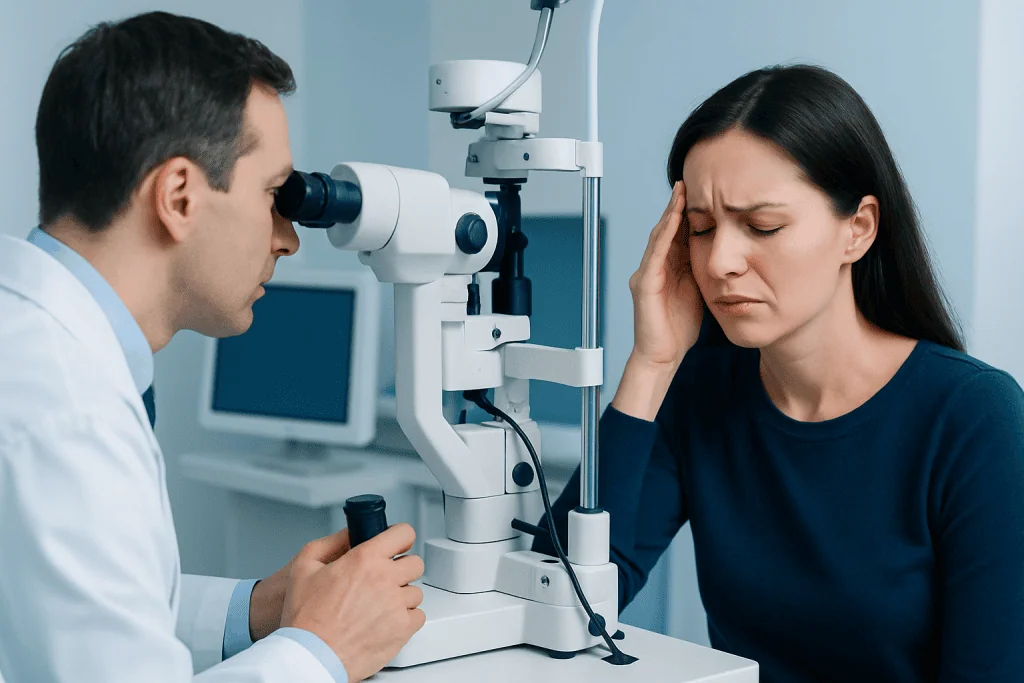
Visual symptoms are the hallmark of migraine aura. People often describe bright flashing spots, shimmering lights, jagged or zigzag lines, tunnel vision, blurred areas, or a blind spot that slowly grows. The visual disturbance may affect one side of the visual field and can make reading, driving, or looking at screens difficult until it passes.
Sensory symptoms are also common. These may include tingling, pins-and-needles, numbness, or a feeling that spreads gradually from the fingers to the hand, arm, and face. The symptoms usually affect one side of the body and unfold over minutes rather than seconds.
Some people experience language symptoms, such as trouble finding words, speaking fluently, or understanding speech for a brief time. Less commonly, aura may include dizziness, imbalance, ringing in the ears, or weakness. If weakness occurs, especially on one side, urgent evaluation is important because the symptom may be difficult to tell apart from other neurological emergencies.
- Common visual symptoms: flashing lights, zigzag lines, blind spots, shimmering patterns
- Common sensory symptoms: tingling, numbness, pins-and-needles
- Other possible symptoms: speech difficulty, dizziness, confusion, rarely weakness
- Typical duration: often 5 to 60 minutes per symptom
Causes and Risk Factors

Migraine aura is thought to be related to a temporary wave of altered nerve activity across the brain, followed by changes in blood flow and signaling. This process, often called cortical spreading depression, can affect the brain areas responsible for vision, sensation, or language. Although the exact reason it happens is still being studied, migraine is a recognized neurological condition rather than simply a bad headache.
Many factors can increase the likelihood of aura or migraine attacks in susceptible people. Common triggers include stress, lack of sleep, skipped meals, dehydration, hormonal changes, alcohol, bright lights, strong smells, and too much or too little caffeine. Trigger patterns vary widely, so what affects one person may not affect another.
Family history plays a role, and migraine with aura can run in families. It is also more common in some people with other headache disorders, though these conditions are not the same as cluster headache or tension-type headache. In some individuals, aura becomes more noticeable during certain life stages, such as adolescence, pregnancy, or perimenopause, when hormone and sleep patterns change.
How Migraine Aura Is Diagnosed
Diagnosis usually starts with a detailed medical history. A doctor will ask what the symptoms look and feel like, how quickly they begin, how long they last, whether a headache follows, and whether the pattern has changed over time. Keeping a symptom diary can be very helpful because the gradual spread and temporary nature of aura are important clues.
A neurological examination may be performed to check vision, strength, sensation, reflexes, speech, and coordination. In a person with a clear history of typical migraine aura and no warning signs, diagnosis may be clinical. However, tests can be needed when symptoms are new, happen for the first time later in life, last longer than usual, or suggest another condition.
Depending on the situation, doctors may arrange brain imaging or specialist assessment to rule out other causes such as stroke, seizure, retinal disease, or structural brain conditions. In more complex cases, services such as neuroradiology or neuro-ophthalmology evaluation may help clarify whether visual symptoms are coming from the brain, the eye, or another source.
Treatment Options
Treatment depends on how often migraine aura occurs, how disruptive the symptoms are, and whether a headache follows. For occasional, predictable attacks, treatment may focus on managing the headache phase with doctor-recommended migraine medicines and supportive measures such as rest, hydration, and reduced light exposure. Some people benefit from taking acute treatment as soon as aura or headache begins.
When attacks are frequent, prolonged, or significantly affect work, school, or daily life, preventive treatment may be considered. This can include daily or periodic medicines, lifestyle adjustments, and trigger management. Choosing the best plan is individualized and should take into account age, other health conditions, pregnancy plans, and the presence or absence of headache.
People with recurrent symptoms may be assessed in a dedicated headache medicine service, where diagnosis and prevention strategies can be refined. For broader care needs, migraine treatment may include medication planning, follow-up, and education about recognizing typical aura versus symptoms that require urgent review.
Prevention and Self-care
Many people can reduce attacks by identifying and limiting triggers. A regular sleep schedule, consistent meals, good hydration, stress management, and moderate caffeine intake are practical first steps. Sunglasses, screen breaks, and minimizing exposure to bright flickering light can help those with strong visual sensitivity.
Keeping a migraine diary is one of the most useful self-care tools. Recording food intake, sleep, menstrual cycle timing, stress levels, weather changes, and symptoms can reveal patterns over time. This information can guide conversations with a doctor and help determine whether preventive treatment is worth considering.
Self-care also includes knowing personal warning signs and having a plan. During aura, it may be safest to stop driving, move to a calm environment, and wait for symptoms to pass. Near the end of care planning, some patients seek support at specialized neurology centers; Acibadem International’s multidisciplinary specialists in JCI-accredited hospitals diagnose and treat migraine and related neurological conditions for international patients.
When to See a Doctor
A person should see a doctor if migraine aura happens for the first time, changes in pattern, starts after midlife, or begins without a known migraine history. Medical review is also important if symptoms last longer than an hour, occur very frequently, or are followed by unusual weakness, confusion, fainting, or persistent vision loss.
Urgent medical attention is needed when symptoms come on suddenly, reach maximum intensity immediately, or do not resemble prior aura episodes. It is especially important to seek emergency care for one-sided weakness, trouble speaking, severe imbalance, a new severe headache, or symptoms that could indicate stroke or bleeding around the brain such as subarachnoid hemorrhage.
Even when the cause turns out to be migraine aura, checking new neurological symptoms is the safest approach. Prompt assessment helps rule out urgent problems and allows appropriate treatment and prevention advice. People who are pregnant, have cardiovascular risk factors, or use estrogen-containing medications should be particularly careful about discussing aura with a qualified doctor.
Frequently asked questions
What does migraine aura look like?
Migraine aura often looks like flashing lights, shimmering spots, zigzag lines, or a blind spot that slowly expands. Some people also notice blurred vision or a distortion in one side of their visual field. The pattern usually develops gradually over several minutes rather than appearing all at once.
Can migraine aura happen without a headache?
Yes. Some people have aura without a significant headache, sometimes called silent migraine or migraine aura without headache. Even so, a first episode should be discussed with a doctor because other neurological conditions can cause similar symptoms.
How long does migraine aura usually last?
Most aura symptoms last between 5 and 60 minutes. In some cases, different symptoms follow one another, making the whole episode feel longer. Symptoms that last unusually long or do not fully resolve need medical assessment.
Is migraine aura dangerous?
Migraine aura itself is usually temporary and not harmful. The main concern is that it can resemble serious conditions such as stroke or transient ischemic attack, especially if symptoms are new, sudden, or different from the usual pattern. That is why medical review is important when there is any doubt.
What is the difference between migraine aura and a stroke?
Migraine aura often spreads gradually and may move from one symptom to another, such as visual changes followed by tingling. Stroke symptoms are more likely to start suddenly and can include persistent weakness, facial droop, or trouble speaking that does not improve quickly. Because the difference is not always obvious, emergency care is needed for sudden or severe symptoms.
Can children and teenagers have migraine aura?
Yes, migraine aura can occur in children and teenagers as well as adults. The symptoms may be frightening at first, especially visual changes, but they should still be evaluated by a healthcare professional to confirm the diagnosis and rule out other causes.
References
- World Health Organization
- American Migraine Foundation
- National Institute of Neurological Disorders and Stroke
- Mayo Clinic
- International Headache Society
This article is for general information only and is not a substitute for professional medical advice. Please consult a qualified doctor about your individual situation.
Migraine in Turkey — costs, top hospitals & a free quote
JCI-accredited · board-certified surgeons · reply within 24h
Add us as a Preferred Source to see more of our trusted health content across Google Search, AI Overviews and Discover.

Neurology
Diagnosis and treatment of disorders of the brain, spinal cord, nerves and muscles.
51 specialists in this unit