

Mini Arm Lift: Who Is a Candidate and What to Expect

A mini arm lift is best for mild to moderate upper-arm skin laxity, especially close to the armpit. It uses a shorter incision than a full arm lift, but it cannot correct extensive loose skin along the entire arm.
Key Takeaways
- A mini arm lift is best for mild to moderate upper-arm skin laxity, especially close to the armpit.
- It uses a shorter incision than a full arm lift, but it cannot correct extensive loose skin along the entire arm.
- Stable weight, good general health, and not smoking support safer surgery and better healing.
- Recovery is usually shorter than with a full arm lift, but swelling, bruising, and temporary activity limits are still expected.
- A consultation with a qualified plastic surgeon helps determine whether mini arm lift, liposuction, or full arm lift is more appropriate.
A mini arm lift is a less extensive form of arm contouring surgery designed for people with mild loose skin in the upper arm, usually near the armpit. It can improve arm shape with a shorter scar than a full arm lift, but the best results depend on careful patient selection and realistic expectations.
Overview: What a Mini Arm Lift Is
A mini arm lift, also called a mini brachioplasty, is a cosmetic procedure that improves the contour of the upper arm by removing a limited amount of excess skin and, in some cases, excess fat. It is usually intended for people whose skin looseness is mainly in the uppermost part of the arm near the armpit rather than extending down to the elbow.
Compared with a standard arm lift, a mini arm lift involves a smaller incision and less extensive tissue removal. The scar is often placed in or near the armpit so it is less visible when the arms are at rest. Because the correction is more limited, the procedure is generally suited to milder concerns and is not the right option for everyone.
People often consider this surgery after weight changes, aging, or reduced skin elasticity make the upper arms look less firm. In selected patients, a mini arm lift may be combined with fat reduction techniques such as arm liposuction or other body contouring approaches to create a smoother arm shape.
Who Is a Candidate for a Mini Arm Lift?

The best candidates are adults who are bothered by a small to moderate amount of loose skin in the upper arm, especially close to the underarm area. Often, the skin has lost some elasticity, but there is not a large apron of hanging tissue running from the armpit to the elbow. A person should also be close to a stable, sustainable weight before considering surgery.
Good candidates are generally in good overall health, do not have untreated medical conditions that could impair healing, and understand both the benefits and limitations of the procedure. A mini arm lift can refine contour, but it cannot create a perfectly sculpted arm or replace healthy lifestyle habits.
This procedure may be appealing to people who want a less extensive operation than a traditional arm lift. It can also be appropriate for some patients after modest weight loss or natural aging changes, while those with more pronounced skin redundancy after major weight loss may benefit from broader post-weight-loss contouring procedures instead.
Patients with a history of thick or raised scarring should mention this during consultation, as scar quality can affect decision-making. For example, people prone to keloid scars may need extra counseling about healing, scar care, and whether surgery is likely to meet their goals.
When a Mini Arm Lift May Not Be the Best Choice

A mini arm lift is not ideal for everyone seeking slimmer or tighter arms. If loose skin extends well down the arm, if there is substantial excess tissue, or if arm heaviness is mainly caused by a larger volume of fat, a different procedure may be more effective. In these situations, a full brachioplasty or liposuction-based approach may provide a more balanced result.
Surgeons also consider skin quality, muscle tone, body proportions, and whether weight has recently changed. If weight is still fluctuating, results may be less predictable. Pregnancy is not directly related to the arms, but major future body changes can still influence overall contour and satisfaction with surgery.
Smoking and nicotine use can reduce blood flow to healing tissues and increase the risk of wound problems. People are often advised to stop smoking well before and after surgery. Certain medical conditions, medicines, or past injuries or scarring in the area can also affect candidacy and the surgical plan.
What to Expect Before and During the Procedure
Before surgery, the plastic surgeon reviews medical history, medications, allergies, prior operations, and expectations. The arms are examined in standing and raised positions to assess how much skin redundancy is present, where it is located, and whether fat reduction would improve the outcome. Preoperative photographs may be taken for planning and comparison.
Patients may be asked to complete routine tests depending on age, health status, and the type of anesthesia planned. The surgeon will explain where the incision is likely to be, what kind of scar is expected, how much correction is realistic, and whether combining the operation with liposuction is appropriate.
On the day of surgery, a mini arm lift is usually performed under local anesthesia with sedation or general anesthesia, depending on the case and surgical setting. The surgeon marks the arm, removes the planned amount of excess skin, may reshape deeper tissues, and closes the incision carefully to support contour and healing. The procedure is often done as day surgery, meaning the patient can usually go home the same day if recovery is smooth.
Recovery, Scarring, and Results
Recovery after a mini arm lift is usually shorter than after a full arm lift, but some downtime is still necessary. Swelling, bruising, tightness, numbness, and mild discomfort are common in the first days to weeks. The surgical team may recommend compression garments, arm elevation, and early gentle walking while limiting strenuous arm activity for a period of time.
Many people can return to desk-based work relatively soon, depending on how they feel and what their surgeon advises. Lifting, repetitive arm motions, sports, and heavy exercise often need to wait longer so the incision can heal properly. Following postoperative instructions is important for both comfort and scar quality.
Scarring is an important part of decision-making. A mini arm lift usually leaves a shorter scar hidden high in the underarm area, but every scar matures over time and no scar can be guaranteed to disappear. Scar appearance depends on surgical technique, individual biology, skin tone, aftercare, and whether the person has a tendency toward problematic scarring.
Results become easier to assess once swelling settles. The arms may look smoother, firmer, and more proportionate, especially when wearing sleeveless clothing. Although the removed skin does not return, natural aging and future weight gain or loss can affect long-term appearance.
Benefits, Risks, and Possible Complications
The main benefits of a mini arm lift are improved upper-arm contour, a more limited scar than a full arm lift, and a procedure tailored to mild skin laxity. For the right patient, this can lead to a noticeable but natural-looking improvement without the extent of surgery required for more advanced arm sagging.
At the same time, it is important to understand the limitations. A mini arm lift cannot tighten large amounts of loose skin, and it may not sufficiently address fullness if excess fat is the main concern. Some people expecting dramatic reshaping may be happier with a different procedure after professional evaluation.
As with any surgery, risks can include bleeding, infection, fluid collection, delayed wound healing, asymmetry, numbness, contour irregularity, unfavorable scarring, and reactions related to anesthesia. Although serious problems are uncommon in properly selected patients, no cosmetic procedure is risk-free.
A careful consultation helps match the treatment plan to the person’s anatomy and goals. In experienced hands, surgeons also assess whether skin issues are simply cosmetic or related to prior trauma or burns, which may call for a reconstructive approach rather than routine aesthetic surgery. For example, patients with previous burn injuries or significant scars may need individualized planning.
How to Prepare and Support Healing
Preparation begins with choosing a qualified plastic surgeon and having an honest discussion about priorities, medical history, and scar tolerance. Patients should mention any prior surgeries, arm swelling, easy bruising, or family history of abnormal scars. Bringing a list of medications and supplements is helpful, since some may need to be paused before surgery under medical guidance.
General health measures can support recovery. These include maintaining a stable weight, eating a balanced diet, staying well hydrated, and following advice about smoking cessation. Good sleep and support at home for the first days after surgery can also make recovery more comfortable.
After the procedure, scar care, garment use, and follow-up visits are all part of the healing process. It is important not to compare early postoperative appearance with final results too soon. If symptoms such as worsening redness, significant swelling on one side, fever, unusual drainage, or severe pain develop, the surgical team should be contacted promptly.
Near the end of the treatment journey, some international patients may seek care at centers with coordinated plastic surgery and aftercare services. Acibadem International’s multidisciplinary specialists and JCI-accredited hospitals diagnose and treat cosmetic and reconstructive concerns for international patients when appropriate.
When to See a Plastic Surgeon
A consultation is worth considering when loose upper-arm skin affects clothing choices, confidence, or comfort and does not improve with exercise alone. Exercise can strengthen muscles, but it cannot remove stretched skin. A plastic surgeon can explain whether a mini arm lift, liposuction, or a full arm lift is more suitable.
People should also seek specialist advice if they have had major weight loss, previous arm surgery, burns, or scars that may influence the plan. An individualized assessment is especially important when asymmetry is marked or when there are concerns about arm swelling, circulation, or healing capacity.
Anyone considering surgery should feel comfortable asking questions about incision placement, expected recovery time, possible complications, and likely results. A good consultation helps the patient make an informed decision based on anatomy and goals rather than trends or social media images.
Frequently asked questions
What is the difference between a mini arm lift and a full arm lift?
A mini arm lift treats a smaller area of loose skin, usually near the armpit, and uses a shorter incision. A full arm lift is more extensive and is designed for larger amounts of skin laxity extending farther down the upper arm.
Who is the best candidate for a mini arm lift?
The best candidate is usually someone with mild to moderate upper-arm skin looseness, good general health, and a stable weight. The procedure is most effective when the concern is limited excess skin rather than a large amount of fat or severe sagging.
Will a mini arm lift leave a scar?
Yes, a scar is expected because skin is removed surgically. In a mini arm lift, the scar is typically shorter and placed high in the underarm area, but scar quality varies from person to person and improves gradually over time.
How long does recovery from a mini arm lift take?
Early recovery often takes a few weeks, although timing varies by individual, occupation, and whether another procedure is done at the same time. Swelling and bruising can last longer, and final results become clearer as healing progresses over several weeks to months.
Can exercise get rid of loose upper-arm skin instead of surgery?
Exercise can improve muscle tone and overall fitness, but it cannot remove significant stretched or excess skin. When skin laxity is the main issue, surgery is usually the only effective way to remove it.
Is mini arm lift surgery permanent?
The skin removed during surgery does not come back, so results can be long lasting. However, aging, gravity, and future weight changes can still affect the arms over time, so maintaining a stable weight helps preserve the outcome.
References
- American Society of Plastic Surgeons
- National Health Service
- British Association of Aesthetic Plastic Surgeons
- American Board of Cosmetic Surgery
This article is for general information only and is not a substitute for professional medical advice. Please consult a qualified doctor about your individual situation.
Arm Lift in Turkey — costs, top hospitals & a free quote
JCI-accredited · board-certified surgeons · reply within 24h
Add us as a Preferred Source to see more of our trusted health content across Google Search, AI Overviews and Discover.

Plastic, Reconstructive & Aesthetic Surgery
Reconstructive and aesthetic procedures for the face and body, performed by experienced surgeons.
35 specialists in this unitRelated Treatments
Related Conditions
More from the Health Library



Related Specialists
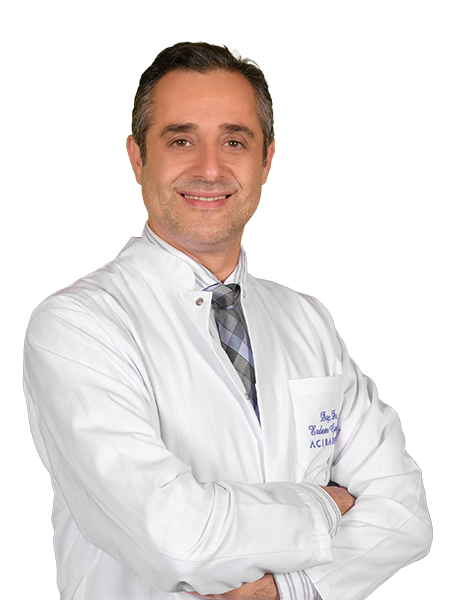
Assoc. Prof. Dr. Erdem Güven (m)
Aesthetic Plastic & Reconstructive Surgery
Prof. Dr. Şükrü Yazar
Aesthetic Plastic & Reconstructive Surgery
Prof. Dr. Hakan Ağır
Aesthetic Plastic & Reconstructive Surgery
Prof. Dr. Bülent Saçak
Aesthetic Plastic & Reconstructive Surgery