Neuromodulation for Neurological Symptoms: How It Works
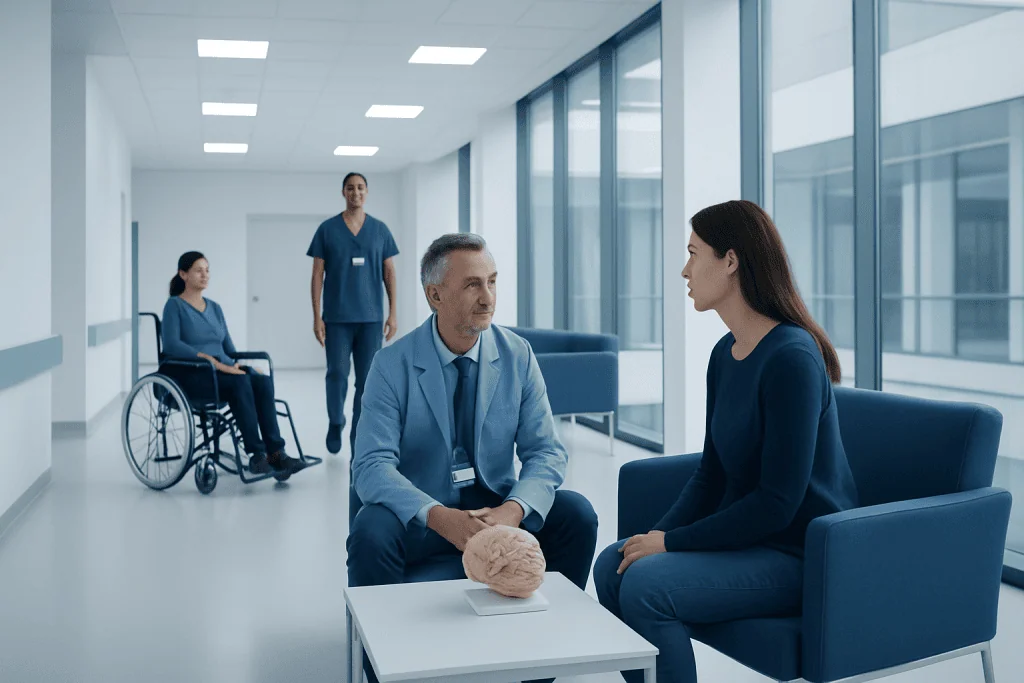
Neuromodulation works by using electrical, magnetic, or chemical signals to influence nerve pathways. It may help selected people with chronic pain, movement disorders, epilepsy, spasticity, and some headache conditions.
Key Takeaways
- Neuromodulation works by using electrical, magnetic, or chemical signals to influence nerve pathways.
- It may help selected people with chronic pain, movement disorders, epilepsy, spasticity, and some headache conditions.
- Treatment is individualized and usually follows careful neurological evaluation and imaging.
- Some neuromodulation methods are noninvasive, while others involve implanted devices.
- The goal is symptom control and improved quality of life rather than a cure for the underlying condition.
Neuromodulation is a group of treatments that changes nerve activity to help control certain neurological symptoms. It may reduce pain, tremor, stiffness, or other difficult symptoms when medicines and rehabilitation alone are not enough.
Overview: What Neuromodulation Means
Neuromodulation refers to medical techniques that change how the nervous system sends or processes signals. The nervous system includes the brain, spinal cord, and peripheral nerves, and symptoms can develop when these pathways become overactive, underactive, or disorganized. By adjusting nerve activity, neuromodulation may ease symptoms such as chronic pain, tremor, muscle stiffness, abnormal movements, or some forms of headache.
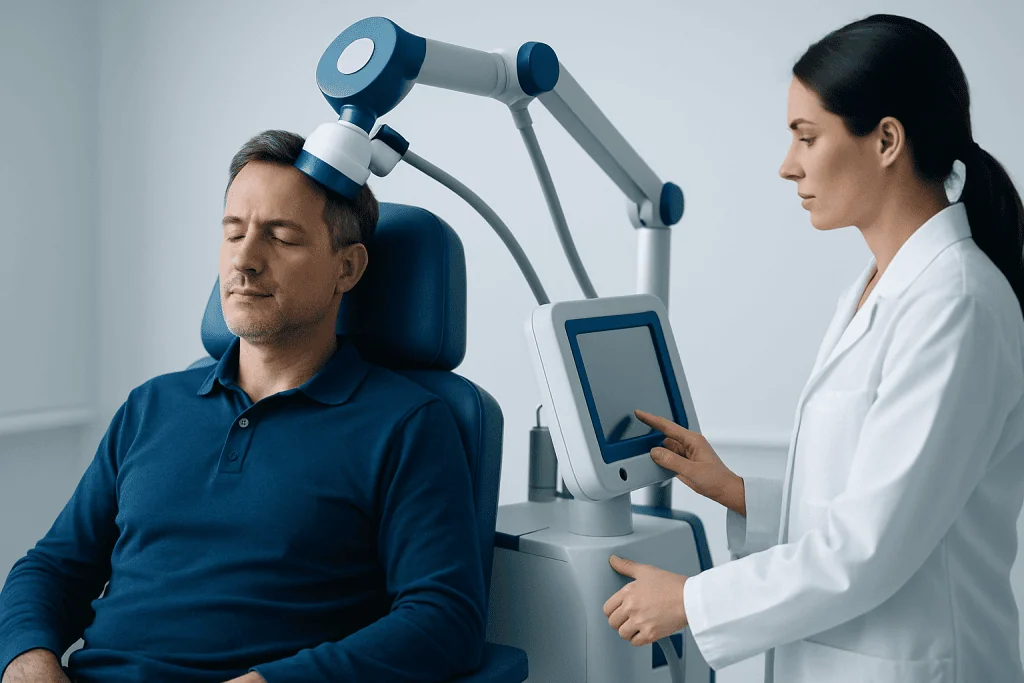
These treatments can be temporary or long term. Some are noninvasive and use external devices, such as magnetic or electrical stimulation applied through the skin or scalp. Others are minimally invasive or surgical and involve placing a device near nerves, the spinal cord, or specific brain regions. The exact approach depends on the symptom pattern, diagnosis, overall health, and treatment goals.
Neuromodulation is not one single therapy. It is a broad field that includes spinal cord stimulation, deep brain stimulation, vagus nerve stimulation, intrathecal drug delivery, and other targeted approaches. In neurological care, it is often considered when standard treatment has not provided enough relief, or when a person has disabling symptoms that significantly affect daily life.
Which Neurological Symptoms It May Help
Neuromodulation may be used for a range of neurological symptoms, but it is most helpful in carefully selected conditions. It is commonly considered for chronic neuropathic pain, certain movement disorders, tremor, dystonia, spasticity, refractory epilepsy, and some severe headache disorders. In some cases, it may also support rehabilitation or symptom control after neurological injury.
Examples include tremor associated with essential tremor, abnormal postures or twisting movements seen in dystonia, and some pain syndromes related to nerve damage or spinal disease. Specialists may also consider neuromodulation in selected patients with facial pain such as trigeminal neuralgia, although the best approach varies from person to person.
Not every neurological symptom is suitable for neuromodulation. The treatment is generally considered when symptoms are persistent, significantly affect quality of life, and have not improved enough with medications, physical therapy, psychological support, or other standard treatments. A neurologist will also consider whether the symptom comes from a pathway that can realistically be influenced by stimulation or targeted drug delivery.
- Chronic neuropathic pain
- Tremor and movement disorders
- Dystonia and some forms of spasticity
- Drug-resistant epilepsy in selected cases
- Certain headache and facial pain disorders
How Neuromodulation Works
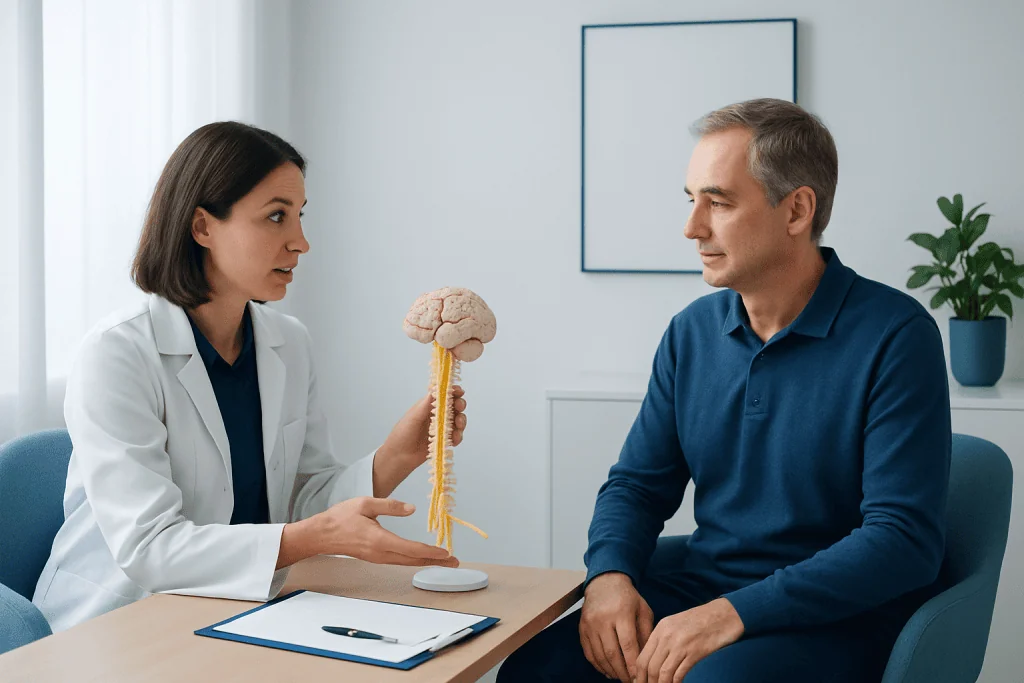
The nervous system communicates through electrical and chemical signals. Neuromodulation changes these signals in a controlled way. Depending on the technique, it may interrupt pain messages, calm overly active circuits, improve coordination between brain regions, or enhance pathways that have become less effective. Although the details differ across treatments, the basic idea is to restore more balanced signaling.
For example, spinal cord stimulation sends mild electrical impulses to the spinal cord to reduce the perception of pain. Deep brain stimulation targets small, specific brain areas involved in movement control. Vagus nerve stimulation affects broader brain networks through a major nerve in the neck. Intrathecal therapies deliver medication directly around the spinal cord, allowing targeted effects at lower overall doses than oral treatment in some situations.
Neuromodulation does not usually repair the original cause of a neurological disorder. Instead, it aims to improve symptom control, function, and comfort. In some people the benefit is substantial, while in others it is more modest. Because outcomes vary, many treatment plans include a trial phase, close follow-up, and ongoing adjustment of settings or medications.
Common Types of Neuromodulation
There are several established forms of neuromodulation. Deep brain stimulation, often discussed in relation to tremor and other movement disorders, involves implanting electrodes into carefully chosen brain targets connected to a pulse generator. It may help reduce tremor, rigidity, slowness, or involuntary movements in selected patients. Spinal cord stimulation places leads near the spinal cord to help manage chronic pain that has not responded well to other treatments.
Other options include peripheral nerve stimulation, which targets specific nerves; vagus nerve stimulation, which may help some people with difficult-to-control epilepsy; and transcranial magnetic stimulation, a noninvasive method that uses magnetic fields to influence brain activity. Intrathecal baclofen therapy may be used for severe spasticity, while intrathecal pumps can also deliver other medications in selected settings.
Choosing among these treatments requires a clear diagnosis and careful testing. Some people also benefit from specialized studies such as neurophysiology or advanced imaging through neuroradiology to better understand how the nervous system is functioning. When a procedure is being considered, patients are usually assessed by a multidisciplinary team that may include neurologists, neurosurgeons, pain specialists, rehabilitation physicians, and psychologists.
Who May Be a Candidate and How Diagnosis Is Made
A person may be considered for neuromodulation when symptoms remain troublesome despite standard treatment, when side effects of medication are difficult to manage, or when the pattern of symptoms suggests a good chance of benefit from targeted stimulation. The process begins with confirming the diagnosis and understanding exactly which symptoms are causing the most disability.
Assessment often includes a detailed neurological examination, a review of medication response, and imaging such as MRI or CT when needed. Some patients may need nerve studies, EEG, or other functional tests. Doctors also look for issues that could affect safety or success, such as untreated infection, bleeding risks, severe cognitive problems, or major uncontrolled mental health concerns.
Goals are discussed openly before treatment. For example, a person with tremor may hope for easier eating, writing, or dressing, while a person with chronic pain may aim for better sleep and mobility. Setting realistic expectations is important. Neuromodulation may lessen symptoms, but it does not guarantee complete relief, and many patients still need medication, exercise, or rehabilitation afterward.
Treatment Process, Benefits, and Possible Risks
The treatment process depends on the type of neuromodulation. Noninvasive methods are usually performed in outpatient sessions over days or weeks. Implantable methods involve a procedure, and some include a test phase before permanent placement. After implantation, doctors program the device and adjust settings over time to match symptom changes and daily needs.
Potential benefits include reduced pain, fewer involuntary movements, better physical function, improved participation in daily activities, and in some cases lower reliance on certain medications. For people with selected headache conditions, care may be coordinated with services such as headache medicine or the broader field of neuromodulation to determine whether a device-based approach is appropriate.
As with any medical treatment, risks are possible. These vary by technique and may include temporary discomfort, skin irritation, dizziness, infection, bleeding, hardware problems, lead movement, or side effects related to stimulation settings. Brain and spinal procedures require especially careful planning because they are more invasive. Most side effects can be managed by changing settings or providing additional treatment, but urgent symptoms should always be reviewed quickly by a doctor.
Recovery, Follow-Up, and Self-Care
Recovery after neuromodulation is usually gradual rather than immediate. Some people notice benefits soon after treatment starts, while others need repeated programming visits or time for rehabilitation before improvements become clear. Follow-up is essential because the nervous system and symptoms can change, and devices may need adjustment to maintain benefit.
Self-care remains important even when neuromodulation is successful. Patients are often advised to continue prescribed exercises, sleep routines, stress management, and medication plans. For chronic neurological symptoms, a combination of therapies often works better than any single approach. Physical therapy, occupational therapy, psychological support, and lifestyle changes can all help maximize results.
People with implanted devices should follow practical safety instructions, such as keeping follow-up appointments, reporting any redness or swelling near the device, and asking their care team about MRI compatibility, travel screening, and activity restrictions. Near the end of the care pathway, some international patients may choose centers such as Acibadem International, where multidisciplinary specialists in JCI-accredited hospitals evaluate and treat neurological symptoms with modern diagnostic and therapeutic options.
When to See a Doctor
A doctor should be consulted when neurological symptoms are persistent, worsening, or interfering with everyday life. Tremor, unusual movements, severe pain, repeated headaches, fainting episodes, weakness, numbness, or seizures should not be self-diagnosed. Early evaluation helps identify whether symptoms are due to a condition that may benefit from medication, rehabilitation, a procedure, or another form of specialist care.
Anyone considering neuromodulation should see a neurologist or an appropriate specialist rather than relying on general information alone. Urgent medical attention is needed for sudden severe headache, new weakness, facial drooping, confusion, loss of consciousness, or symptoms that suggest stroke or another acute neurological emergency. People who already have an implanted device should also seek prompt review if they develop fever, wound redness, sudden loss of benefit, severe new pain, or unexpected changes in stimulation.
Because neuromodulation is highly individualized, the safest approach is a structured medical assessment with expert guidance. This ensures that symptoms are correctly diagnosed, alternatives are considered, and any treatment plan is tailored to the person’s needs and health status.
Frequently asked questions
Is neuromodulation the same as surgery?
Not always. Some neuromodulation treatments are noninvasive and are performed from outside the body, while others involve implanting electrodes or pumps. The best option depends on the condition being treated and how severe the symptoms are.
Can neuromodulation cure a neurological disease?
In most cases, neuromodulation is designed to control symptoms rather than cure the underlying disease. It may improve function and quality of life by changing abnormal nerve signaling. People often still need medicines, rehabilitation, or ongoing follow-up.
Who is a good candidate for neuromodulation?
Good candidates are usually people with clearly diagnosed symptoms that remain difficult to manage despite standard treatment. Doctors also look at overall health, treatment goals, imaging results, and whether the expected benefits outweigh the risks. A multidisciplinary assessment is often part of the decision.
Is neuromodulation painful?
Many people tolerate neuromodulation well, but comfort depends on the type of treatment. Noninvasive methods may cause mild temporary discomfort or tingling, while implantable procedures can involve postoperative soreness. The care team usually provides strategies to keep the process as comfortable as possible.
How long does it take to see results?
Some patients notice improvement quickly, while others need several adjustment sessions or a longer recovery period. The timeline varies with the condition, the type of neuromodulation, and the body's response. Regular follow-up is important to optimize the effect.
Are there risks with implanted neuromodulation devices?
Yes, as with any implanted device, there can be risks such as infection, bleeding, hardware malfunction, or lead movement. Stimulation settings may also need adjustment if side effects occur. Careful patient selection and follow-up help reduce these risks.
References
- World Health Organization
- National Institute of Neurological Disorders and Stroke
- American Academy of Neurology
- National Institute for Health and Care Excellence
- International Neuromodulation Society
This article is for general information only and is not a substitute for professional medical advice. Please consult a qualified doctor about your individual situation.
Neuromodulation in Turkey — costs, top hospitals & a free quote
JCI-accredited · board-certified surgeons · reply within 24h
Add us as a Preferred Source to see more of our trusted health content across Google Search, AI Overviews and Discover.

Neurology
Diagnosis and treatment of disorders of the brain, spinal cord, nerves and muscles.
51 specialists in this unit