Neuromodulation for Tremor: When Device-Based Treatment Is Considered
Neuromodulation is most often considered for disabling tremor that does not respond well to medication. Deep brain stimulation is the best-known neuromodulation option and can help selected people with essential tremor or Parkinson-related tremor.
Key Takeaways
- Neuromodulation is most often considered for disabling tremor that does not respond well to medication.
- Deep brain stimulation is the best-known neuromodulation option and can help selected people with essential tremor or Parkinson-related tremor.
- Careful diagnosis is important because treatment choices depend on the type and cause of tremor.
- A multidisciplinary evaluation helps balance possible benefits, limits, and risks before a device-based procedure.
- Neuromodulation can improve function and quality of life, but it does not cure the underlying neurological condition.
Neuromodulation for tremor refers to device-based treatments that change abnormal brain signaling to reduce shaking. It is usually considered when tremor significantly affects daily life and medicines are not effective enough or are not well tolerated.
Overview: What Neuromodulation for Tremor Means
Neuromodulation for tremor is a treatment approach that uses implanted or externally delivered technology to adjust abnormal nerve activity linked to involuntary shaking. Tremor can happen for different reasons, but in many people it results from disrupted signaling in brain circuits that help control movement. When these circuits are modulated in a targeted way, tremor may become less severe and daily tasks may become easier.
The most established form of neuromodulation for tremor is deep brain stimulation, often called DBS. In DBS, thin electrodes are placed in carefully selected brain targets and connected to a pulse generator that sends controlled electrical signals. The goal is not to destroy brain tissue, but to influence how movement pathways work so tremor becomes more manageable.
Neuromodulation is generally not the first treatment used. Doctors usually begin with confirming the tremor type, looking for reversible causes, and trying appropriate medications when suitable. Device-based treatment is considered later, especially when tremor remains disabling despite standard medical care.
People often ask whether neuromodulation is only for one diagnosis. In practice, it may be considered for certain individuals with essential tremor, tremor related to Parkinson disease, and selected other movement disorders evaluated through specialized movement disorders care.
When Tremor Becomes a Candidate for Device-Based Treatment
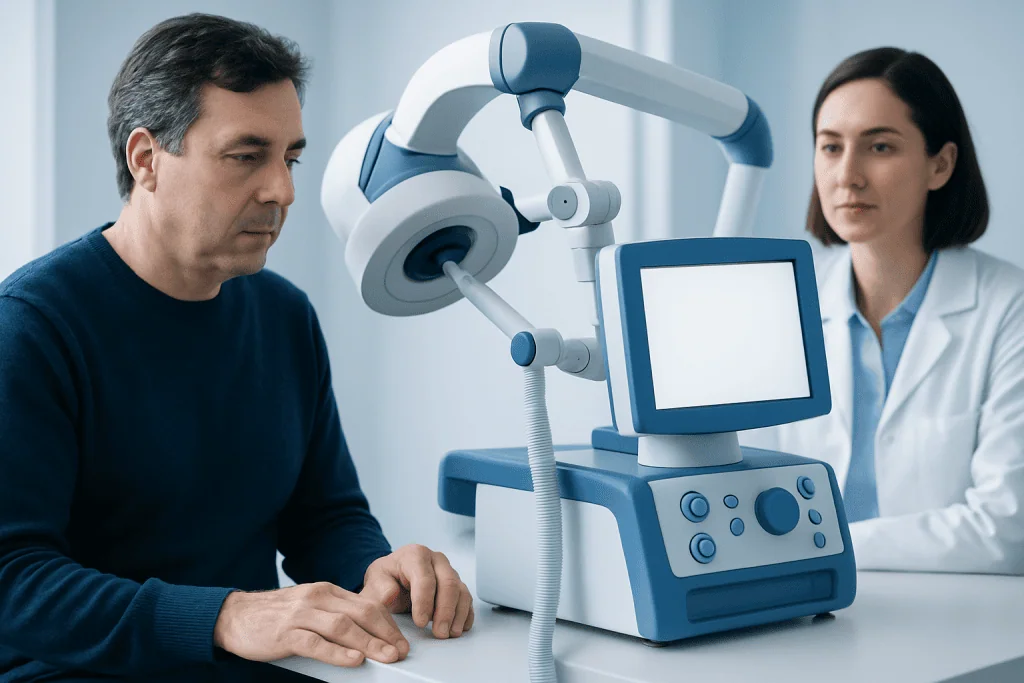
Doctors usually consider neuromodulation when tremor is more than a mild inconvenience. A person may have trouble eating, drinking, writing, using a phone, getting dressed, applying makeup, shaving, or working safely. Some people also experience social embarrassment or fatigue from constantly trying to control shaking. When tremor clearly affects independence or quality of life, more advanced treatment may be discussed.
Another common reason to consider device-based therapy is that medication has not provided enough relief. This may mean the medicines never worked well, helped only partly, or caused side effects such as sleepiness, dizziness, low blood pressure, or slowed thinking. In these cases, the balance between symptom burden and medication burden becomes important.
Not every tremor is suited to neuromodulation. Tremor may occur in essential tremor, Parkinson disease, dystonia, multiple sclerosis, after a stroke, or for other neurological reasons. Because the likely benefit depends on the exact diagnosis, doctors first determine whether the person has a tremor type known to respond reasonably well to DBS or another neuromodulation strategy.
Age alone does not automatically exclude someone from treatment, but overall health matters. The care team considers memory, mood, balance, walking, heart and lung function, and whether the person can safely undergo imaging, surgery, and follow-up programming visits. A realistic understanding of what treatment can and cannot do is also essential.
Types of Tremor and Who May Benefit Most
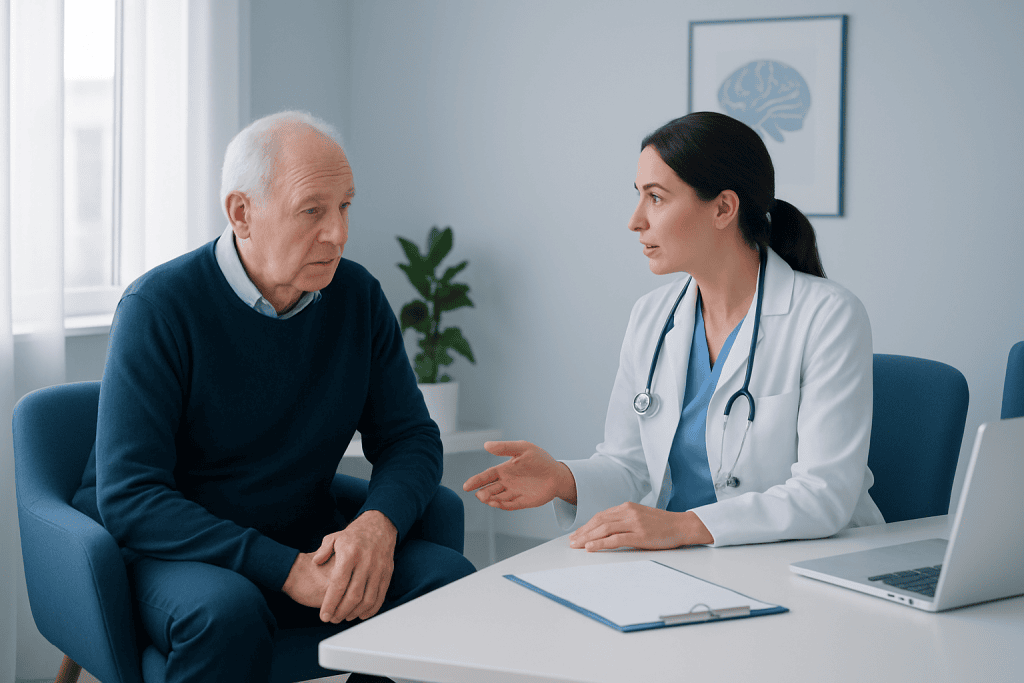
The people most commonly considered for neuromodulation are those with medication-refractory essential tremor or Parkinson-related tremor. Essential tremor often affects the hands but may also involve the head, voice, or other body parts. Parkinson tremor may occur at rest and can be accompanied by slowness, stiffness, and walking changes. These differences matter because treatment targets and expected results are not identical.
In essential tremor, the main aim is usually better control of action tremor so a person can perform hand-based tasks with greater steadiness. In Parkinson disease, DBS may help tremor and may also improve some other motor symptoms depending on the chosen target and the person’s overall symptom pattern. However, neuromodulation is less helpful for every symptom, and some non-motor symptoms may not improve.
Some patients with tremor associated with dystonia or other complex neurological disorders may also be evaluated, but selection tends to be more individualized. Benefit can vary depending on whether tremor is the main problem or part of a broader syndrome. This is one reason specialist review is important before deciding on any procedure.
Specialists also think carefully about goals. One person may want to write and eat independently again, while another may prioritize reducing severe one-sided hand tremor. A clear discussion of the most troublesome symptoms helps doctors decide whether neuromodulation is likely to offer meaningful functional improvement.
How Doctors Evaluate Tremor Before Neuromodulation
A thorough diagnostic workup comes before any device-based treatment. The neurologist first takes a detailed history, including when the tremor started, whether it occurs at rest or during movement, which body parts are involved, what makes it better or worse, and how it affects daily activities. Medication history, caffeine or alcohol effects, family history, and any prior stroke or neurological illness are also reviewed.
A neurological examination helps distinguish tremor from other movement problems and identify signs of Parkinson disease, dystonia, neuropathy, or cerebellar dysfunction. In many cases, doctors also use rating scales or practical task testing, such as writing or drawing spirals, to measure severity. Video documentation may help compare symptoms over time.
Brain imaging is often part of planning, especially if surgery is being considered. MRI or other imaging can help rule out structural causes and guide procedural targeting. Depending on the person’s symptoms, teams may also use specialized testing through neurophysiology or advanced neuroradiology assessment.
Evaluation usually extends beyond tremor itself. Cognitive screening, mood assessment, and review of speech and balance are important because they affect both candidacy and outcomes. This multidisciplinary process helps ensure that neuromodulation is offered to people most likely to benefit while minimizing avoidable risks.
Treatment Options: DBS and Other Neuromodulation Approaches
Deep brain stimulation is the most established neuromodulation treatment for tremor. During this treatment, electrodes are placed in a brain region involved in movement control, and the leads are connected to a battery-powered pulse generator usually implanted under the skin of the chest. After the procedure, specialists program the device over time to find settings that reduce tremor while limiting side effects.
One advantage of DBS is that it is adjustable. Settings can be changed as symptoms evolve, and in some cases stimulation can be delivered to one side or both sides depending on the pattern of tremor. Because the treatment is personalized through follow-up programming, improvement may continue over several visits rather than appearing all at once.
Doctors discuss benefits and limits clearly before treatment. Many people experience meaningful reduction in tremor severity, but the degree of benefit varies. Neuromodulation does not cure the underlying disorder, stop every symptom, or guarantee complete control. Battery replacements or device maintenance may be needed over time depending on the system used.
Risks also need balanced discussion. As with any brain procedure, there can be surgical and device-related complications such as infection, bleeding, hardware problems, temporary confusion, speech changes, balance difficulty, or stimulation-related side effects. Careful planning by teams experienced in interventional neurology and movement disorders care helps reduce these risks and supports safer decision-making.
What Recovery and Follow-Up Usually Involve
Recovery after neuromodulation is a process rather than a single event. After implantation, the person typically has follow-up visits for wound checks, device activation, and gradual programming. Doctors do not simply switch the system on and finish; instead, they fine-tune settings based on symptom response, side effects, and the person’s daily goals.
Medication plans may also need adjustment. Some people continue the same medicines, while others may reduce certain drugs under medical supervision. Physical or occupational therapy can also be useful, especially when tremor has limited hand use, posture, or confidence with daily tasks. Support from family members often helps during this adaptation period.
Results can differ from one symptom to another. Hand tremor often improves more than tremor affecting speech or balance, and outcomes may vary between diagnoses. Patients usually benefit most when they understand that programming is iterative and that several visits may be required to achieve the best practical improvement.
Long-term follow-up remains important. Doctors monitor battery life, hardware function, symptom progression, and any new neurological issues. Near the end of the care pathway, it may be helpful to know that Acibadem International’s multidisciplinary specialists in JCI-accredited hospitals diagnose and treat tremor disorders for international patients, with coordinated assessment and follow-up where appropriate.
When to See a Doctor and Questions to Ask
A person should see a doctor if tremor is new, worsening, or interfering with work, self-care, eating, handwriting, or balance. Medical review is also important if tremor appears with weakness, numbness, walking trouble, confusion, severe headache, or other sudden neurological symptoms. These features may point to a cause that needs prompt attention rather than routine tremor management.
People already diagnosed with essential tremor or Parkinson disease should ask about neuromodulation if symptoms remain troublesome despite treatment. It can help to bring a list of medications tried, side effects experienced, and examples of tasks that are hardest to perform. This information helps the neurologist judge whether device-based therapy might be appropriate.
Useful questions include: What type of tremor is present? Are there reversible causes? What are the goals of treatment in this case? What level of improvement is realistic? What are the short- and long-term risks? How often will programming visits be needed? Clear answers support informed and confident decision-making.
In general, neuromodulation is considered when the expected benefit to function and quality of life outweighs the burdens of ongoing symptoms, medication limitations, and procedural risk. A specialist can explain whether the individual’s tremor pattern, overall health, and personal goals make device-based treatment a reasonable next step.
Frequently asked questions
What is neuromodulation for tremor?
Neuromodulation for tremor is a treatment that changes abnormal nerve signaling involved in shaking. The best-known example is deep brain stimulation, in which implanted electrodes deliver controlled electrical impulses to specific brain areas. It is usually considered when tremor causes significant problems and standard medicines are not enough.
Is deep brain stimulation a cure for tremor?
No. Deep brain stimulation can reduce tremor and improve daily function, but it does not cure the underlying neurological condition. The amount of improvement varies from person to person, and ongoing follow-up is needed to adjust the device over time.
Who is a good candidate for device-based tremor treatment?
Candidates are often people with essential tremor or Parkinson-related tremor that remains disabling despite medication. Doctors also look at overall health, thinking and memory, mood, balance, and whether the tremor type is one that usually responds to neuromodulation. A specialist evaluation is necessary before deciding.
What tests are done before neuromodulation is considered?
The evaluation usually includes a neurological history and examination, review of medications and symptoms, and brain imaging such as MRI for planning. Some people also need cognitive testing, mood assessment, or specialized movement and nerve studies. These tests help confirm the diagnosis and assess safety.
What are the risks of deep brain stimulation for tremor?
Possible risks include infection, bleeding, hardware problems, and side effects related to stimulation such as speech or balance changes. Not everyone has these complications, and many side effects can be reduced by adjusting settings. The treating team explains individual risks based on the person’s health and anatomy.
How long does it take to see results after DBS?
Some improvement may be noticed soon after activation, but the best results often take time. Programming is usually adjusted over several visits to find the settings that provide the most helpful tremor control with the fewest side effects. Recovery and adaptation therefore happen gradually.
References
- National Institute of Neurological Disorders and Stroke
- National Institute for Health and Care Excellence
- International Parkinson and Movement Disorder Society
- American Academy of Neurology
- MedlinePlus
This article is for general information only and is not a substitute for professional medical advice. Please consult a qualified doctor about your individual situation.
Neuromodulation in Turkey — costs, top hospitals & a free quote
JCI-accredited · board-certified surgeons · reply within 24h
Add us as a Preferred Source to see more of our trusted health content across Google Search, AI Overviews and Discover.
Check your numbers in seconds
BMI, calories, due date, blood pressure and 30+ more clinical calculators — free, instant, doctor-reviewed ranges.

Neurology
Diagnosis and treatment of disorders of the brain, spinal cord, nerves and muscles.
51 specialists in this unit