Neuropsychology Assessment After Brain Injury: What Patients and Families Can Expect

A neuropsychology assessment measures thinking skills such as memory, attention, language, problem-solving, and processing speed. Testing can also explore mood, behavior, fatigue, and emotional changes that often affect recovery after brain injury.
Key Takeaways
- A neuropsychology assessment measures thinking skills such as memory, attention, language, problem-solving, and processing speed.
- Testing can also explore mood, behavior, fatigue, and emotional changes that often affect recovery after brain injury.
- Results are used to guide rehabilitation, return-to-work or school planning, and practical support at home.
- The assessment is usually not painful, but it can be mentally tiring and may take several hours or more than one visit.
- Family observations are often helpful because loved ones may notice changes in daily functioning that patients do not recognize.
- The report does not judge intelligence or effort; it aims to understand strengths, challenges, and the best next steps for recovery.
A neuropsychology assessment after brain injury helps explain how the injury has affected thinking, emotions, and everyday functioning. It gives patients, families, and clinicians a clearer plan for treatment, rehabilitation, school, work, and home support.
Overview: why neuropsychology assessment matters after brain injury
A neuropsychology assessment after brain injury is a detailed evaluation of how the brain is working in real life. It looks at skills such as attention, memory, language, planning, speed of thinking, visual-spatial abilities, and emotional adjustment. The goal is not simply to label a problem, but to understand a person’s strengths and challenges so care can be tailored to their needs.
Brain injuries can happen for many reasons, including concussion, traumatic brain injury, lack of oxygen, infection, tumors, or bleeding in the brain. Recovery may be affected by the location and severity of injury, age, previous health, sleep, pain, medications, and emotional stress. Because of this, two people with the same diagnosis may have very different symptoms and support needs.
Neuropsychological testing is often recommended after conditions such as stroke, traumatic head injury, or chronic subdural hematoma when there are concerns about thinking, behavior, or day-to-day independence. The findings can help explain why tasks that once felt easy now seem confusing, slow, or exhausting. This can be reassuring for families, because it provides a medical explanation for changes they may have noticed.
The assessment also helps the wider rehabilitation team. Doctors, therapists, schools, and employers can use the results to plan treatment, improve communication, reduce frustration, and set realistic goals for recovery.
What symptoms or changes may lead to testing
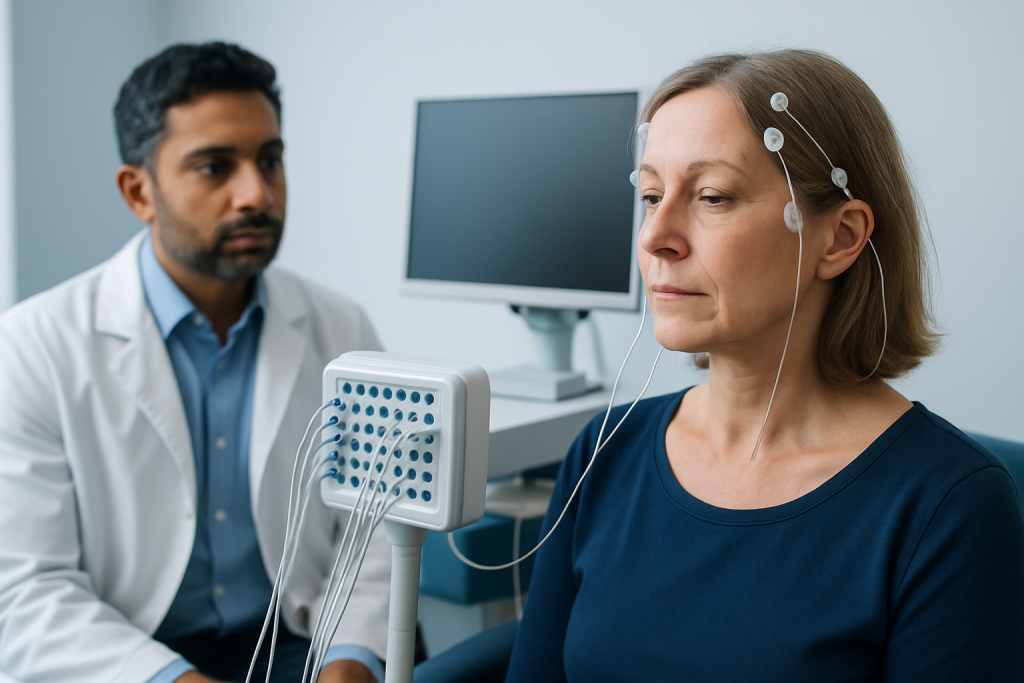
Not everyone with a brain injury needs formal neuropsychological testing right away. However, an assessment may be helpful if a person has persistent problems with concentration, memory, word-finding, decision-making, planning, organization, or mental speed. Some people notice they are more easily overwhelmed, make unusual mistakes, or struggle to return to work, school, driving, or household responsibilities.
Emotional and behavioral changes are also important reasons for referral. After brain injury, a person may become more irritable, anxious, impulsive, tearful, or less aware of their own limitations. Sleep problems, headaches, fatigue, and sensory overload can worsen cognitive symptoms and should be considered as part of the overall picture.
Family members are often the first to notice subtle changes. For example, they may see that the person repeats questions, loses track of conversations, mismanages finances, or has difficulty following multistep instructions. In children and teenagers, teachers may notice changes in learning, attention, behavior, or classroom performance.
Testing is especially useful when symptoms continue longer than expected, when the diagnosis is unclear, or when there are important decisions to make about rehabilitation, independence, school accommodations, or work capacity. It can also help distinguish cognitive effects of brain injury from symptoms related to depression, anxiety, sleep disturbance, pain, or other medical conditions.
What the assessment includes
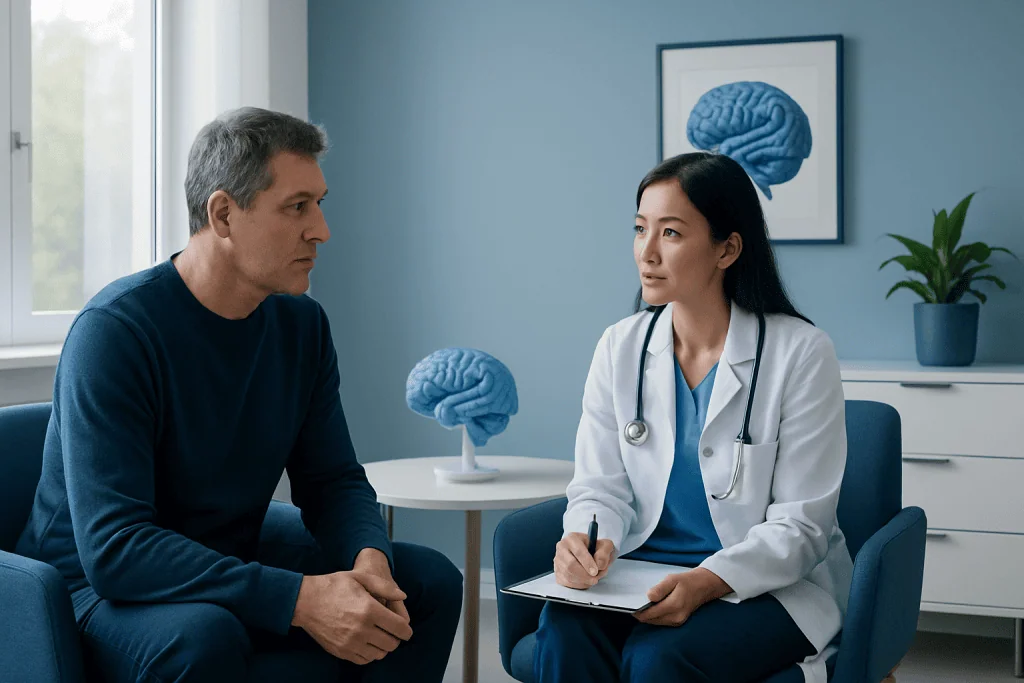
A neuropsychology assessment usually begins with a detailed clinical interview. The neuropsychologist asks about the injury itself, current symptoms, medical history, education, work, mood, sleep, medications, and daily functioning. If possible, information from a family member or caregiver may be included, because outside observations can add valuable context.
The testing portion involves structured tasks using paper-and-pencil activities, spoken questions, puzzles, rating scales, and sometimes computer-based tests. These tasks are designed to measure different brain functions in a standardized way. The person may be asked to remember words or stories, copy shapes, solve problems, name objects, switch attention between tasks, or respond quickly to visual or verbal information.
Common areas assessed may include:
- Attention and concentration
- Learning and memory
- Language and communication
- Processing speed
- Executive functions such as planning, judgment, and mental flexibility
- Visual-spatial and visual-motor skills
- Mood, anxiety, stress, and personality factors
- Daily functioning and independence
The exact tests depend on the person’s age, language, education, culture, symptoms, and referral question. The neuropsychologist may also review brain scans, medical records, or findings from related services such as neurophysiology testing or neuroradiology evaluation when relevant.
How to prepare and what to expect on the day
For many patients and families, one of the biggest concerns is what the day will feel like. In most cases, the assessment is noninvasive and not physically painful. It does require mental effort, though, and some people find it tiring. Depending on the reason for referral, testing may take a few hours or be split across more than one session.
It helps to arrive well rested, if possible, and to bring glasses, hearing aids, medication lists, and any relevant medical or school records. Patients should generally eat beforehand unless they were given different instructions. Comfortable clothing and planned breaks can make the process easier, especially for those dealing with fatigue, pain, dizziness, or headaches.
Families can support the process by sharing clear examples of day-to-day changes. It is useful to note when symptoms started, what makes them better or worse, and whether there are concerns about work, school, medication management, finances, or safety at home. Honest information is more helpful than trying to “perform well.” The assessment works best when it reflects real life.
People sometimes worry that they may fail the tests. In reality, the assessment is not a school exam and there is no pass-or-fail result. The aim is to understand the brain’s current functioning and identify the right support, not to judge character, intelligence, or motivation.
How results are interpreted and used
After testing, the neuropsychologist compares performance with expected ranges for someone of a similar age and background. Patterns across different tasks are often more informative than a single score. For example, a person may have strong language but weaker attention and processing speed, or good recognition memory but difficulty with free recall and organization.
The interpretation also takes into account mood, sleep, pain, medication effects, and effort during testing. This is important because cognitive symptoms after brain injury are rarely caused by one factor alone. A careful assessment helps show whether problems are most consistent with direct brain effects, emotional distress, fatigue, or a combination of these.
The final report usually explains strengths, areas of difficulty, and how these may affect everyday life. Recommendations may include rehabilitation therapies, school supports, return-to-work planning, compensatory strategies, counseling, follow-up testing, or referral to other specialists. If emotional or behavioral symptoms are prominent, referral for neuropsychiatry support may be appropriate alongside cognitive rehabilitation.
These results can be especially valuable during recovery because they make care more targeted. Instead of using a one-size-fits-all approach, the team can focus on the specific skills most affected and build on abilities that remain strong.
Treatment, rehabilitation, and practical next steps
A neuropsychology assessment does not treat the injury by itself, but it often shapes the treatment plan. Recommendations may include speech and language therapy, occupational therapy, physical rehabilitation, psychological support, sleep evaluation, headache management, or medications prescribed by the treating physician when appropriate. The exact plan depends on the cause and effects of the injury.
For some people, the most helpful interventions are practical strategies rather than medical procedures. These might include using calendars and reminders, simplifying routines, breaking tasks into smaller steps, reducing distractions, pacing activities, and scheduling demanding tasks for times of day when energy is better. Family education is often a key part of care, because understanding the reason behind cognitive changes can reduce conflict and frustration.
Follow-up assessment may be recommended when symptoms change over time or when important life transitions are approaching, such as returning to school or work. In children, reassessment can be particularly useful because brain development continues and new academic demands may reveal challenges that were not obvious earlier. Where indicated, patients may also benefit from specialist neuropsychology rehabilitation support within a broader rehabilitation program.
Near the end of the care pathway, some patients and families seek coordinated support from centers that bring different specialists together. Acibadem International’s multidisciplinary teams and JCI-accredited hospitals diagnose and treat brain injury-related cognitive and neurological problems for international patients.
Self-care, family support, and when to seek medical advice
Recovery after brain injury is often gradual, and self-care can make a meaningful difference. Good sleep habits, regular hydration, balanced meals, gentle physical activity as advised by a clinician, and careful pacing can all support brain function. It is also helpful to reduce multitasking, allow extra time for conversations and decisions, and keep routines consistent.
Families can help by offering calm, practical support instead of repeated correction. Writing down appointments, using shared reminders, and providing one instruction at a time may improve independence without creating pressure. Emotional support matters as much as cognitive support, because frustration, grief, and loss of confidence are common during recovery.
Medical advice should be sought if there are new or worsening symptoms such as increasing confusion, severe headache, repeated vomiting, fainting, new weakness, seizures, major personality change, or sudden changes in speech or vision. These symptoms may need urgent evaluation, especially after a recent head injury. Ongoing problems with memory, attention, mood, sleep, or daily functioning also deserve review even if they seem less dramatic.
A neuropsychology assessment is most useful when it is part of a broader medical picture. If patients or families have concerns, speaking with a neurologist, rehabilitation doctor, or qualified neuropsychologist is a sensible next step. Early guidance can help set expectations, reduce uncertainty, and support the best possible recovery.
Frequently asked questions
How soon after a brain injury should neuropsychological testing be done?
The timing depends on the type of injury, the person’s symptoms, and the reason for the referral. Some assessments are done relatively early to guide rehabilitation, while others are scheduled later when symptoms persist or when return-to-work or school decisions are needed. The treating doctor or neuropsychologist can advise on the most useful timing.
Is a neuropsychology assessment the same as a brain scan?
No. Brain scans such as CT or MRI show the structure of the brain, while a neuropsychology assessment shows how the brain is functioning in daily tasks like remembering, focusing, planning, and communicating. Both can be valuable, but they answer different questions.
Can the assessment show whether memory problems are real?
The assessment can often clarify the pattern and likely causes of memory problems. It looks at different aspects of memory and also considers attention, fatigue, mood, sleep, and other factors that affect performance. This helps clinicians understand whether the difficulties fit with brain injury and what kind of support may help.
What if the patient becomes tired or upset during testing?
This is common, especially after brain injury. The neuropsychologist can usually provide breaks, adjust the pace, or split testing into more than one session if needed. Fatigue itself can also be useful clinical information because it reflects how the brain is coping with mental effort.
Will the results help with work or school accommodations?
Yes, they often do. The report may identify specific difficulties such as slowed processing speed, reduced attention, or memory weakness and recommend practical accommodations. These may include extra time, reduced distraction, written instructions, rest breaks, or a gradual return plan.
Can family members attend the appointment?
In many cases, yes, at least for part of the visit. A relative or caregiver may provide helpful information about changes in behavior, memory, and daily functioning. The exact arrangement depends on the clinic, the patient’s preferences, and the goals of the assessment.
References
- World Health Organization
- Centers for Disease Control and Prevention
- National Institute of Neurological Disorders and Stroke
- American Psychological Association
- Brain Injury Association of America
This article is for general information only and is not a substitute for professional medical advice. Please consult a qualified doctor about your individual situation.
Neuropsychology in Turkey — costs, top hospitals & a free quote
JCI-accredited · board-certified surgeons · reply within 24h
Add us as a Preferred Source to see more of our trusted health content across Google Search, AI Overviews and Discover.

Neurology
Diagnosis and treatment of disorders of the brain, spinal cord, nerves and muscles.
51 specialists in this unit