Pancreatitis Recovery: Diet, Alcohol, and Follow-Up After Hospital Treatment

Pancreatitis recovery often involves gradual eating, good hydration, and rest while the pancreas heals. Alcohol should be avoided after pancreatitis, especially if alcohol may have contributed to the attack.
Key Takeaways
- Pancreatitis recovery often involves gradual eating, good hydration, and rest while the pancreas heals.
- Alcohol should be avoided after pancreatitis, especially if alcohol may have contributed to the attack.
- Follow-up visits help doctors check for complications, identify the cause, and prevent recurrence.
- Dietary needs vary, but many people do best with small, lower-fat meals during early recovery.
- Urgent symptoms such as worsening pain, vomiting, fever, jaundice, or trouble breathing need prompt medical attention.
Recovery after pancreatitis continues well beyond hospital discharge. Most people need a careful return to eating, complete avoidance of alcohol in many cases, treatment of the underlying cause, and follow-up care to support healing and reduce the risk of another attack.
Overview of Pancreatitis Recovery
Pancreatitis is inflammation of the pancreas, an organ that helps with digestion and blood sugar control. Recovery depends on whether the episode was acute, meaning sudden, or chronic, meaning long-lasting and recurrent. Many people improve steadily after hospital treatment, but the healing process can continue for days to weeks, and sometimes longer if the inflammation was severe.
After discharge, the main goals are to let the pancreas recover, restore nutrition and strength, manage pain safely, and address the cause of the attack. Common causes include gallstones, alcohol use, high triglycerides, certain medicines, infections, and structural problems affecting the bile or pancreatic ducts. If the cause is not identified and treated, pancreatitis may return.
Some patients recover after a single episode and do not have lasting problems. Others may develop digestive symptoms, weight loss, diabetes, or repeated attacks. Understanding pancreatitis and the need for follow-up can help patients notice warning signs early and support a safer, steadier recovery.
What to Expect After Leaving the Hospital
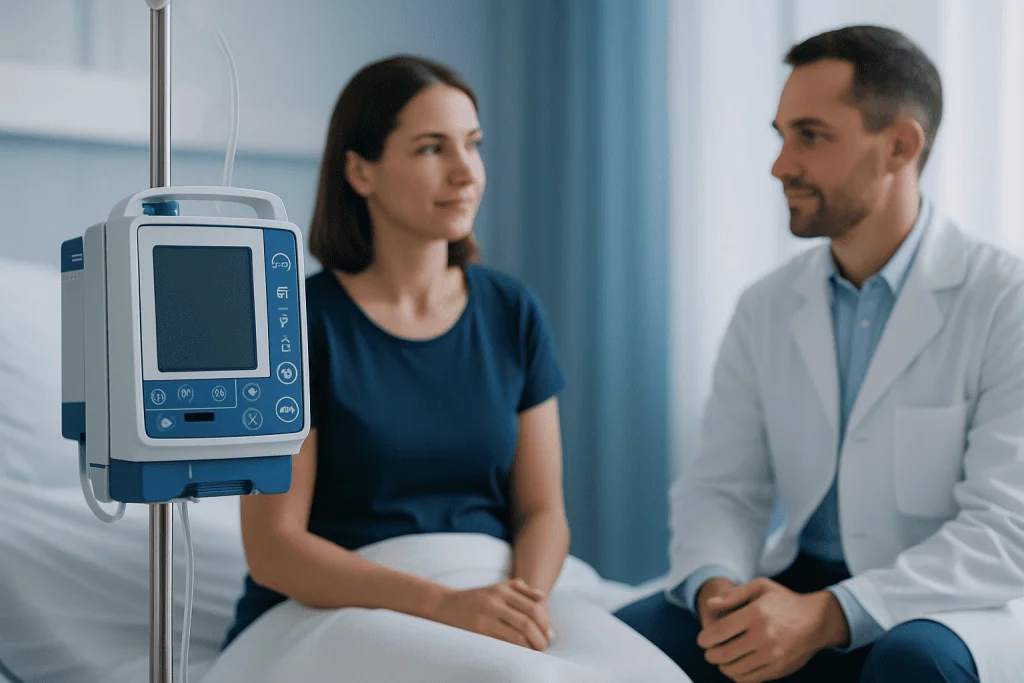
In the first phase of recovery, it is common to feel tired, have a reduced appetite, or notice mild abdominal discomfort. These symptoms often improve gradually. A healthcare team may recommend rest, fluids, and a slow return to normal daily activities rather than trying to do too much at once.
Many people are discharged with advice on pain relief, nausea control, and eating. If eating was difficult in the hospital, appetite may take time to return. Small meals are often easier to tolerate than large ones. It can also help to keep a simple record of symptoms, meals, bowel changes, and weight, especially if symptoms fluctuate.
Recovery may be longer after severe pancreatitis. Some patients need repeated blood tests, scans, or specialist visits to check for fluid collections, infection, blocked ducts, or poor digestion. When symptoms continue or return, specialist assessment such as advanced digestive evaluation or dedicated care for pancreatitis treatment and follow-up may be helpful.
Diet After Pancreatitis

Diet is an important part of pancreatitis recovery, but there is no single plan that suits everyone. Early on, many people do better with simple, smaller, lower-fat meals that are easier to digest. The aim is to support nutrition without overloading the digestive system while the pancreas heals.
Foods often tolerated during early recovery include toast, rice, pasta, potatoes, oatmeal, soups, bananas, applesauce, yogurt if tolerated, lean poultry, fish, and cooked vegetables. Fried foods, rich sauces, very fatty meats, and heavy desserts may worsen nausea, bloating, or pain for some people. Hydration also matters, especially if there has been vomiting or poor intake.
If weight loss, greasy stools, bloating, or ongoing diarrhea develop, digestion may be affected. In some cases, doctors prescribe pancreatic enzyme replacement to help the body absorb nutrients. A dietitian can tailor meal planning, especially for people with diabetes, high triglycerides, chronic pancreatitis, or coexisting digestive conditions such as gallstones or fatty liver disease.
- Choose small, regular meals rather than large portions.
- Limit greasy, fried, and very high-fat foods if they trigger symptoms.
- Drink enough water unless a doctor has advised fluid restriction.
- Include lean protein and easy-to-digest carbohydrate sources.
- Ask about vitamin support if appetite has been poor for a long time.
Alcohol and Smoking After Pancreatitis
Alcohol is a major issue in pancreatitis recovery. If alcohol contributed to the attack, complete avoidance is usually recommended because drinking again can trigger another episode and may increase the risk of chronic pancreatic damage. Even when alcohol was not the clear cause, many specialists advise avoiding it until a doctor confirms it is safe, and in some cases avoiding it long term.
Patients sometimes wonder whether a small amount of alcohol is acceptable once they feel better. Because the pancreas may remain vulnerable after an attack, self-testing with alcohol is not a safe approach. The best plan should come from the treating doctor, who can consider the likely cause of pancreatitis, liver health, medications, and the severity of the illness. This is especially important if there are related liver concerns requiring care such as liver disease evaluation or cirrhosis management.
Smoking also matters. Tobacco use is linked to worse pancreatic health and may raise the risk of recurrent or chronic pancreatitis. Stopping smoking, avoiding alcohol, and getting support for dependence if needed are among the most effective steps a person can take after discharge.
Follow-Up Care and Tests
Follow-up is important because pancreatitis is not only about symptom relief; it is also about finding and treating the cause. A doctor may review hospital findings, repeat blood tests, and decide whether further imaging is needed. Ultrasound, CT, MRI, or endoscopic procedures may be used to look for gallstones, duct blockages, persistent inflammation, or complications.
Some people need planned treatment after the acute episode settles. For example, if gallstones caused pancreatitis, gallbladder treatment may be discussed to lower the chance of another attack. If high triglycerides or medication side effects were involved, the long-term plan may focus on controlling those risks. When the cause is uncertain, a gastroenterologist may arrange additional evaluation.
Patients who have repeated symptoms, significant weight loss, oily stools, or blood sugar changes may need closer monitoring for chronic pancreatitis, malabsorption, or diabetes. Follow-up also creates space to review pain control, nutrition, alcohol avoidance, return to work, exercise, and emotional well-being after a stressful hospitalization.
Managing Symptoms and Supporting Healing at Home
Home recovery is usually based on practical steps: following discharge instructions, taking medicines as prescribed, reintroducing food gradually, and avoiding known triggers. Gentle movement such as short walks can help many people regain strength, but activity should increase slowly. If fatigue is marked, pacing daily tasks is often more helpful than pushing through.
Pain should gradually improve. A person should not ignore pain that is becoming stronger, lasting longer, or returning after it had settled. Nausea, poor appetite, constipation related to pain medicines, and anxiety about eating are also common issues worth discussing with a doctor rather than managing alone.
Mental recovery matters too. A hospital stay for pancreatitis can feel frightening, particularly after severe pain or intensive treatment. Support from family, a dietitian, primary care doctor, and gastroenterologist can make recovery more manageable. Near the end of the recovery pathway, some international patients may seek coordinated care; Acibadem International’s multidisciplinary specialists and JCI-accredited hospitals diagnose and treat pancreatitis and related digestive conditions.
When to See a Doctor Urgently
Most people improve after discharge, but certain symptoms should not be ignored. Worsening upper abdominal pain, repeated vomiting, fever, fainting, dehydration, trouble breathing, or a fast heartbeat can signal complications or a new attack. These symptoms need prompt medical assessment.
Jaundice, which causes yellowing of the skin or eyes, dark urine, or pale stools, may suggest a bile duct problem and should be checked quickly. New swelling of the abdomen, inability to keep fluids down, or confusion are also reasons to seek urgent care. If a patient has diabetes or new blood sugar problems after pancreatitis, very high or very low blood sugar symptoms should be discussed urgently as well.
People should also arrange routine review if recovery seems slow, weight is dropping, bowel habits have changed significantly, or normal eating remains difficult. Early follow-up can help prevent avoidable setbacks and guide treatment before complications become more serious.
Frequently asked questions
How long does pancreatitis recovery take?
Recovery time varies with the severity and cause of pancreatitis. Mild acute pancreatitis may improve over days to a few weeks, while severe pancreatitis or chronic disease can require much longer follow-up and rehabilitation. A doctor can give a more accurate timeline based on symptoms, test results, and any complications.
What should a person eat after pancreatitis?
Many people start with small, simple, lower-fat meals and build up gradually as symptoms improve. Lean protein, soft carbohydrates, cooked vegetables, and plenty of fluids are often easier to tolerate early on. A doctor or dietitian can adjust the plan if there is weight loss, diabetes, or trouble digesting food.
Can alcohol be consumed again after pancreatitis?
In many cases, alcohol should be avoided completely, especially if it may have triggered the attack. Drinking again can increase the risk of recurrent pancreatitis and long-term pancreatic damage. The safest advice is to discuss alcohol directly with the treating doctor rather than assuming small amounts are harmless.
Why is follow-up needed if symptoms are improving?
Feeling better does not always mean the underlying cause has been fully addressed. Follow-up helps doctors check for gallstones, high triglycerides, medication effects, duct problems, or complications that might lead to another attack. It is also useful for reviewing nutrition, pain, digestion, and blood sugar control.
Can pancreatitis cause long-term digestive problems?
Yes, some people develop problems digesting fats and absorbing nutrients, especially after severe or repeated pancreatitis. Signs can include weight loss, bloating, diarrhea, or greasy stools. If this happens, a doctor may assess for pancreatic enzyme insufficiency and recommend treatment.
When should someone return to the hospital after pancreatitis?
Urgent medical care is needed for worsening abdominal pain, repeated vomiting, fever, yellowing of the eyes or skin, dehydration, fainting, or breathing difficulty. These symptoms may suggest complications or another attack. It is better to seek help early rather than wait for symptoms to become severe.
References
- National Institute of Diabetes and Digestive and Kidney Diseases
- American College of Gastroenterology
- National Health Service
- Merck Manual Consumer Version
- World Gastroenterology Organisation
This article is for general information only and is not a substitute for professional medical advice. Please consult a qualified doctor about your individual situation.
Pancreatitis in Turkey — costs, top hospitals & a free quote
JCI-accredited · board-certified surgeons · reply within 24h
Add us as a Preferred Source to see more of our trusted health content across Google Search, AI Overviews and Discover.

Gastroenterology
Diagnosis and treatment of the digestive system and liver, with advanced endoscopy.
43 specialists in this unit