Parkinson Disease Treatment Options: Medicines, Procedures, and Supportive Care

There is no single cure for Parkinson disease, but many treatments can help control symptoms effectively. Medicines such as levodopa and other drug classes are often the main part of treatment.
Key Takeaways
- There is no single cure for Parkinson disease, but many treatments can help control symptoms effectively.
- Medicines such as levodopa and other drug classes are often the main part of treatment.
- Physical, occupational, and speech therapy are important for mobility, safety, and communication.
- Advanced therapies like deep brain stimulation may help some people whose symptoms are harder to control.
- Treatment plans are individualized and may change over time as symptoms and daily needs evolve.
Parkinson disease treatment options are designed to manage symptoms, improve movement, and support quality of life over time. Care often includes a combination of medicines, rehabilitation, lifestyle strategies, and, for some people, advanced procedures.
Overview of Parkinson Disease Treatment
Parkinson disease is a long-term neurological condition that affects movement and can also influence mood, sleep, thinking, and other body functions. Treatment does not usually stop the disease itself, but it can significantly reduce symptoms and help a person stay active and independent for as long as possible. The best approach is usually personalized, because symptoms and treatment responses vary from one person to another.
Most people begin care with medicines that improve movement-related symptoms such as slowness, stiffness, and tremor. Over time, treatment may also include rehabilitation, exercise, nutrition support, and strategies for sleep, mood, or swallowing concerns. A neurologist, often with expertise in movement disorders, typically coordinates care with other specialists.
Parkinson disease treatment changes over the course of the condition. In the earlier stages, a person may respond very well to medication alone. In later stages, doctors may adjust timing, combine therapies, or consider advanced options such as neuromodulation procedures for selected patients.
Common Symptoms That Treatment Aims to Manage
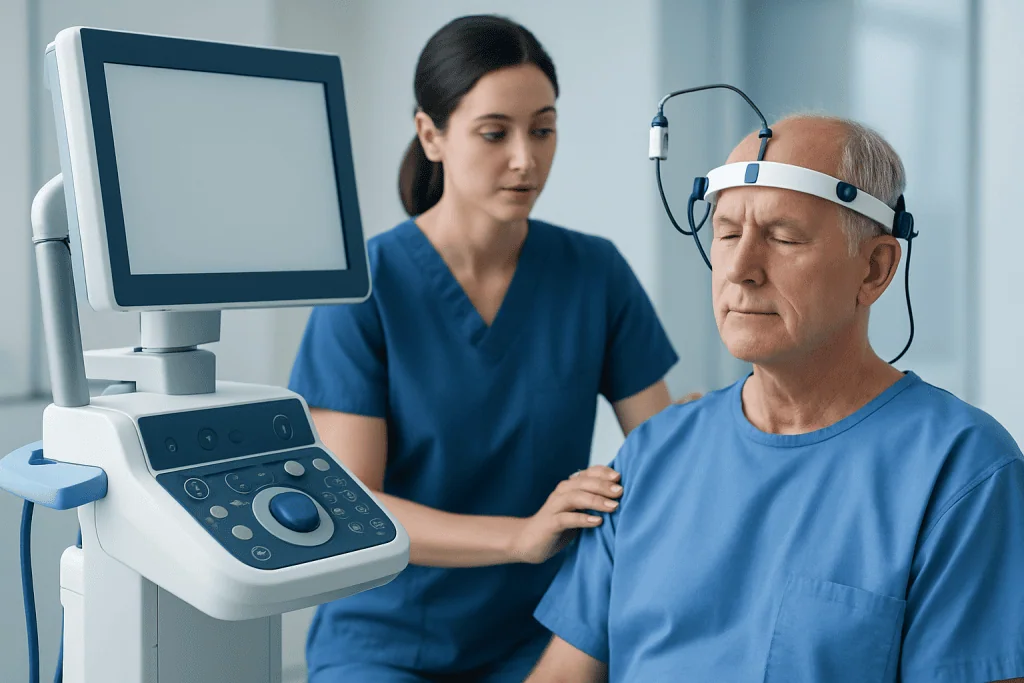
Treatment is guided by the symptoms that most affect daily life. The classic movement symptoms of Parkinson disease include tremor at rest, muscle stiffness, slowed movement, and balance difficulties. However, not every person has all of these symptoms, and the pattern can differ from one individual to another.
Doctors also pay close attention to non-motor symptoms. These may include constipation, reduced sense of smell, sleep problems, fatigue, anxiety, depression, urinary symptoms, and changes in memory or concentration. Sometimes these symptoms are just as disruptive as movement problems and need their own treatment plan.
Because tremor can have more than one cause, doctors may also consider other diagnoses such as essential tremor when symptoms are being evaluated. If abnormal postures or twisting movements occur, related movement problems such as dystonia may also be considered as part of the overall assessment.
- Movement symptoms: tremor, stiffness, slowness, walking changes, balance issues
- Non-motor symptoms: sleep disturbance, constipation, mood changes, fatigue
- Later concerns: swallowing difficulty, speech changes, falls, cognitive changes
Medicines Used in Parkinson Disease
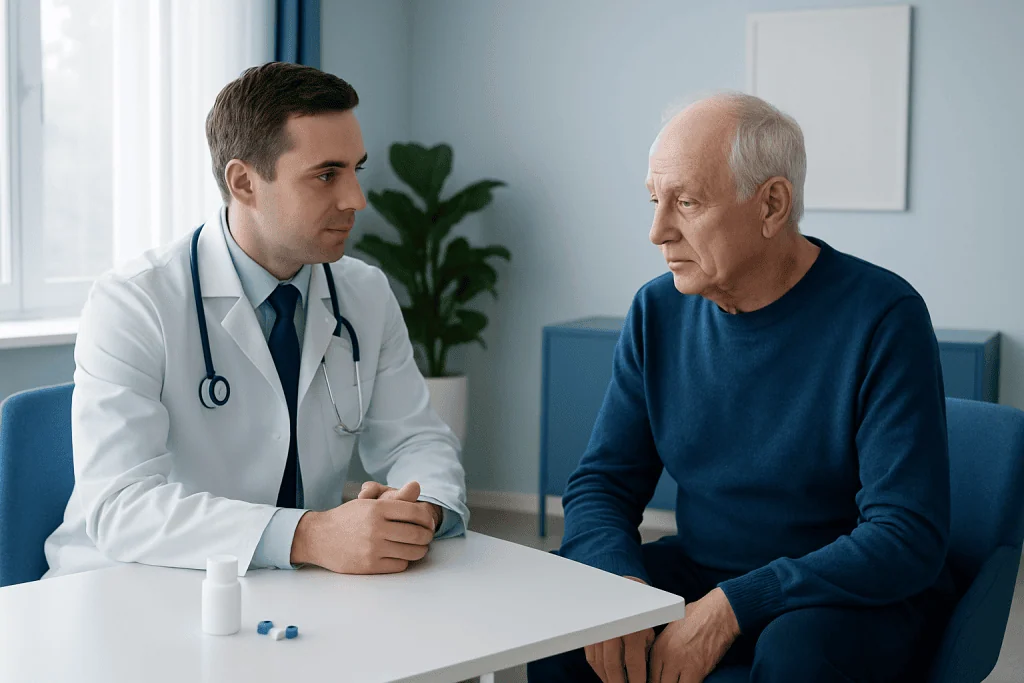
Medication is the foundation of treatment for many people with Parkinson disease. The most effective and widely used medicine is levodopa, usually combined with another medicine that helps more of it reach the brain. Levodopa can improve slowness, stiffness, and often tremor, especially in the earlier years of treatment. Doctors adjust the dose and timing carefully to balance symptom control with side effects.
Other medication groups may also be used. These include dopamine agonists, MAO-B inhibitors, COMT inhibitors, amantadine, and medicines for specific symptoms such as drooling, constipation, sleep problems, or mood changes. Some people take one medicine, while others need a combination. The right regimen depends on age, symptom type, daily routine, and how the person responds over time.
As Parkinson disease progresses, medicines may begin to wear off before the next dose or may cause involuntary movements called dyskinesias. This does not mean treatment has failed; rather, it often means the plan needs fine-tuning. Neurologists may change medication timing, switch formulations, or add supportive therapies. Specialist assessment through services such as geriatric neurology can be especially helpful for older adults with multiple health needs.
All Parkinson medicines can have side effects, including nausea, sleepiness, dizziness, hallucinations, swelling, or low blood pressure in some people. For that reason, medication changes should be made only under medical guidance. People should not stop Parkinson medicines suddenly unless instructed by a doctor.
Advanced Procedures and Device-Based Therapies
When medicines no longer provide steady symptom control, advanced therapies may be considered. One of the best-known options is deep brain stimulation, or DBS. In this procedure, thin electrodes are placed in specific areas of the brain and connected to a small implanted device that sends controlled electrical signals. DBS does not cure Parkinson disease, but it can help reduce tremor, motor fluctuations, and dyskinesias in carefully selected patients.
DBS is not suitable for everyone. Doctors usually consider it for people who still respond to levodopa but have troublesome wearing-off periods or involuntary movements despite well-managed medication. Evaluation may include neurological examination, brain imaging, and cognitive or psychological assessment. Support from services such as neuropsychology may be part of this process.
Other advanced options may include medication infusion therapies in some centers, depending on symptoms and local practice. These approaches aim to deliver treatment more continuously throughout the day. Decisions about advanced therapy are individualized and weigh potential benefits, surgical risks, age, thinking and memory status, and overall health.
Supportive Care: Rehabilitation, Exercise, and Daily Living
Supportive care is a major part of Parkinson disease treatment and should start early, not only in later stages. Regular exercise can improve strength, flexibility, balance, gait, and overall well-being. Walking programs, stretching, resistance training, tai chi, cycling, and supervised exercise plans may all be helpful when chosen according to the person’s fitness and safety needs.
Physical therapy can help with posture, movement strategies, transfers, and fall prevention. Occupational therapy focuses on daily tasks such as dressing, writing, bathing, and using the home environment more safely. Speech and language therapy may improve speech volume, swallowing, and communication, especially if the voice becomes softer over time.
Emotional and cognitive health also matter. Anxiety, depression, apathy, and changes in thinking can occur in Parkinson disease and should be discussed openly with the care team. Sleep disorders are also common, so assessment by specialists in neurological sleep medicine may be useful for some patients.
Family and caregiver support is equally important. As symptoms change, practical help with medications, appointments, mobility, or home safety may become necessary. Education, support groups, and regular follow-up can make long-term care more manageable and reassuring for both the patient and loved ones.
How Doctors Diagnose and Monitor Treatment Response
Parkinson disease is diagnosed mainly through a detailed medical history and neurological examination. There is no single blood test that confirms it in most cases. Doctors look for a pattern of symptoms such as slowness, stiffness, tremor, and changes in walking, while also ruling out other conditions that can mimic Parkinson disease.
In some situations, imaging or additional tests may be used to support the diagnosis or exclude other neurological problems. For example, if symptoms are unusual or progress rapidly, doctors may investigate further. Imaging services such as neuroradiology can help when the clinical picture is less clear or when another condition needs to be excluded, such as stroke or structural brain disease.
Once treatment begins, doctors monitor how well symptoms respond, whether medications last long enough, and whether side effects are appearing. Follow-up visits are important because Parkinson disease changes over time. Keeping a symptom diary, noting when medicines are taken and how long they work, can help guide adjustments and improve day-to-day symptom control.
Self-care, Safety, and When to See a Doctor
Self-care can make a meaningful difference in living with Parkinson disease. People are often encouraged to stay physically active, maintain regular sleep habits, eat a balanced diet, drink enough fluids, and use constipation-prevention strategies if needed. Home safety measures such as removing loose rugs, improving lighting, and using assistive devices can reduce the risk of falls.
Medication routines are especially important in Parkinson disease. Taking medicines on time can help keep symptoms more stable. People should tell their doctor if they notice wearing-off before the next dose, new involuntary movements, hallucinations, faintness, swallowing problems, repeated falls, or major changes in mood or memory.
Urgent medical advice is needed if there is sudden severe confusion, chest pain, injury after a fall, or signs of a different neurological emergency such as sudden weakness, speech difficulty, or facial drooping. For ongoing Parkinson care, regular review with a qualified specialist is the safest way to keep treatment effective and tailored to changing needs.
For international patients seeking coordinated evaluation, Acibadem International’s multidisciplinary specialists in JCI-accredited hospitals diagnose and treat Parkinson disease with individualized medical, rehabilitative, and procedural care plans.
Frequently asked questions
What is the best treatment for Parkinson disease?
There is no single best treatment for everyone with Parkinson disease. The most suitable plan depends on age, symptoms, lifestyle, overall health, and how a person responds to medication. Many people do well with a combination of medicines, exercise, and rehabilitation.
Can Parkinson disease be cured?
At present, Parkinson disease cannot usually be cured. However, many treatments can reduce symptoms and improve quality of life for years. Regular follow-up helps doctors adjust treatment as needs change over time.
When is deep brain stimulation considered?
Deep brain stimulation is usually considered when medicines still help but no longer provide smooth, consistent control throughout the day. It may be useful for troublesome tremor, wearing-off periods, or dyskinesias in selected patients. Careful evaluation is needed to decide whether it is appropriate.
Do Parkinson medicines stop working?
Parkinson medicines do not necessarily stop working completely, but their effects can change over time as the disease progresses. Some people notice that doses wear off sooner or that involuntary movements develop. In many cases, doctors can improve control by adjusting timing, combinations, or treatment type.
How important is exercise in Parkinson disease treatment?
Exercise is a very important part of treatment. It can support balance, strength, walking, flexibility, and overall well-being. A doctor or therapist can help choose safe activities based on the person's symptoms and physical condition.
What specialists may be involved in Parkinson disease care?
A neurologist often leads treatment, especially one with experience in movement disorders. Depending on symptoms, care may also involve physical therapists, occupational therapists, speech and language therapists, psychologists, sleep specialists, and neurosurgeons. This team approach helps address both motor and non-motor symptoms.
References
- World Health Organization
- National Institute of Neurological Disorders and Stroke
- Parkinson's Foundation
- National Institute on Aging
- American Academy of Neurology
This article is for general information only and is not a substitute for professional medical advice. Please consult a qualified doctor about your individual situation.
Parkinson Disease in Turkey — costs, top hospitals & a free quote
JCI-accredited · board-certified surgeons · reply within 24h
Add us as a Preferred Source to see more of our trusted health content across Google Search, AI Overviews and Discover.
Check your numbers in seconds
BMI, calories, due date, blood pressure and 30+ more clinical calculators — free, instant, doctor-reviewed ranges.

Neurology
Diagnosis and treatment of disorders of the brain, spinal cord, nerves and muscles.
51 specialists in this unit