Peripheral Neuropathy: Early Signs, Causes, and Testing

Peripheral neuropathy affects peripheral nerves and may change sensation, movement, or automatic body functions. Early signs often start in the feet or hands and can include tingling, numbness, burning pain, or balance problems.
Key Takeaways
- Peripheral neuropathy affects peripheral nerves and may change sensation, movement, or automatic body functions.
- Early signs often start in the feet or hands and can include tingling, numbness, burning pain, or balance problems.
- Common causes include diabetes, vitamin deficiencies, infections, autoimmune disease, alcohol use, certain medicines, and nerve compression.
- Diagnosis usually combines medical history, neurological examination, blood tests, and nerve function studies.
- Treatment focuses on the underlying cause, symptom relief, and protecting nerve function and safety.
Peripheral neuropathy is a condition caused by damage to nerves outside the brain and spinal cord. It often begins with numbness, tingling, burning pain, or weakness, and careful testing can help identify the cause and guide treatment.
Overview of Peripheral Neuropathy
Peripheral neuropathy refers to damage or dysfunction of the peripheral nerves, the network of nerves that carries messages between the brain, spinal cord, and the rest of the body. These nerves help a person feel temperature, pain, and touch, move muscles, and regulate some automatic functions such as blood pressure, digestion, and sweating.
The condition is not a single disease. Instead, it is a broad term for nerve damage caused by many different problems. Peripheral neuropathy may affect one nerve, several nerves, or many nerves throughout the body. Symptoms often begin gradually, especially in the feet and lower legs, and may later involve the hands.
Doctors often describe neuropathy by the type of nerves involved. Sensory neuropathy mainly affects feeling, motor neuropathy affects muscle control, and autonomic neuropathy affects involuntary functions. Some people have a combination of these. Because symptoms can overlap with other neurological disorders, proper evaluation is important.
In many cases, early recognition helps limit complications. A person who notices persistent tingling, numbness, unexplained pain, or weakness should not ignore these changes. Even when symptoms seem mild, assessment can help identify treatable causes and reduce the risk of falls, injuries, or worsening nerve damage.
Early Signs and Symptoms
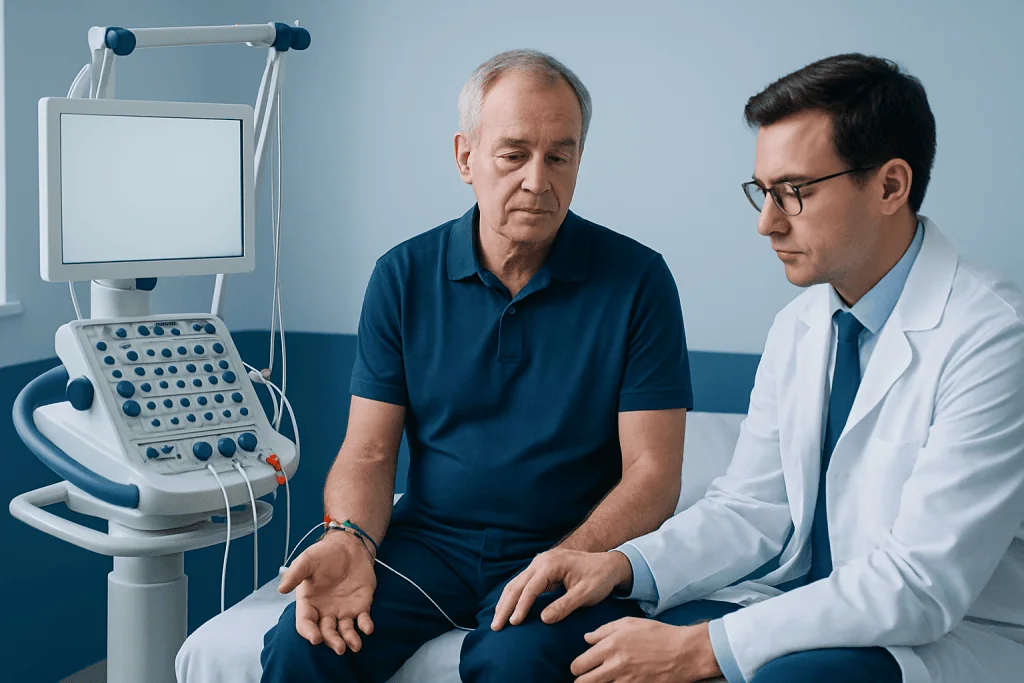
Early signs of peripheral neuropathy often start subtly. Many people first notice pins-and-needles sensations, burning, or reduced feeling in the toes or soles of the feet. Others describe a feeling as if they are wearing socks or gloves when they are not. Symptoms may be more noticeable at night.
As nerve involvement progresses, numbness can make it harder to feel injuries, heat, or pressure. This is especially important in the feet, where small cuts or blisters may go unnoticed. Some people develop sharp, stabbing, electric-shock-like pain, while others feel aching or unusual sensitivity so that even light touch becomes uncomfortable.
When motor nerves are affected, symptoms can include muscle weakness, cramping, twitching, or difficulty with tasks such as climbing stairs, lifting the front of the foot, gripping objects, or fastening buttons. Balance may worsen because the brain receives less accurate information from the feet about body position.
If autonomic nerves are involved, symptoms may include dizziness when standing, abnormal sweating, bowel or bladder changes, sexual dysfunction, or trouble tolerating heat. Because a few serious neurological conditions can also cause weakness or numbness, doctors may consider related disorders such as Guillain-Barre syndrome when symptoms are rapidly changing or involve both sensation and strength.
Causes and Risk Factors

Diabetes is one of the most common causes of peripheral neuropathy. High blood sugar over time can damage nerves and the small blood vessels that nourish them. Poorly controlled diabetes often affects the feet first, but careful blood sugar management may help slow progression.
Other possible causes include vitamin deficiencies, especially low vitamin B12, kidney disease, thyroid disorders, liver disease, autoimmune illnesses, inherited nerve disorders, and infections. Alcohol misuse can also damage nerves directly and may worsen vitamin deficiency. Some medicines, including certain chemotherapy drugs, may lead to neuropathy as a side effect.
Physical injury or repeated pressure on a nerve may cause focal neuropathy, affecting a specific area. Examples include compression from repetitive motion, trauma, or problems involving the neck or spine. In other cases, inflammation of the nerves or surrounding tissues may be involved, and specialists in neuroimmunology may help evaluate immune-related causes.
Sometimes neuropathy develops as part of a broader neuromuscular disorder, and additional assessment in neuromuscular disease care may be appropriate. Rarely, symptoms that seem like peripheral neuropathy can actually come from the spinal cord or brain, such as syringomyelia or even a prior stroke, which is why accurate diagnosis matters.
How Peripheral Neuropathy Is Diagnosed
Diagnosis begins with a detailed medical history. The doctor asks when symptoms started, where they occur, whether they are getting worse, and whether there is pain, weakness, balance trouble, or autonomic symptoms. A review of medications, alcohol use, family history, diabetes, infections, and exposure to toxins can provide important clues.
A neurological examination usually checks strength, reflexes, sensation, coordination, and gait. The doctor may test the ability to feel vibration, light touch, pinprick, and temperature. They may also look for muscle wasting, foot deformities, skin changes, or ulcers that suggest long-standing nerve damage.
Blood tests are commonly used to search for underlying causes. These may include blood sugar testing, vitamin levels, thyroid function, kidney and liver function, markers of inflammation, and tests for certain infections or autoimmune conditions. In some cases, additional urine testing or genetic testing may be recommended.
Nerve studies are often very helpful. Nerve conduction studies and electromyography are part of neurophysiology testing and can show how well nerves and muscles are working. If symptoms suggest a structural problem, imaging such as MRI may be used through advanced neuroradiology to examine the spine, nerve roots, or other areas. Less commonly, a skin biopsy or nerve biopsy may be considered in selected cases.
Treatment Options
Treatment depends on the cause, the type of nerves affected, and the severity of symptoms. When a specific cause is found, the first goal is to address it. This may mean improving blood sugar control in diabetes, correcting a vitamin deficiency, changing a medication if appropriate, treating an infection, or managing an autoimmune disease.
Symptom relief is also an important part of care. Doctors may recommend medicines that reduce nerve pain, along with physical therapy, occupational therapy, or supportive devices to improve walking and hand function. Balance training can help lower fall risk, and foot care is especially important when sensation is reduced.
If nerve compression is contributing to symptoms, treatment may include splints, posture changes, activity modification, or in some cases procedural or surgical care. People with significant weakness or complex symptoms may benefit from rehabilitation to preserve mobility and independence.
Recovery varies. Some people improve when the underlying cause is treated early, while others need long-term symptom management. A realistic treatment plan focuses on reducing pain, protecting numb areas from injury, improving function, and preventing further nerve damage rather than promising immediate reversal.
Prevention and Self-care
Not all cases of peripheral neuropathy can be prevented, but some risks can be reduced. Managing diabetes carefully, limiting alcohol, eating a balanced diet, and addressing vitamin deficiencies can help protect nerve health. Routine medical follow-up is useful for people with chronic conditions that may affect nerves.
Daily foot and skin checks are especially important for anyone with numbness. Looking for cuts, blisters, redness, swelling, or pressure points can help prevent infection and more serious complications. Comfortable, well-fitting shoes and avoidance of walking barefoot may reduce injury risk.
At home, practical safety steps can make a difference. Good lighting, handrails, non-slip mats, and removing loose rugs may help prevent falls if balance is affected. Gentle regular exercise, as advised by a clinician, may support strength, circulation, and overall wellbeing.
People should avoid self-treating ongoing numbness or pain without medical guidance, since important causes can be missed. Near the end of the care journey, some international patients may choose centers such as Acibadem International, where multidisciplinary specialists in JCI-accredited hospitals evaluate and treat neurological conditions with individualized planning.
When to See a Doctor
A doctor should be consulted if numbness, tingling, burning pain, or weakness persists, spreads, or interferes with daily activities. Even mild symptoms deserve attention if they are new, unexplained, or steadily worsening. Earlier assessment gives the best chance of finding a treatable cause.
Urgent medical care is needed if symptoms come on suddenly, progress quickly, or are accompanied by significant weakness, trouble walking, facial drooping, new bladder or bowel problems, severe back pain, or difficulty breathing. These features may point to a condition other than routine peripheral neuropathy and need prompt evaluation.
People with diabetes should seek medical advice for any foot wound, ulcer, or infection, especially if there is reduced sensation. Delayed treatment can lead to more serious complications because injury may not be fully felt.
Persistent nerve symptoms should not be dismissed as a normal part of aging. A neurologist or other qualified doctor can determine whether the problem is peripheral neuropathy, another nerve disorder, or a different condition entirely, and then recommend the safest next steps.
Frequently asked questions
What are the first signs of peripheral neuropathy?
The earliest signs are often tingling, numbness, burning, or a pins-and-needles feeling in the toes or feet. Some people also notice unusual sensitivity, reduced balance, or mild weakness. Symptoms often begin gradually and may be more noticeable at night.
Can peripheral neuropathy be cured?
Some cases improve significantly when the cause is identified and treated early, such as neuropathy from vitamin deficiency or certain medication effects. In other cases, treatment focuses on slowing progression, relieving symptoms, and improving function. The outlook depends on the underlying cause and how long the nerves have been affected.
Is peripheral neuropathy always caused by diabetes?
No. Diabetes is a common cause, but peripheral neuropathy can also be linked to vitamin deficiencies, alcohol use, autoimmune disease, kidney problems, infections, inherited conditions, injuries, or certain medications. Sometimes no clear cause is found even after testing.
How is peripheral neuropathy tested?
Testing usually starts with a medical history and neurological examination. Doctors often order blood tests to look for common causes and may use nerve conduction studies and electromyography to assess nerve and muscle function. Imaging or specialized tests may be added if the pattern of symptoms suggests another problem.
When is numbness or tingling an emergency?
Urgent care is important if numbness or weakness appears suddenly, spreads quickly, or occurs with trouble breathing, severe back pain, facial drooping, or loss of bladder or bowel control. These symptoms can signal a more serious neurological problem. Persistent symptoms that are not severe still deserve medical evaluation.
What helps manage peripheral neuropathy at home?
Helpful steps may include careful foot care, regular gentle exercise, good blood sugar management if diabetes is present, and reducing fall risks at home. A person should also avoid burns or cuts in numb areas and wear well-fitting shoes. Home measures are supportive, but ongoing symptoms should still be assessed by a doctor.
References
- National Institute of Neurological Disorders and Stroke
- National Institute of Diabetes and Digestive and Kidney Diseases
- Mayo Clinic
- National Health Service
- American Academy of Neurology
This article is for general information only and is not a substitute for professional medical advice. Please consult a qualified doctor about your individual situation.
Peripheral Neuropathy in Turkey — costs, top hospitals & a free quote
JCI-accredited · board-certified surgeons · reply within 24h
Add us as a Preferred Source to see more of our trusted health content across Google Search, AI Overviews and Discover.
Check your numbers in seconds
BMI, calories, due date, blood pressure and 30+ more clinical calculators — free, instant, doctor-reviewed ranges.

Physical Medicine & Rehabilitation
Restoring movement and function after injury, surgery or neurological conditions.
153 specialists in this unit