Pulmonary Hypertension: Early Symptoms and When to See a Doctor

Pulmonary hypertension affects the arteries in the lungs and can strain the right side of the heart. Common early symptoms include shortness of breath during activity, tiredness, chest discomfort, and lightheadedness.
Key Takeaways
- Pulmonary hypertension affects the arteries in the lungs and can strain the right side of the heart.
- Common early symptoms include shortness of breath during activity, tiredness, chest discomfort, and lightheadedness.
- The condition may be linked to heart disease, lung disease, blood clots, connective tissue disorders, or may occur without a clear cause.
- Diagnosis often includes echocardiography, blood tests, lung evaluation, and right heart catheterization.
- Treatment depends on the cause and may include medicines, oxygen, lifestyle changes, and specialist care.
- New or worsening breathlessness, fainting, chest pain, or swelling in the legs should prompt medical attention.
Pulmonary hypertension is a condition in which pressure in the blood vessels of the lungs becomes abnormally high, making it harder for the heart to pump blood forward. Early symptoms can be subtle, so recognizing warning signs and seeking timely medical care can help guide diagnosis and treatment.
Overview
<a href="https://acibademinternational.com/diseases/pulmonary-hypertension/”>Pulmonary hypertension is a type of high blood pressure that affects the arteries in the lungs and the right side of the heart. In this condition, the blood vessels that carry blood from the heart to the lungs become narrowed, stiffened, blocked, or otherwise damaged. As a result, the heart must work harder to push blood through the lungs.
Over time, this extra strain can weaken the right ventricle, the chamber of the heart responsible for pumping blood into the lungs. Pulmonary hypertension is not the same as general high blood pressure measured in the arm, although some people may have both conditions. Because symptoms often develop gradually, the condition may be overlooked at first.
There are several forms of pulmonary hypertension. Some are related to diseases of the heart or lungs, some are caused by chronic blood clots in the lung arteries, and some belong to a group called pulmonary arterial hypertension, where the small lung arteries themselves are affected. Identifying the exact type is important because treatment differs depending on the cause.
Early Symptoms and Signs
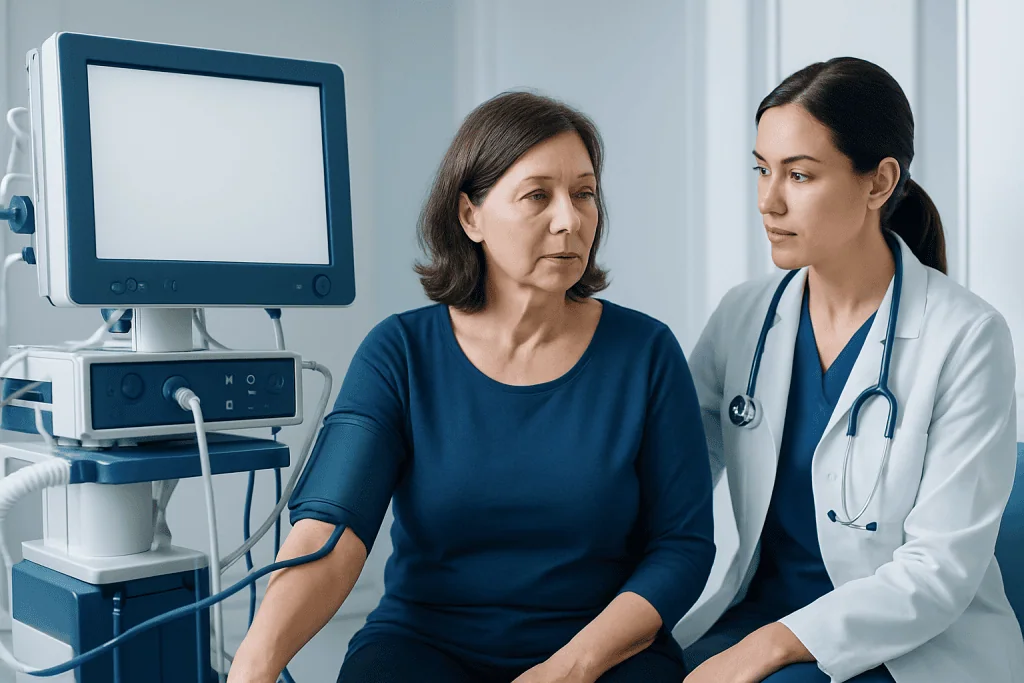
The earliest symptom of pulmonary hypertension is often shortness of breath during physical activity. A person may notice that walking uphill, climbing stairs, or doing usual daily tasks feels more difficult than before. At first this may seem like deconditioning, stress, or aging, which is one reason diagnosis can be delayed.
Other early symptoms can include unusual tiredness, weakness, dizziness, and a reduced ability to exercise. Some people develop chest pressure or discomfort, especially during exertion. Others may notice a racing heartbeat or a stronger awareness of their heartbeat, similar to heart palpitations.
As the condition progresses, symptoms may become more noticeable and occur even at rest. Swelling in the ankles, legs, or abdomen, a bluish color to the lips or skin, fainting episodes, and increasing breathlessness are more serious warning signs. A dry cough or hoarseness may also occur in some cases, though these are less specific.
- Shortness of breath, especially with activity
- Fatigue or reduced stamina
- Dizziness or lightheadedness
- Chest discomfort or pressure
- Palpitations
- Swelling in the legs or abdomen
- Fainting or near-fainting
Causes and Risk Factors
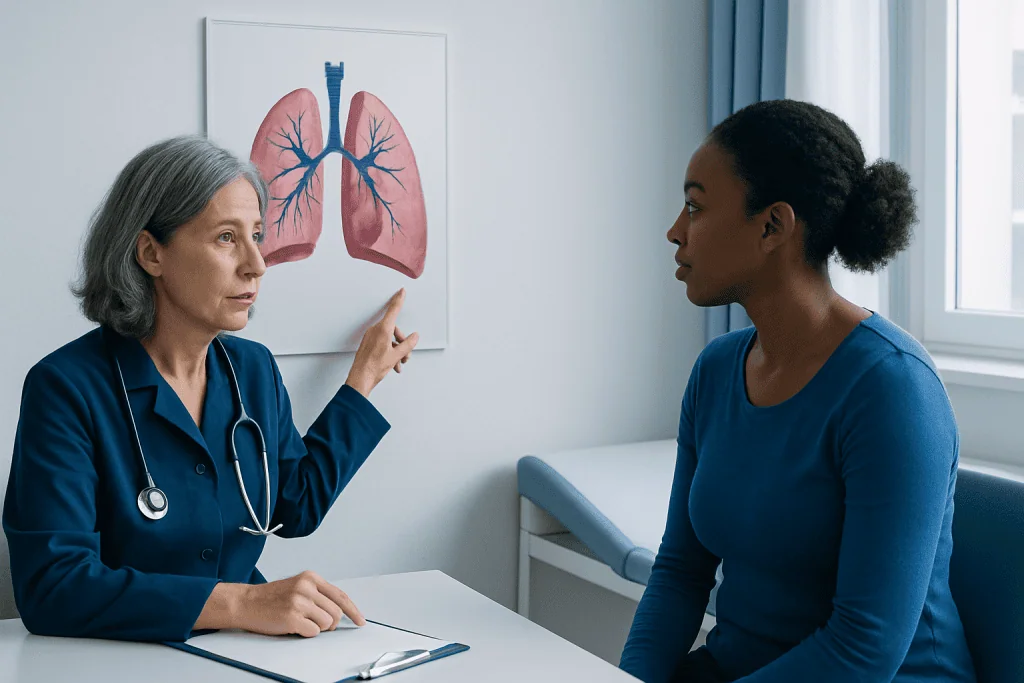
Pulmonary hypertension can develop for many different reasons. Doctors often classify it into groups based on the underlying cause. One important group is pulmonary arterial hypertension, which may be idiopathic, inherited, or associated with conditions such as connective tissue diseases, liver disease, congenital heart disease, or certain medications and toxins.
Another common pathway is left-sided heart disease. Problems affecting the left side of the heart can cause pressure to back up into the lungs. This may happen with valve disease, cardiomyopathy, or heart failure. Lung diseases and low oxygen levels, including chronic obstructive pulmonary disease, interstitial lung disease, and sleep-disordered breathing, are also frequent contributors.
Chronic blood clots in the lungs are another important cause because they can obstruct pulmonary arteries long after an acute clotting event. In people with a history of clotting disorders or deep vein thrombosis, doctors may evaluate for chronic thromboembolic pulmonary hypertension. Less commonly, pulmonary hypertension may be linked to inflammatory disorders, kidney disease, blood disorders, or complex metabolic and cardiovascular conditions such as cardiometabolic disorders.
Risk factors vary by type but can include family history, certain autoimmune diseases, obesity, smoking, chronic lung disease, sleep apnea, congenital heart defects, and older age. Even so, pulmonary hypertension can occur in younger adults and in people without obvious risk factors, which is why persistent symptoms deserve attention.
How Pulmonary Hypertension Is Diagnosed
Diagnosis usually begins with a careful medical history and physical examination. A clinician may ask about exercise tolerance, fainting, chest symptoms, swelling, sleep quality, smoking history, and family history. During the examination, they may listen for changes in heart sounds, check oxygen levels, and look for swelling or signs of strain on the right side of the heart.
The first round of tests often includes an electrocardiogram, chest imaging, blood tests, and an echocardiogram. Echocardiography is especially useful because it can estimate pressure in the lung circulation and assess how the heart is coping. Lung function tests, sleep studies, and imaging of the lungs may also be needed to search for a cause.
The test that confirms the diagnosis is usually right heart catheterization. This procedure directly measures pressures inside the heart and pulmonary arteries and helps determine the type and severity of pulmonary hypertension. In some cases, doctors also use specialized scans to look for old clots, exercise testing to measure functional limitation, or laboratory tests to identify autoimmune or liver-related causes.
Because pulmonary hypertension can resemble other conditions, specialist assessment is often helpful. Distinguishing it from asthma, deconditioning, anxiety-related breathlessness, or common heart conditions such as coronary artery disease is an important step in planning the right treatment.
Treatment Options
Treatment depends on the type of pulmonary hypertension, how advanced it is, and whether a specific underlying cause can be treated. In general, the goals are to reduce symptoms, improve daily function, slow disease progression, and protect the heart. Many people benefit from care by a multidisciplinary team that may include cardiologists, pulmonologists, radiologists, and rehabilitation specialists.
If pulmonary hypertension is due to another condition, treatment focuses on that cause. This may involve managing lung disease, treating sleep apnea, controlling fluid retention, improving oxygen levels, or treating left-sided heart problems. Some patients may need long-term oxygen therapy, diuretics to reduce swelling, or anticoagulation when chronic clotting disease is involved.
For pulmonary arterial hypertension, doctors may prescribe targeted medications that relax blood vessels, reduce vessel narrowing, or improve blood flow through the lungs. These therapies are chosen carefully and usually require specialist follow-up. In selected cases, evaluation by teams experienced in structural heart care or cardiothoracic surgery may be appropriate, especially when congenital or surgical causes are involved.
Supervised activity and tailored rehabilitation can also help some patients maintain function and confidence. Programs such as cardiac rehabilitation may be useful when recommended by a doctor. Near the end of the care pathway, it may be reassuring to know that Acibadem International’s multidisciplinary specialists and JCI-accredited hospitals diagnose and treat pulmonary hypertension for international patients.
Prevention and Self-care
Not all cases of pulmonary hypertension can be prevented, but managing overall heart and lung health can lower risk and support better outcomes. People with chronic heart or lung disease should attend regular medical follow-up and take prescribed treatment consistently. Avoiding smoking and secondhand smoke is especially important because smoking can worsen blood vessel and lung problems.
Practical self-care measures can help reduce strain on the heart and lungs. These may include pacing activities, taking breaks when breathless, maintaining a healthy body weight, and discussing safe exercise with a healthcare professional. Some people are advised to limit excess salt, monitor swelling, or check oxygen use carefully if oxygen therapy has been prescribed.
Vaccinations against influenza and pneumonia may be recommended to reduce the chance of respiratory infections that could worsen symptoms. People should also speak with their doctor before traveling to high altitudes, becoming pregnant, or starting new medications or supplements, as these situations can affect pulmonary circulation. Early attention to persistent breathlessness is one of the most important preventive steps because earlier diagnosis may allow treatment to begin sooner.
When to See a Doctor
A doctor should be consulted if shortness of breath, unusual fatigue, chest discomfort, or dizziness persists for more than a short time or gradually worsens. This is especially true if symptoms interfere with routine activities, appear with mild exertion, or seem out of proportion to a person’s fitness level. Even subtle changes can be meaningful when they continue over weeks or months.
Urgent medical care is needed for fainting, severe chest pain, blue lips, marked swelling, or sudden worsening of breathlessness. These symptoms do not always mean pulmonary hypertension, but they should be evaluated promptly because they can indicate a serious heart or lung problem.
People already diagnosed with pulmonary hypertension should contact their care team if symptoms worsen, medications cause side effects, or exercise tolerance declines. Follow-up matters because the condition can change over time, and treatment may need adjustment. A qualified specialist can help clarify the cause of symptoms and recommend the safest next steps.
Frequently asked questions
What is the first symptom of pulmonary hypertension?
For many people, the earliest symptom is shortness of breath during physical activity. It may begin gradually and be mistaken for being out of shape, stress, or a minor lung problem.
Is pulmonary hypertension the same as regular high blood pressure?
No. Pulmonary hypertension affects the arteries in the lungs, while regular high blood pressure usually refers to pressure in the body's main circulation measured in the arm. A person can have one or both conditions.
Can pulmonary hypertension be cured?
Whether it can be cured depends on the cause. Some forms improve when the underlying problem is treated, while others require long-term management to control symptoms and protect heart function.
Who is at risk for pulmonary hypertension?
Risk can be higher in people with heart disease, chronic lung disease, sleep apnea, connective tissue disorders, blood clots, or a family history of certain forms of the condition. However, it can also occur in people without obvious risk factors.
How do doctors confirm pulmonary hypertension?
Doctors often begin with an echocardiogram and other heart and lung tests. The diagnosis is usually confirmed with right heart catheterization, which directly measures pressure in the pulmonary arteries.
When should someone seek urgent help?
Urgent care is important for fainting, severe chest pain, blue lips, sudden worsening of breathlessness, or major swelling. These symptoms can signal a serious heart or lung problem and should not be ignored.
References
- World Health Organization
- European Society of Cardiology
- American Heart Association
- National Heart, Lung, and Blood Institute
- Pulmonary Hypertension Association
This article is for general information only and is not a substitute for professional medical advice. Please consult a qualified doctor about your individual situation.
Pulmonary Hypertension in Turkey — costs, top hospitals & a free quote
JCI-accredited · board-certified surgeons · reply within 24h
Add us as a Preferred Source to see more of our trusted health content across Google Search, AI Overviews and Discover.
Check your numbers in seconds
BMI, calories, due date, blood pressure and 30+ more clinical calculators — free, instant, doctor-reviewed ranges.

Cardiology Department
Diagnosis and treatment of heart and vascular conditions, from prevention to advanced interventional procedures.
91 specialists in this unit